


Hand Painted Porcelain Animal
These hand painted porcelain animal figures bring centuries of skilled craftsmanship into domestic spaces, prized for their delicate detail and varied forms.
Hand Painted Porcelain Animal
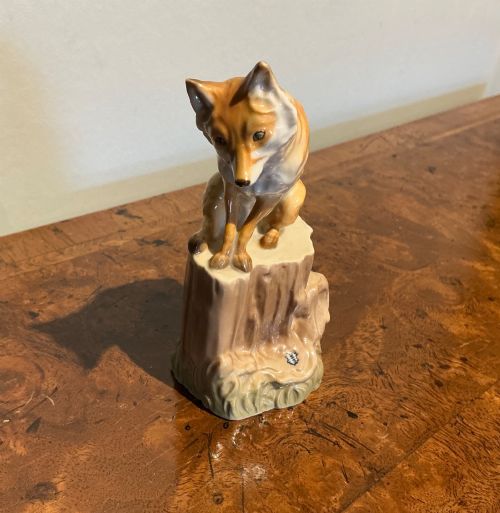
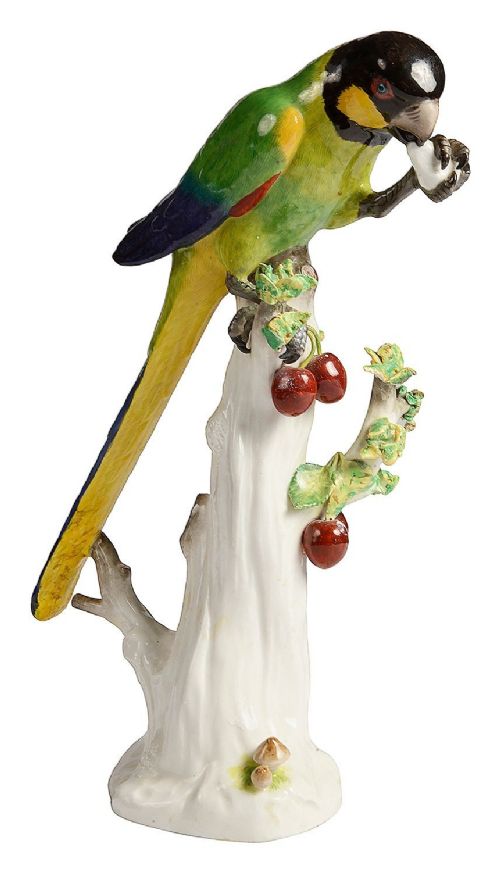
When you search for hand painted porcelain animal figures, you encounter a range of forms spanning European and Chinese traditions. These pieces include decorative figures, vases, soup tureens, and sculptural figurines depicting creatures from foxes and parrots to ducks, stags, dogs, and elephants.
The selections on this page draw from periods including the eighteenth century, Georgian era, and the late nineteenth to early twentieth centuries. European factories such as Nymphenburg, Meissen, Derby, Royal Worcester, and Carl Thieme Dresden sit alongside Chinese export items in Ming style.
Objects range from miniature dog figures and recumbent stags with bocage to large pairs of ducks and substantial elephants. The materials span soft-paste and hard-paste porcelain, embellished with enamel, glaze, gilt, and sancai glaze.
How they were made
Maker utilise soft-paste or hard-paste porcelain as the base body for moulding figures and vessels. Artisans shape the clay into complex forms such as perched parrots, recumbent stags, and tureens before the initial firing.
Surface decoration relies on careful brushwork with enamel colours and metallic gilt highlights. Potters apply glazes, including specialised sancai glazes and clear coatings, which fuse to the porcelain body during subsequent high-temperature kiln firings.
Listings feature porcelain from the eighteenth century, Georgian era, and the late nineteenth to early twentieth centuries, utilising hard-paste and soft-paste bodies.
What varies in quality
The fidelity of the modelling and the precision of the hand painting dictate the standing of a piece. Finer examples display nuanced facial expressions, anatomical accuracy, and carefully rendered plumage or fur rather than generalized contours.
The richness and stability of the enamel palette, alongside the preservation of gilt accents and glaze depth, separate standard production items from masterworks. Early factory output often shows superior control in the kiln and more confident brushwork.
Nymphenburg·Meissen·Derby·Royal Worcester·Carl Thieme Dresden
The Hand Painted Porcelain Animal Glossary
- Hard-paste porcelain
- A dense, vitrified ceramic material composed of kaolin and petuntse, fired at very high temperatures. It resists scratching and provides a durable canvas for enamel painting.
- Soft-paste porcelain
- An artificial porcelain compound containing glass frit and white clay, fired at lower temperatures. It possesses a warmer tone and a softer glaze surface than hard-paste porcelain.
- Bocage
- An open framework of applied leaves and branches surrounding a ceramic figure. It creates a lush background typical of eighteenth-century pastoral scenes.
- Sancai
- A three-colour lead glaze tradition originating in China, utilising amber, green, and cream or white tones. It runs slightly during firing to create rich surface pooling.
- Gilt
- A thin layer of gold applied to the porcelain surface for decorative highlights. It is bonded through firing and can show varying degrees of wear over time.
Hand Painted Porcelain Animal: Frequently Asked Questions
How do I clean porcelain animal figures?
Dust the surface gently with a soft, dry brush to prevent the accumulation of dirt within intricate details like bocage or fur texturing.
Avoid immersing antique porcelain in water, particularly pieces with gilt highlights or enamel decoration that can degrade with moisture.
Are these figures fragile?
Hard-paste and soft-paste porcelain are durable materials, but protruding elements like ears, tails, and floral branches remain vulnerable to impact.
Display the pieces on stable surfaces away from high-traffic areas to prevent accidental knocks.
How can I tell eighteenth century pieces apart?
Examine the weight, glaze texture, and base characteristics, as earlier porcelain bodies often show distinct potting marks and unglazed foot rims.
Stylistic conventions of modelling and the composition of enamel colours also help differentiate eighteenth-century work from later nineteenth-century revivals.
Where were these animals displayed?
Owners placed these decorative figures on mantelpieces, side tables, and within cabinet collections to showcase wealth and taste.
Larger forms such as tureens served functional roles at dining tables before transitioning to display cabinets.