



Hand Painted Mirror
A hand painted mirror brings colour and narrative into a room, joining reflective glass with decorative brushwork across several centuries of design.
Hand Painted Mirror
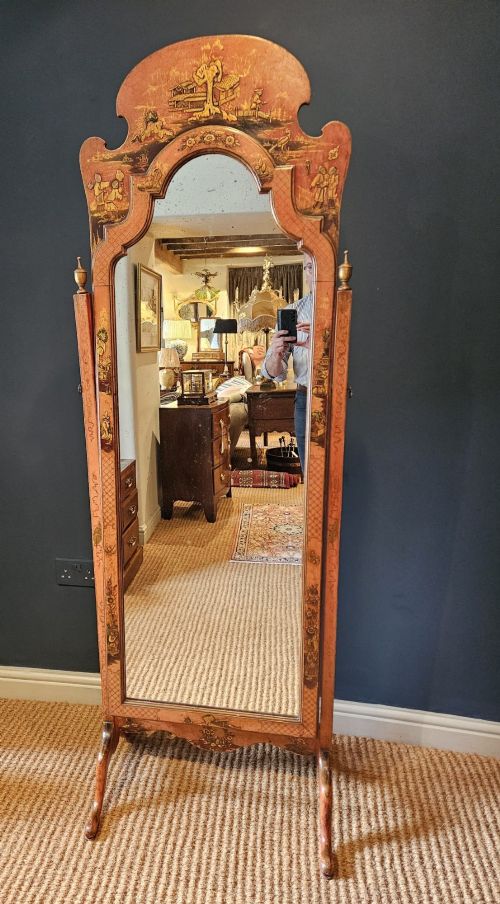
A hand painted mirror combines functional glass with decorative surface work, ranging from small wall fixtures to large cheval frames. When exploring a hand painted mirror on this page, buyers encounter diverse forms such as oval wall mirrors, pier glasses, and overmantel pieces.
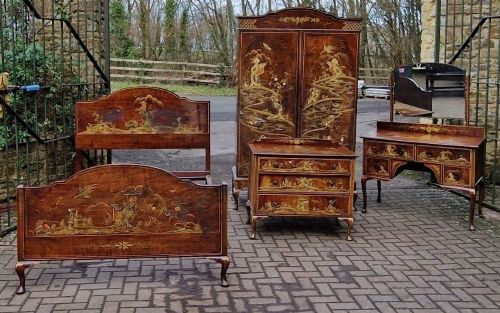
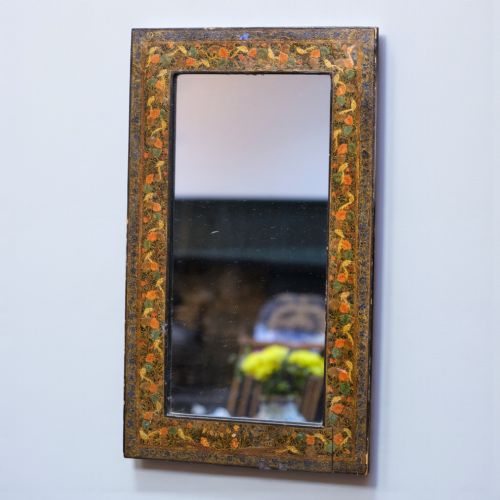
The selection draws on multiple historical periods, notably the nineteenth century, Victorian era, and early twentieth century. Pieces frequently display specific regional styles, including Italian Venetian, Kashmiri, and Chinoiserie interpretations on wood or lacquered bases.
Materials and construction
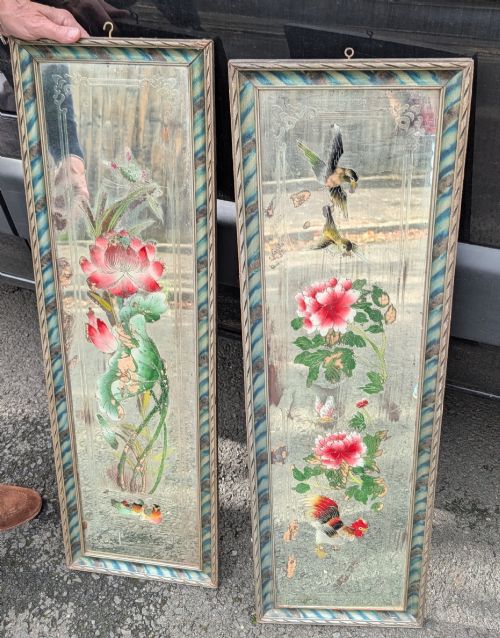
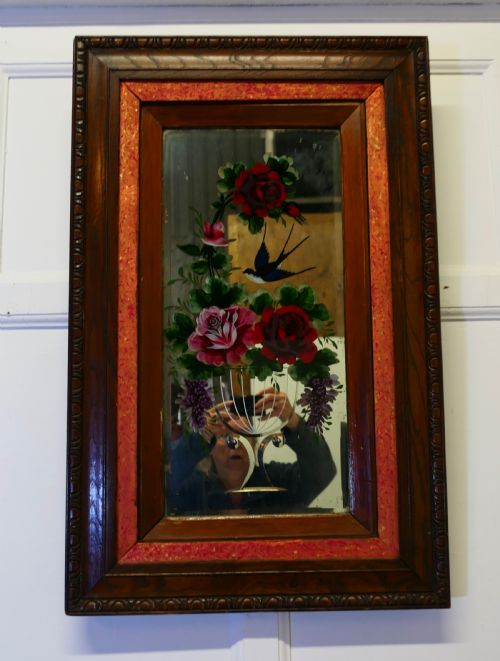
Frames utilise wood, including satinwood and walnut, often finished with black lacquer, gilt, or plain paint before artists apply their designs. Paint, enamel, and occasionally silk decorate these surfaces, sometimes accompanied by reverse painting and etching directly onto the glass plate.
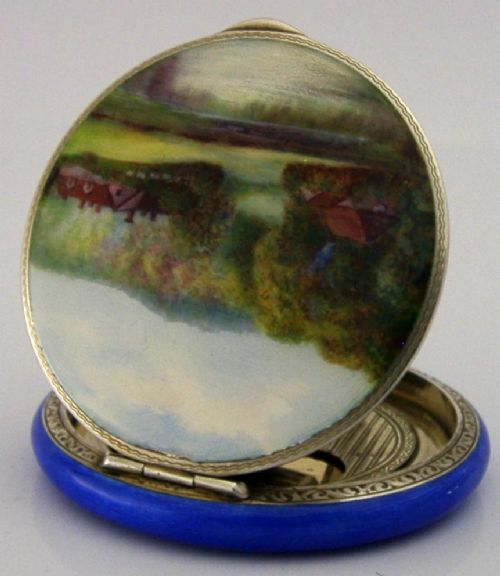
Metal elements also appear in related items like silver compacts and ormolu hand mirrors, pairing enamel work with precious metals. Construction methods range from traditional cabinet making for large wall mirrors and side cabinets to specialised metal smithing for vanity items.
Hand Painted Mirror Retail Price Guide 2026
Typical asking prices for hand painted mirror among the pieces listed under this phrase on Sellingantiques today, from the lower quarter to the upper quarter. They describe what is for sale here now, not the wider market.
Listings feature items from the eighteenth, nineteenth, and twentieth centuries, utilising wood, glass, lacquer, and enamel.
Assessing quality and execution
Quality rests in the precision of the painted detail and the harmony between the decorative motif and the frame form. Finer examples show crisp execution in floral or figural scenes, whether on a Chinoiserie panel, an Italian pier glass, or an Aesthetic movement frame.
The preservation of the original mirror plate and the underlying painted surface dictates desirability. Superior pieces maintain their original gilding, lacquer, and polychrome pigments without excessive overpainting or loss to the reflective glass.
Giuliano Spinelli Florence·Joseph Meissonnier
The Hand Painted Mirror Glossary
- Chinoiserie
- European artistic interpretation of Chinese and East Asian artistic traditions, commonly seen on lacquered mirror frames.
- Pier glass
- A tall, narrow mirror designed to hang on the wall between windows or above a low piece of furniture.
- Cheval mirror
- A full-length floor mirror suspended on a swivel frame, allowing the glass to tilt.
- Aesthetic Movement
- Late nineteenth-century design style emphasising visual beauty over narrative meaning, often featuring ebonised wood and gilt details.
- Reverse painting
- A technique where artists apply paint to the back of the glass, viewed from the front for a glossy finish.
Hand Painted Mirror: Frequently Asked Questions
How do I hang a heavy antique wall mirror?
Large wall mirrors and overmantel pieces require fixings suited to their weight and the wall type. Secure the frame directly into wall studs or utilise professional brackets.
Position the mirror at a height that reflects light effectively across the room while balancing the surrounding furniture.
How should I clean a painted mirror frame?
Dust the painted and gilt surfaces gently with a dry, soft brush to protect delicate pigments and finishes. Avoid commercial cleaning sprays on the painted areas.
Apply glass cleaner sparingly to a cloth rather than the mirror plate itself, preventing moisture from reaching the wood or paint edges.
What is the difference between Venetian and Chinoiserie mirrors?
Venetian mirrors often feature elaborate glasswork, etching, and Italian rococo scrolls. They focus on reflective complexity and shaped glass plates.
Chinoiserie mirrors display painted oriental scenes, figures, and landscapes, typically set against black or cream lacquered wooden frames.
Can I place a hand painted mirror in a bathroom?
High humidity and moisture can damage antique wood, lacquer, and delicate paintwork over time. It is best to keep these pieces in dry living spaces, hallways, or bedrooms.
Bathrooms subject antique frames and silvered mirror plates to rapid deterioration of the reflective backing and the painted surfaces.