

Hand Painted Gilt Ceramic
Hand painted gilt ceramic pieces bring together vibrant painted scenes and rich metallic detail across centuries of porcelain and earthenware.
Hand Painted Gilt Ceramic
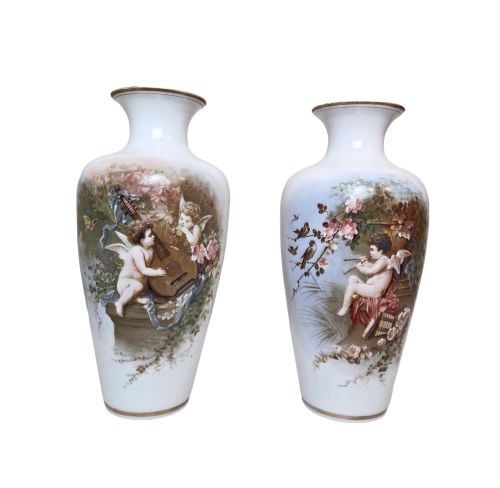
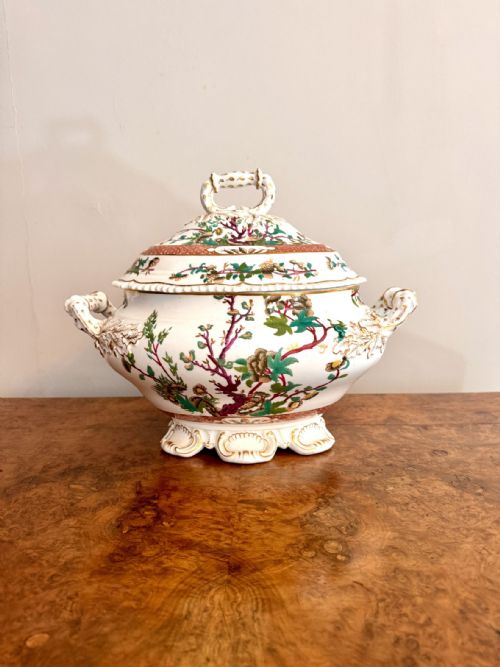
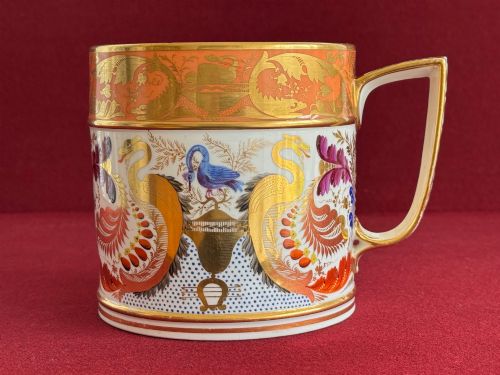
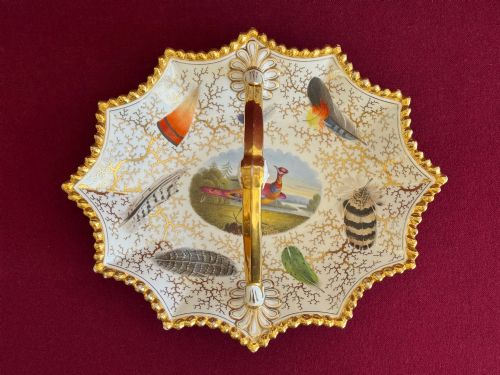
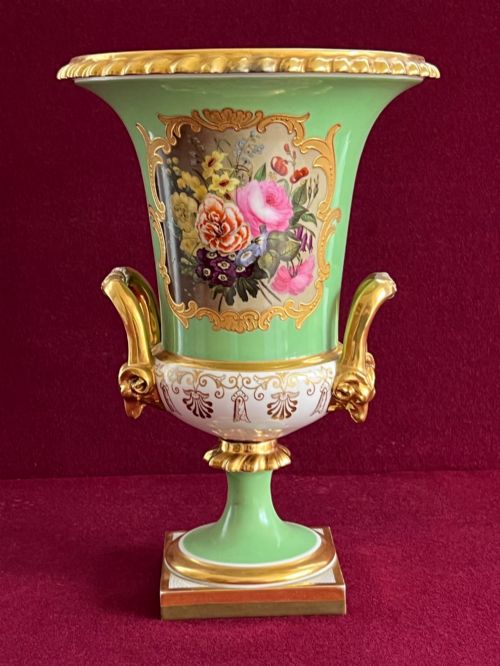
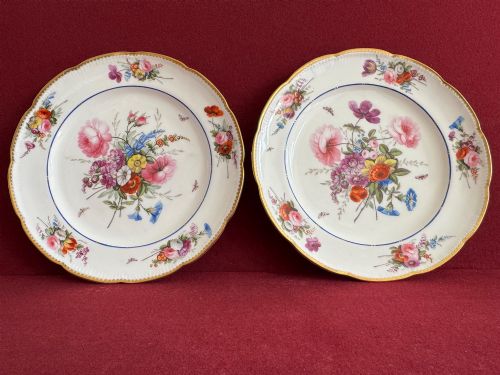
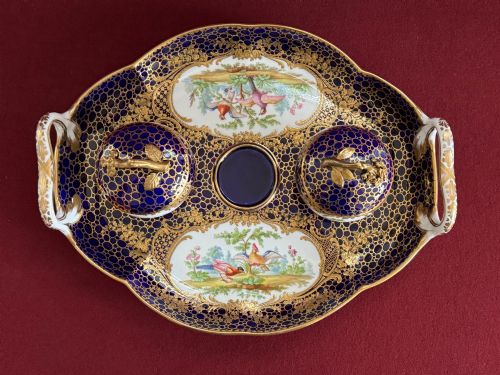
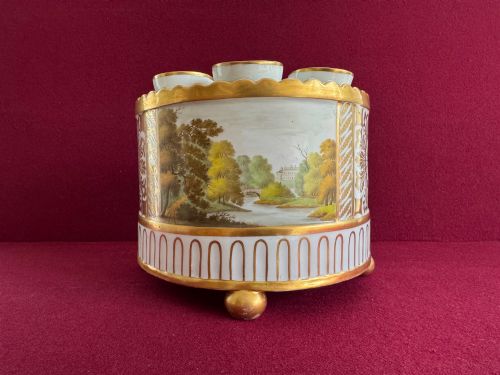
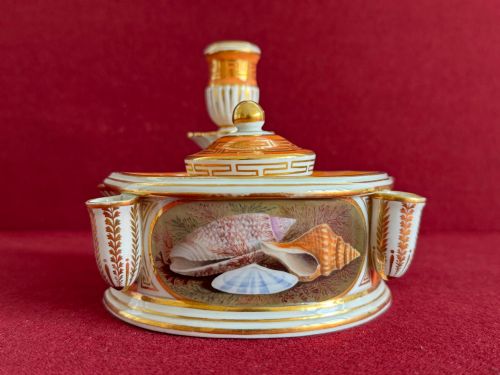
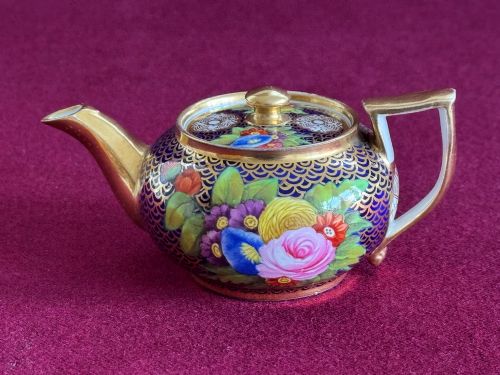
You are most likely to meet domestic wares from the Regency and Victorian eras, alongside Georgian tea services and Edwardian decorative dishes. These range from simple floral painted tea canisters to elaborate cabinet plates bearing landscapes or ornithological studies, all enriched with applied gold leaf or gilding.
How they were made
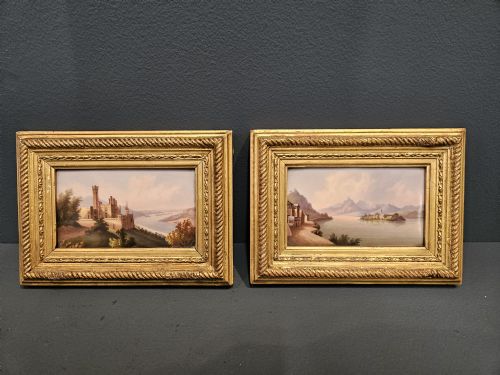
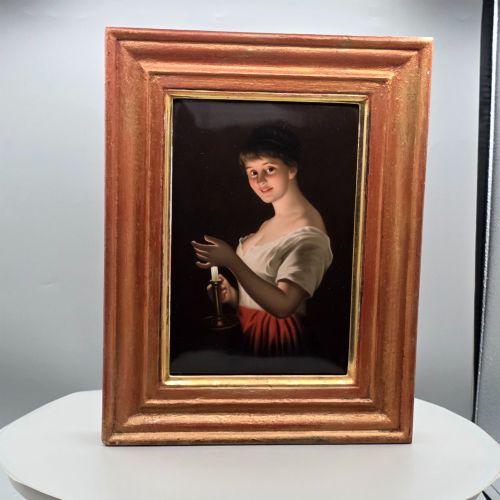
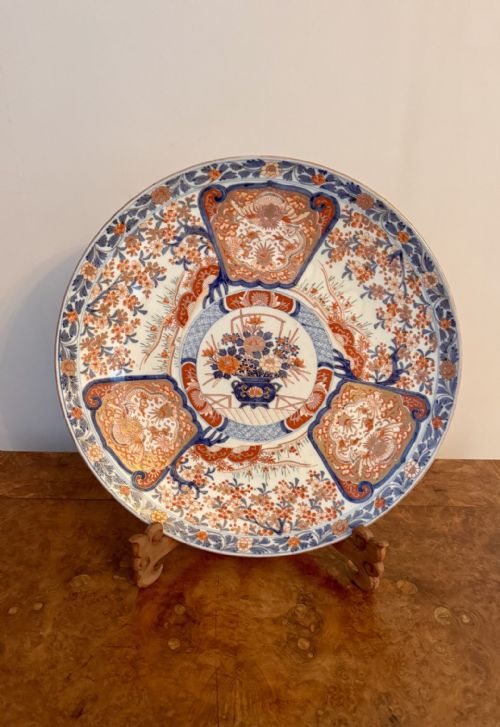
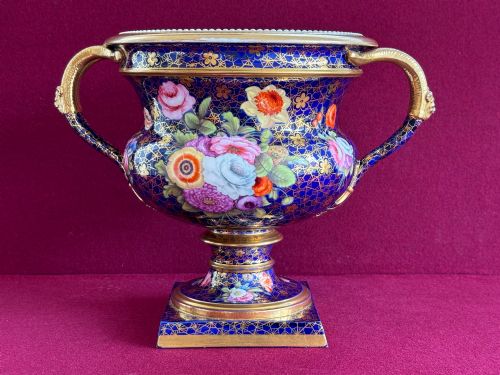
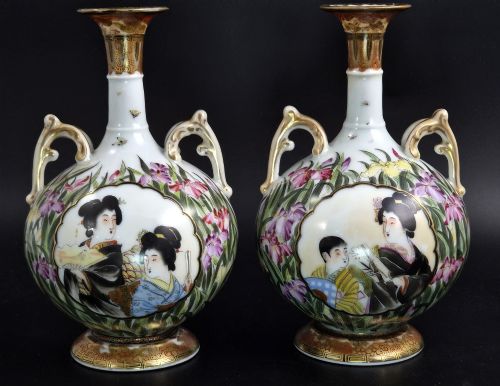
The foundation of these objects lies in ceramic bodies such as soft-paste porcelain, bone china, earthenware, and hard-paste porcelain, shaped by hand or moulded into complex forms like rococo vases and fluted tea vessels. Artisans then applied polychrome enamel pigments by hand, painting botanical subjects, birds, figures, and topographical views directly onto the glazed surface.
Gold leaf, gilt, and liquid gold solutions were meticulously painted or laid onto the ceramic body, often fired a second or third time to fuse the metallic lustre permanently to the glaze. Raised gilding techniques were also utilised to create tactile, reflective borders and scrollwork that framed the painted central panels.
Listings feature porcelain, earthenware, and soft-paste ceramic bodies spanning the Georgian, Regency, Victorian, and Edwardian periods.
What varies in quality
The standard of a hand painted gilt ceramic piece is defined primarily by the precision and artistic merit of the brushwork. Master painters working for factories like Royal Worcester, Sèvres, or Derby achieved a level of anatomical accuracy, botanical detail, and perspective that elevates a simple utilitarian vessel into a fine art object.
Gilding contributes equally to distinction, separating pieces with flat, machine-applied metallic paint from those featuring hand-tooled, heavily burnished gold leaf and raised chased patterns. The harmony between the ceramic body shape, the painted palette, and the distribution of the gold determines the overall success of the piece.
Grainger Lee And Co·Flight Barr And Barr·Royal Worcester·Coalport Porcelain·Chamberlain Worcester
The Hand Painted Gilt Ceramic Glossary
- Soft-Paste Porcelain
- An early ceramic composition fired at lower temperatures than hard-paste porcelain, creating a creamy translucent body that absorbs enamel colours deeply. This material is characteristic of eighteenth-century factories such as Worcester and early Derby.
- Gilding
- The application of gold leaf, powder, or liquid to the surface of a ceramic piece to provide decorative metallic highlights. Burnishing is frequently used to make specific areas of the gold shine brightly against a matte ground.
- Cabinet Plate
- A decorative ceramic plate intended for display on a wall or within a glass-fronted cabinet rather than for dining use. These often feature elaborate hand-painted scenes and heavy gilt borders.
- Enamel
- A glass-like pigment applied over the glazed ceramic surface and fired at a moderate temperature to fuse it permanently. Polychrome enamels allow for brilliant multi-coloured pictorial designs.
- Potpourri
- A perforated vessel designed to hold dried scented plant material while allowing the fragrance to diffuse into a room. These lidded pots are often highly decorated with painted flowers and extensive gilding.
Hand Painted Gilt Ceramic: Frequently Asked Questions
Were these items used daily?
Many of these ceramics, including teacups, saucers, teapots, and dessert services, were created for dining and social rituals in prosperous households. They formed part of formal tea and dinner tables where guests partook in hot beverages and sweet courses.
Other forms, such as cabinet plates and large decorative vases, were strictly ornamental from their creation. These were intended to demonstrate the wealth and refined taste of the owner within a drawing room setting.
How do I identify the period?
Look closely at the ceramic body, the style of the painted decoration, and any factory marks stamped or painted on the base. Georgian and Regency pieces often exhibit classical shapes and hand-drawn pattern numbers, while Victorian items frequently display bolder polychrome palettes and aesthetic or rococo revival motifs.
Comparing the painting technique to documented works by known factory artists helps narrow down the decade of production. Stylistic clues such as the boldness of the gilding and the weight of the porcelain body provide further chronological markers.
What makes a piece signed?
Some higher-end cabinet plates and decorative plaques feature the signature or initials of the individual artist who painted the scene. Factory decorators working at major establishments occasionally signed their miniature landscapes, fruit studies, or bird portraits in subtle script near the edge of the design.
Signed works are generally more thoroughly documented than factory-marked pieces decorated by anonymous workshop hands. This personal attribution reflects the elevated status of the artisan within the manufactory.