






Hand Painted Floral Tray
A hand painted floral tray brings botanical colour and historic charm to a room, offering both decorative presence and practical utility.
Hand Painted Floral Tray
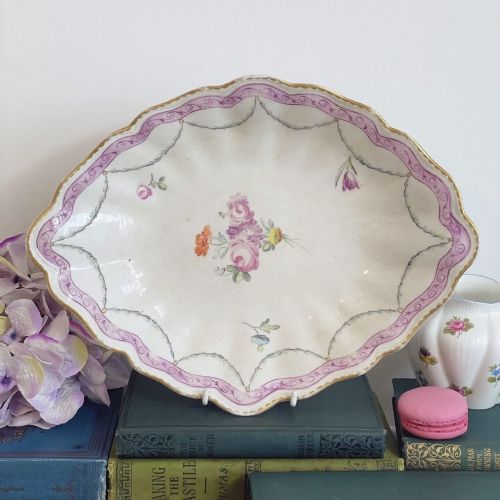
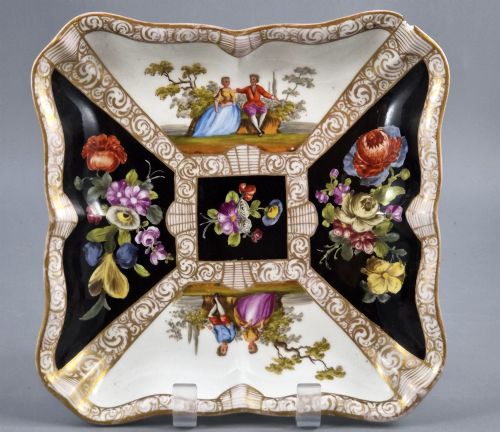
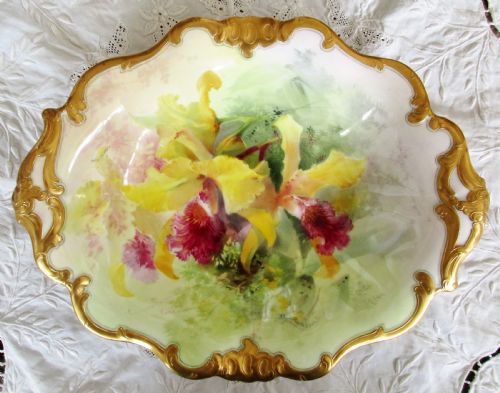
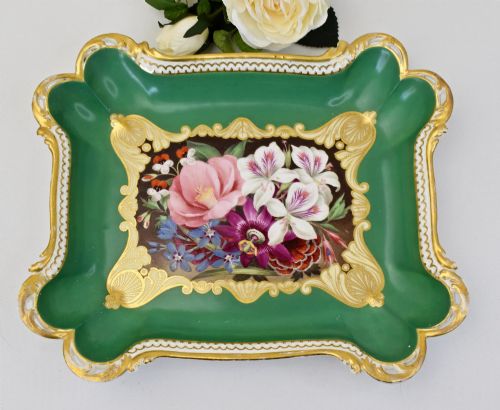
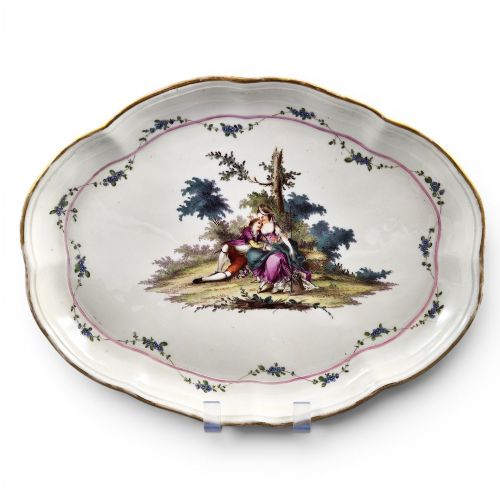
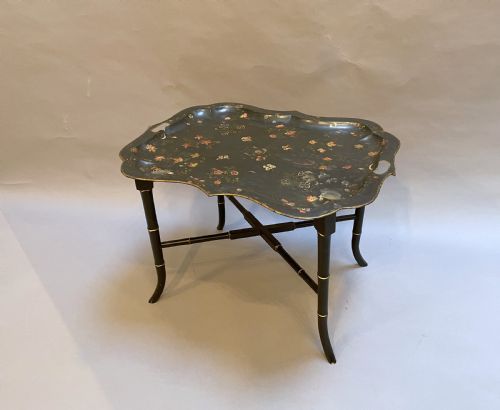
When you search for a hand painted floral tray, you find a diverse selection of serving vessels, decorative dishes, and occasional tables spanning the Georgian, Regency, and Victorian eras up to the early twentieth century. The inventory on this page consists predominantly of nineteenth-century porcelain and papier-mâché pieces, alongside toleware and lacquered items.
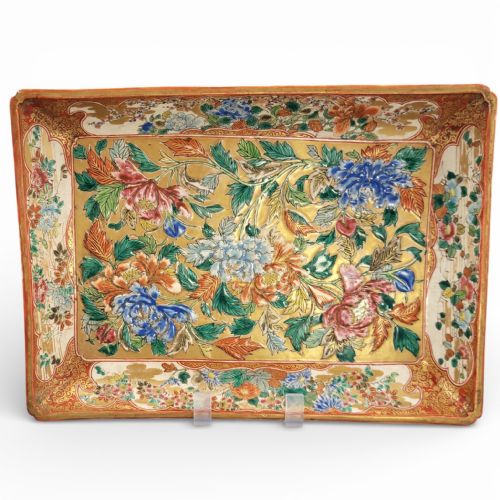
Forms range from large oval trays and cabinet dishes to hexagonal planters and complete breakfast sets. These pieces often feature botanical motifs, such as orchids and Saxon bouquets, alongside pastoral scenes and chinoiserie decorations.
How They Were Made
The objects in this collection are constructed from materials including porcelain, papier-mâché, and painted metal toleware. Artisans applied pigment by hand, frequently incorporating gold leaf, gilding, and enamel details to accentuate the floral designs.
Substrates like papier-mâché were moulded and finished with dark lacquer or ebonised surfaces before receiving detailed painted ornamentation. Porcelain items utilised traditional glazing and firing techniques, sometimes finished with gilt edges.
Listings feature porcelain, papier-mâché, and toleware spanning the Georgian, Regency, Victorian, and Edwardian periods.
What Varies in Quality
The refinement of the painted brushwork largely distinguishes the standard of each piece, with botanical accuracy and delicate polychrome shading indicating superior craftsmanship. Factory marks and attribution to known decorators or potteries also elevate the standing of an item.
The integrity of the underlying material, whether smooth papier-mâché or fine porcelain, contributes significantly to the overall execution. Preserved gilding and intact enamel surfaces reflect how well a tray has survived its functional history.
Derby·Meissen·Royal Doulton·Worcester·Marseille·Paul Müller Selb·Royal Worcester·Kutani·Ridgway·Spode·Sevres·Wedgwood·Pontypool·Royal Crown Derby·KPM
The Hand Painted Floral Tray Glossary
- Toleware
- Painted or lacquered metalware, typically iron or tinplate, often decorated with floral scenes and used for trays and vessels.
- Papier-mâché
- A composite material made from paper pulp or sheets of paper mixed with glue, moulded and dried to form durable trays and boxes.
- Cabinet dish
- A decorative ceramic plate or dish intended for display in a cabinet rather than for practical table service.
- Polychrome
- Decorated or printed in several colours, frequently seen in hand-painted floral motifs across porcelain and earthenware.
- Chinoiserie
- European artistic styles reflecting Chinese motifs and techniques, commonly applied to lacquered trays and furniture.
Hand Painted Floral Tray: Frequently Asked Questions
What were hand painted floral trays used for?
These items served various roles in historic households, functioning as practical serving vessels for tea and breakfast as well as decorative cabinet pieces.
Larger papier-mâché examples were often utilised on stands as occasional tables or employed by butlers for drinks service.
How do I care for antique papier-mâché trays?
Keep papier-mâché and lacquered items away from direct sunlight and excessive moisture to protect the delicate painted surfaces and dark grounds.
Dust gently with a dry, soft cloth and avoid chemical cleaning agents entirely.
How can I tell the difference between periods?
Georgian and Regency pieces often display classical forms with refined floral palettes, while Victorian examples tend toward bolder ebonised finishes and rich toleware.
Turn-of-the-century items frequently incorporate specific factory stamps, botanical classifications, or stylistic nods to Japanese art.
Are these trays suitable for daily use?
While many historical serving trays were built for utility, antique pieces with delicate hand painting and gold leaf are generally treated as display items.
Using them for heavy daily service risks wearing away the antique pigments and nineteenth-century gilding.