






Hand Painted Delft
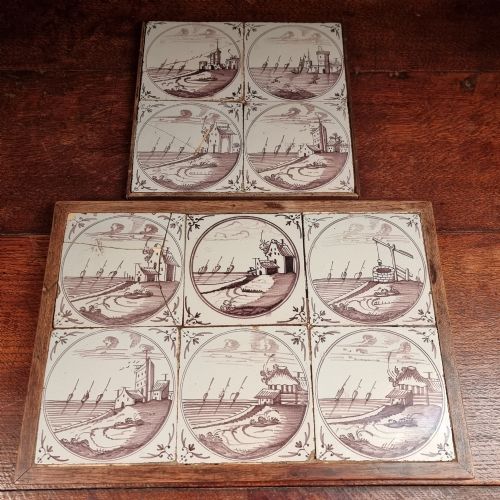
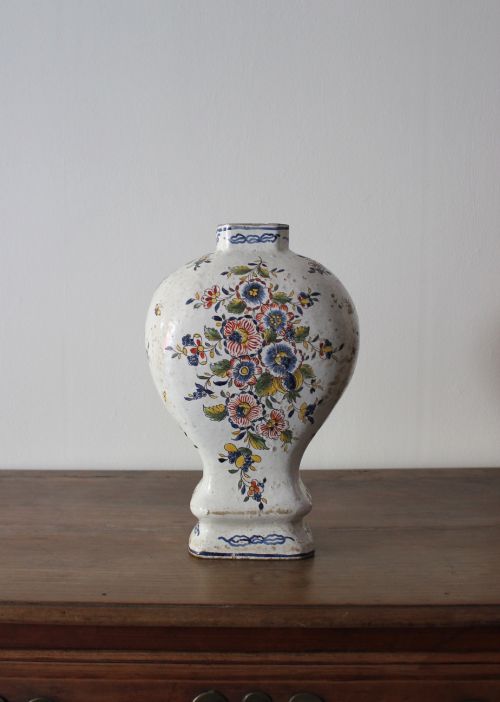
These hand painted delft pieces bring tin-glazed earthenware into rooms through chargers, vases, and tiles decorated in blue, manganese, and polychrome pigments.
Hand Painted Delft
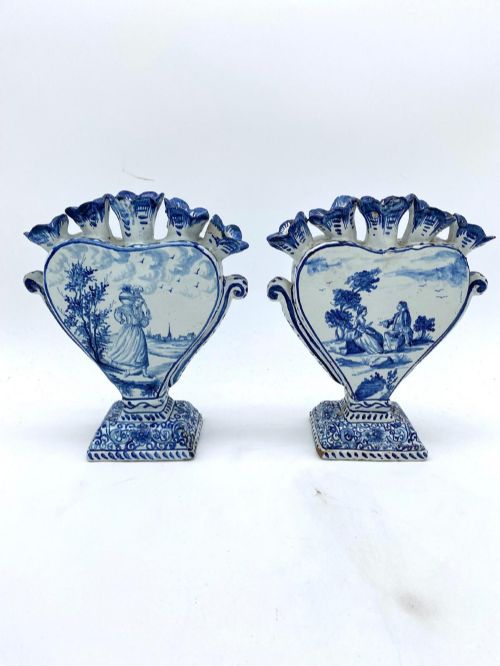
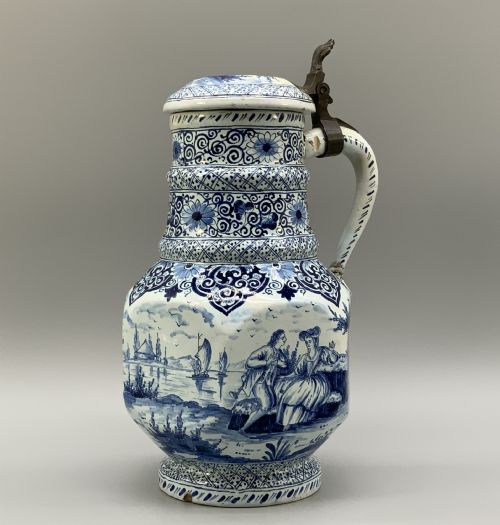
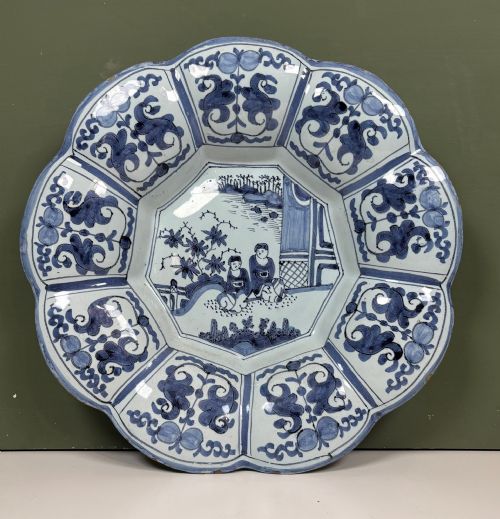
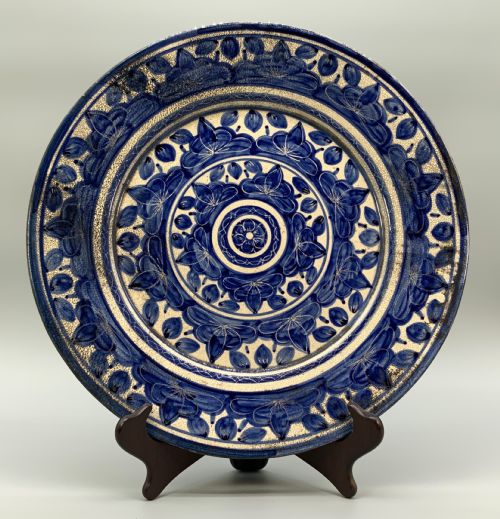
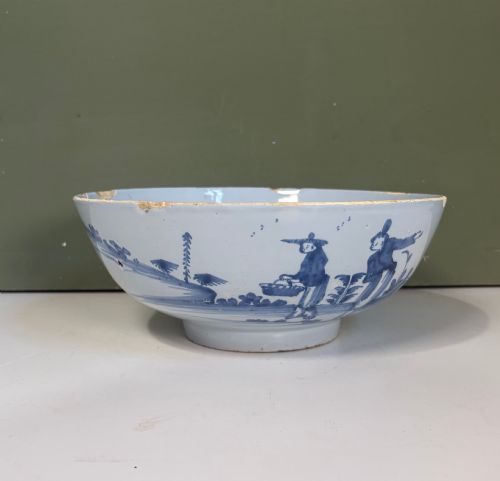
Hand painted delft encompasses tin-glazed earthenware objects originating from centuries of ceramic production across the seventeenth, eighteenth, and nineteenth centuries. Buyers encounter chargers, decorative plates, tiles, and lidded vases featuring cobalt blue or polychrome painting.
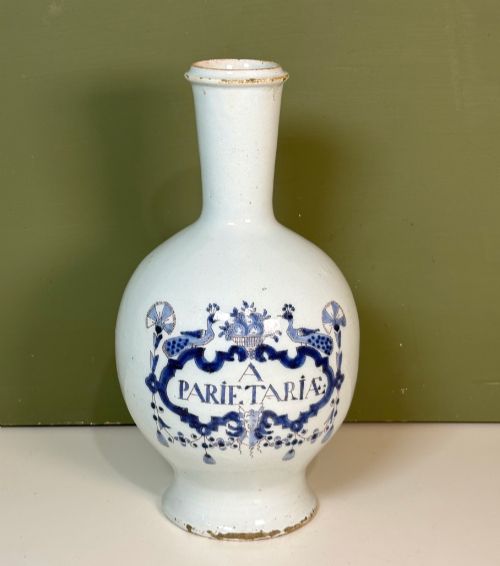
The selection centres heavily on eighteenth-century Dutch examples alongside English delftware chargers and continental faience. Forms range from utilitarian apothecary vessels and puzzle jugs to ornamental garden urns and wall plaques.
Domestic items such as barber's bowls, patch boxes, and marriage plates appear alongside grand baluster vases and chargers decorated in Chinese scholar or Moorish styles. Each piece demonstrates tin-glaze techniques applied to ceramic bodies.
How they were made
Potters formed these items in earthenware before applying an opaque white tin glaze that created a smooth surface for painting. Artisans then brushed cobalt oxide, manganese, and polychrome pigments directly onto the unfired glaze.
Pigments absorbed into the tin glaze during firing, producing soft boundaries in the painted motifs. Workshops utilised local clays shaped into plates, jars, tiles, and lobbed dishes before subjecting them to kiln heat.
Hand Painted Delft Retail Price Guide 2026
Typical asking prices for hand painted delft among the pieces listed under this phrase on Sellingantiques today, from the lower quarter to the upper quarter. They describe what is for sale here now, not the wider market.
Listings feature periods spanning from the seventeenth century through to nineteen-forty, using earthenware, tin glaze, and cobalt pigment.
What varies in quality
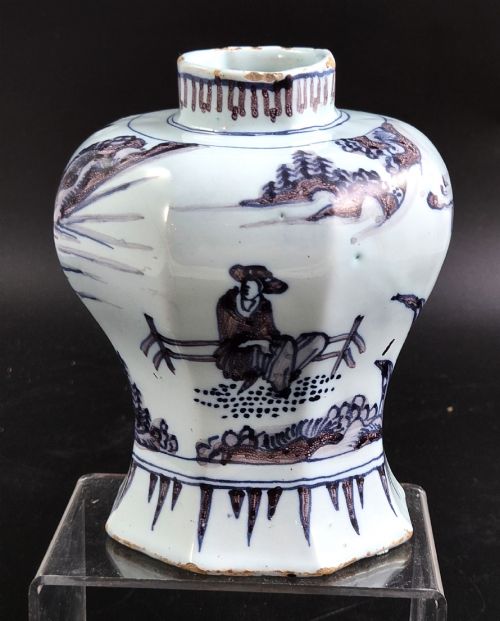
Quality rests in the crispness of the hand-painted brushwork and the purity of the white tin glaze against the cobalt or manganese pigments. Finer examples display confident pictorial scenes, such as Chinese scholar motifs or botanical sprays, executed with fluid control.
The proportion and weight of the ceramic body also distinguish pieces, with sturdier garden urns and large chargers requiring greater technical skill in forming and firing. Glaze coverage and consistency across octagonal baluster surfaces mark the distinction between standard vessels and superior works.
The Hand Painted Delft Glossary
- Tin glaze
- An opaque white ceramic glaze containing tin oxide that provides a smooth, pale background for painted decoration. It absorbs cobalt and manganese pigments during the firing process.
- Charger
- A large decorative ceramic plate intended for display on walls or sideboards rather than dining use. These pieces often feature elaborate painted scenes across their wide centres.
- Baluster vase
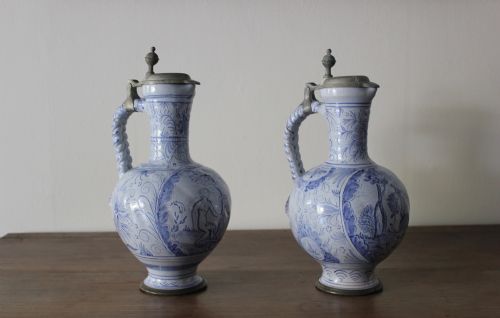
- A tall vessel characterised by a curved body swelling near the base and narrowing toward the neck. This form frequently appears in matched pairs with lidded covers.
- Puzzle jug
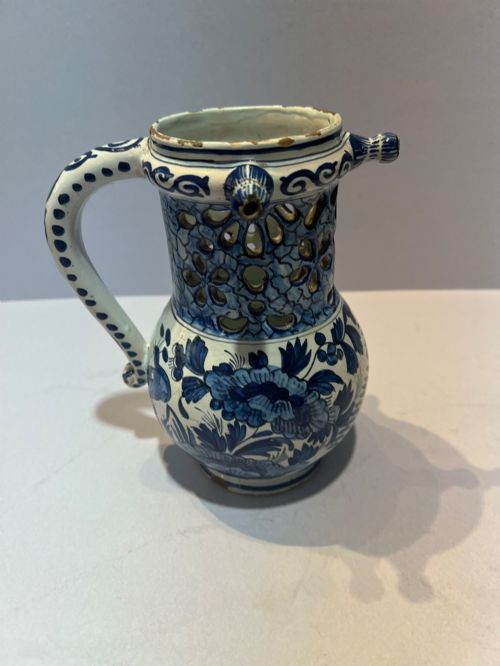
- A ceramic vessel with a perforated neck and multiple spouts designed to trick drinkers into spilling liquids. Users must cover hidden holes to draw liquid through the correct channel.
- Polychrome
- Decoration utilising multiple colours beyond traditional blue and white, often incorporating manganese, yellow, and green pigments. English and continental delftware workshops employed this palette for floral designs.
Hand Painted Delft: Frequently Asked Questions
What is hand painted delft?
Hand painted delft refers to tin-glazed earthenware ceramics decorated with cobalt, manganese, or polychrome pigments. Artisans applied these pigments directly onto an opaque white glaze.
Production spans multiple centuries, with Dutch and English workshops creating everything from decorative wall tiles to large charger plates and apothecary jars.
How were delft chargers used?
Delft chargers served primarily as decorative items for display on walls, dressers, or tables rather than as functional tableware. Their wide rims and painted centres showcased scenes of figures, flowers, or historical events.
Wealthy households used them to ornament principal rooms, while smaller plates saw everyday domestic use.
How do I clean my delft pottery?
Clean tin-glazed earthenware gently using a soft, dry cloth to remove dust. Avoid submerging antique pieces in water or using harsh chemical cleaners, as moisture can penetrate old ceramic bodies and fragile glazes.
Display items away from direct sunlight and areas prone to heavy temperature fluctuations to preserve the surface.
How do I tell periods apart?
Differentiating periods relies on observing changes in ceramic body thickness, glaze tone, and painting styles. Seventeenth-century pieces often feature distinct cobalt shades and specific potting techniques, while eighteenth-century items embrace broader floral and figural compositions.
Nineteenth-century revival pieces mimic earlier styles but reveal differences in the brightness of the tin glaze and pigment application.