



Hand Painted Chinese Bottle
A hand painted chinese bottle brings incredible detail and colour into the home through centuries-old ceramic traditions.
Hand Painted Chinese Bottle
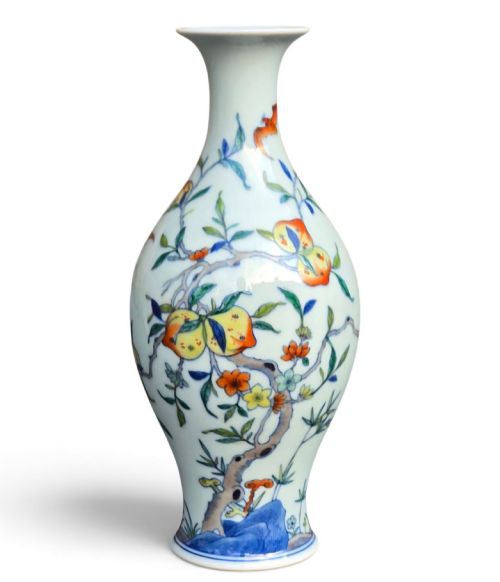
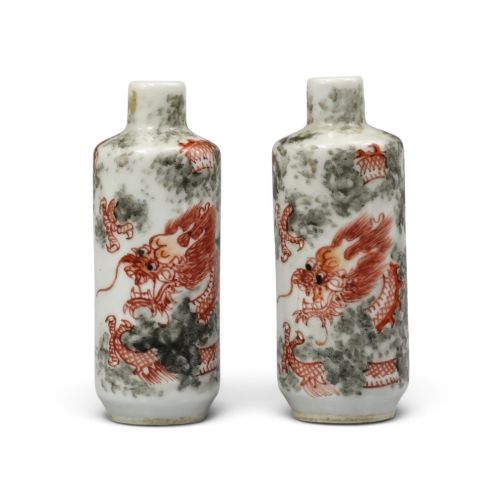
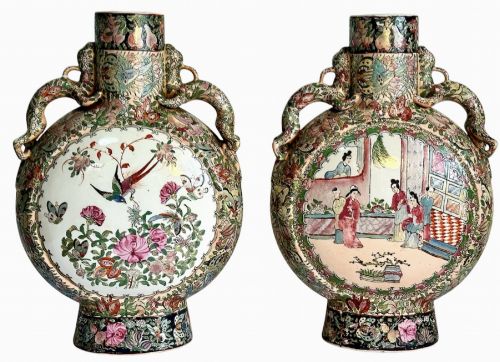
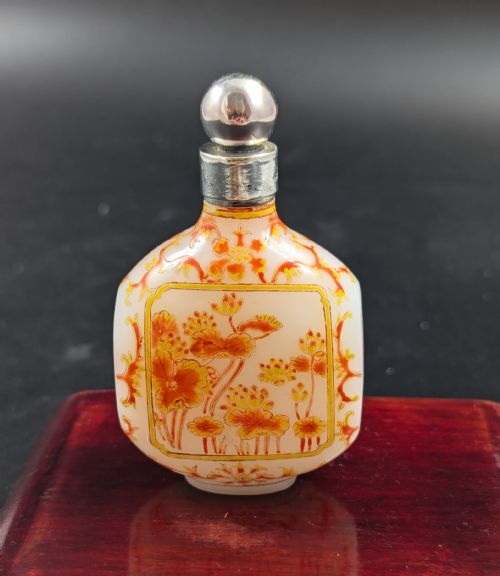
When searching for a hand painted chinese bottle, buyers encounter a fascinating variety of porcelain and glass vessels ranging from miniature snuff bottles to large decorative vases. These pieces showcase centuries of artistic skill, originating primarily from the 18th and 19th centuries during the Qing Dynasty.
The most common forms on this page are small snuff bottles and larger bottle vases, often decorated with figural scenes, dragons, or floral motifs. Pieces from periods such as the Guangxu reign and makers utilising traditional techniques represent the core of what is available.
Materials and Construction
These vessels rely on fine porcelain, enamel, and white glass as their primary foundations, shaped into bottles, flasks, and vases. Artisans applied cobalt glaze, iron-red pigments, and multicoloured enamels to achieve the detailed surface designs recorded in the listings.
Internal painting represents a particularly demanding technique where artists worked through the tiny neck of the bottle using bent brushes. Other pieces combine traditional blue and white cobalt oxide painting with moulded or glazed body forms.
Listings feature porcelain, enamel, and white glass as the dominant materials for these vessels.
Assessing Quality and Execution
The division between standard and superior pieces rests entirely on the precision and complexity of the hand painting. Fine examples display crisp outlines, controlled enamel application, and intricate figural details rather than rushed brushwork.
The presence of period marks, harmonious colour palettes, and well-balanced proportions further distinguish the finer pieces from simpler decorative items. Condition and the complexity of the narrative scenes also elevate the standing of an individual vessel.
The Hand Painted Chinese Bottle Glossary
- Famille Rose
- A palette of opaque enamels introduced in the Qing Dynasty, dominated by pink and rose colours. It allowed for remarkable tonal gradation in floral and figural painting.
- Guangxu Period
- A reign period lasting from 1875 to 1908 associated with notable revivals in imperial porcelain production. Pieces from this era often feature vibrant iron-red decorations.
- Snuff Bottle
- A small container designed to hold powdered tobacco used in Qing society. Their miniature scale encouraged exceptional detail from painters and carvers.
- Cobalt Glaze
- A blue pigment applied under the glaze before firing, capable of withstanding high temperatures. It creates the deep blue designs seen on traditional porcelain vases.
- Guyue Xuan
- A mark historically associated with imperial enamel wares produced for the court. It denotes high-status painted glass or porcelain.
Hand Painted Chinese Bottle: Frequently Asked Questions
How do I date a porcelain vase?
Dating relies on stylistic clues, reign marks, and the specific palette of enamels or glazes utilised on the body. Qing Dynasty pieces often exhibit distinct characteristics tied to emperors such as Kangxi or Guangxu.
Examining the base and the wear on the porcelain foot helps establish whether a piece belongs to the 18th or 19th century.
How should I display my snuff bottles?
Because of their small scale, snuff bottles benefit from dedicated shallow shelving or glass-fronted cabinets that protect them from dust and accidental knocks. Good lighting helps reveal the fine brushwork and internal painting.
Keeping them away from direct sunlight preserves the vibrancy of the enamels and iron-red pigments over time.
What does a blue and white mark mean?
Marks on the base of porcelain vessels often indicate the dynastic period or pay homage to an earlier emperor's reign. A Kangxi mark, for example, points to a style associated with that specific imperial era.
Such marks require careful evaluation alongside the quality of the cobalt glaze and the clay body to understand the true age of the piece.