




Antique Chinese Snuff Flask
These antique chinese snuff flask examples range from carved jade to painted porcelain, offering miniature artistry for the serious collector.
Antique Chinese Snuff Flask
An antique chinese snuff flask is a small container designed to hold powdered tobacco, reflecting centuries of intricate craftsmanship and courtly taste.
Buyers browsing this selection will frequently encounter pieces originating from the Qing Dynasty, particularly the eighteenth and nineteenth centuries.
The assortment includes diverse sculptural forms such as double bottles, figural subjects, and master-carved openwork designs.
How they were made
Artisans shaped hardstones like spinach-green jade, nephrite jade, and rock crystal through painstaking grinding and carving techniques.
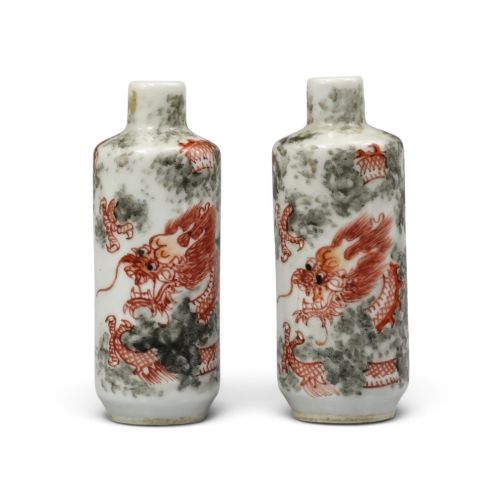
Ceramic vessels utilised delicate porcelain decorated with cobalt oxide, iron-red pigments, and famille rose enamel palettes.
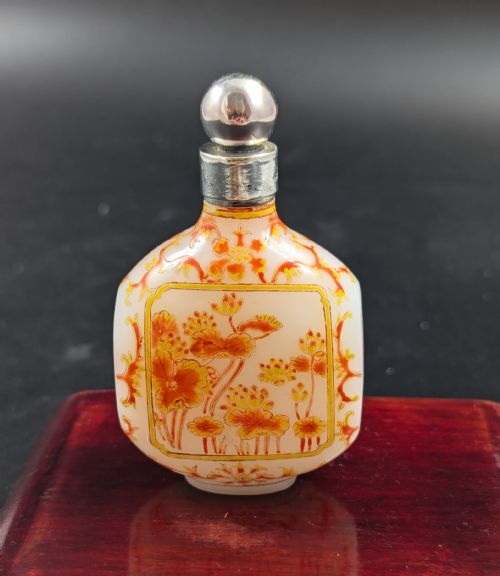
Glass examples incorporated delicate layering and inside-painting, requiring immense skill to execute miniature details through a narrow neck.
Some nineteenth-century makers concealed erotic scenes inside courtly bottles, ensuring private entertainment for the Qing Dynasty owner.
What varies in quality
The refinement of the carving dictates much of the distinction, where deep openwork and crisp details separate standard work from master-carved pieces.
Material selection plays a defining role, with flawless translucent rock crystal or rich spinach jade commanding greater artistic appreciation.
The precision of the painted decoration, whether delicate iron-red dragons or minute inside-painting, marks the difference between basic production and exceptional execution.
Cartier Paris
The Antique Chinese Snuff Flask Glossary
- Famille rose
- A palette of opaque enamels introduced in the eighteenth century, dominated by pink or rose colours derived from colloidal gold.
- Qing Dynasty
- The final imperial dynasty of China, spanning from sixteen forty-four to nineteen twelve, known for prolific and diverse decorative arts.
- Guangxu
- An emperor of the Qing Dynasty whose reign fell in the late nineteenth century, frequently associated with marked porcelain production.
- Inside-painting
- A technique where artists used bent brushes inserted through the tiny mouth of a glass or crystal bottle to paint the interior walls.
- Spinach jade
- A rich, dark green variety of nephrite jade often flecked with black inclusions, highly favoured for nineteenth-century carvings.
Antique Chinese Snuff Flask: Frequently Asked Questions
What were antique chinese snuff flasks used for?
These vessels originally held powdered tobacco, which was consumed as a stimulant during the Qing period by inhaling small pinches through the nose.
Over time, they evolved into status symbols and collector items rather than purely functional everyday objects.
How can I tell the period of a snuff bottle?
Dating relies on examining the material characteristics, stylistic execution, and any reign marks present on the base or body.
Nineteenth-century examples frequently display specific famille rose palettes or carved hardstone techniques distinct from earlier work.
Are these bottles made from genuine jade?
Many authentic pieces utilise nephrite or spinach jade, carved with considerable dexterity to exploit the natural tones of the stone.
Inspectors look for natural fibrous mineral structures and cool tactile properties rather than uniform synthetic composition.
How do I display a snuff flask collection?
Because of their diminutive scale, these flasks suit specialised cabinets or illuminated display shelves where their detailed carving can be appreciated up close.
Handling them requires care to protect delicate stoppers and fragile materials like glass or thin porcelain.