
Hand Painted Ceramic Table
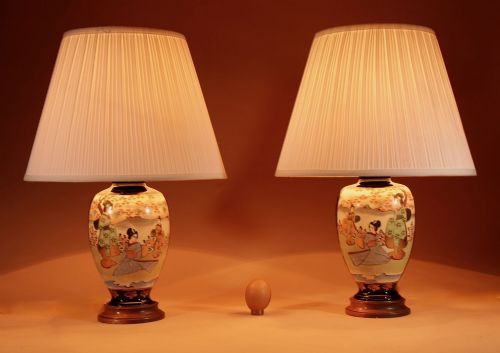
These hand painted ceramic table pieces bring together centuries of painted porcelain, earthenware and converted vessels wired for modern use.
Hand Painted Ceramic Table
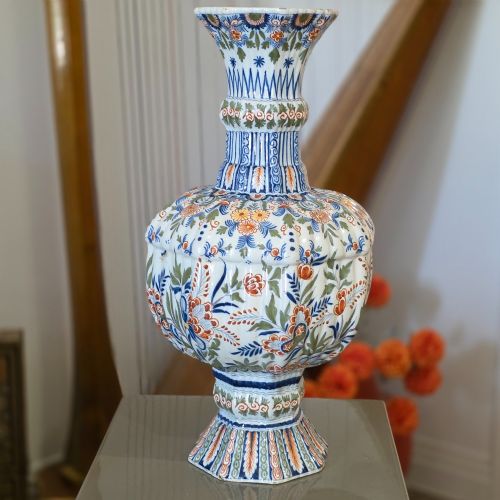
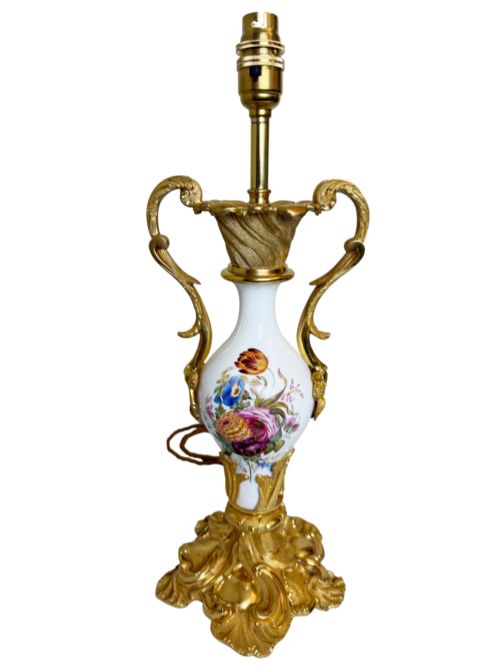
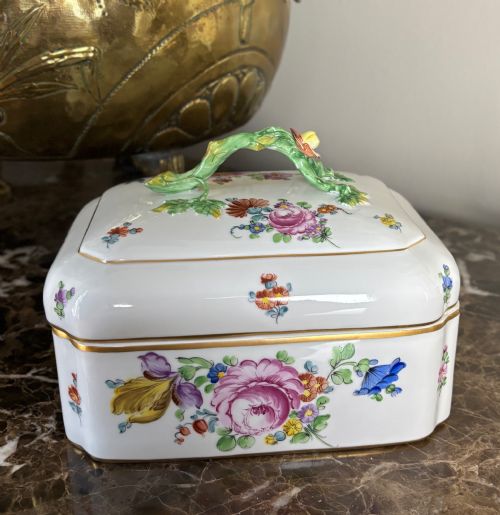
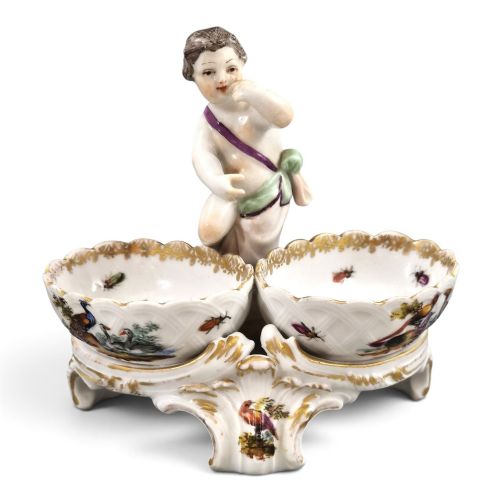
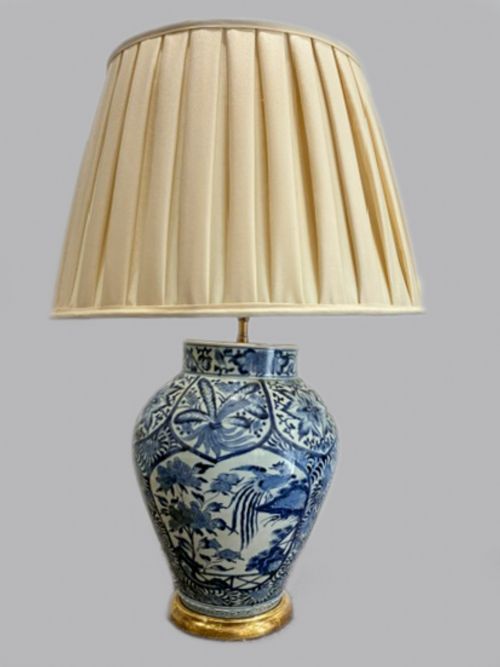
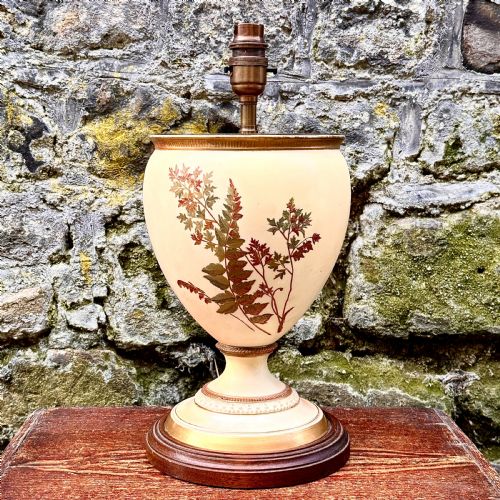
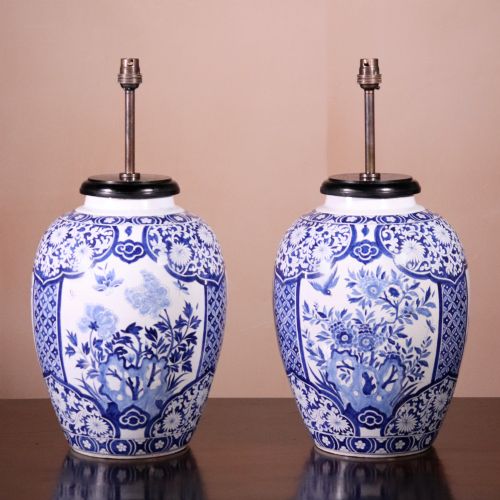
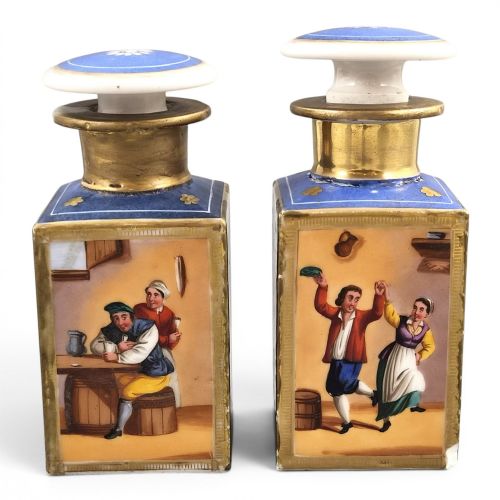
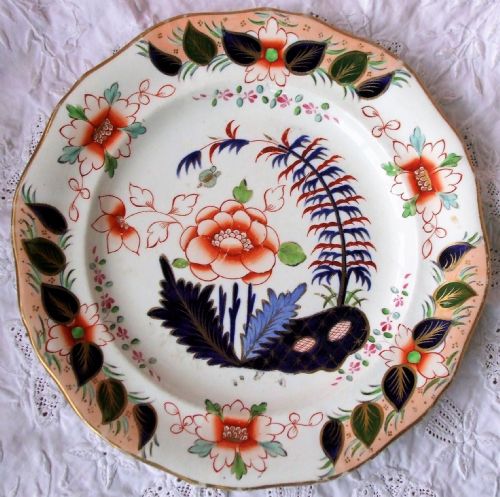
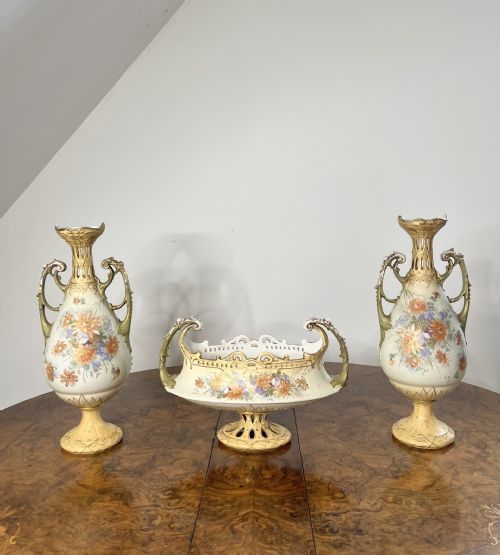
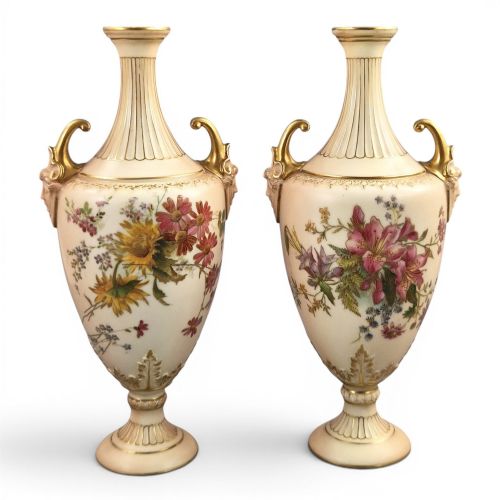
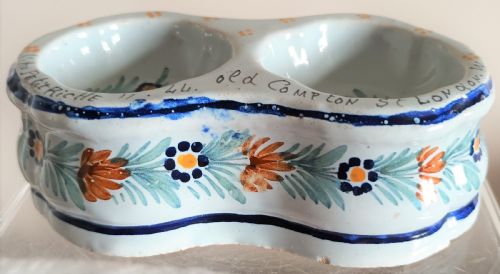
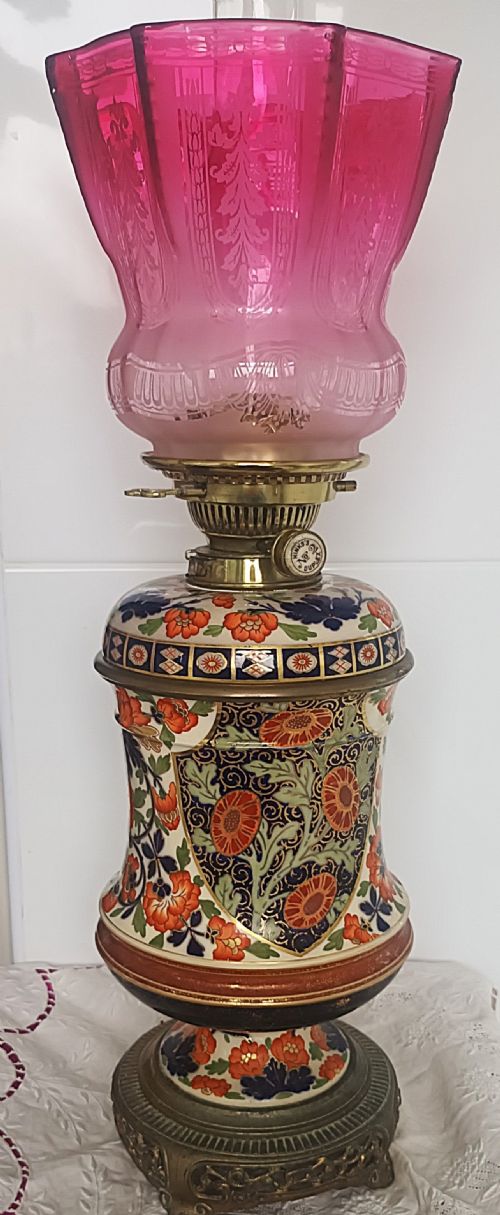
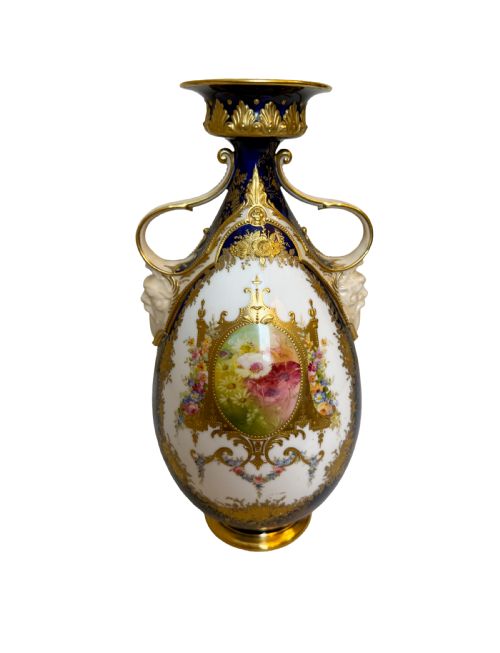
When searching for a hand painted ceramic table piece, buyers encounter a diverse selection ranging from converted 18th century vases and Dutch Delftware to Edwardian table lamps and Art Deco pottery. The items span various forms including centrepieces, decorative bowls, ewers and salt cellars alongside lighting.
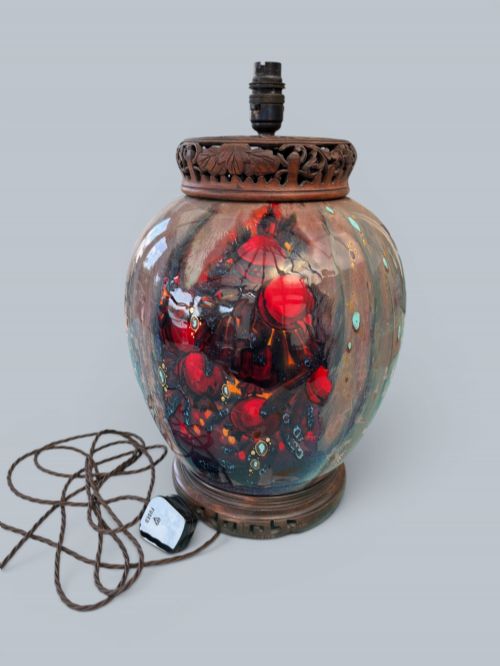
The objects frequently originate from English, German, French and Japanese kilns, with pieces dating from the 17th century through to the 1930s. Conversions are common, where older jars and vases take on a new purpose as fitted table lamps.
How they were made
Makers shaped porcelain, ironstone, faience and earthenware before applying manual brushwork in blue and white, polychrome glazes or gold leaf details. Many items received multiple firings to set delicate enamel colours and metallic highlights securely onto the ceramic body.
Mounts in gilt bronze, brass or silver plate often complement the ceramic forms, while later pieces incorporate electrical wiring for lamp conversions.
Several porcelain stags bravely wear floral bushes on their backs, proving that 18th century firing techniques excelled in botanical landscaping.
What varies in quality
The standard of hand painting dictates much of the visual appeal, separating precise botanical or figural scenes from simpler repeating patterns. Crispness in moulded details, such as bocage foliage or cherub figures, points to superior factory output.
Originality of components also matters, distinguishing unaltered ewers and centrepieces from antique vessels adapted later into lamps.
KPM Berlin·Royal Worcester·Royal Doulton·John Davenport of Longport·Moorcroft Art Pottery·Royal Vienna
The Hand Painted Ceramic Table Glossary
- Delftware
- Tin-glazed earthenware originating from the Netherlands and England, typically decorated in blue and white. It often mimics Chinese porcelain imports.
- Bocage
- Applied ceramic foliage and floral background work commonly found behind figures on 18th century porcelain. This sculptural element frames the central subject.
- Ironstone
- A type of durable heavy earthenware patented in the 19th century. It combines porcelain qualities with the strength of stoneware.
- Famille Verte
- A Chinese porcelain palette dominated by green enamel colours. It developed during the Qing dynasty and influenced later European styles.
Hand Painted Ceramic Table: Frequently Asked Questions
How do I wire a converted vase lamp?
Many older vases are drilled or fitted with brass hardware to accommodate lamp fittings safely. Professional rewiring ensures the internal components meet modern electrical standards without damaging the ceramic body.
Consulting a specialist helps preserve the original structure of antique bases while integrating them into contemporary rooms.
What is Dutch Delftware?
Dutch Delftware comprises tin-glazed earthenware produced in Holland, well known for its distinctive blue and white palette. These pieces often draw inspiration from imported East Asian ceramics.
They appear as plates, miniature furniture, vases and jars dating back several centuries.
How are porcelain marks identified?
Factories often stamped, painted or incised specific marks onto the base of their ceramics to indicate the maker and period. These symbols range from royal crowns and crossed swords to simple initials or pattern numbers.
Comparing these marks against established ceramic records clarifies the origin and approximate date of manufacture.
Can I use antique centrepieces for dining?
Large porcelain centrepieces and bowls serve as striking focal points on dining tables or sideboards. Their decorative glazes and painted scenes are best showcased when kept away from heavy daily use.
Careful placement prevents accidental chips to delicate handles, rims or applied floral details.