



Hand Painted Ceramic Stand
A hand painted ceramic stand brings colour and craft into a room, holding everything from porcelain bowls to garden seats.
Hand Painted Ceramic Stand
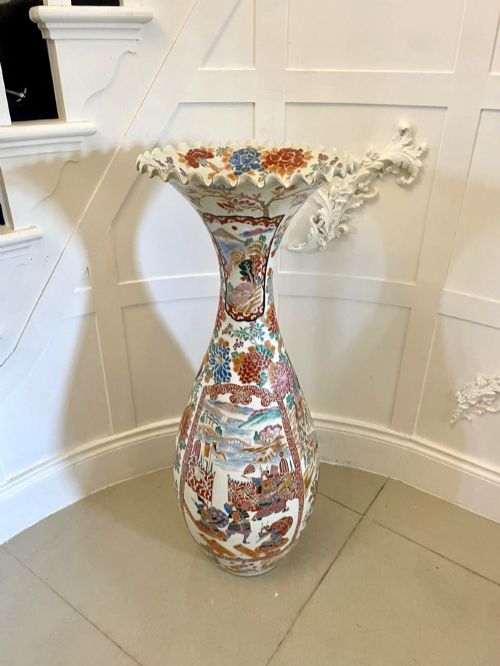
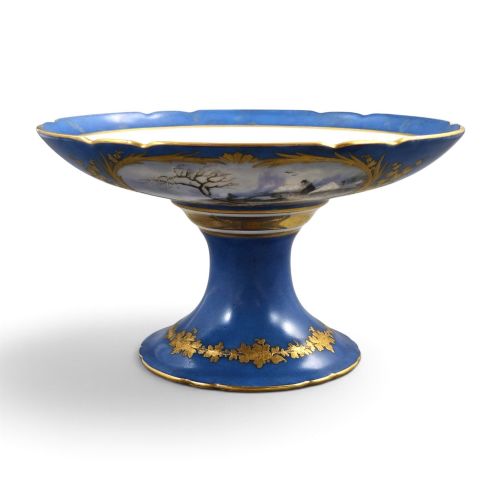
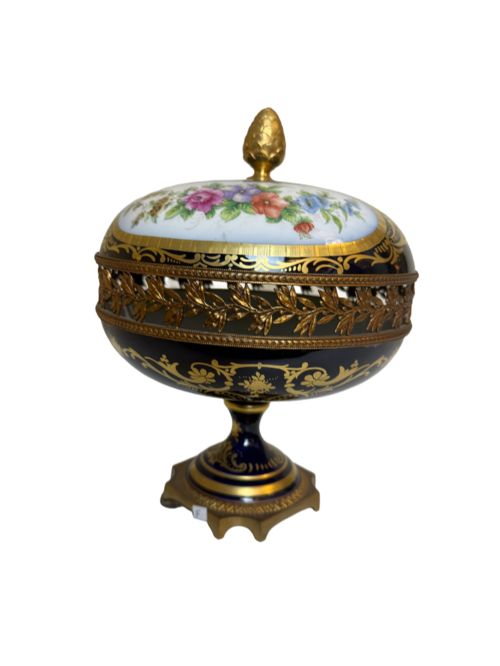
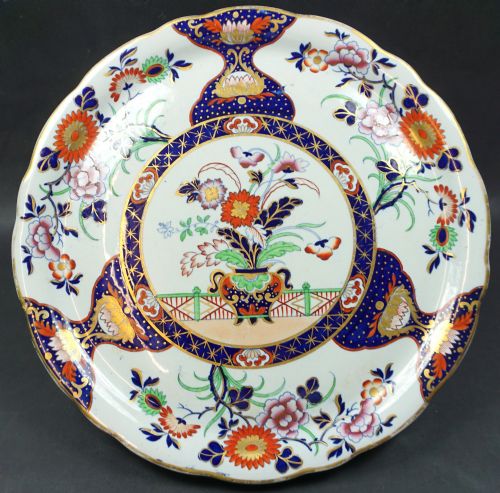
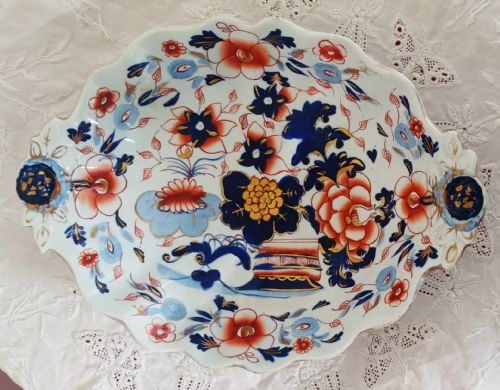
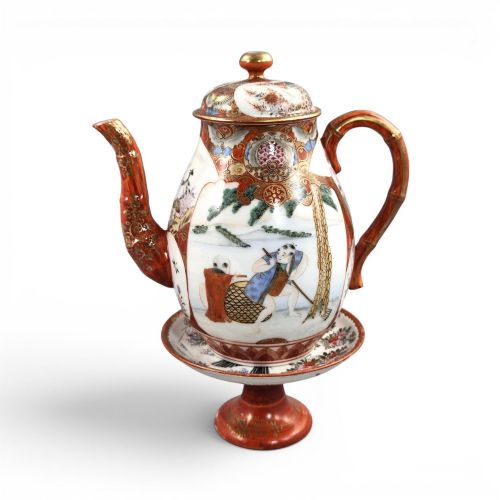
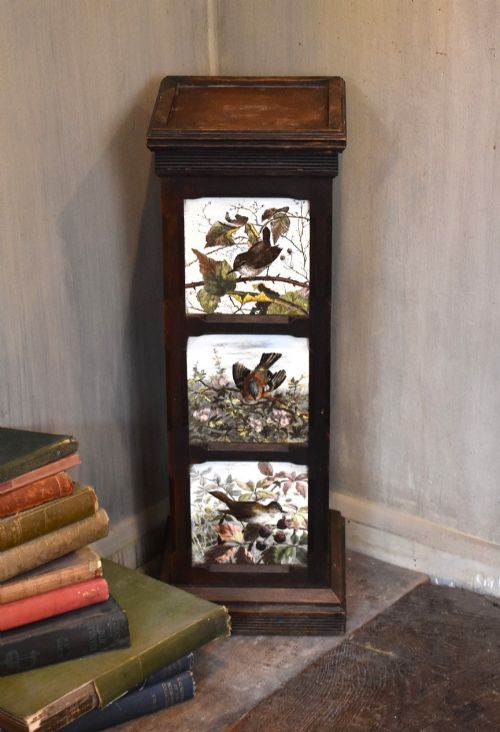
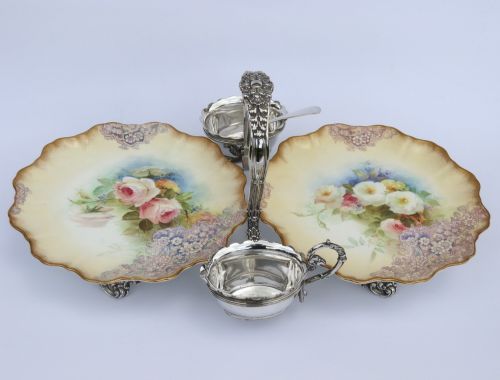
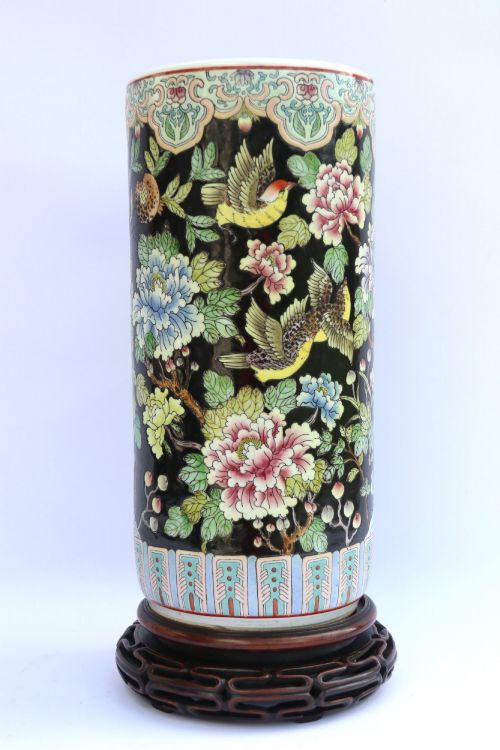
A hand painted ceramic stand covers a broad sweep of decorative and functional objects, including garden seats, umbrella stands, dessert comports, and separate bases made for vases and teapots. These pieces emerge from diverse origins, ranging from English factories like Coalport and Minton to Qing Dynasty Chinese kilns and Japanese Meiji period workshops.
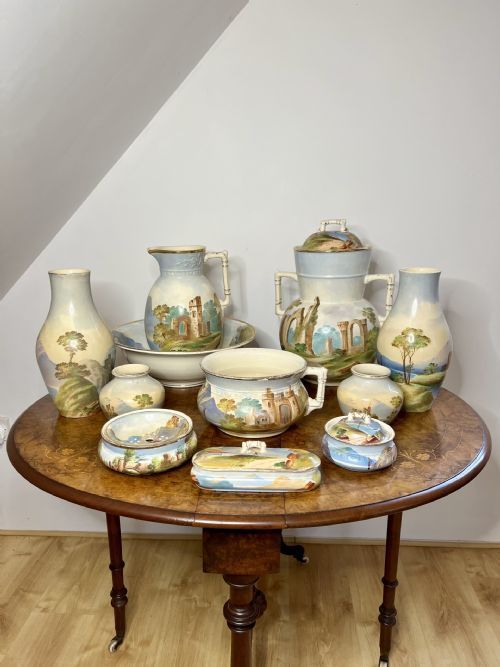
Buyers frequently encounter nineteenth century items, such as Chinese Canton porcelain garden seats and Staffordshire table wares, alongside European porcelain tureen stands and decorative comports. The selection bridges formal dining room accessories and substantial hall furniture.
The objects serve varied domestic functions, supporting heavier vessels, organising desks as inkstands, or standing alone as floor vases and pedestal bases.
Materials and Technique
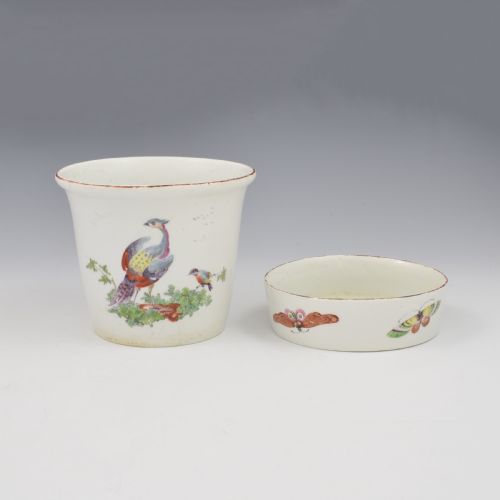
Potters and ceramists shaped these pieces using earthenware, ironstone, faience, and hard paste porcelain, applying rich glazes and enamel colours directly onto the clay body. Many items incorporate gilding, gold leaf, and intricate brushwork executed by hand before final firing.
Certain vessels rely on paired components, combining ceramic bowls or vases with fitted wooden supports such as mahogany or carved hardwood stands. Makers also utilised transfer printing augmented by hand colouring, alongside entirely freehand painted floral and figural motifs.
Listings feature porcelain, earthenware, and ironstone forms spanning the eighteenth, nineteenth, and early twentieth centuries.
Assessing the Pieces
Quality rests on the precision of the brushwork and the crispness of the ceramic moulding, distinguishing factory production from master painted studio output. The depth and brilliance of the enamel colours, together with the preservation of the gilding, indicate the original skill involved.
The structural integrity of both the ceramic body and any associated wooden or metal support determines the lasting worth of a piece. Finer examples retain their original matching stands and display well defined glaze surfaces without distracting firing flaws.
Coalport·Minton·Doulton Burslem·Hicks and Meigh·Chamberlain Worcester
The Hand Painted Ceramic Stand Glossary
- Comport
- A raised dish or bowl used for serving fruit or sweets at dessert. These pieces often feature matching stands and elaborate painted decoration.
- Ironstone
- A heavy, durable type of earthenware patented in the nineteenth century. It provided a robust alternative to porcelain for everyday table wares.
- Imari
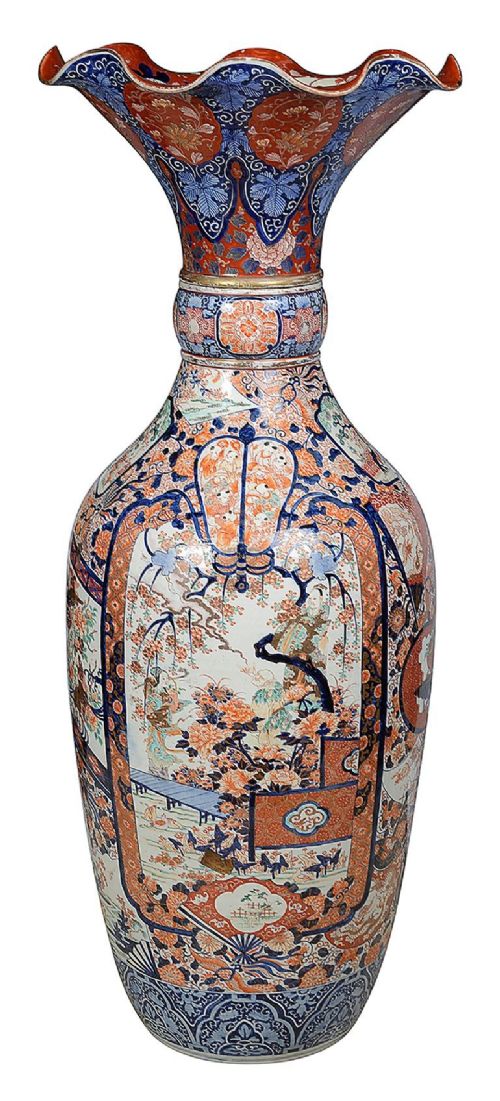
- A style of Japanese export porcelain characterised by underglaze blue and overglaze iron red and gold. The palette remains vibrant and distinct.
- Faience
- Tin glazed earthenware produced widely in continental Europe. The opaque white glaze serves as a ground for painted ornamentation.
- Tazza
- A small decorative cup or shallow bowl set on a pedestal foot. It functions primarily as a display piece or serving vessel.
Hand Painted Ceramic Stand: Frequently Asked Questions
What is a ceramic stand used for?
These pieces function as independent display bases for vases and bowls, or as serving comports for desserts. They support heavier vessels while elevating them visually on a table or floor.
Larger versions act as umbrella stands or garden seats in hallways and verandas. Their sturdy construction accommodates practical everyday use alongside ornamental display.
How do I date a ceramic stand?
Dating relies on identifying factory marks, regional styles, and the specific composition of the ceramic body. Ironstone and certain transfer printed techniques point toward the nineteenth century.
Stylistic cues like Aesthetic movement geometry or Qing Dynasty motifs provide narrower chronological windows. Comparing glaze characteristics with documented factory pieces confirms the era of production.
Are wooden stands original to the ceramic?
Many Asian porcelain pieces and European comports were designed with bespoke wooden or metal supports. Mahogany and carved hardwood stands often accompany Chinese export vessels from the nineteenth century.
Fit and wear patterns indicate whether a stand was made for the specific vessel. A snug fit and matching age patina suggest the combination is original.
How do I care for hand painted ceramics?
Hand painted surfaces and delicate gilding require gentle dusting with a soft dry cloth. Avoid submerging antique ceramics in water, particularly pieces with overglaze enamels or added metal leaf.
Keep pieces away from direct sunlight to preserve the vibrancy of the hand painted pigments. Stable room temperatures protect the ceramic body from thermal shock.