


Hand Painted Ceramic Ornament
A hand painted ceramic ornament brings sculptural character and rich colour to a room, drawing on centuries of global pottery traditions.
Hand Painted Ceramic Ornament
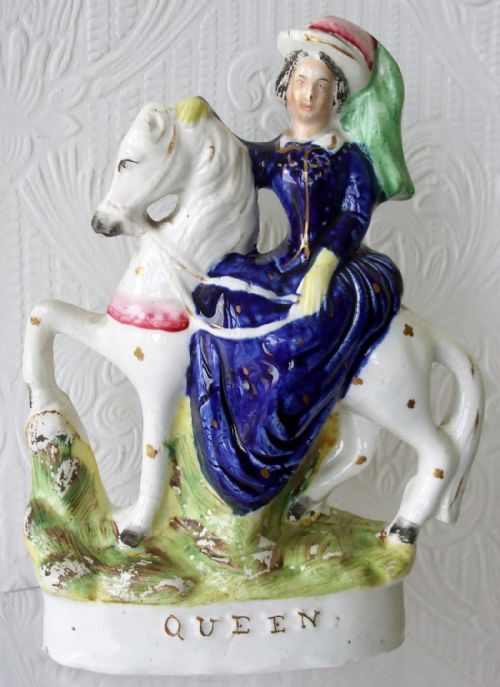
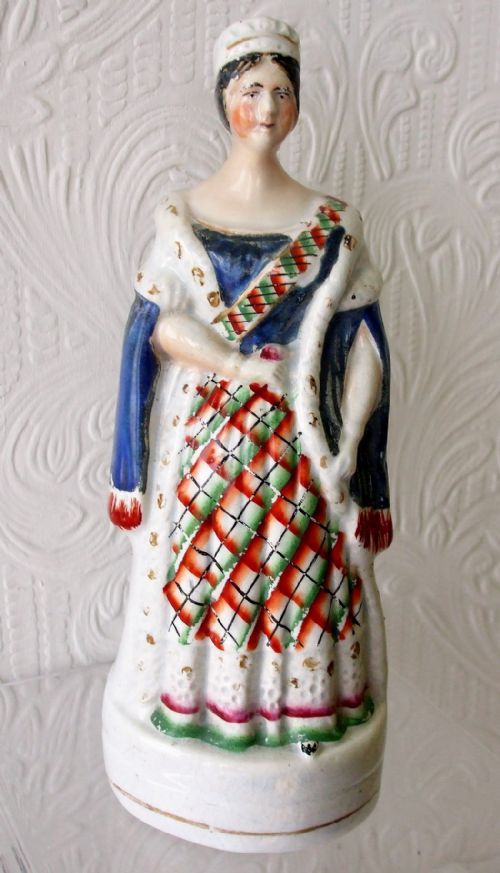
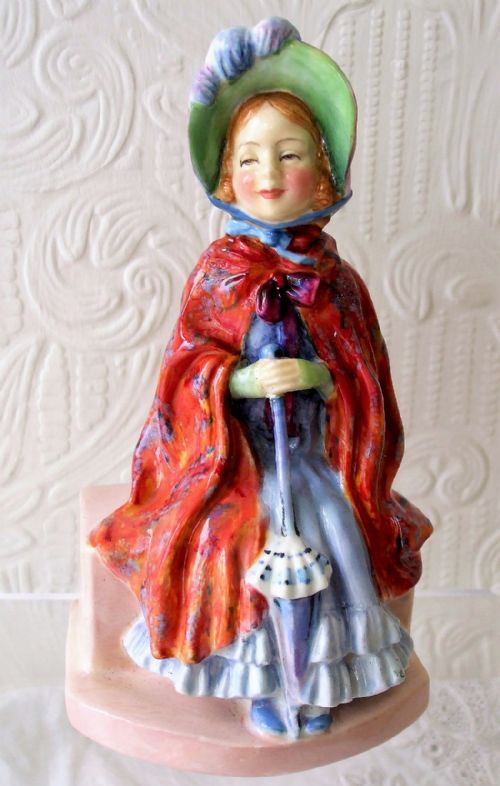
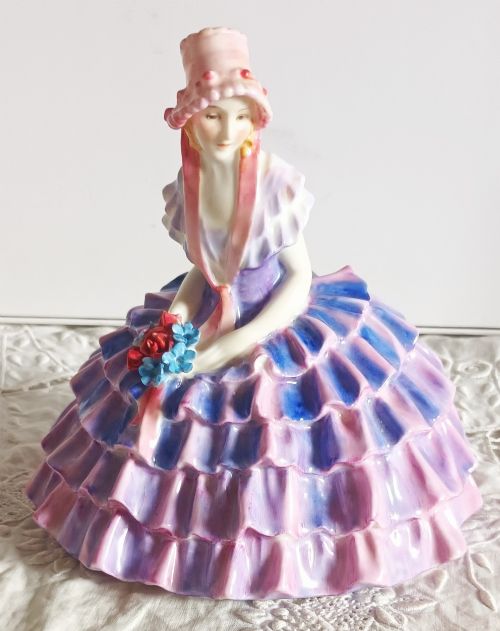
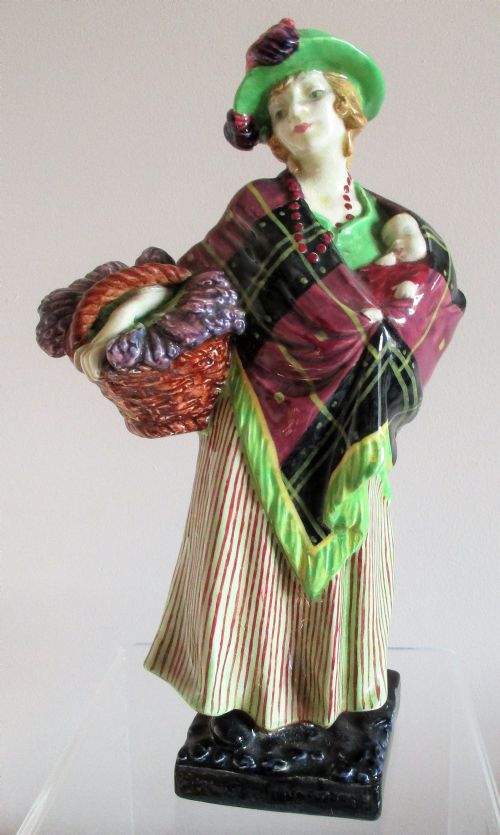
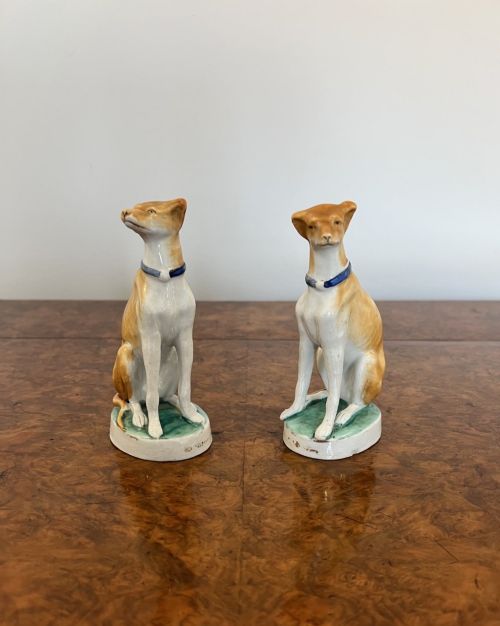
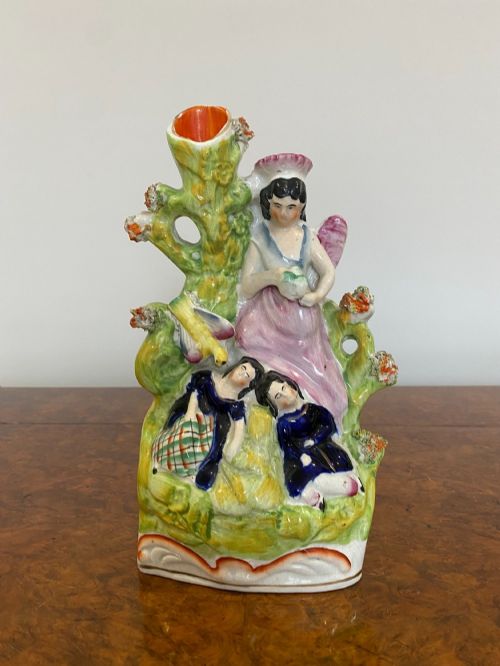
When searching for a hand painted ceramic ornament, collectors encounter an eclectic mix of figures, animals, portrait subjects, and spill vases. The most common examples span the nineteenth and twentieth centuries, originating from English potteries, European factories, and Asian kilns.
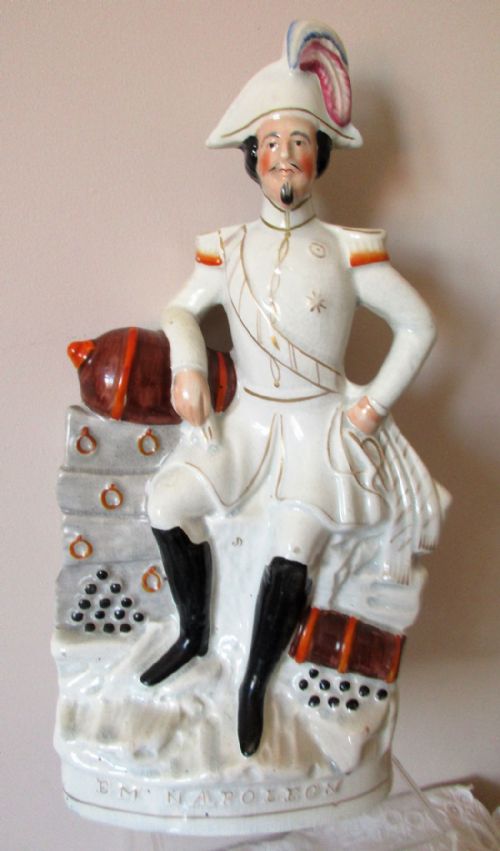
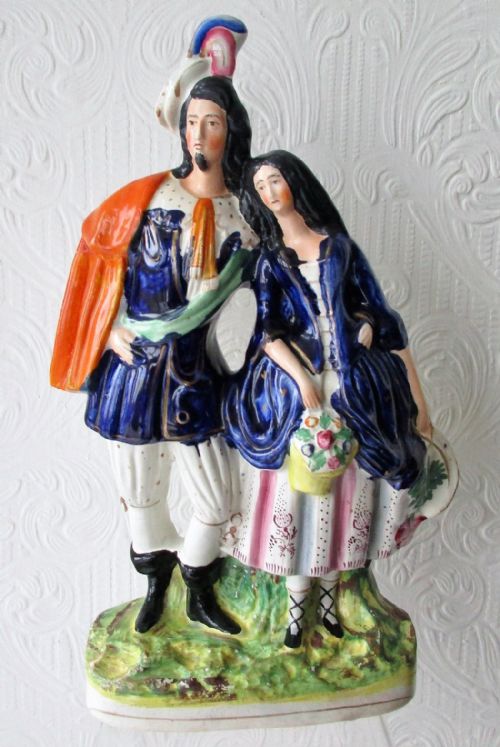
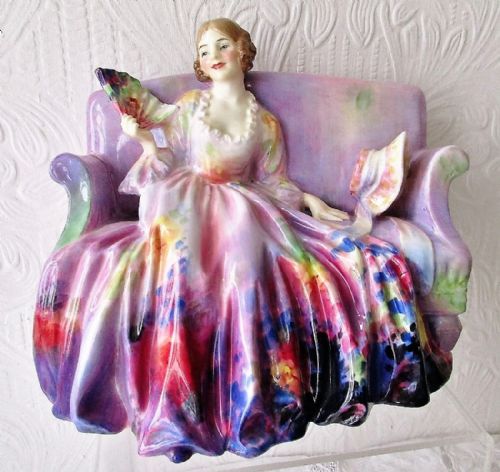
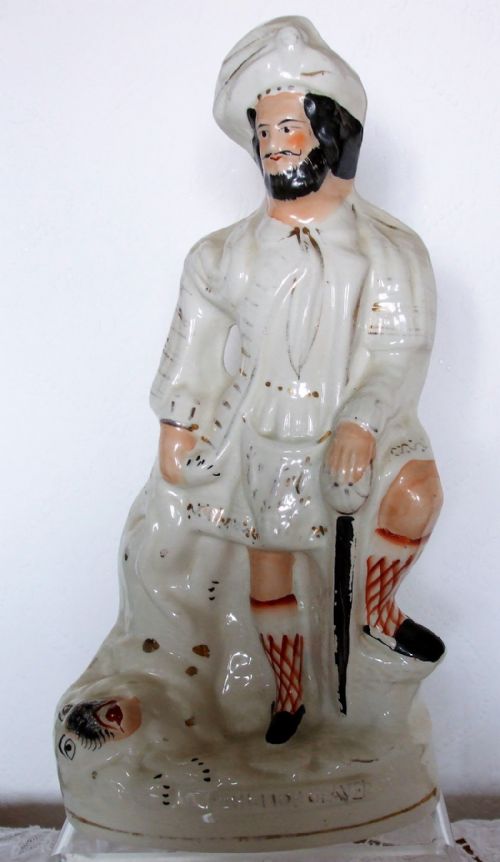
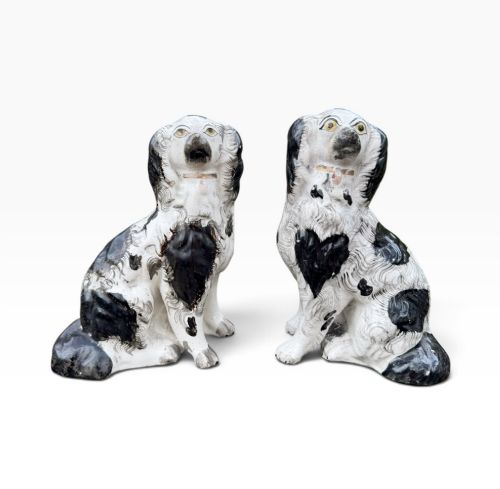
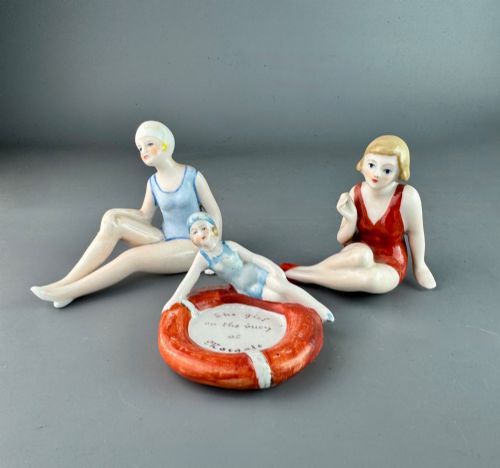
Victorian Staffordshire figures, Royal Doulton ladies, and Japanese Imari vases dominate the selections available. These works range from flat-back earthenware portrait pieces to delicate porcelain animals and bathing beauty figurines.
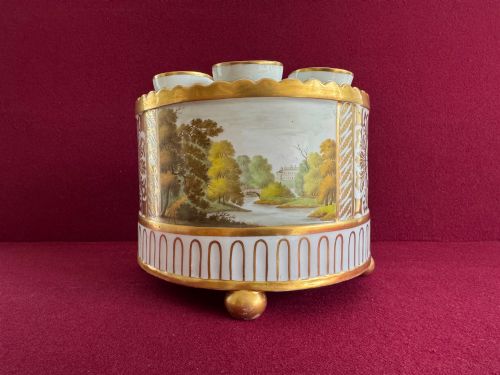
Earlier periods are represented by eighteenth-century Meissen figures and Georgian bough pots. Later pieces extend into Art Deco porcelain designs and studio pottery figures from the early twentieth century.
Materials and methods
Potters shaped these items from earthenware, bone china, and porcelain, applying glazes to seal the porous clay bodies. Bisque porcelain provided an unglazed, matte surface favoured for detailed figural work.
Craftsmen painted details by hand using enamel pigments, often adding gold leaf highlights to enhance borders and garments. Firing fixed these colours onto the ceramic surface, securing the pigment beneath transparent or opaque glazes.
Hand Painted Ceramic Ornament Retail Price Guide 2026
Typical asking prices for hand painted ceramic ornament among the pieces listed under this phrase on Sellingantiques today, from the lower quarter to the upper quarter. They describe what is for sale here now, not the wider market.
Listings feature porcelain, earthenware, and bisque pieces spanning the eighteenth century through to the 1940s, originating from English, European, and Asian workshops.
Determinants of quality
The precision of the brushwork distinguishes superior examples from standard production pieces, particularly in facial expressions and floral patterns. Hand-painted precision requires steady skill from the decorator.
Mould clarity also dictates the standard of a piece, as sharper relief preserves fine details in hair, drapery, and architectural elements. Earlier castings generally retain crisper definition than later copies.
Royal Doulton·Meissen·Charles Vyse·John Bevington·Volkstedt Rudolstadt Factory·Spode·Nymphenburg
The Hand Painted Ceramic Ornament Glossary
- Bisque
- Unglored porcelain fired once to produce a porous, matte texture resembling marble. This finish was widely utilised for nineteenth-century decorative figures.
- Earthenware
- Porous pottery fired at lower temperatures, requiring an opaque glaze to hold liquid and colour. Staffordshire potters relied heavily on this material.
- Spill vase
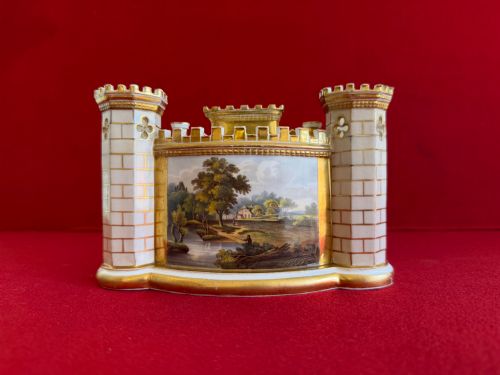
- A hollow cylindrical container designed to hold wooden splints used for lighting candles or fires. These vessels frequently took the form of castles or tree trunks.
- Enamel
- Glassy coloured pigment applied over fired glaze and fixed with a secondary low-temperature kiln heat. It provides bright surface hues on ceramic ornaments.
- Flat-back
- A figural pottery style moulded with a finished front and an unglazed, flat reverse intended to sit against a wall. Staffordshire makers produced these extensively.
Hand Painted Ceramic Ornament: Frequently Asked Questions
How do I clean ceramic ornaments?
Dust these pieces gently with a soft, dry brush to prevent dirt accumulation in crevices and painted details. Avoid submerging older ceramics in water, as moisture can penetrate hairline cracks in the glaze.
Harsh chemical cleaners strip away delicate enamel colours and gold leaf highlights. Use only a damp cloth for stubborn marks, ensuring the surface dries completely afterward.
Where should I display figurines?
Place ceramic figures on sturdy shelves or inside enclosed cabinets away from direct sunlight. Sunlight fades hand-painted enamel colours over prolonged periods.
Keep pieces away from high-traffic edges where accidental knocks might cause damage. Stable wooden furniture provides a safe, traditional setting for display.
Are Staffordshire dogs rare?
Staffordshire pottery spaniels were produced in large quantities during the Victorian era for mantelpiece display. While common, pairing integrity and original paint condition vary significantly among surviving examples.
Look for consistent crazing and hand-painted facial markings to identify period production. Genuine pairs display mirrored postures designed for opposite ends of a mantel.
How do I identify porcelain periods?
Examine the base for factory marks, impressed numbers, and painter initials to help narrow down the production era. Unmarked pieces require careful comparison of style, glaze texture, and moulding techniques against known dated examples.
Nineteenth-century figures often feature bolder colours and heavier earthenware bodies, whereas eighteenth-century porcelain tends toward lighter, translucent pastes with intricate hand-gilding.