



Hand Painted Ceramic Basket
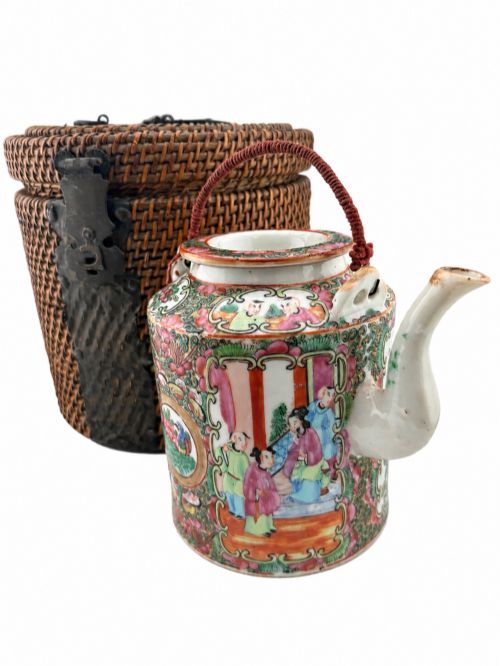
A hand painted ceramic basket brings the charm of floral motifs and delicate porcelain craftsmanship directly into your interior.
Hand Painted Ceramic Basket
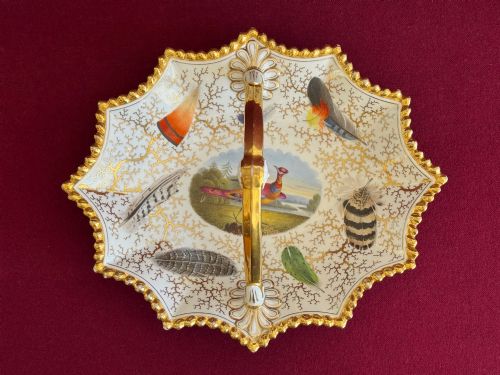
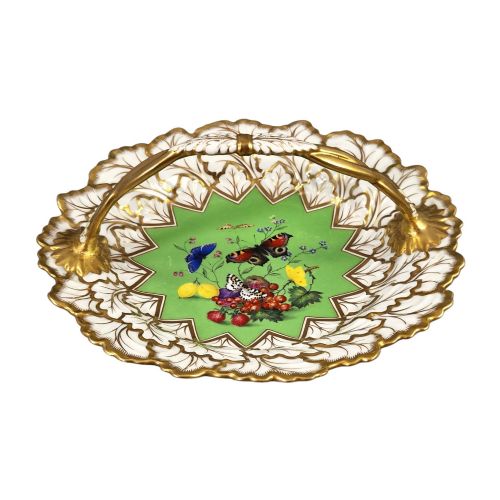
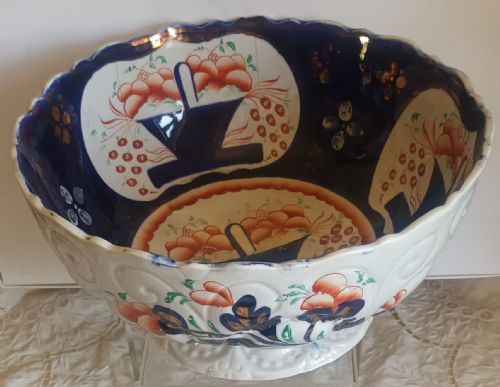
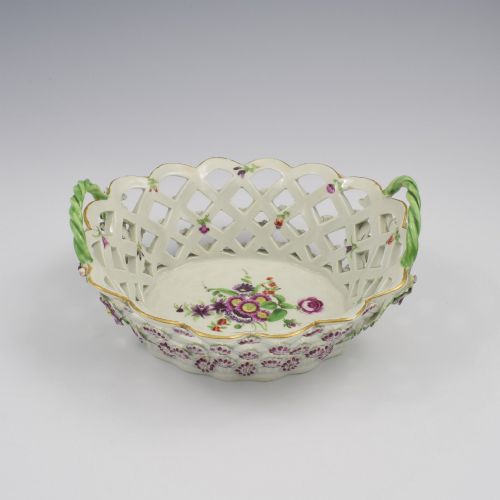
When you search for a hand painted ceramic basket, you encounter a variety of decorative vessels shaped like woven containers, often adorned with painted flowers, landscapes, and gilt accents. The pieces available span several eras, including the eighteenth century, the Regency period, and the nineteenth century.
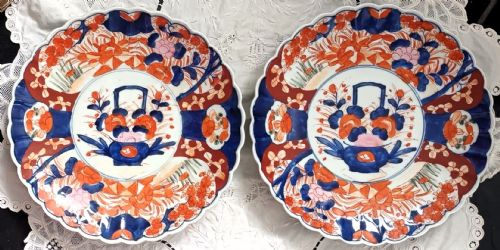
You are most likely to meet English porcelain and earthenware examples on this page, alongside Continental porcelain and Japanese Imari wares. These items range from footed bowls and dessert baskets to figural groups featuring women holding baskets.
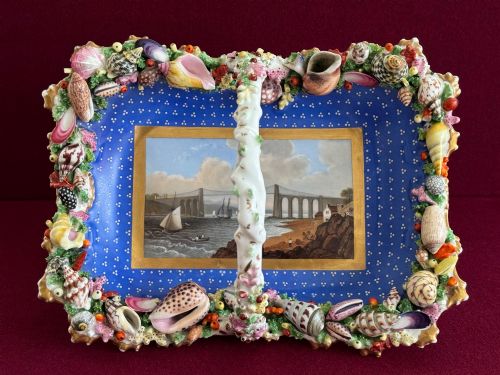
Makers such as Worcester, Rockingham, and Meissen dominate the historical selection, bringing distinct regional styles and painting techniques to each piece. Collectors appreciate the intricate details, such as applied porcelain flowers and hand-brushed landscape views.
How they were made
Makers utilised soft-paste porcelain, earthenware, and ironstone as the primary ceramic bodies for these vessels, shaping them by hand or moulding them into basketry forms. Artisans then applied colourful enamel paints by hand, often incorporating gold leaf and gilding to highlight handles, rims, and woven textures.
Kiln firing fixed the underglaze and overglaze pigments, while specialised techniques such as flower encrusting required individual petals and leaves to be modelled separately and attached before firing. Copper lustre and intricate enamel work added further depth to the finished decorative surfaces.
Hand Painted Ceramic Basket Retail Price Guide 2026
Typical asking prices for hand painted ceramic basket among the pieces listed under this phrase on Sellingantiques today, from the lower quarter to the upper quarter. They describe what is for sale here now, not the wider market.
Listings feature porcelain, earthenware, and ironstone vessels spanning the eighteenth, nineteenth, and early twentieth centuries.
What varies in quality
The refinement of the hand painting separates the finest examples from standard production pieces, with delicate brushwork on named landscape views or floral patterns indicating superior skill. The intricacy of applied elements, such as modelled flowers and pierced basket weave, also determines the quality of the vessel.
The reputation of the factory influences the standing of a piece, with works from established English and European manufactories showing greater precision in paste preparation and gilding execution. Preservation of the original enamel colours and gold leaf over centuries remains a key measure of an item's surviving condition.
The Hand Painted Ceramic Basket Glossary
- Soft-Paste Porcelain
- An early ceramic composition fired at lower temperatures than hard-paste porcelain, producing a slightly warmer texture and distinct glaze pooling. It was widely used by eighteenth-century English factories.
- Enamel
- Opaque glass-like pigments applied over the fired glaze and fixed in a muffle kiln. These vibrant colours allow for detailed hand painting on ceramic surfaces.
- Gilding
- The application of gold leaf or powdered gold to ceramic surfaces to accent handles, rims, and decorative borders. It is often hand-burnished to achieve a bright finish.
- Creamware
- A refined earthenware developed in England during the eighteenth century, featuring a pale yellow or cream-coloured lead glaze. It became popular for accessible domestic tableware and dessert services.
- Imari
- A style of Japanese export porcelain characterised by a palette of underglaze blue, iron red, and added gold. European factories frequently copied these distinct patterns.
Hand Painted Ceramic Basket: Frequently Asked Questions
What is a ceramic basket used for?
These decorative vessels historically served as centrepieces or dessert baskets for grand dining tables, holding fruit, sweetmeats, or floral arrangements.
Today, collectors display them as cabinet pieces or use them on side tables to hold small decorative items.
How do I identify Regency porcelain baskets?
Regency pieces often feature crisp white porcelain bodies with detailed hand-painted views, botanical studies, or gilt scrollwork handles.
Maker marks on the base, or characteristic paste and gilding styles associated with factories like Worcester, help confirm the period.
What does flower encrusted mean?
Flower encrusted refers to three-dimensional ceramic flowers and leaves individually modelled by hand and applied to the exterior of the basket.
This labour-intensive technique was popular on nineteenth-century porcelain from factories such as Rockingham and Meissen.
Are Japanese Imari dishes considered ceramics?
Japanese Imari pieces are hard-paste porcelain fired at high temperatures and decorated with rich underglaze blue and iron red enamels.
They frequently appear alongside European ceramics in collections due to their historical popularity in Western trade.
How should I clean antique porcelain?
Dust antique ceramic baskets gently with a soft, dry brush to prevent accumulation in recessed woven areas and applied flowers.
Avoid immersing pieces with delicate applied flowers or fragile gilding in water, as moisture can damage historical adhesives or old repairs.