
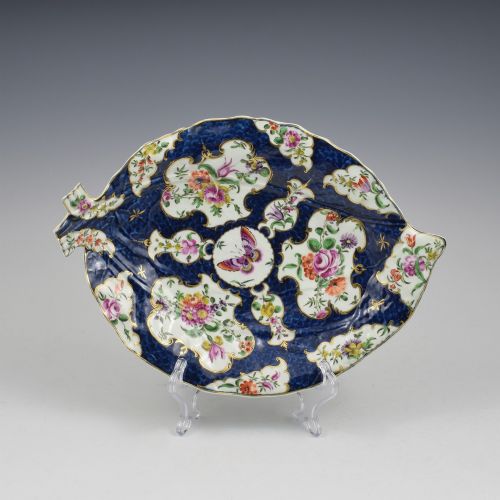


Hand Painted Butterfly Porcelain
Hand painted butterfly porcelain brings delicate naturalism to domestic interiors through enamelled insects and fine ceramic bodies.
Hand Painted Butterfly Porcelain
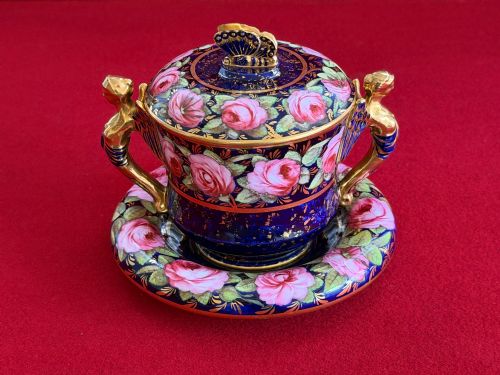
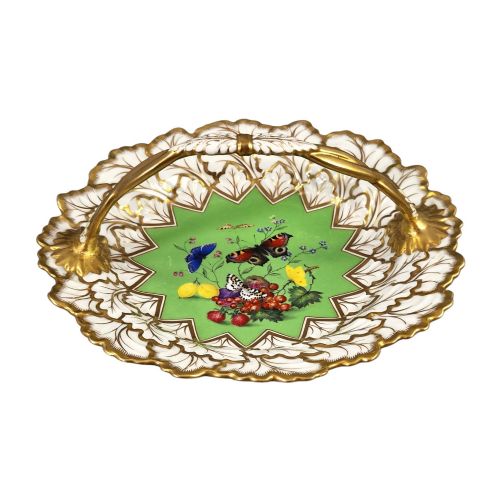
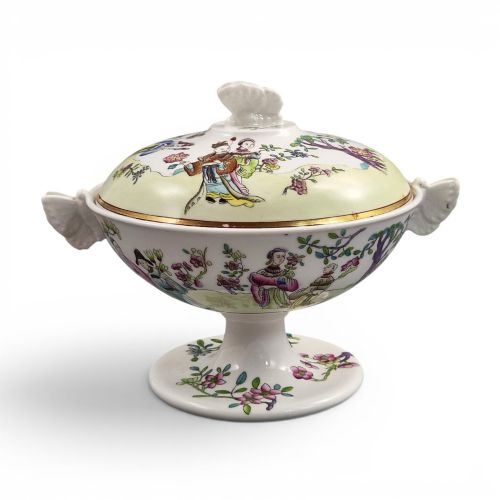
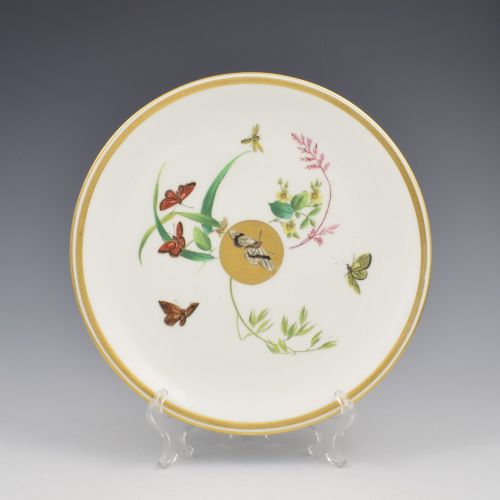
Hand painted butterfly porcelain comprises tablewares, display vessels and decorative dishes decorated with hand-painted butterfly motifs. These pieces range from eighteenth-century English soft-paste porcelain to nineteenth-century bone china and continental wares, each surface hand-decorated with enamels and gilding. Buyers seek these items for their intricate depictions of insects set against floral sprays, scale blue grounds or plain white fields.
The versions most commonly met on this page span the Georgian, Regency and Victorian periods, alongside Chinese export wares from the nineteenth century. Forms include cabinet plates, dessert dishes, lidded pails, chocolate cups and pedestal bowls, often incorporating moulded butterfly handles or shaped rims. English factories such as Worcester and Spode dominate the domestic offerings, while French and Chinese ateliers provide alternative stylistic interpretations of the insect motif.
How they were made
Makers utilised hard-paste and soft-paste porcelain bodies, shaping them into plates, bowls and specialised vessels through throwing, moulding or casting. Artisans applied underglaze blue painting or overglaze enamels by hand, fusing the pigments to the ceramic surface in a kiln. Gilding with gold leaf or liquid gold was added as a final layer to highlight rims, handles and secondary decorative details.
Specialist painters executed the butterfly motifs using fine hair brushes, building up colours with layered enamels to achieve naturalistic shading. Wares from factories like Flight, Barr & Barr and Spode involved multiple firings to fix the cobalt blues, polychrome enamels and burnished gilding securely onto the porcelain body.
Listings feature porcelain pieces spanning the eighteenth, nineteenth and twentieth centuries, incorporating soft-paste, felspar and eggshell bodies.
What varies in quality
The standard of painting on the butterfly motifs defines the primary distinction across these pieces. Fine examples display precise brushwork with delicate wing venation and subtle tonal gradations in the enamel, whereas lesser items rely on stiffer, generalized application. The execution of surrounding elements, such as gilt sunbursts, scale blue grounds or moulded handles, likewise reflects the skill of the original decorators.
The refinement of the porcelain body itself distinguishes the output of leading factories from standard production. Thin-walled eggshell porcelains and well-proportioned felspar bodies demonstrate superior material handling compared to heavier, coarser ceramic mixes. The preservation of the original overglaze enamels and the brightness of the gilding also determine the overall standing of an individual piece.
Spode·Flight Barr And Barr·Dr Wall Worcester·Minton
The Hand Painted Butterfly Porcelain Glossary
- Soft-paste porcelain
- An early ceramic composition of glass frit and white clay fired at lower temperatures than true porcelain. This body absorbs moisture differently and often shows a warm, slightly creamy tone under the glaze.
- Felspar porcelain
- A refined ceramic body introduced in the nineteenth century using ground felspar as a flux. It produced a dense, durable white surface capable of holding fine enamel work and crisp moulding.
- Scale blue
- An underglaze blue fish-scale pattern developed at eighteenth-century factories like Worcester. Artisans applied it as a decorative ground panel to frame reserve spaces painted with butterflies or flowers.
- Famille rose
- A palette of opaque pink and red enamel colours introduced to Chinese ceramics in the eighteenth century. The pigments allowed artists to render naturalistic butterfly wings and botanical details with soft shading.
- Gilding
- The application of gold leaf or gold powder to ceramic surfaces to accent rims and handles. Artisans burnished the dried gold with agate tools to achieve a bright, reflective finish against the enamel colours.
Hand Painted Butterfly Porcelain: Frequently Asked Questions
How do I identify a Worcester butterfly piece?
Worcester pieces often feature characteristic paste bodies, distinctive scale blue grounds and finely pencilled enamel insects. Factory marks, where present, help confirm the period of production.
Examination of the footring and glaze pooling provides further clues to eighteenth-century and Regency manufacturing methods.
What is Chinese famille rose porcelain?
Famille rose porcelain utilises an opaque pink enamel derived from colloidal gold, introduced during the Qing Dynasty. This palette allowed artists to paint detailed butterflies and floral arrangements with nuanced colour gradients.
Such wares were exported in quantity to Western markets throughout the nineteenth century.
How should I clean my porcelain?
Hand wash porcelain items gently in warm water using a mild, non-abrasive detergent. Avoid soaking pieces with vulnerable overglaze enamels or delicate gold leaf.
Dry each item immediately with a soft, lint-free cloth to protect the historic decorative surfaces.
Are butterfly handles common on bowls?
Butterfly handles appear selectively on Regency and Georgian service pieces, serving both a functional and decorative purpose. They are typically moulded directly into the porcelain body before firing.
Such sculptural elements indicate higher manufacturing ambition in the original workshop.