


Hand Painted Bottle
When you handle a hand painted bottle, you hold centuries of applied pigment, from tin-glazed earthenware to delicate glass.
Hand Painted Bottle
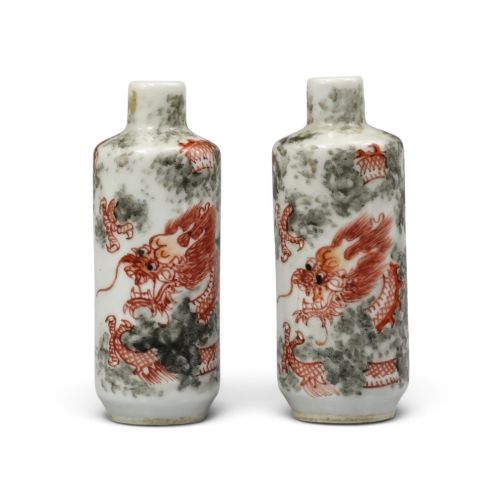
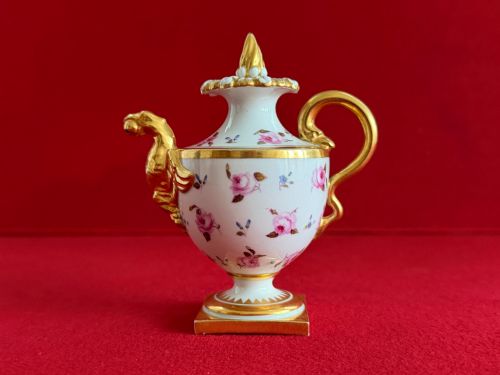
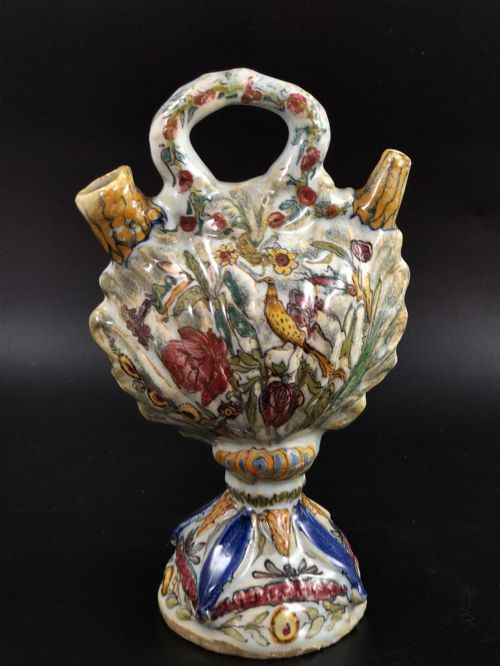
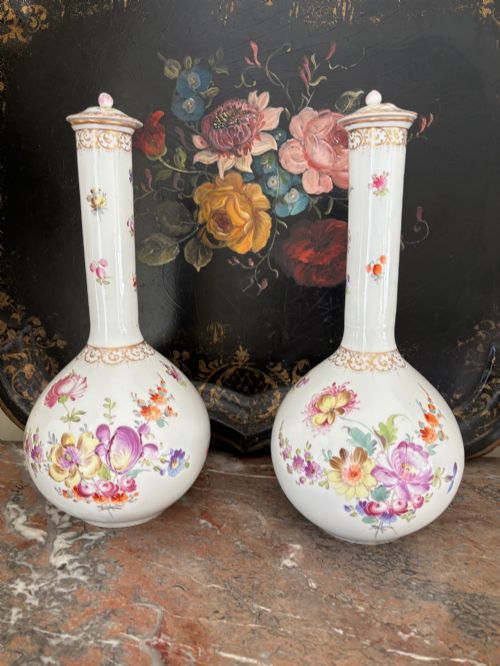
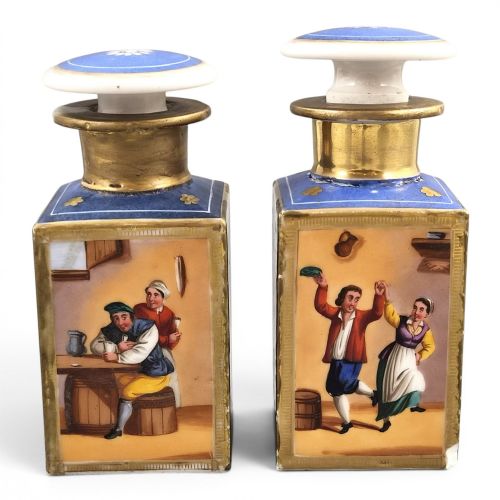
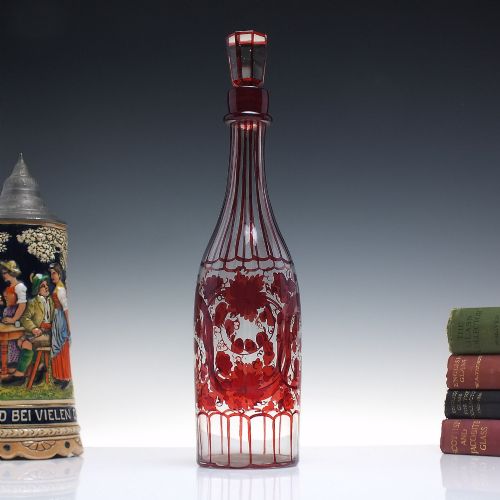
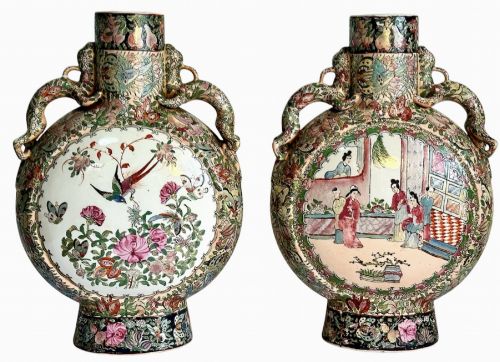
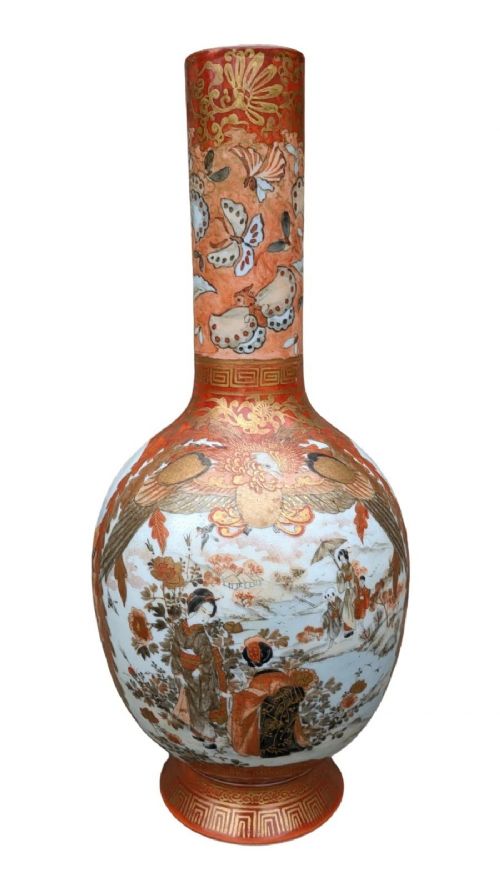
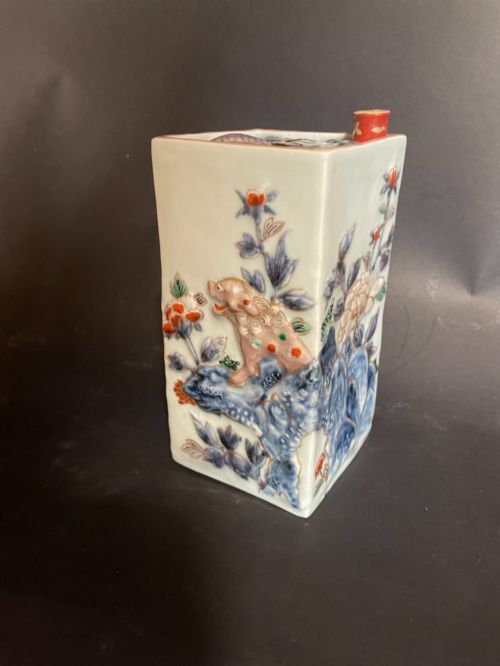
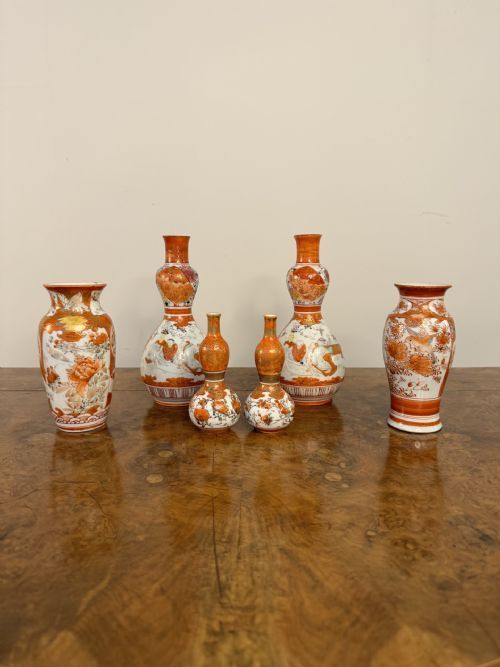
A hand painted bottle encompasses a diverse array of small ceramic vessels, glass decanters, porcelain snuff bottles, and ceramic flasks originating from the seventeenth century through to the early twentieth century. You will frequently encounter Chinese porcelain snuff bottles, Japanese Kutani and Imari vases, and nineteenth-century European glass decanters on this page.
These items served both decorative and utilitarian purposes, ranging from serving spirits and storing perfumes to holding traditional medicines and displaying floral arrangements.
The forms vary widely from slender neck vases and pilgrim flasks to bulbous garniture vessels and tiny pocket-sized snuff containers.
How they were made
Makers applied enamels, pigments, and gold leaf directly onto surfaces composed of glass, porcelain, earthenware, or fritware, often firing the pieces multiple times to set the vibrant colours.
Techniques combined skilled brushwork with specialised glazing methods, utilising tin-glazes on earthenware and delicate overglaze enamelling on porcelain bodies.
Several porcelain bottles quietly conceal erotic 'spring palace' scenes inside miniature formats designed for private viewing.
What varies in quality
Quality rests in the precision and fluidity of the brushwork, where finely detailed figures and botanical motifs distinguish master execution from simpler commercial production.
The integrity of the underlying material, whether clear glass, translucent porcelain, or substantial earthenware, alongside the preservation of the applied enamel and gold leaf, determines the lasting distinction of each vessel.
Flight Barr And Barr·Jacob Petit·Sitzendorf
The Hand Painted Bottle Glossary
- Famille Rose
- A palette of opaque overglaze enamels dominated by pink or rose colours, introduced in Chinese porcelain during the Qing dynasty. This distinctive colour scheme often decorates nineteenth-century snuff bottles and vases.
- Faience
- European tin-glazed earthenware, particularly that made in France, Italy, or the Netherlands. It provides an opaque white background ideal for painted polychrome decorations.
- Kutani
- A style of Japanese coloured porcelain and pottery typically featuring rich greens, golds, and reds. These pieces often depict traditional landscapes or figures.
- Garniture
- A set of matched vases or jars designed to be displayed together on a mantelpiece or sideboard. They became particularly popular in European and Asian ceramics during the nineteenth century.
Hand Painted Bottle: Frequently Asked Questions
How do I identify Japanese Kutani pottery?
Japanese Kutani pottery is typically recognised by its bold palette, heavily featuring iron-red, green, and gold leaf applied over a ceramic body.
These pieces often depict detailed figural scenes, birds, and flowers in distinct regional styles dating from the nineteenth century onward.
What is tin-glazed earthenware?
Tin-glazed earthenware is pottery covered with a glaze containing tin oxide, which fires to an opaque white surface.
This technique provided potters with a smooth canvas for hand-painted pigments, common in European delftware and majolica production.
How were perfume and scent bottles displayed?
Perfume and scent bottles were kept on dressing tables, inside fitted boxes, or carried on the person as luxury accessories.
Many featured hand-painted floral motifs on porcelain or glass bodies, frequently paired with fitted silver or gilt metal caps.