


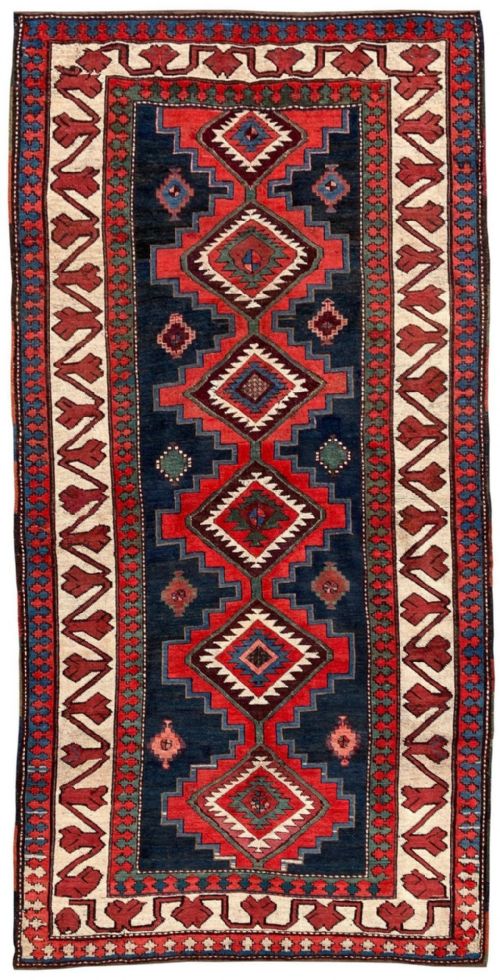
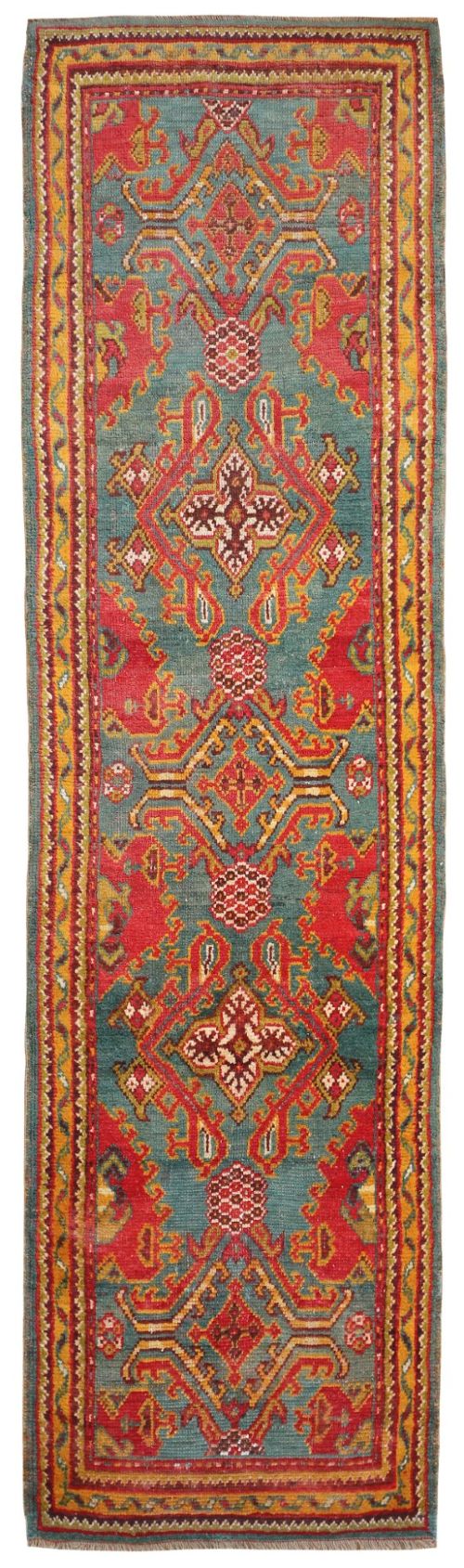
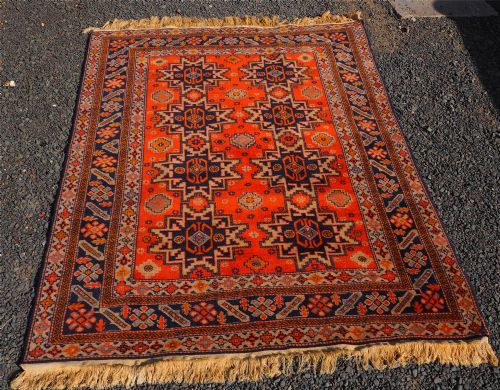
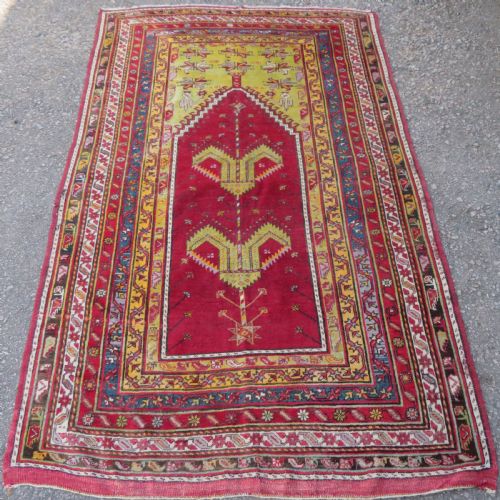
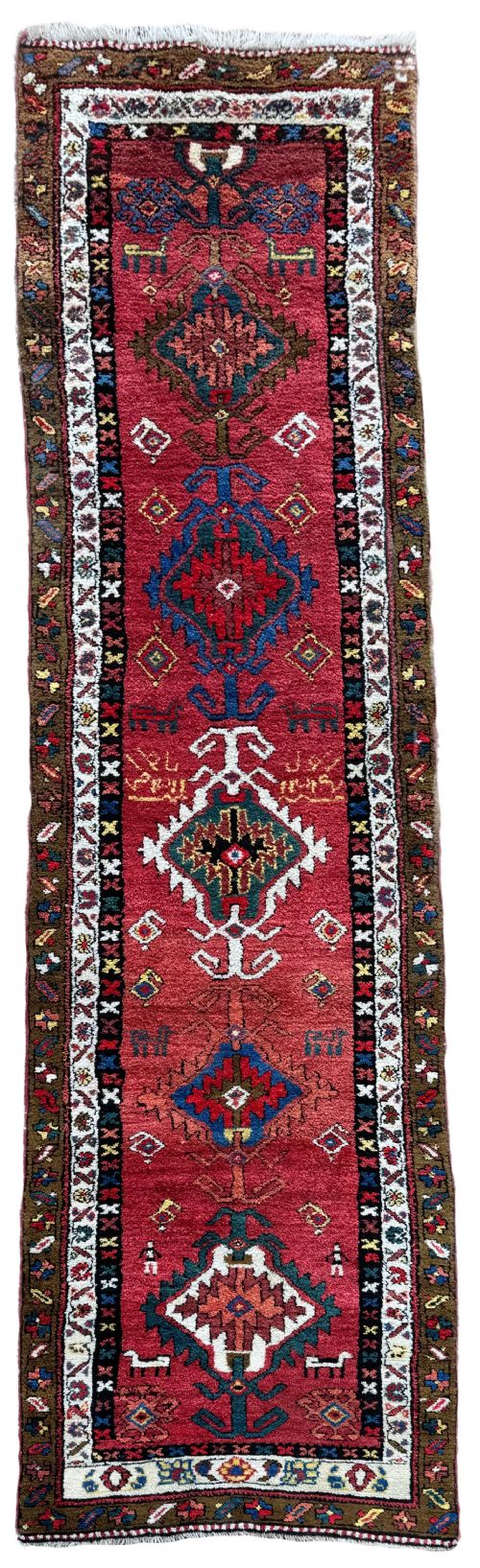
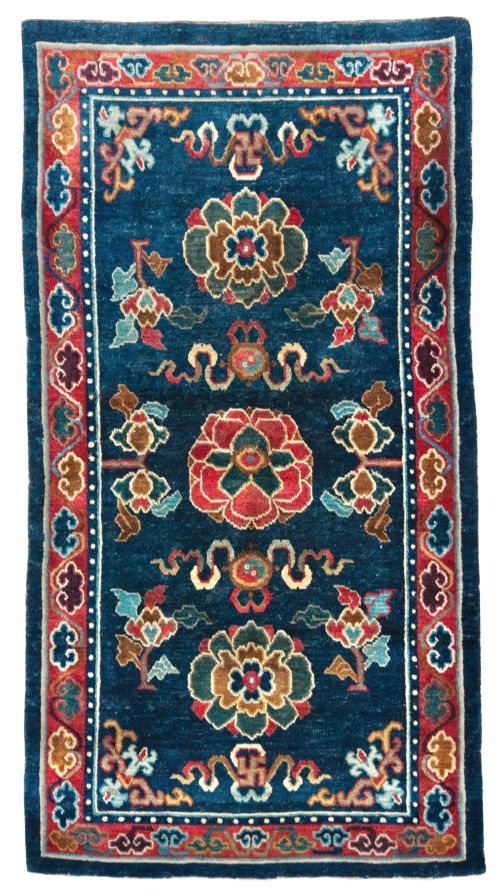
Hand Knotted Tribal Runner
A hand knotted tribal runner brings centuries of nomadic design and resilient wool into narrow corridors and hallways.
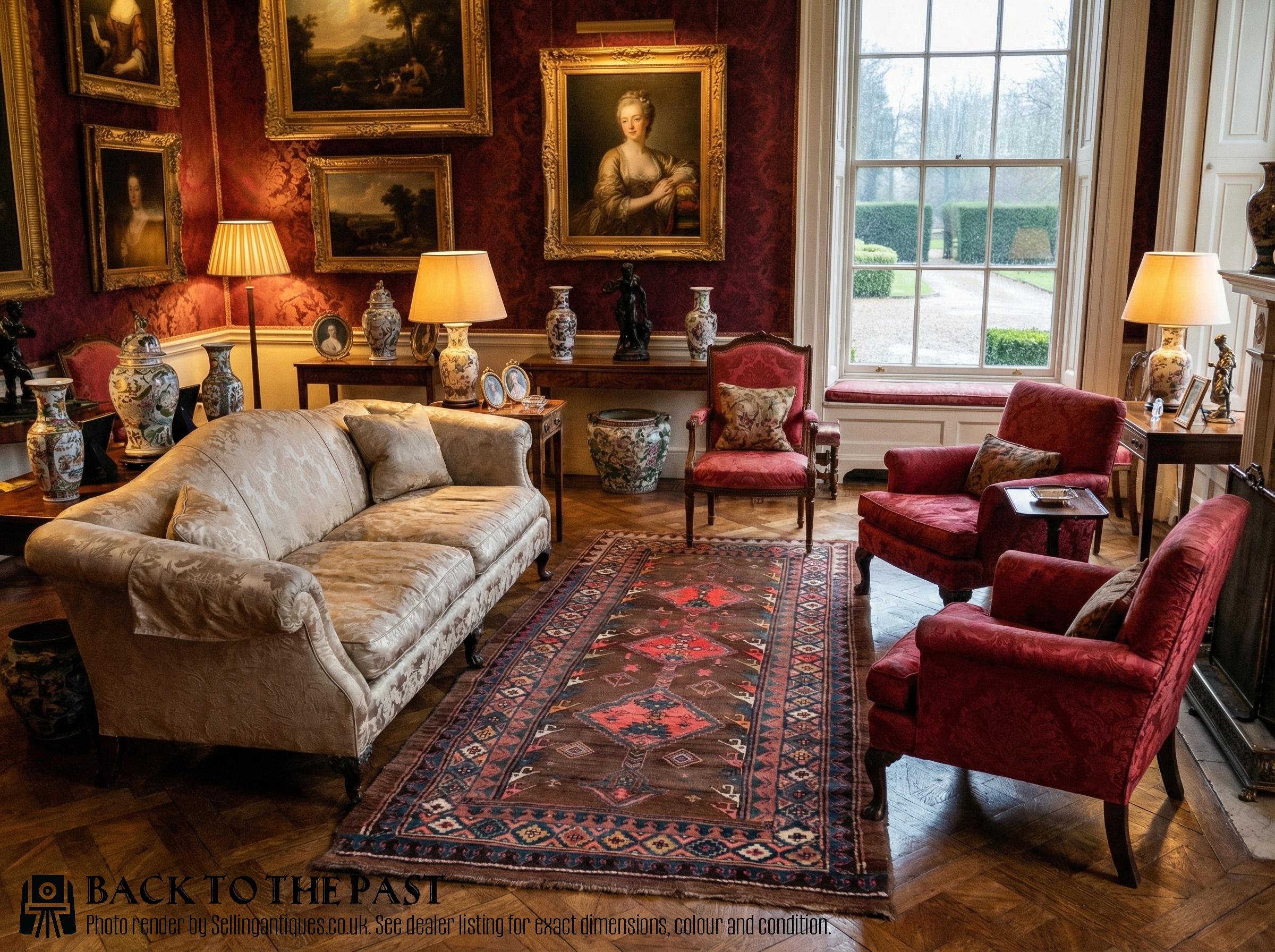
Hand Knotted Tribal Runner
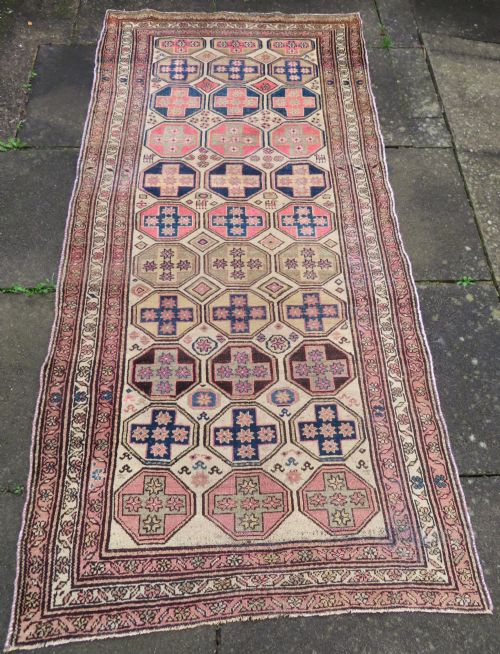
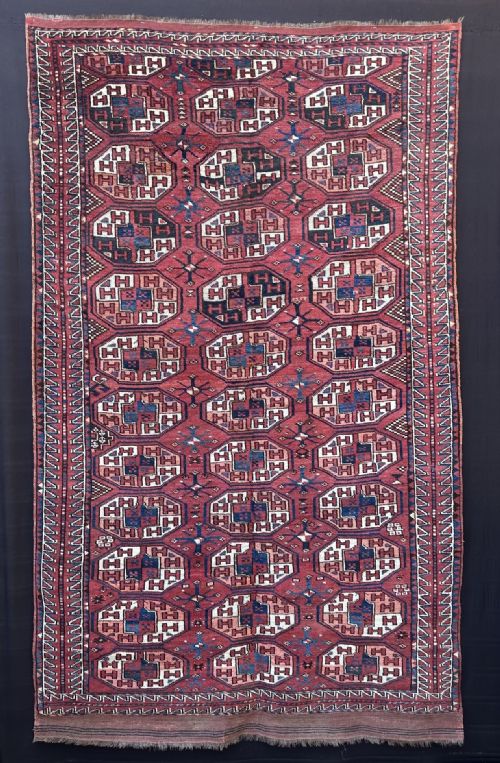
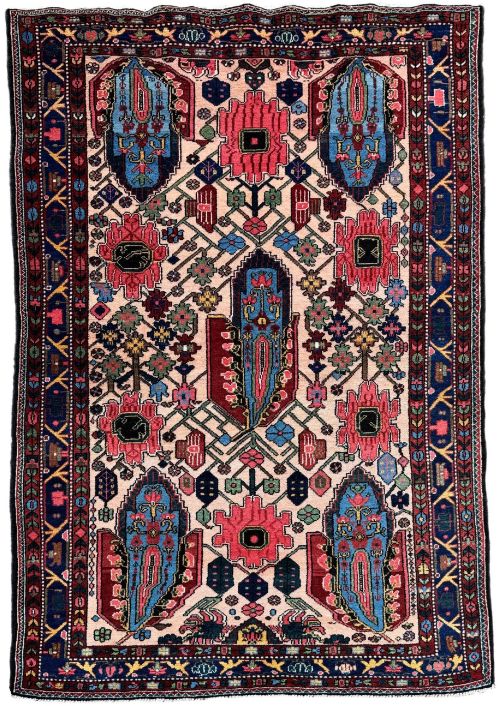
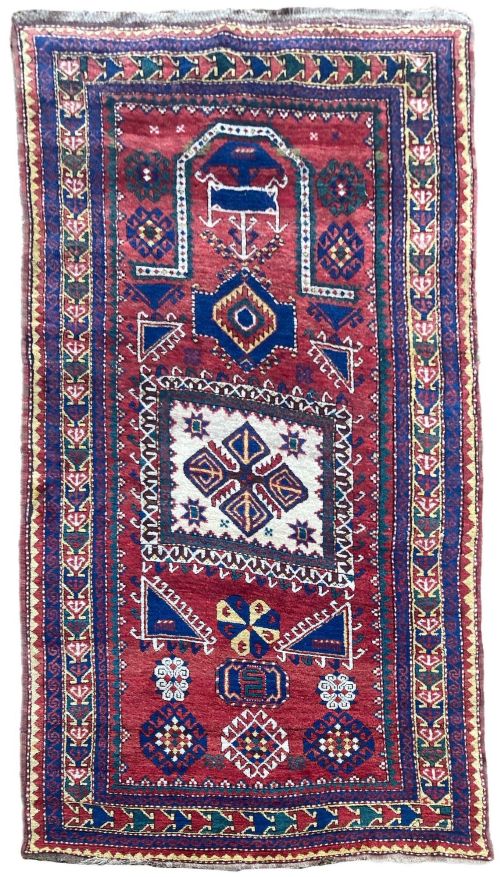
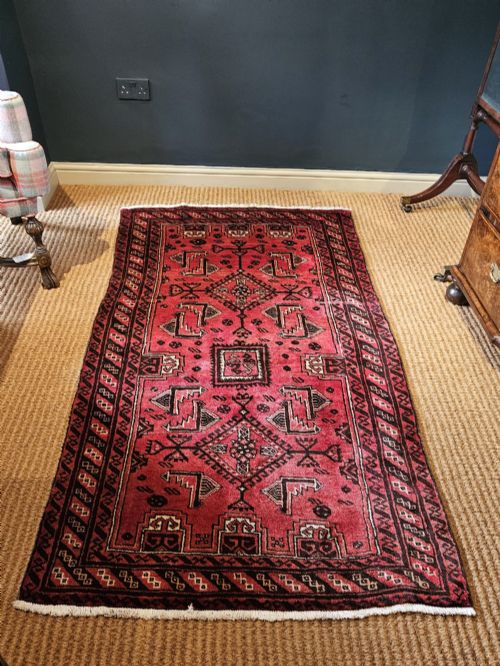
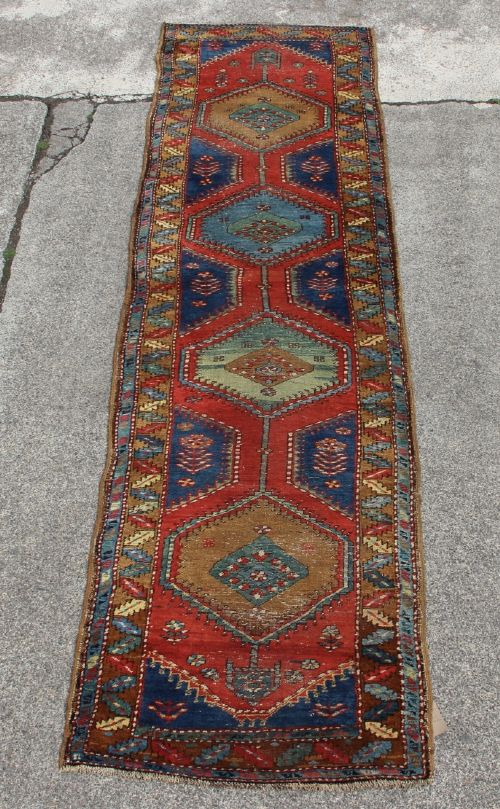
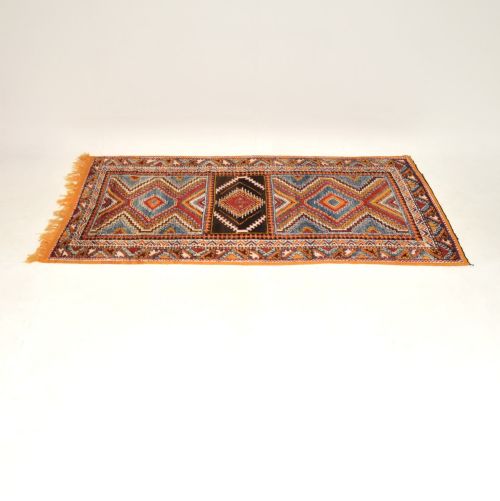
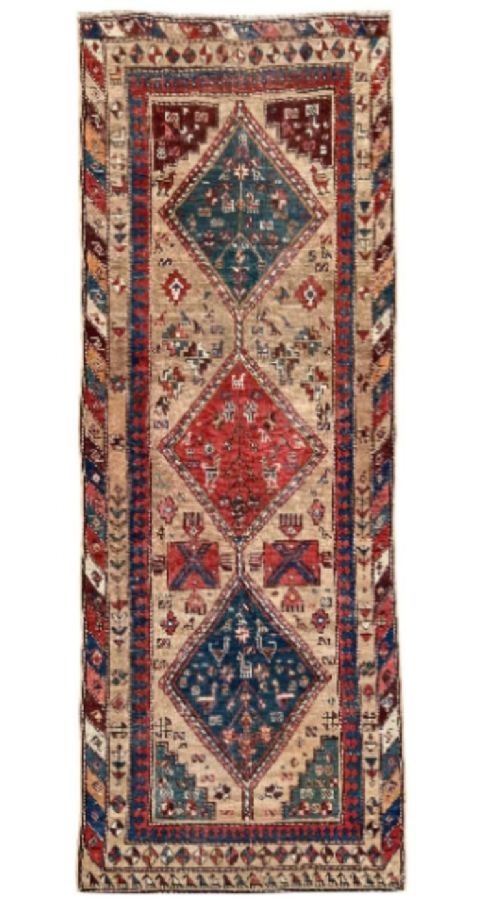
A hand knotted tribal runner spans narrow dimensions suited for corridors, halls, and landings, often originating from Persian, Caucasian, Anatolian, and Turkmen weaving traditions. These elongated formats combine geometric motifs, medallion patterns, and tribal symbols created by village and nomadic weavers from the nineteenth and early twentieth centuries.
The selections on this page encompass various regional styles such as Kazak, Baluch, Heriz, and Hamadan. Buyers encounter long carpets designed specifically for flooring narrow domestic spaces, displaying the distinct iconography of specific tribal confederacies.
Materials and Construction Techniques
Weavers relied principally on sheep wool for both the pile and the foundation yarns, occasionally utilising cotton or camel hair for structural stability and varied texture. The dense knots secure the wool fibres firmly to the warp and weft threads, creating a durable textile designed for heavy foot traffic.
Natural dye stuffs provided the saturated palette seen across these pieces, yielding rich tones that age with considerable character. The hand knotting process required substantial time, executed on upright vertical looms by village artisans.
Hand Knotted Tribal Runner Retail Price Guide 2026
Typical asking prices for hand knotted tribal runner among the pieces listed under this phrase on Sellingantiques today, from the lower quarter to the upper quarter. They describe what is for sale here now, not the wider market.
Listings feature wool, cotton, and camel hair materials spanning the nineteenth and twentieth centuries.
Distinctions in Execution and Age
Quality separates along the precision of the knotting and the complexity of the tribal design implementation. Finer examples display tighter pile density and crisper geometric definition across the field and borders.
The integrity of the foundation and the preservation of the original outer edges and fringe determine the structural merit of each textile. Pieces retaining their full length and uncompromised pile show superior survival through decades of domestic use.
The Hand Knotted Tribal Runner Glossary
- Knot
- The individual loops of wool tied around warp threads that form the pile of the carpet. Higher density knots typically indicate greater labour investment.
- Warp
- The vertical foundation threads stretched lengthwise on the loom before knotting begins. The fringe usually consists of these extended structural cords.
- Weft
- The horizontal threads passed alternately over and under the warp threads between rows of knots to lock the structure in place. It binds the rows securely together.
- Mihrab
- A niche design element resembling a doorway or arch, frequently found on prayer rugs and specific tribal formats. It directs the focus of the textile.
- Gul
- A repeating medallion or octagonal motif used extensively in Turkmen and Baluch tribal weaving traditions. Each tribe utilised distinct variations of these primary emblems.
Hand Knotted Tribal Runner: Frequently Asked Questions
Where should I place a runner?
These narrow formats suit long hallways, stair landings, and narrow corridors where traditional square carpets do not fit. Their elongated proportions draw the eye along the length of the floor.
Ensure adequate clearance for doors to swing above the pile thickness. Underlay helps secure the textile on smooth hallway flooring.
How do I clean old wool rugs?
Gentle surface brushing and careful vacuuming without a rotating power brush help maintain the wool pile. Professional specialist cleaning remains the safest method for deeper attention.
Avoid excessive moisture and harsh chemical detergents that can affect natural dyes. Prompt action on spills prevents staining in the fibres.
Are these pieces genuinely old?
The inventory spans the nineteenth century through the early twentieth century, reflecting traditional village and nomadic output. Materials such as handspun wool and natural colour palettes substantiate the production period.
Structural wear patterns and dye characteristics help confirm the historical origins of each carpet. Regional motifs provide clear indicators of period and provenance.
Do tribal carpets withstand heavy traffic?
Nomadic and village textiles were engineered for demanding domestic use on hard floors. The dense wool pile absorbs friction while maintaining structural integrity over decades.
Placing an appropriate rug underlay beneath the piece reduces sliding and cushions footfall. This supportive layer minimises internal fibre abrasion during daily transit.