

Hand Knotted Tribal Carpet
A hand knotted tribal carpet brings dense geometric wool and rich regional dye into a room, made to last generations.
Hand Knotted Tribal Carpet
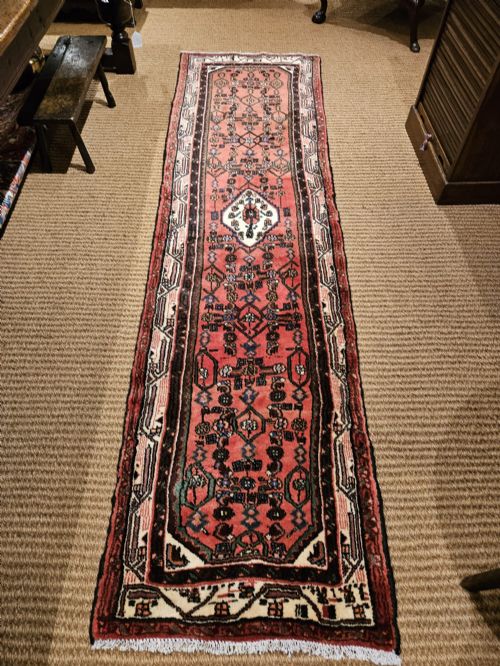
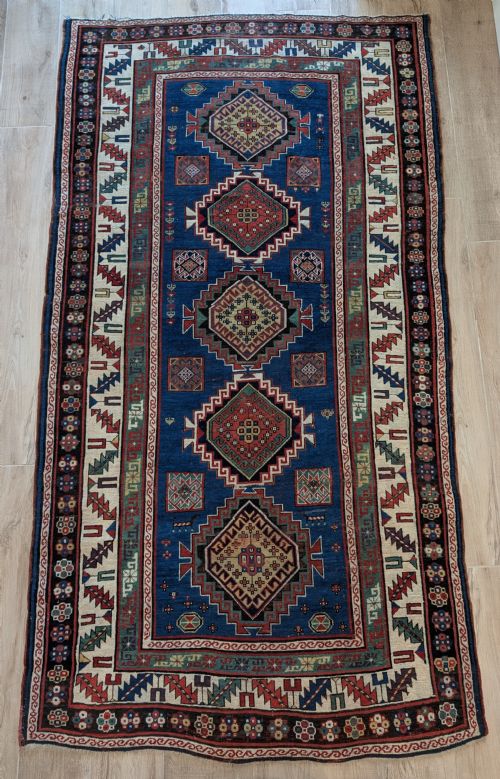
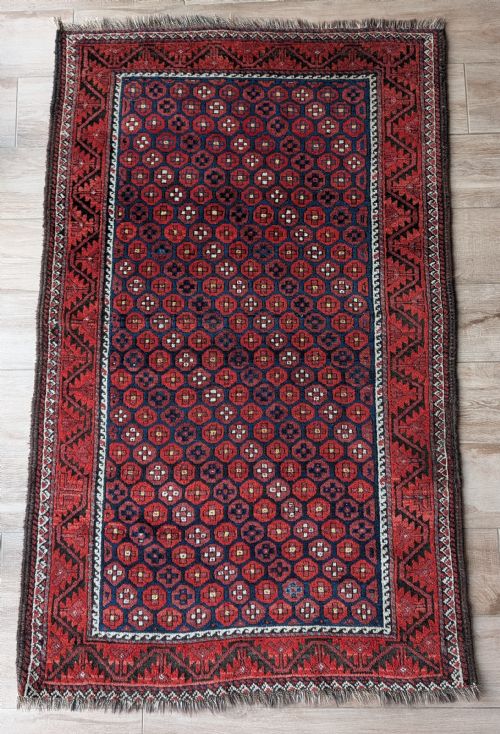
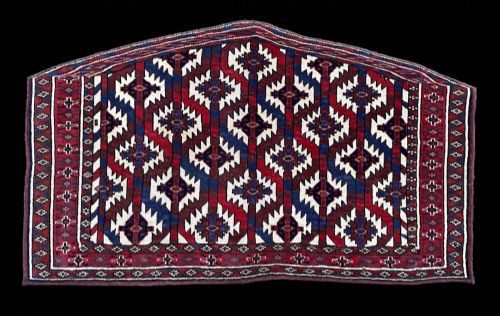
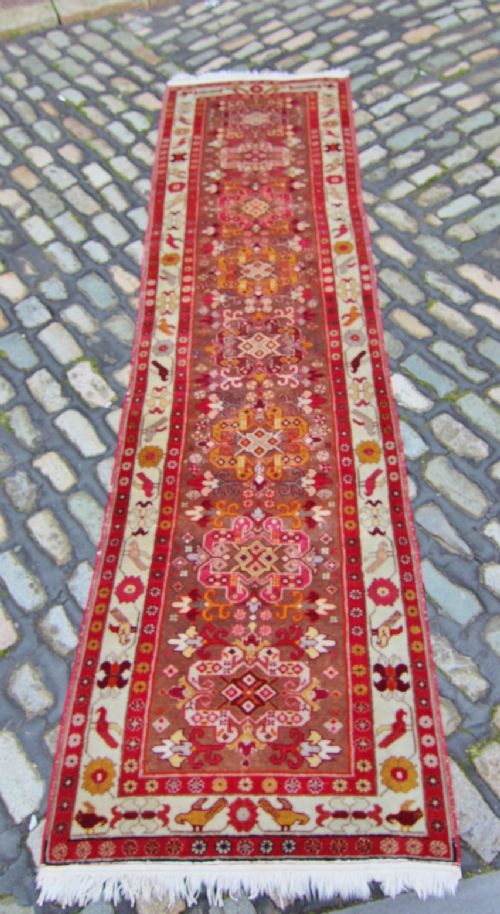
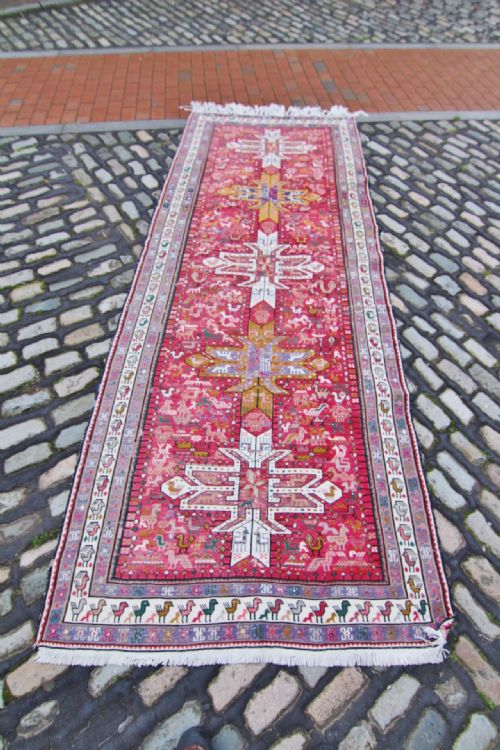
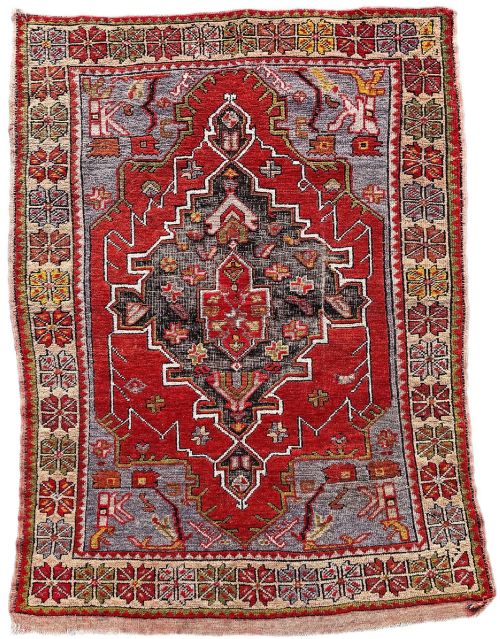
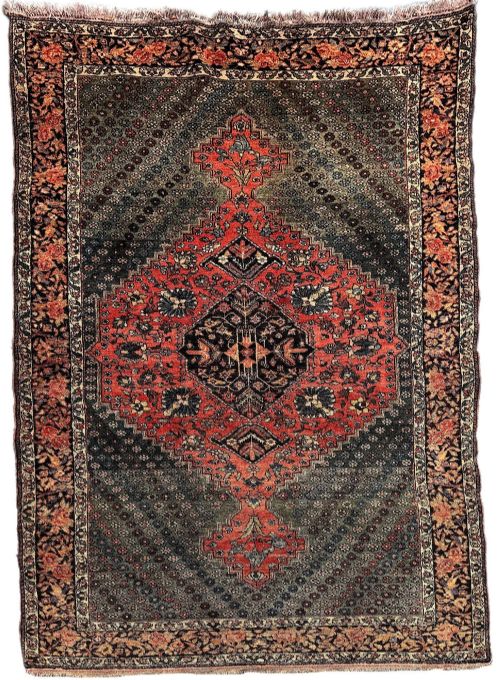
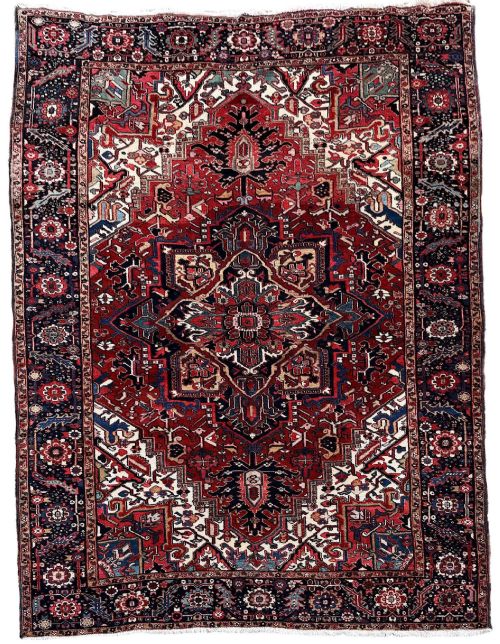
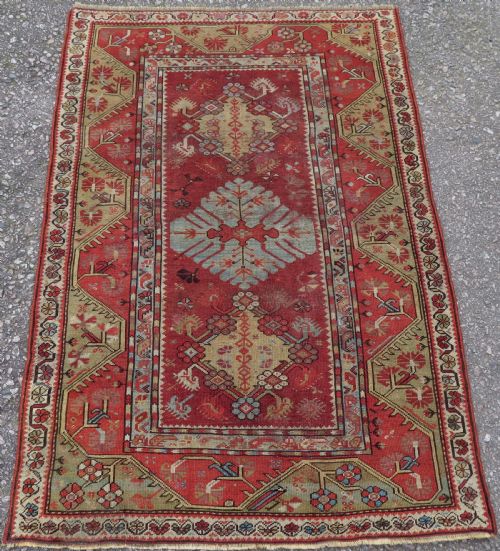
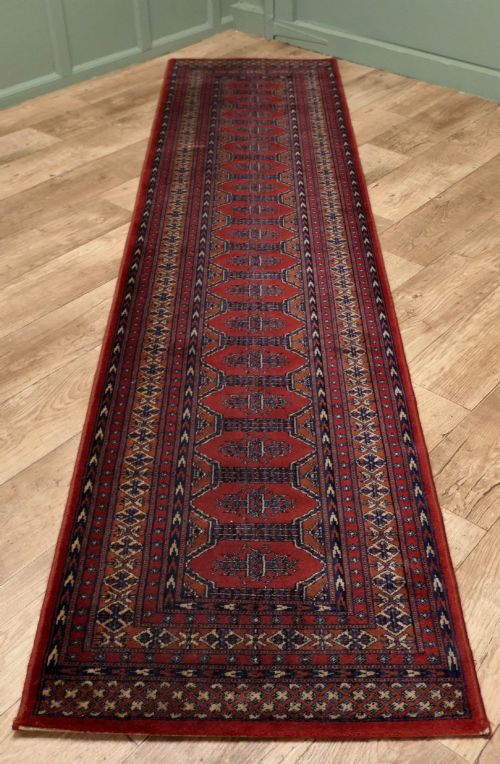
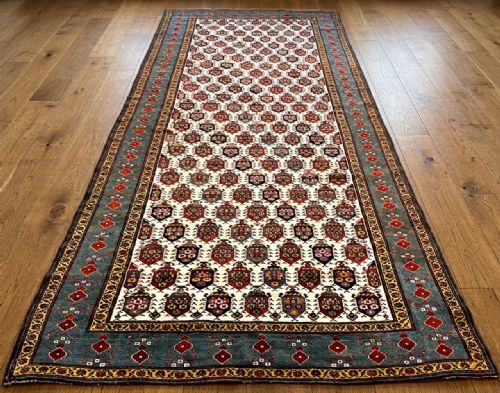
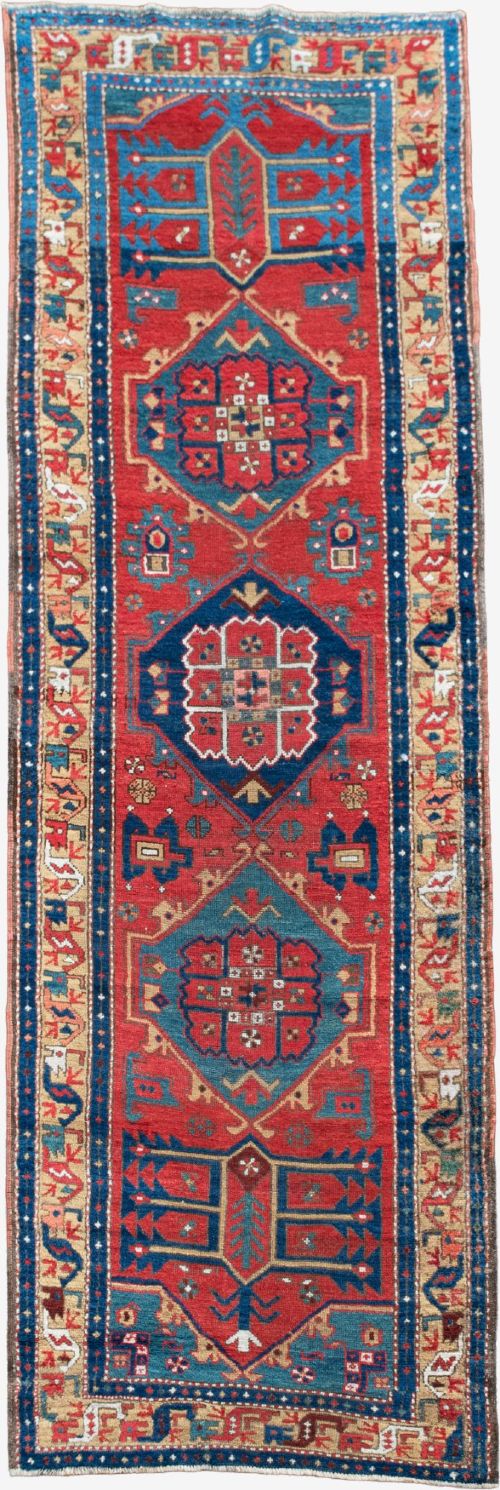
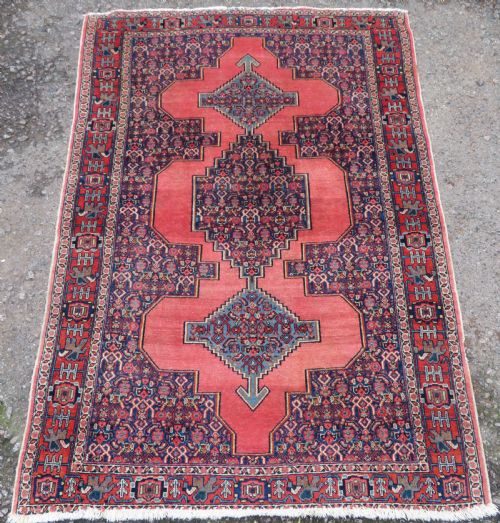
When you search for a hand knotted tribal carpet, you find floor coverings made by nomadic and village weavers across Persia, the Caucasus, Anatolia, and Turkmenistan. These pieces range from small prayer mats and saddle covers to large runners and main carpets produced from the nineteenth century into the early decades of the twentieth century. The selection leans heavily toward Persian, Caucasian, and Turkmen tribal traditions, with village examples from Kurdish, Afshar, and Baluch makers.
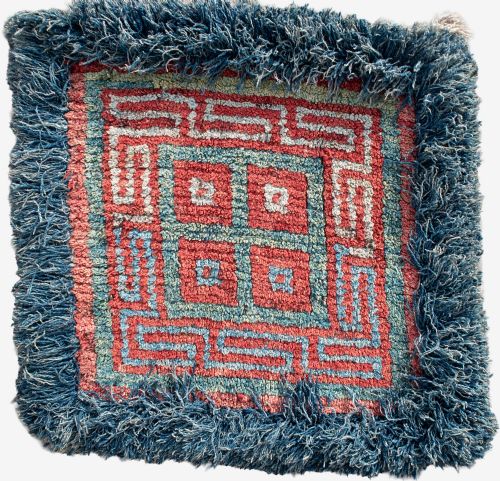
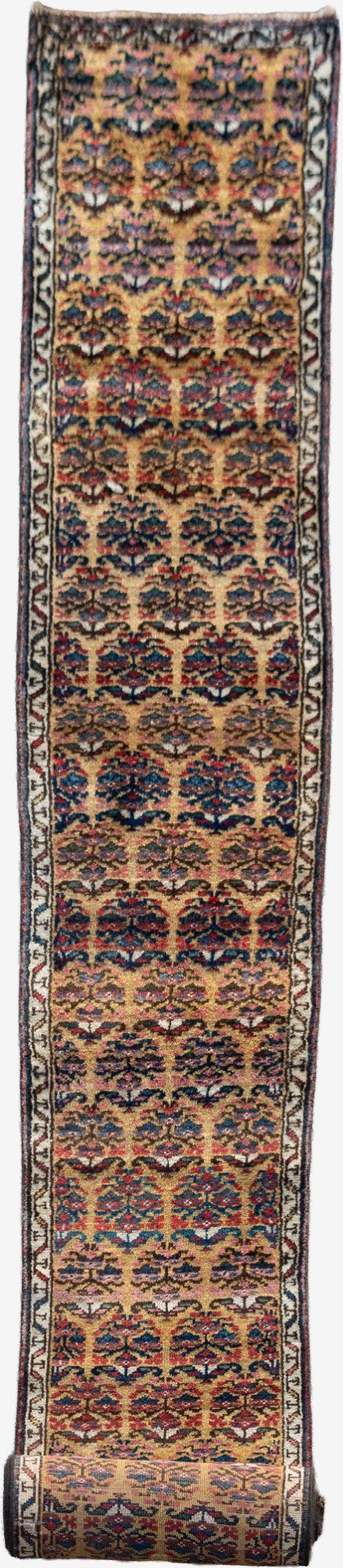
The forms vary from long hallway runners and narrow kelteh formats to square rugs and double mihrab prayer rugs. Older nineteenth-century examples sit alongside vintage pieces from the nineteen-twenties and nineteen-thirties. Buyers encounter distinctive regional patterns, including bold Caucasian geometric panels, repetitive Turkmen guls, and warm red Afghan village designs.
How they were made
These carpets rely on hand-spun wool and cotton foundations, often utilising natural dyes to achieve deep red, blue, and mellow ground colours. Weavers knot the wool by hand onto warps and wefts, creating a dense pile designed for daily use in tents, houses, and village dwellings.
Makers incorporate camel wool and pure sheep wool, combined with hand-spun yarns that take vegetable and natural dyes unevenly, producing abrash and subtle tonal shifts across the surface of the rug.
Hand Knotted Tribal Carpet Retail Price Guide 2026
Typical asking prices for hand knotted tribal carpet among the pieces listed under this phrase on Sellingantiques today, from the lower quarter to the upper quarter. They describe what is for sale here now, not the wider market.
Listings span the nineteenth century through the nineteen-thirties, utilising pure wool, hand-spun wool, cotton, and natural dyes.
What varies in quality
The quality of a tribal carpet rests on the crispness of the knotting, the stability of the foundation, and the depth of the wool. Tighter knot counts allow intricate geometric and floral motifs to hold their line sharply, whereas looser village weaves yield a softer, more relaxed handle.
Dye quality divides standard utility pieces from exceptional village work. The use of saturated natural dyes creates complex patination as the wool ages, while simpler or later chemical colourants lack the same tonal variation.
Kizyl Ayak Tribe·Ersari Tribe·Yomut Tribe
The Hand Knotted Tribal Carpet Glossary
- Mihrab
- A niche design found on prayer rugs, often pointing toward Mecca during daily worship. This arched motif appears frequently in Anatolian and Afghan Baluch pieces.
- Abrash
- A variation in colour shade across the field of a rug, caused by changes in dye batches or hand-spun wool lots. It signals authentic natural dyeing.
- Gul
- A medallion or repeating octagonal motif used extensively in Turkmen tribal carpets. These motifs often identify the specific weaving tribe.
- Runner
- A long, narrow carpet format designed for hallways, corridors, or alongside larger furniture. They appear across Persian and Anatolian village traditions.
- Main carpet
- A large format rug produced by nomadic groups for domestic use or dowries. These pieces display extensive repeating field patterns.
Hand Knotted Tribal Carpet: Frequently Asked Questions
How do I identify a tribal carpet?
Tribal carpets show distinctive geometric patterns, repeating motifs, and asymmetrical village designs rather than formal court-style layouts. The presence of hand-spun wool and natural dyes often points to older nomadic production.
Look for structural irregularities such as slight variations in width or border alignment, which indicate hand-knotting by individual village or tribal weavers without industrial looms.
Where were these carpets made?
The pieces originate across Western and Central Asia, including regions of Persia, the Caucasus, Anatolia, and Turkmenistan. Specific groups like the Baluch, Afshar, and Kurdish weavers worked in distinct regional styles.
Nomadic and village communities produced these rugs for practical domestic use, trade, and personal dowries rather than large urban manufactories.
Are these rugs durable for daily use?
Dense hand-knotted wool pile provides exceptional durability, making these carpets suitable for high-traffic hallways, living rooms, and heavy floor placement. The natural lanolin in pure wool helps repel dirt and resist wear.
Placing a proper underlay beneath the rug prevents slipping and reduces friction between the foundation threads and hard floors.