







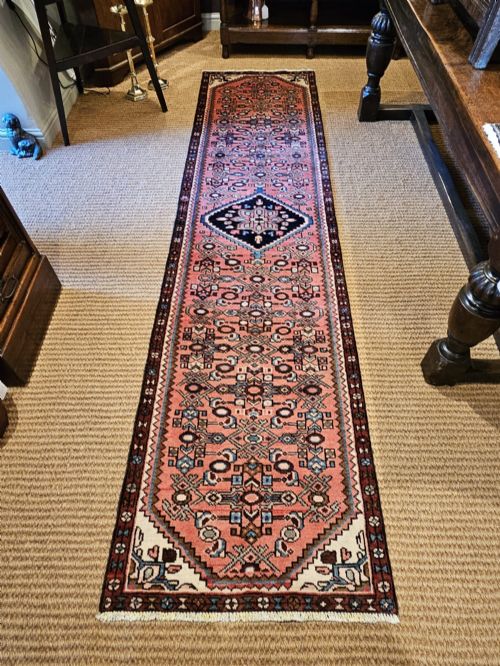
Hand Knotted Persian Runner
A hand knotted persian runner brings warmth and pattern to long corridors through centuries of nomadic and village weaving traditions.
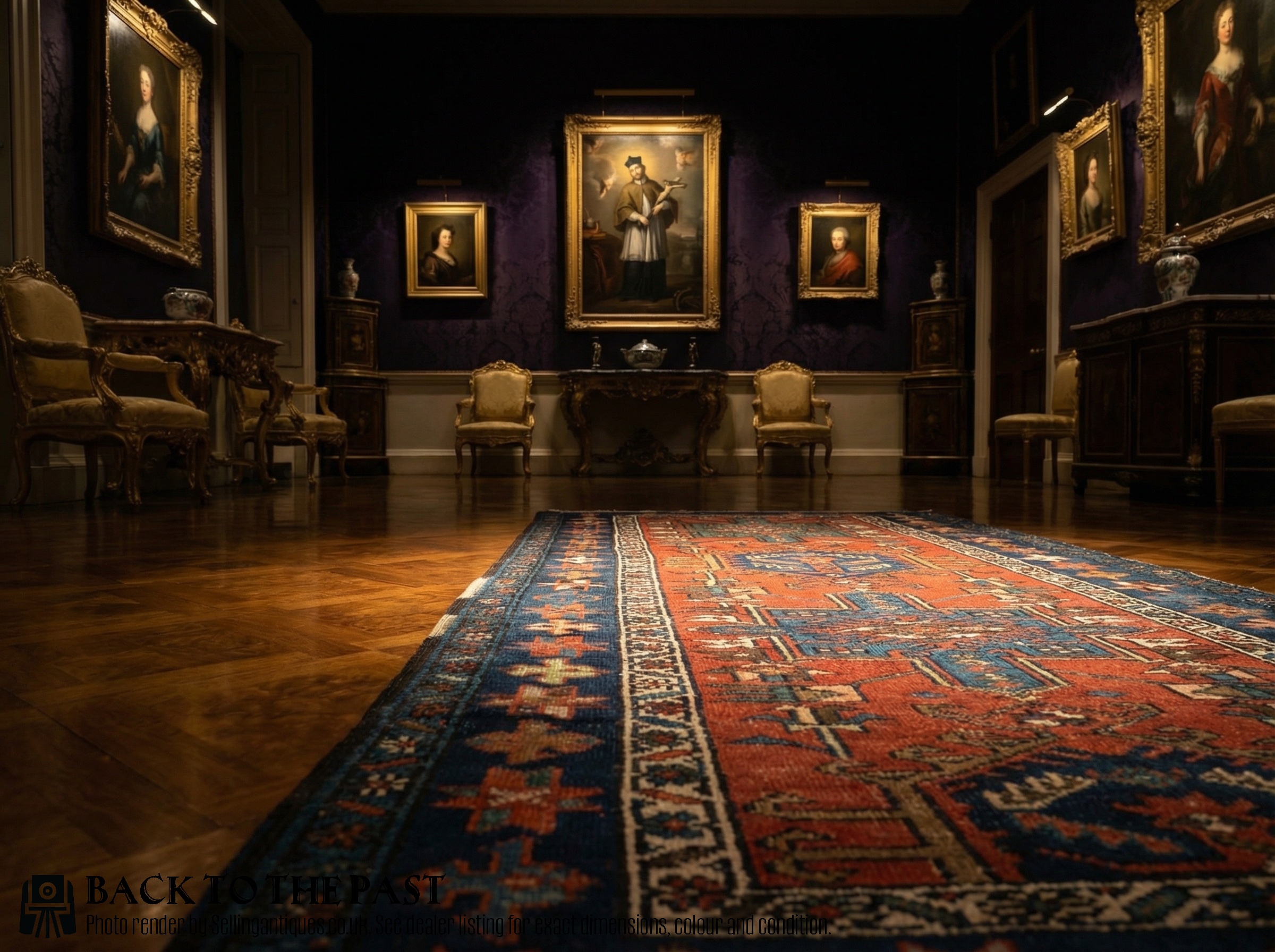
Hand Knotted Persian Runner
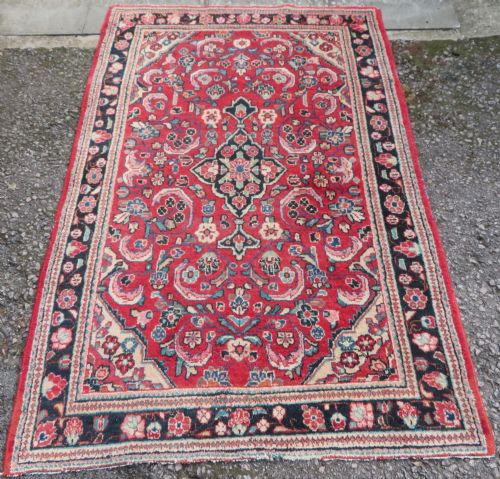
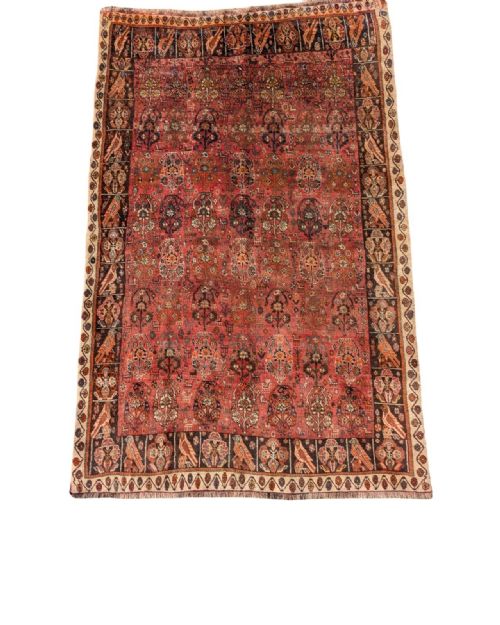
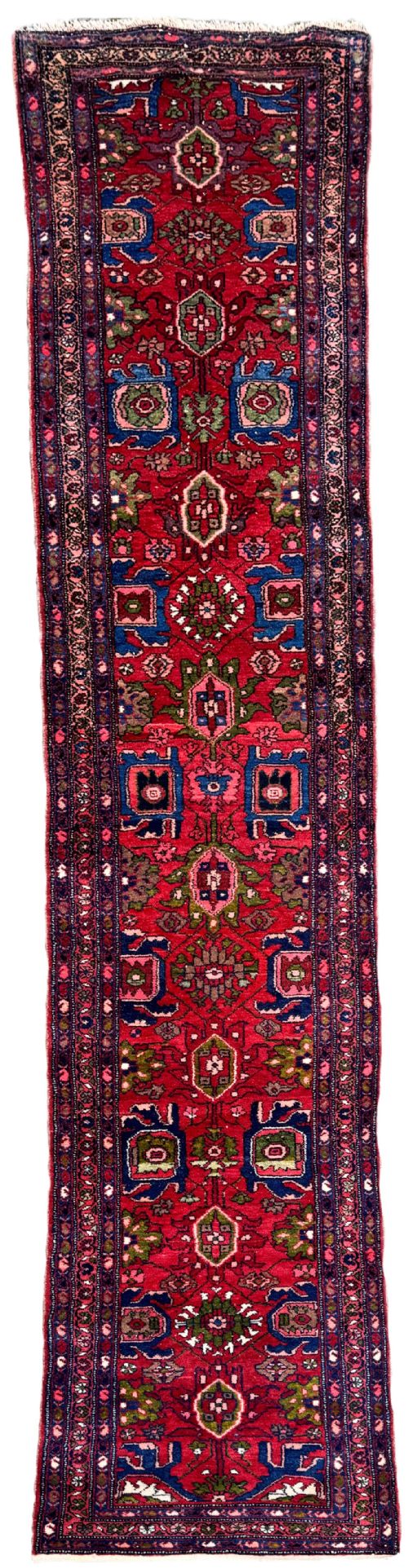
A hand knotted persian runner is a narrow, elongated floor covering designed for hallways, landings and narrow spaces. These pieces span the nineteenth and twentieth centuries, originating from village and tribal workshops across Persia and neighbouring regions.
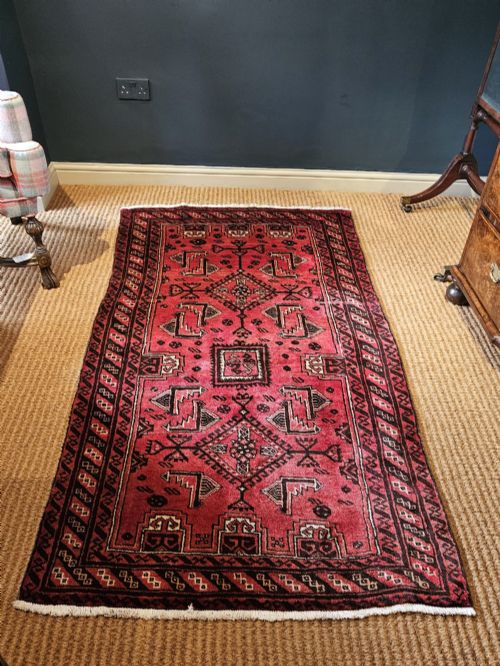
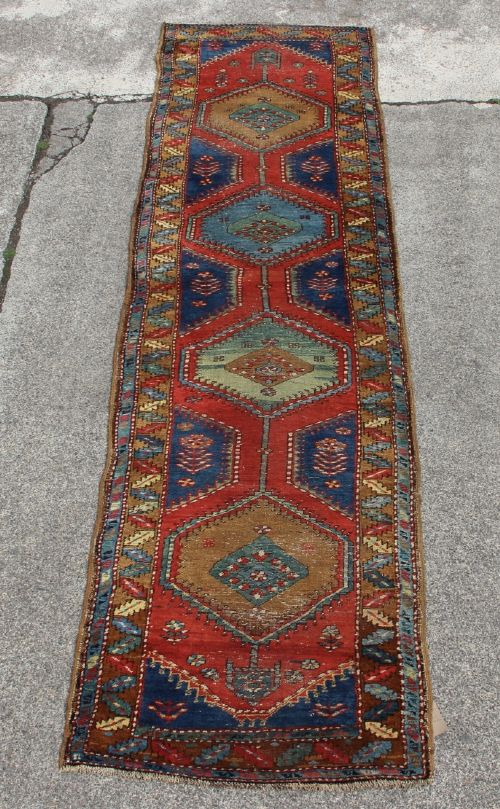
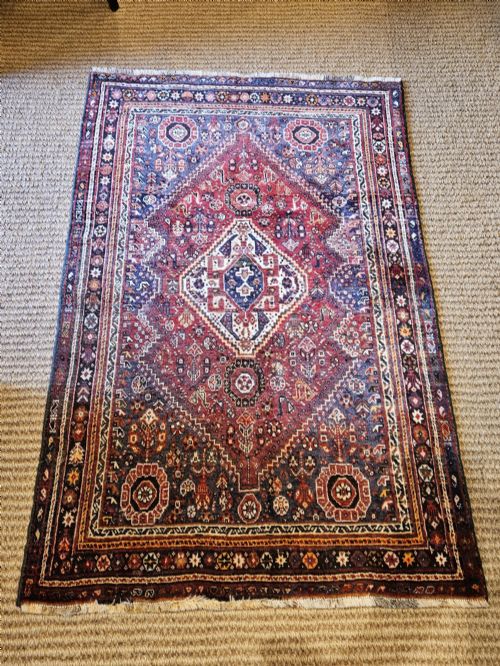
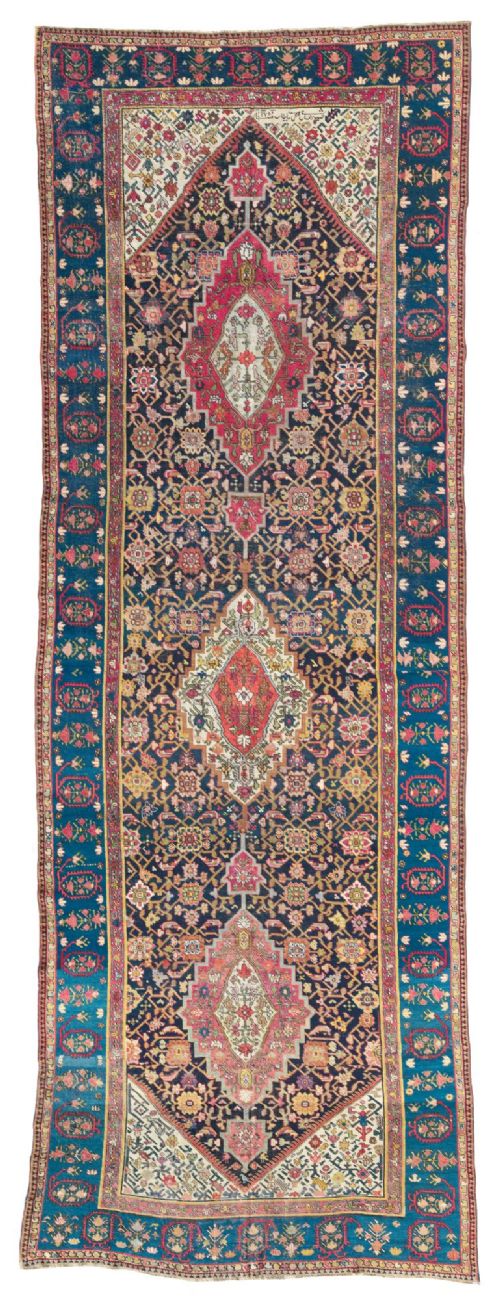
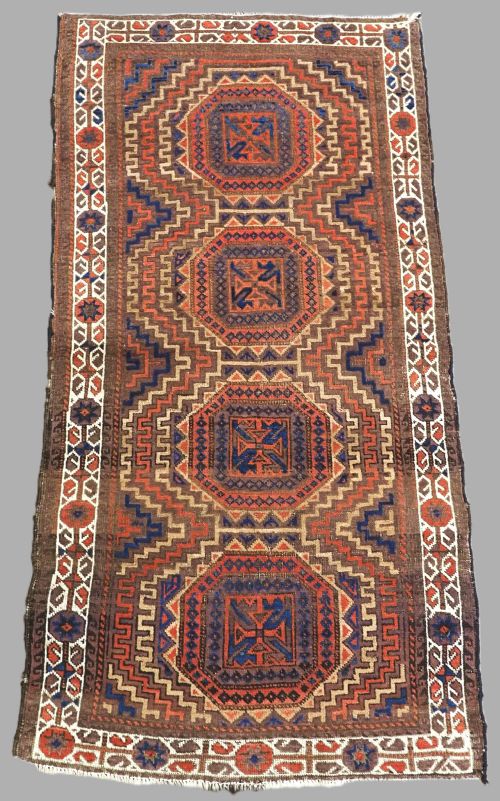
The selections available include long narrow formats often classified as hallway runners or rug runners. Examples range from structured Heriz and Saroukh weaves to tribal Kurdish, Baluch and Khamseh pieces.
Buyers encounter formats varying from compact lengths to extended room-dividing runners. Regional styles dictate the geometric medallions or all-over lattice patterns visible across the surface.
How They Were Made
Weavers constructed these long carpets using hand-spun wool, cotton foundations and occasionally silk or camel hair. Artisans tied individual knots by hand onto warp and weft threads to build dense, durable pile surfaces.
Natural dyes provided the enduring palette seen in these traditional textiles. Hand-knotting techniques ensured each runner maintained structural integrity under heavy foot traffic in domestic settings.
Some nineteenth century nomadic weavers hid tiny intentional asymmetry in their geometric borders to ward off evil spirits.
What Varies in Quality
Knot density and material selection dictate the structural refinement of a runner. Finer wools and tightly packed knots yield sharper geometric or floral definition across the pile.
Saroukh Mahal·Kashgai Carpet·Tabriz Carpet·Bakhtiar Rug
The Hand Knotted Persian Runner Glossary
- Knot
- The individual loops of wool or silk tied around warp threads to form the pile of the carpet. Denser knotting permits sharper graphic detail in traditional designs.
- Warp
- The vertical foundation threads running the length of the rug upon which the knots are tied. Cotton and wool are typical materials for these structural elements.
- Weft
- The horizontal threads passed between warp rows to lock the knots firmly into place. Multiple weft shots add rigidity to tribal and village weaving.
- Pile
- The upright surface fibres of the carpet formed by the cut ends of the knots. Shorter pile often reveals greater structural intricacy in older runners.
- Medallion
- A central symmetrical ornamental motif placed in the field of the rug. Many Persian runners incorporate repeating or solitary medallions along their central axis.
Hand Knotted Persian Runner: Frequently Asked Questions
Where should I place a long runner?
These narrow floor coverings suit high-traffic corridors, hallways and landings where elongated dimensions bridge open spaces.
Position them away from direct moisture to protect the natural wool fibres and foundational cotton threads.
How do I identify a tribal rug?
Tribal pieces often display geometric motifs, stylized animal forms and abrash colour variations resulting from hand-spun wool batches.
Nomadic weavers worked from memory rather than fixed cartoons, producing organic irregularities in the design.
Are natural dyes easy to spot?
Natural dyes age gracefully, developing soft patinas and subtle tonal shifts known as abrash across the wool pile.
These vegetable and insect-derived colorants retain deep secondary undertones compared to synthetic alternatives.
How do I care for antique wool?
Regular gentle sweeping or light suction vacuuming without a rotating brush helps remove embedded grit from the pile.
Professional specialist cleaning is recommended for antique runners to preserve the integrity of the natural dyes.