
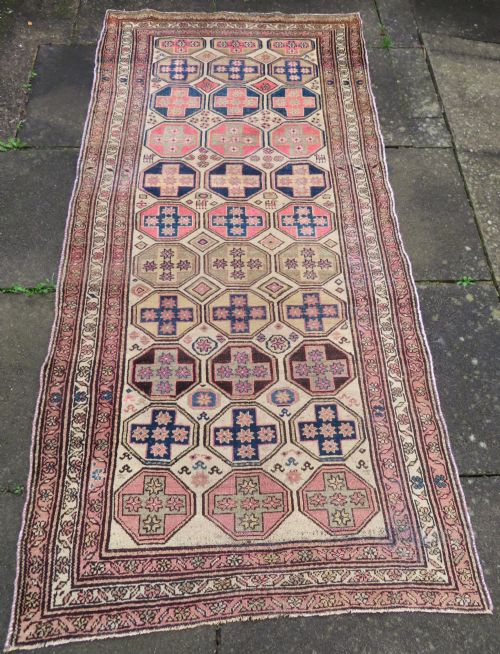

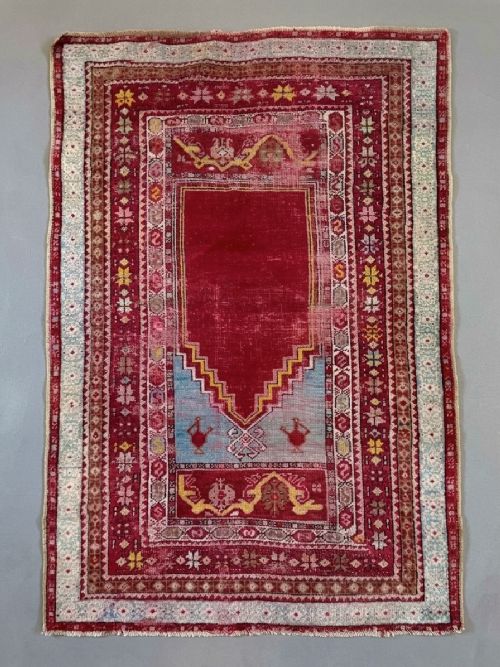


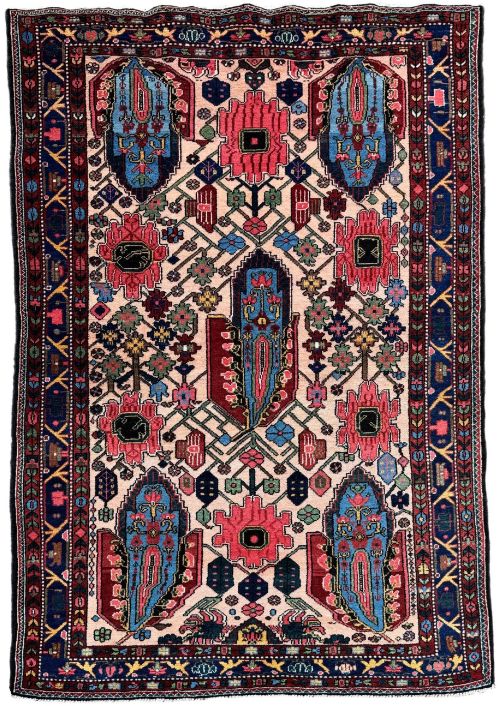

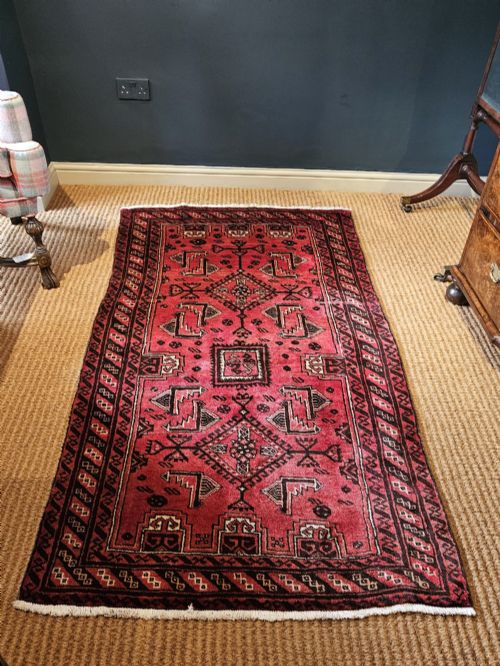


Hand Knotted Oriental Carpet
These hand knotted oriental carpet examples bring enduring warmth and geometric artistry to a room, offering genuine historical character for your floor.
Hand Knotted Oriental Carpet
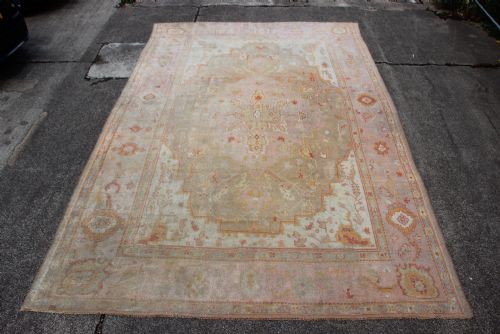
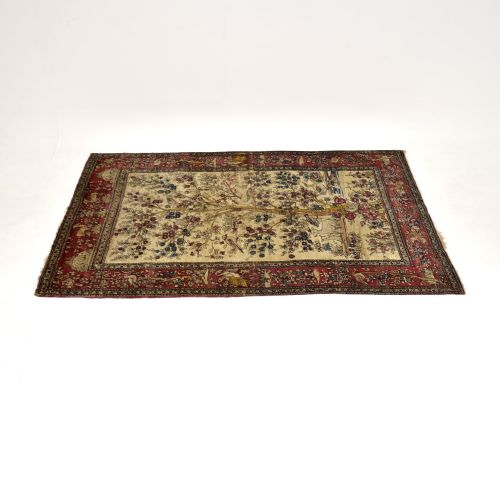
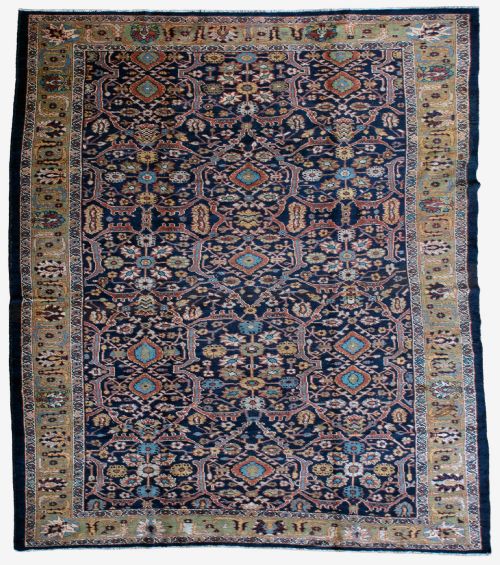
When you search for a hand knotted oriental carpet, you are looking at floor coverings woven across regions spanning Persia and the Caucasus, featuring traditional tribal and village designs. The pieces you are most likely to meet on this page date from the late nineteenth century through to the early twentieth century, specifically between 1890 and 1920.
The selection here encompasses various regional formats, ranging from long runners such as Kurdish kelleh carpets to room-sized Heriz, Saroukh Mahal, and Khorrassan weaves. Smaller formats like Isfahan, Mishan Malayer, and Caucasian Kazak rugs from the Gendje region also appear, reflecting distinct local knotting traditions.
These floor textiles serve both utilitarian and decorative purposes, bringing tangible age and rich iconography into an interior. Each specimen embodies the aesthetic of its specific weaving group, whether that is Persian classical symmetry or Caucasian tribal geometry.
How they were made
The materials recorded in these listings consist of wool, hand-spun wool, cotton, and silk, combined to create durable pile foundations. Weavers worked on upright looms, tying individual knots by hand around warp and weft threads to build dense and resilient structures.
Natural fibres and hand-spinning techniques provided the baseline for these textiles, ensuring that the pile could withstand generations of use. Cotton and wool served primarily for foundations and pile, while silk was utilised in finer urban workshops to achieve intricate detail.
Hand Knotted Oriental Carpet Retail Price Guide 2026
Typical asking prices for hand knotted oriental carpet among the pieces listed under this phrase on Sellingantiques today, from the lower quarter to the upper quarter. They describe what is for sale here now, not the wider market.
Materials documented across the available pieces include wool, hand-spun wool, cotton, and silk.
What varies in quality
Quality in these carpets rests upon the fineness of the knotting and the integrity of the materials, where hand-spun wool and silk distinguish finer urban and tribal outputs. The precision of the weave and the complexity of the regional design execution separate standard utility pieces from exceptional examples.
The preservation of the original borders and pile depth also dictates the standing of a piece within the range. Greater density in the knot structure correlates directly with longevity and the crispness of the depicted motifs.
The Hand Knotted Oriental Carpet Glossary
- Warp
- The stationary vertical threads stretched parallel on the loom over which the horizontal weft and knots are tied. It forms the structural skeleton of the carpet.
- Weft
- The horizontal threads passed back and forth between the warp threads to bind the knots in place. Proper beating of the weft ensures structural tightness.
- Pile
- The upright cut ends of the yarn that form the soft surface of the carpet. Its density and material composition determine how the piece wears over time.
- Knot
- The individual loops of wool, cotton, or silk tied around the warp threads by hand. The density and type of knot define the regional origin and fineness.
- Border
- The decorative bands framing the central field of a carpet. These outer stripes often feature repeating geometric or floral motifs characteristic of specific weaving traditions.
Hand Knotted Oriental Carpet: Frequently Asked Questions
How do I clean an antique carpet?
Professional dusting and specialist immersion washing are the safest methods for maintaining antique pile textiles.
Avoid domestic carpet cleaners and excessive moisture, which can damage natural dyes and historic fibres.
Can I use these carpets in high traffic areas?
Many of these pieces were built for daily use and tolerate moderate foot traffic when paired with a quality underlay.
Finer silk examples or fragile low-pile rugs benefit from placement in low-traffic rooms to preserve their condition.
How do I identify a tribal rug?
Tribal rugs typically display bolder geometric motifs, asymmetric layouts, and spontaneous design variations executed by nomadic or village weavers.
Their structures often incorporate hand-spun wool and saturated colour palettes distinct from urban workshop productions.
What is the difference between a rug and a carpet?
The distinction generally relates to physical scale, with larger floor coverings classified as carpets and smaller formats termed rugs.
Both categories utilise the same fundamental hand-knotting techniques and material structures.