





Hand Knotted Malayer Rug
A hand knotted malayer rug brings genuine West Persian village artistry into a room, offering durability and intricate traditional patterns.
Hand Knotted Malayer Rug
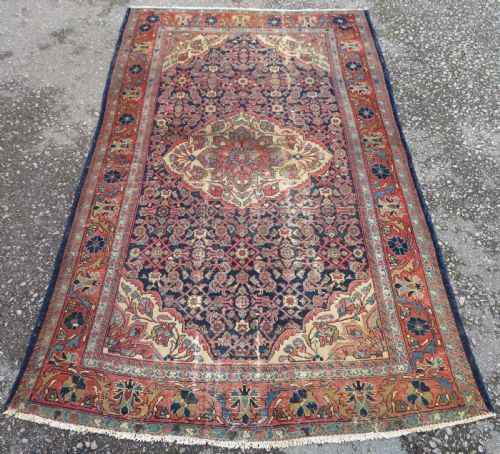
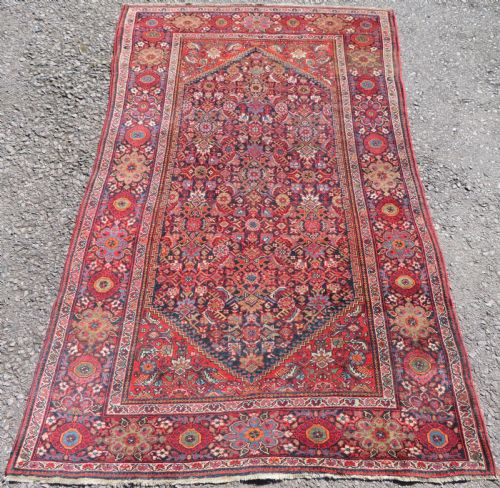
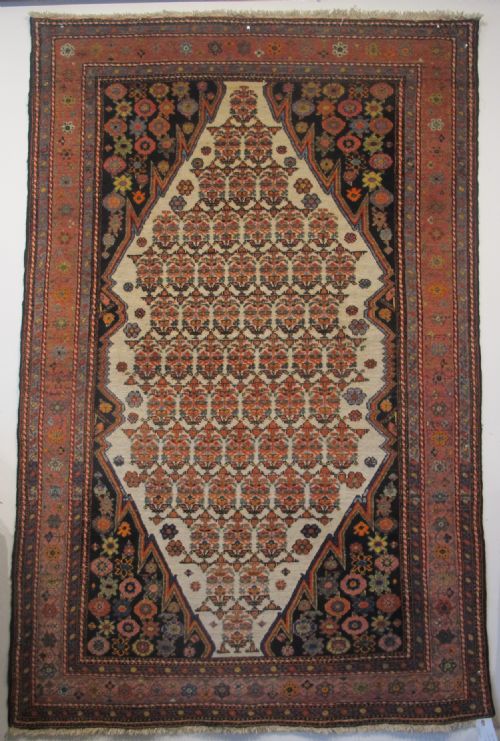
A hand knotted malayer rug originates from West Persia and typically spans from the late nineteenth century to the early twentieth century. These floor coverings appear in various formats, including compact area pieces, expansive carpets, and exceptionally long hallway runners. Village and tribal designs often define the aesthetic, incorporating traditional motifs such as the boteh, Herati patterns, and lattice layouts.
Mishan Malayer variants also emerge within this group, alongside pieces displaying specific imagery like birds, butterflies, lions, or cream and ivory grounds. The construction ranges from standard room-size dimensions to narrow, elongated runners suited for corridors. Buyers encounter traditional Persian village styles that reflect the distinct weaving heritage of the region.
Materials and construction methods
Each hand knotted malayer rug utilises wool for the pile, providing a soft yet resilient surface underfoot. Cotton typically serves as the foundation material, forming the warp and weft threads that give the structure its stability.
Weavers tied individual knots by hand onto the cotton foundation, building up dense and durable pile surfaces. This traditional technique allows for precise geometric curves and detailed pictorial elements like shields and boteh motifs.
Hand Knotted Malayer Rug Retail Price Guide 2026
Typical asking prices for hand knotted malayer rug among the pieces listed under this phrase on Sellingantiques today, from the lower quarter to the upper quarter. They describe what is for sale here now, not the wider market.
Among the traditional geometric patterns and floral sprays, occasional pieces feature charming depictions of lions and butterflies woven directly into the wool.
Judging quality and execution
The precision of the knotting and the complexity of the design separate finer examples from standard village production. Tighter pile density allows intricate motifs like lattice work and figurative details to appear sharply defined.
The harmony of the colour palette and the clarity of the wool also distinguish superior pieces. Softer, well-balanced tones and fine material preparation indicate higher standards of craftsmanship during production.
The Hand Knotted Malayer Rug Glossary
- Boteh
- A almond-shaped or paisley motif representing a floral spray, cypress tree, or flame. This symbol appears frequently across Persian village weaving.
- Herati
- A repeating pattern composed of a central rosette enclosed by a rectangle of leaves, flanked by curved lancet leaves. It remains a cornerstone design in traditional carpets.
- Kelleh
- A large, rectangular format rug, longer than it is wide, traditionally used as a central floor covering. These pieces occupy a scale between standard area rugs and full-size carpets.
- Mishan
- A regional sub-category or village designation associated with specific fine-quality weaving traits within the broader district. Pieces bearing this descriptor often exhibit distinct aesthetic refinements.
- Warp
- The stationary lengthwise threads stretched across a loom that form the structural foundation of the textile. Weft threads are woven horizontally through these vertical strands.
Hand Knotted Malayer Rug: Frequently Asked Questions
How do I clean an antique rug?
Gentle surface brushing and regular light vacuuming without a beater bar help maintain wool pile safely. Professional textile cleaning is necessary for deep washing to protect the natural fibres.
Harsh chemical detergents and excessive moisture damage the cotton foundations and wool piles of older Persian textiles. Specialist care preserves the integrity of the original construction.
Can I place these rugs in hallways?
Elongated runner formats suit corridors and hallways effectively, providing floor protection and traditional visual interest in high-traffic zones. Their durable wool pile withstands regular foot traffic.
Using an appropriate underlay prevents slipping and cushions the cotton foundation against hard flooring surfaces. This simple step extends the working lifespan of older runners.
What period do these pieces date from?
The available selection primarily dates from the late nineteenth century through to the early twentieth century, spanning decades such as the eighteen-eighties to the nineteen-thirties.
Dates are estimated based on material wear, structural characteristics, and traditional design styles. Most examples reflect craftsmanship from the peak periods of Persian village carpet production.
What is a Mishan Malayer?
A Mishan Malayer is a specific regional classification known for refined knotting and distinct decorative layouts. These pieces share the standard wool and cotton materials of the broader group.
Such examples often feature particular design nuances and finer execution compared to standard village output. They represent a distinct subset valued by collectors of Persian weaving.