




Hand Knotted Kashan
These hand knotted kashan rugs bring traditional Persian artistry into a room, offering dense floral patterns and enduring pile.
Hand Knotted Kashan
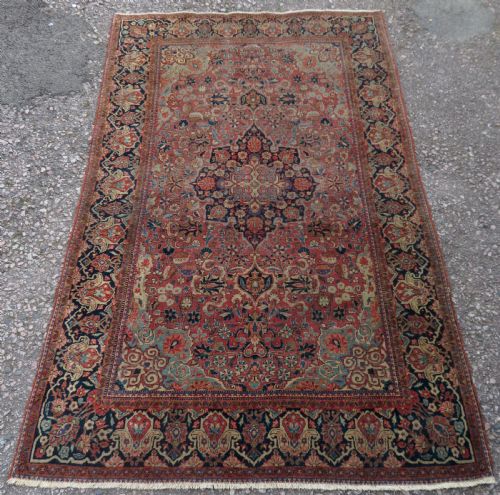
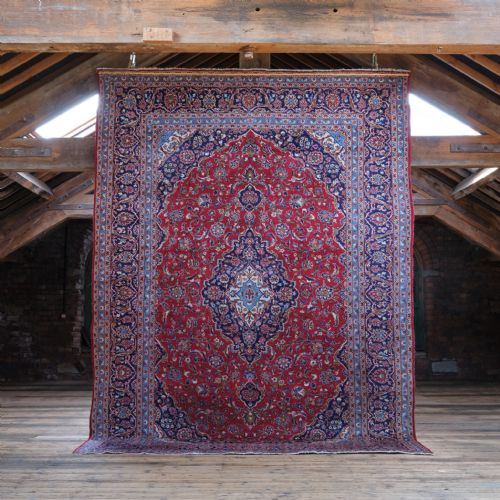
A hand knotted kashan represents a distinct lineage of woven floor coverings originating from central Persia, known for intricate medallions and floral motifs. Buyers searching for a hand knotted kashan encounter formats ranging from manageable area pieces to palace dimensions and carpets.
The selections span various decades from the nineteenth century into the Edwardian era and the 1940s, capturing traditional Persian styles alongside Indo-Persian variations. Rugs, prayer rugs, and pictorial designs depicting specific figures appear regularly across the listings.
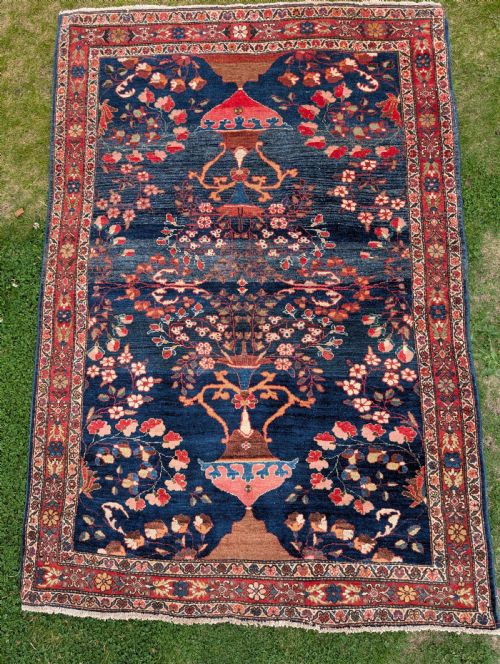
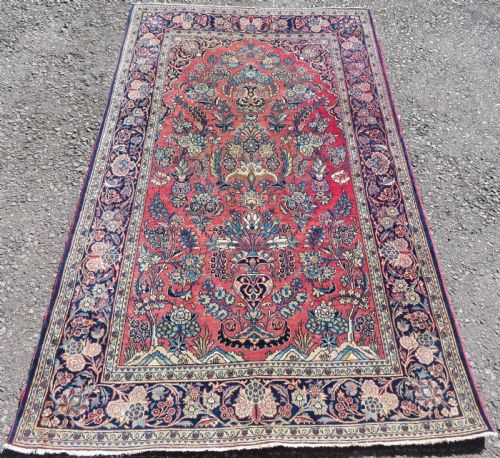
Many examples utilise classic central medallion layouts, while others adopt all-over floral and vase configurations or Khatami designs. Regional variations extend from north west central Persia to specific workshop pieces.
Distinctions in quality
Knot density and fibre selection dictate the refinement of a hand knotted kashan, with fine silk and soft kork wool marking exceptional examples. Finer materials allow for crisper definition in floral motifs and vase designs.
The sophistication of the palette and the clarity of pictorial details separate standard utility pieces from masterworks. Workshop attributions and specific portrait depictions add historical weight to individual carpets.
Selected pictorial rugs preserve the likenesses of historical figures including Ahmad Shah Qajar and Tsar Nicholas.
Mohtasham·Haroon
The Hand Knotted Kashan Glossary
- Kashan
- A city in central Persia renowned for producing finely knotted carpets and rugs with intricate floral designs. It stands as a historic centre of textile production.
- Knot
- The individual loop of yarn tied around the warp threads by hand to form the pile of a rug. Higher density typically indicates greater technical skill.
- Kork wool
- High-grade lamb wool gathered from the neck of the animal, prized for its soft texture and lanolin content. This material yields a particularly lustrous pile.
- Prayer rug
- A small rug featuring a mihrab or niche design used historically for private prayer. These pieces often display specific floral vase motifs.
- Pictorial rug
- A woven textile depicting recognizable figures, historical personages, or specific narrative scenes rather than abstract medallions. Examples include royal portraits and commemorative subjects.
Hand Knotted Kashan: Frequently Asked Questions
How do I clean a kashan?
Professional dusting and specialist immersion washing preserve the delicate wool and silk fibres without damaging the cotton foundation. Regular gentle vacuuming without a beater bar removes surface grit.
Avoid chemical solvents and excessive moisture, which can bleed natural dyes or weaken ancient foundations. Specialist textile conservators handle deeper restoration and repairs.
Where were kashan rugs made?
Weavers produced these carpets in Kashan and surrounding districts of central Persia, drawing on centuries of local weaving traditions. Certain examples originate from workshops influenced by Indo-Persian styles.
Production centres utilised locally sourced materials including high-grade mountain wool and cultivated cotton. Master workshops maintained strict standards for knot density and design symmetry.
Are these rugs suitable for high traffic?
Wool and kork wool pieces with dense pile withstand moderate foot traffic in living spaces and studies. Silk examples require more careful placement away from heavy wear.
Underlays prevent slipping and reduce friction between the rug and the floorboards. Rotating the carpet periodically ensures even exposure to light and wear.
What is a prayer rug design?
A prayer rug design incorporates a distinct arched niche or mihrab pointing toward Mecca. Floral vases and floral sprays frequently fill the field beneath the arch.
Historically, owners used these portable textiles for personal devotion during travel or at home. Today they function as wall hangings or focused accent pieces.