




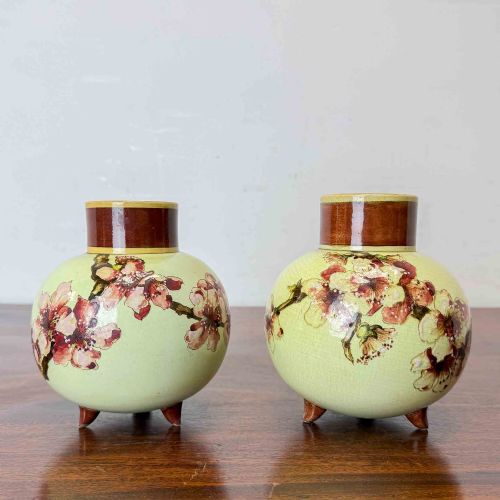
Hand Glazed Vessel
When you search for a hand glazed vessel, you meet earthenware, stoneware, and ceramic pieces shaped into vases, jars, and bottles.
Hand Glazed Vessel
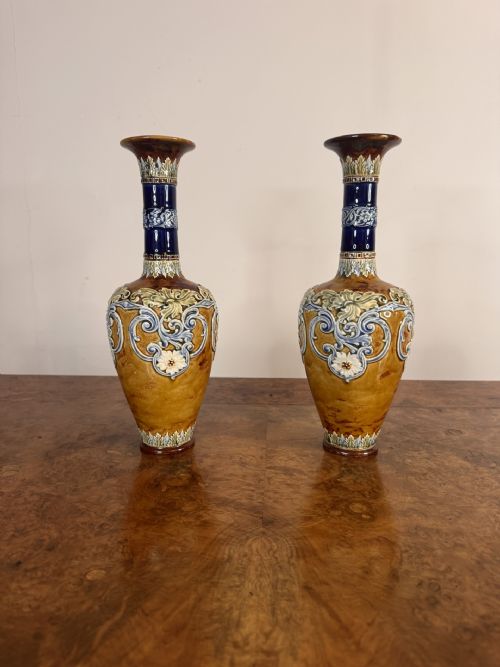
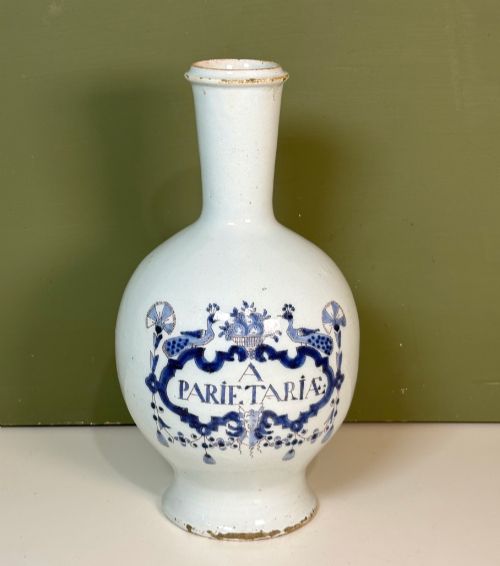
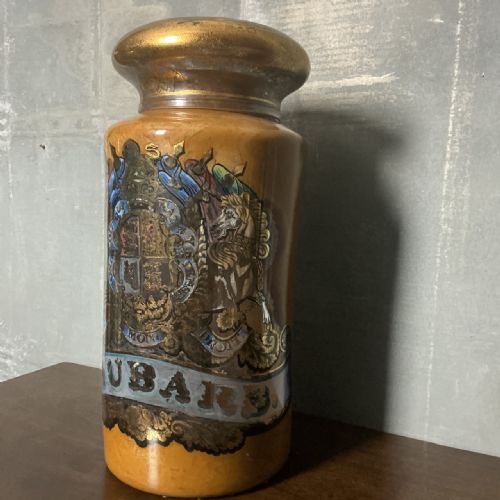
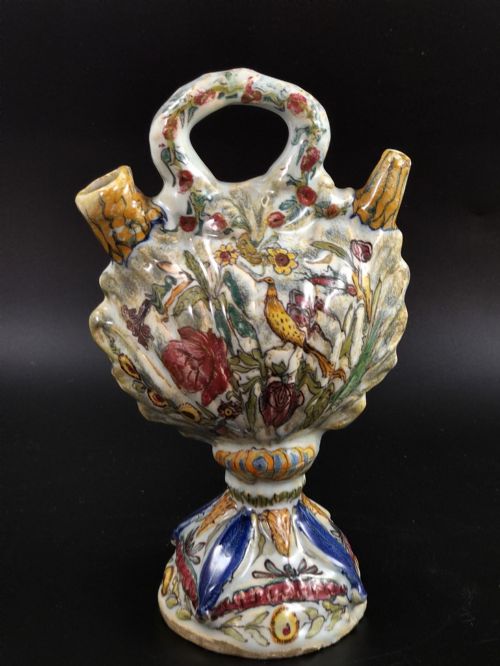
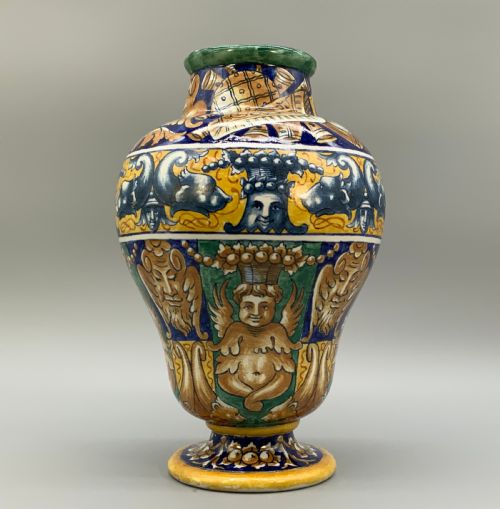
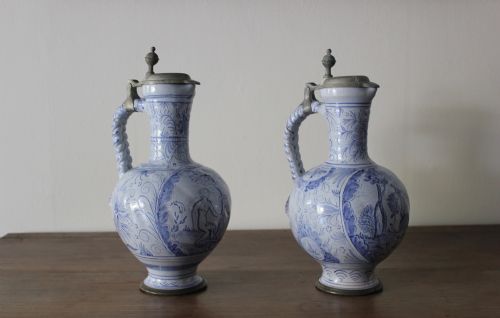
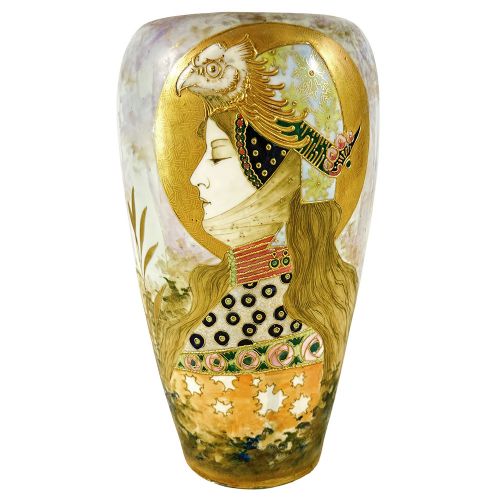
A hand glazed vessel encompasses a wide range of historic ceramic containers, from Victorian apothecary jars and pharmacy albarelli to Japanese Satsuma vases and Dutch Delftware puzzle jugs. Buyers exploring this category will frequently encounter decorative vases, handled jugs, and covered boxes spanning several centuries.
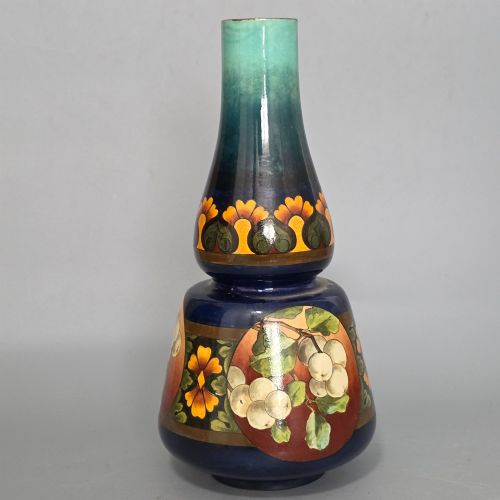
The selection ranges from early eighteenth-century European pottery to twentieth-century Arts and Crafts, Art Nouveau, and Art Deco creations. Forms include bulbous pharmacy vessels, pill bottles, pilgrim flasks, and large display urns originating from British, continental European, and Asian workshops.
How they were made
Potters shaped these bodies primarily from earthenware, stoneware, and ceramic clay, often applying tin glaze or enamel coatings to the surfaces. Artisans then hand-painted intricate polychrome or blue and white designs directly onto the unfired or biscuit-fired layers.
Many items incorporate additional decorative techniques such as gold leaf application, relief moulding, and high-temperature kiln firing. Specialised potteries utilised hand-brushing methods to achieve the distinct pooled colours and glossy finishes visible across the wares.
Hand Glazed Vessel Retail Price Guide 2026
Typical asking prices for hand glazed vessel among the pieces listed under this phrase on Sellingantiques today, from the lower quarter to the upper quarter. They describe what is for sale here now, not the wider market.
Listings feature items spanning the 18th, 19th, and early 20th centuries, created using earthenware, stoneware, and tin glaze.
What varies in quality
Quality rests in the crispness of the hand-painted brushwork, the evenness of the glaze application, and the complexity of the underlying ceramic form. Pieces decorated by named designers or produced in notable workshops demonstrate superior artistic control and refined detail.
The depth of the palette, the stability of the glaze without excessive pooling, and the preservation of delicate surface gilding dictate the standing of an individual vessel within its period.
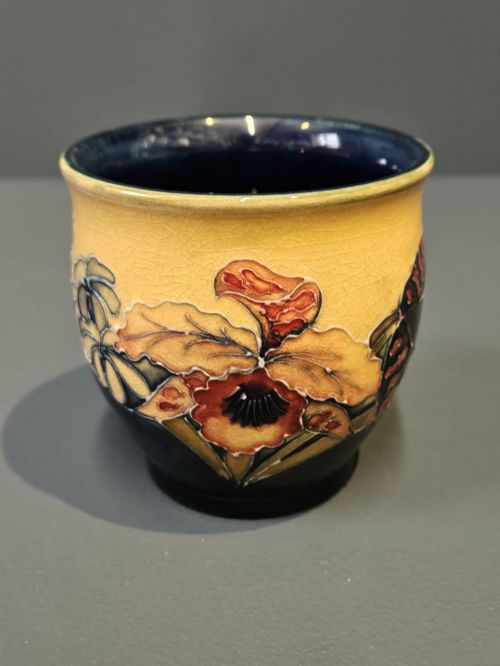
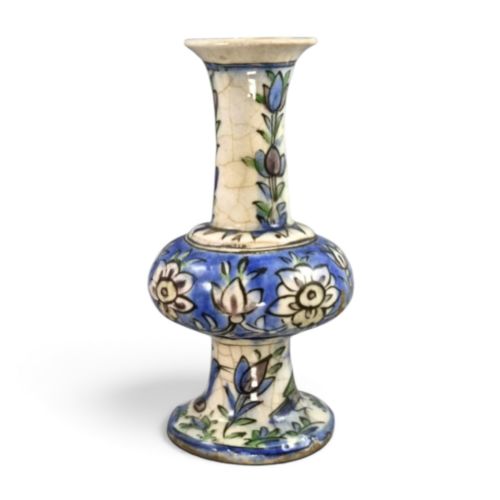
Moorcroft·Doulton Lambeth·Reissner Stellmacher and Kessel·Kinkozan
The Hand Glazed Vessel Glossary
- Albarello
- A cylindrical pharmacy jar designed for holding dry drugs or ointments, frequently featuring an inward-curving waist for easy gripping.
- Tin glaze
- An opaque white glaze produced by adding tin oxide to a lead glaze, providing a smooth surface for painted decoration.
- Faience
- European tin-glazed earthenware, particularly that made in France, Italy, and the Netherlands during the historic periods.
- Majolica
- Italian tin-glazed earthenware notable for bright polychrome painting, later used to describe nineteenth-century colourful lead-glazed wares.
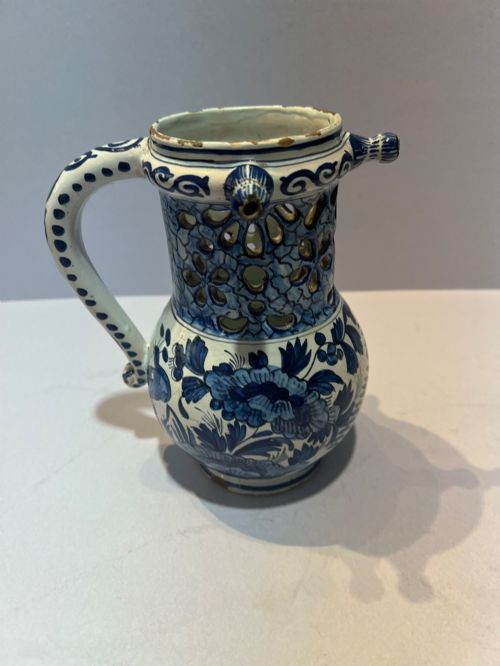
- Puzzle jug
- A historic drinking vessel with a perforated neck and multiple spouts that requires solving a fluid riddle to drink without spilling.
Hand Glazed Vessel: Frequently Asked Questions
How do I date a hand glazed vessel?
Dating relies on examining the ceramic body, the formulation of the glaze, and the stylistic markers of the painted decoration. Comparing shape profiles against known period examples helps narrow the decade of production.
Potters often applied distinct workshop marks, cyphers, or signature styles to the base that correspond to specific historical eras and manufacturing centres.
Were apothecary jars used for medicine?
Historic pharmacy jars and albarelli held dry drugs, syrups, and ointments in apothecary shops and dispensaries. Their primary function was storage rather than display.
Labels painted directly onto the tin glaze identified the contents for the apothecary, protecting sensitive herbal remedies from light and moisture.
How should I clean an antique ceramic vessel?
Dusting gently with a soft, dry cloth is usually sufficient for maintaining glazed ceramic and earthenware surfaces. Avoid submerging older pieces in water, especially if they have exposed porous clay bodies or fragile gold leaf.
Harsh chemical cleaners strip historic glazes and damage painted decoration, so conservation experts recommend minimal handling and dry maintenance.
What is the difference between earthenware and stoneware?
Earthenware is fired at lower temperatures, resulting in a porous body that requires a glaze to become impermeable to liquids. Stoneware is fired much higher until the clay vitrifies into a dense, non-porous material.
Both types support hand glazing, but stoneware vessels tend to be heavier and more durable than their earthenware counterparts.