



Hand Embroidered Textile Art
Hand embroidered textile art brings centuries of needlework, from Central Asian suzanis to English samplers, directly onto the wall as decorative panels.
Hand Embroidered Textile Art
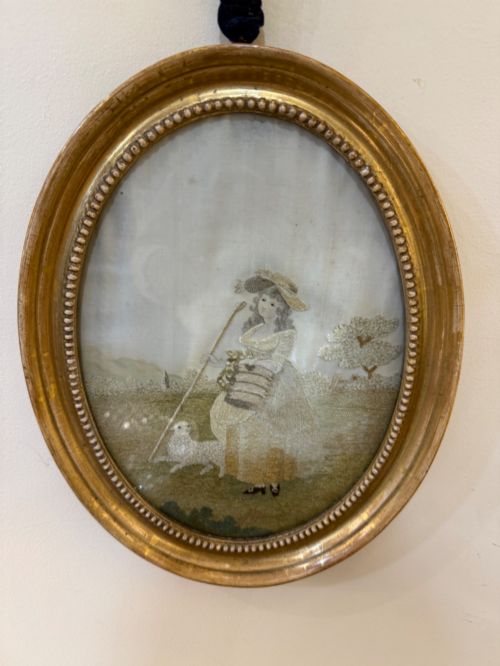
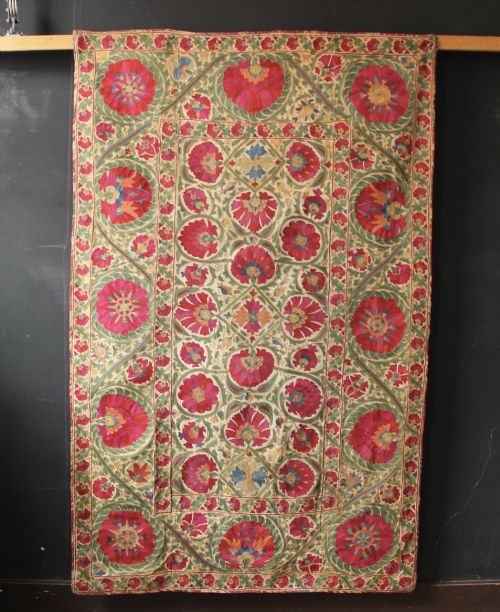
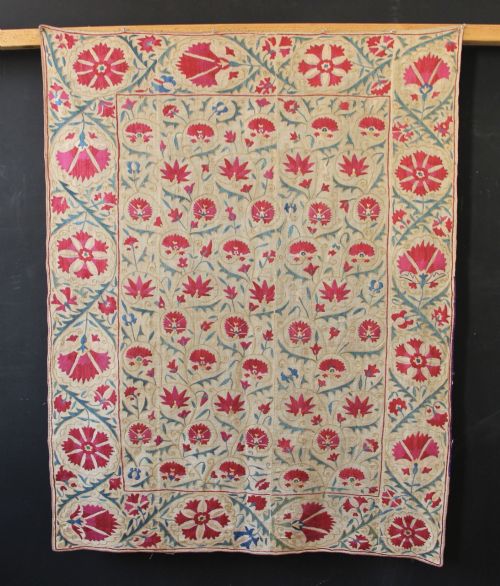
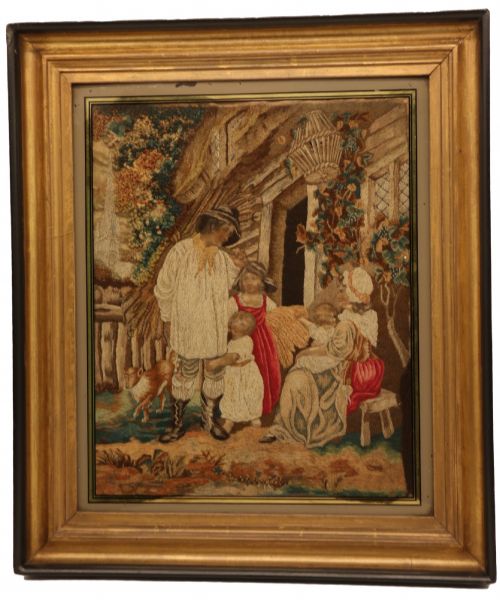
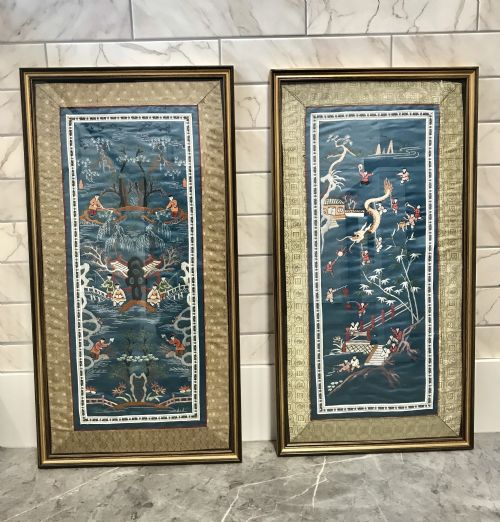
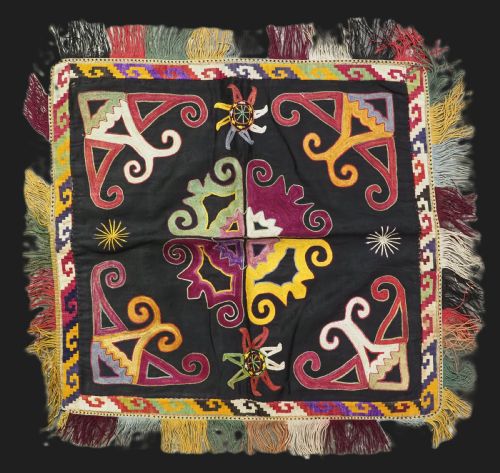
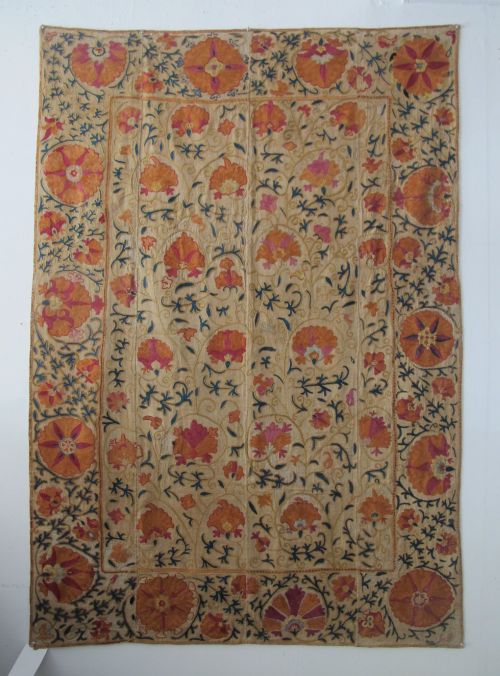
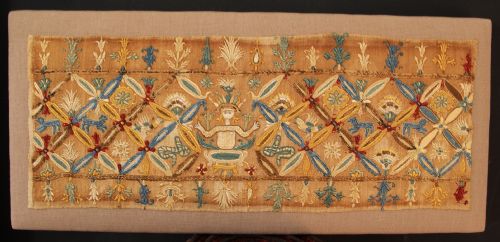
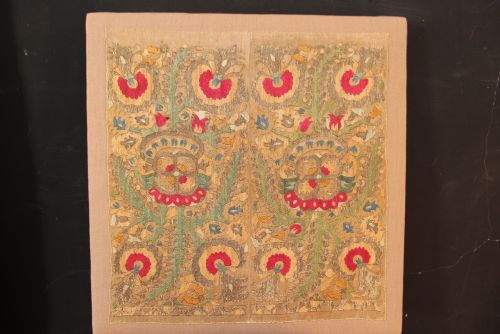
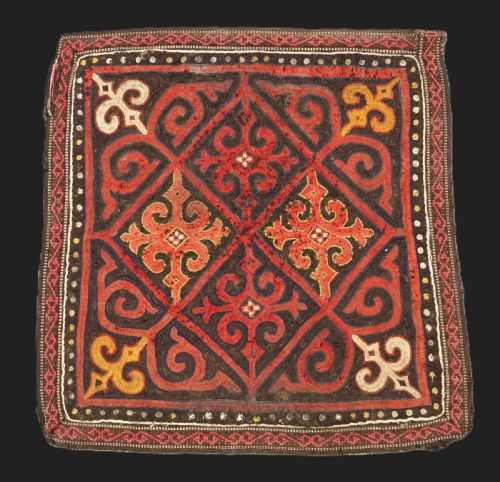
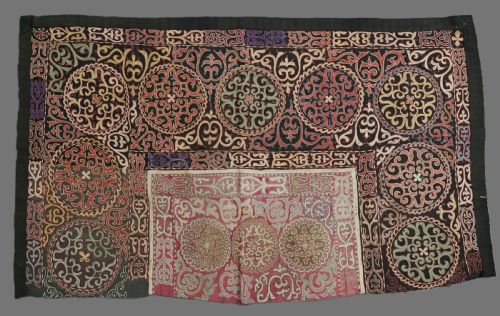
When you search for hand embroidered textile art, you encounter diverse traditions spanning the eighteenth, nineteenth, and early twentieth centuries. These works include large wall hangings, ceremonial garments, dowry pieces, and framed samplers created by various cultures. Central Asian suzanis, Greek island fragments, and English needlework pictures dominate the forms seen on this page.
The objects served domestic, ceremonial, or educational purposes before entering the collector market. Uzbek suzanis and Kyrgyz tush kyiz functioned as textiles for yurts and homes, while samplers demonstrated the needlework proficiency of young makers like Mary Mason and Emma Barnes. Textile panels and wall art bring these historic utilitarian and decorative pieces into modern interior settings.
Geographic origins dictate the character of the design and construction. Central Asian works from Bokhara, Samarkand, and Tashkent contrast with Mediterranean examples from Crete, Epirus, and Skyros. English and Chinese silk embroideries represent distinct urban and traditional regional workshops operating across the same periods.
Materials and construction methods
Needlework artisans utilised natural fibres as grounds and threads, combining silk, cotton, wool, and linen. Silk thread provides the saturated colour and glossy finish seen on Suzanis and Chinese panels, while cotton and linen serve as robust support fabrics for heavier stitching.
Stitching techniques vary according to regional tradition, encompassing counted-thread samplers, surface embroidery on felt or velvet, and hand-painted silk integration. Frames incorporating glass, giltwood, and wood preserve smaller panels, samplers, and fragment mounts from environmental damage.
Ground materials recorded across the inventory include silk, cotton, linen, wool, felt, and velvet.
Assessing quality in antique needlework
Density of stitch work and coverage determine the ambition of a piece, separating full-work embroidery from sparser designs. Regional examples described as full work or employing intricate Bokhara techniques display disciplined execution across the ground fabric.
Condition of the textiles and integrity of the original fibres govern preservation. Intact grounds, stable threads, and minimal restoration maintain the visual impact of historical wall hangings and framed needlework pictures.
The Hand Embroidered Textile Art Glossary
- Suzani
- A traditional embroidered tribal textile from Central Asia, typically produced in Uzbekistan as part of a bride's dowry. These large wall hangings feature bold floral and botanical motifs worked in silk on cotton or linen grounds.
- Sampler
- A piece of needlework produced by a maker to demonstrate proficiency in various stitches and alphabets. Dated examples often record the name and age of the maker, such as the nineteenth-century work by Mary Mason.
- Chyrpy
- A women's ceremonial coat from Turkmenistan worn draped over the shoulders with false sleeves. These garments feature dense silk embroidery covering the upper torso and back.
- Ilgich
- A specific type of dowry embroidery produced by the Lakai tribe in Central Asia. They utilise dynamic geometric and zoomorphic designs.
Hand Embroidered Textile Art: Frequently Asked Questions
How do I hang antique textiles?
Large textile art pieces and suzanis require weight distribution to prevent fabric distortion. Conservation methods often involve attaching a sleeve to the reverse for a padded rod or mounting the textile onto a stretched, fabric-covered board.
Framing under glass suits smaller fragments, samplers, and delicate silk panels. This protects fragile threads from dust and direct handling while allowing clear display on the wall.
How are Central Asian suzanis dated?
Dating relies on natural material analysis, dye types, and regional stylistic evolution. Nineteenth-century examples typically employ hand-spun cotton grounds and specific natural dye palettes before synthetic alternatives became widespread.
Tribal attributions to centres like Bokhara, Tashkent, or Samarkand help narrow the period of origin. Comparative study of stitch density and floral motifs provides further chronological context.
What is a tush kyiz used for?
A tush kyiz served as a central decorative and ceremonial hanging inside a nomadic yurt. Families displayed them on the back wall to honour newlyweds and express wishes for prosperity.
These large embroidered panels combined wool felt and silk thread to depict traditional ornaments and landscape elements. Today, collectors preserve them as wall art.
How do I care for historic embroidery?
Historic textiles require protection from direct sunlight and artificial heat sources to prevent fading of silk threads. Keeping pieces away from moisture and high humidity stops mould growth on cotton and linen grounds.
Dusting should be done gently with a soft brush or low-suction vacuum through a protective mesh screen. Professional textile conservators should handle any major cleaning or structural repair.