






Hand Decorated Pottery
Hand decorated pottery brings together centuries of painted and glazed ceramics, offering domestic vessels and decorative forms finished by hand.
Hand Decorated Pottery
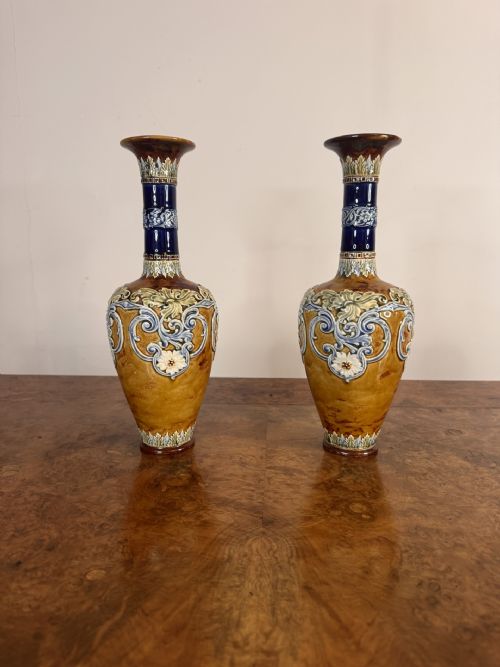
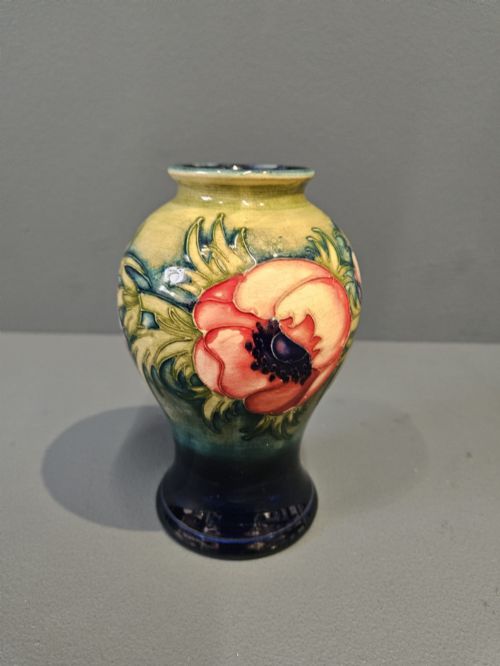
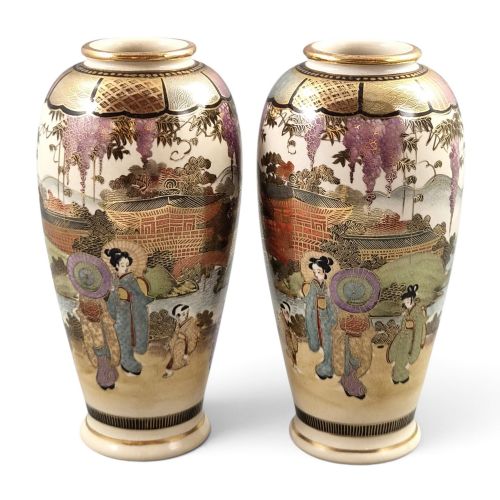
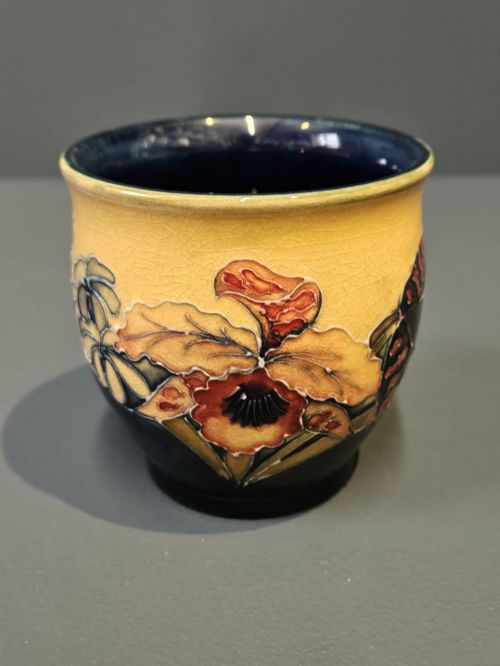
Hand decorated pottery encompasses domestic and decorative ceramics finished by hand, from early earthenware bowls to Victorian jugs and Satsuma vases. When exploring hand decorated pottery, buyers encounter items ranging from Georgian creamware and Delft bowls to Arts and Crafts pieces and Art Deco pottery.
How they were made
Potters shaped these objects using earthenware, creamware, porcelain, and ceramic bodies. Makers then applied glazes, enamel colours, and sometimes gold leaf to the surfaces.
Decoration involved hand painting, transfer printing, or sponge decoration, followed by firing in kilns to set the pigments and glazes.
Hand Decorated Pottery Retail Price Guide 2026
Typical asking prices for hand decorated pottery among the pieces listed under this phrase on Sellingantiques today, from the lower quarter to the upper quarter. They describe what is for sale here now, not the wider market.
Listings feature Earthenware, Porcelain, and Ceramic materials decorated with Enamel, Glaze, and Gold Leaf across multiple centuries.
What varies in quality
Quality rests in the precision and clarity of the hand painting, the control of the glaze and enamel, and the crispness of the modelled form. Stronger examples display confident brushwork and well-balanced compositions by skilled hands.
The reputation of the pottery and the distinctiveness of the pattern also influence the standing of a piece within its period.
Mann & Co·Doulton Lambeth·Plichta Pottery·Wemyss·Wedgwood·Poole Pottery·Leeds Creamware Pottery·Copeland Pottery
The Hand Decorated Pottery Glossary
- Creamware
- A refined earthenware with a pale yellowish or cream-coloured glaze, developed in England during the eighteenth century. It became widely used for tableware and decorative items.
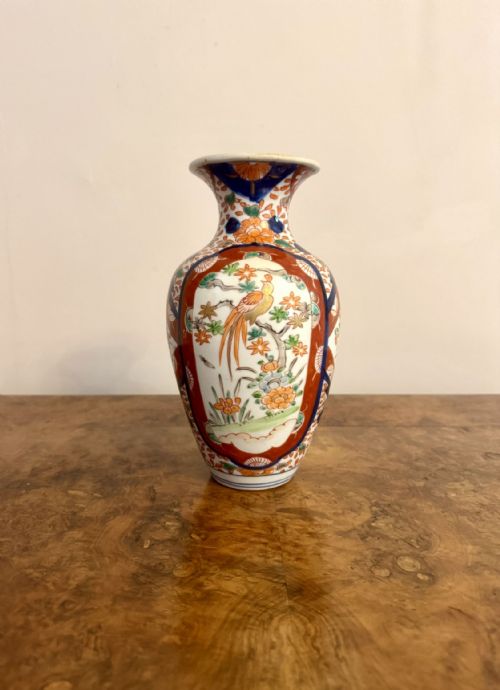
- Satsuma
- A type of Japanese earthenware featuring a crackled ivory glaze decorated with enamels and gold leaf. These wares were produced extensively during the Meiji period for export and domestic markets.
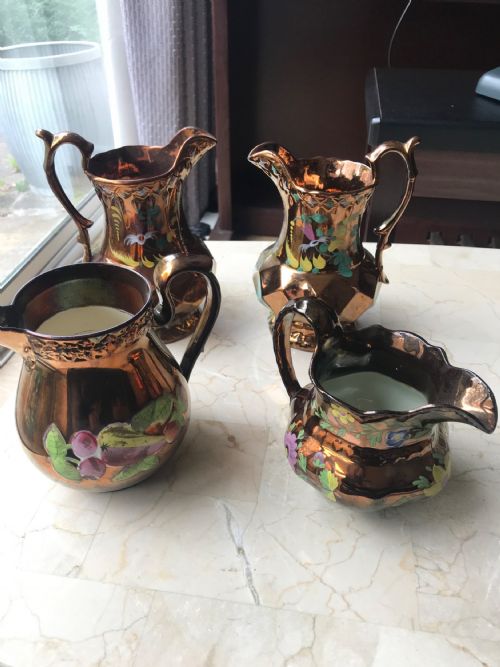
- Copper lustre
- A metallic glaze technique that produces a coppery, reflective surface on pottery. It was popular on nineteenth-century jugs and tableware.
- Delft
- Tin-glazed earthenware associated with Dutch and English production, typically painted in blue or polychrome colours. Early pieces often date from the seventeenth and eighteenth centuries.
- Spongeware
- Pottery decorated by dabbing pigment onto the clay body using a sponge or similar material to create mottled patterns. This technique appears on nineteenth-century domestic bowls and utility wares.
Hand Decorated Pottery: Frequently Asked Questions
What is hand decorated pottery?
Hand decorated pottery refers to ceramic objects finished with painted, enamelled, or glazed decoration applied by hand rather than solely by industrial machinery. This category includes everything from early Delft bowls and Georgian creamware to Victorian copper lustre jugs and Japanese Satsuma vases.
Items range from utilitarian vessels like tankards and plates to decorative figures, bowls, and vases produced across several centuries in Europe and Asia.
How do I date these pieces?
Dating relies on identifying the ceramic body, glaze characteristics, style of decoration, and any maker marks or signatures present on the base. Stylistic clues such as Meiji period motifs or Art Deco forms provide clear chronological brackets.
Comparing known factory patterns and materials helps narrow down the period of manufacture, from seventeenth-century earthenware to twentieth-century art pottery.
How were these ceramics used?
Many pieces served practical domestic functions, including serving milk, water, or tea, holding preserves, or storing food in the kitchen. Tankards, jugs, and plates were made for daily dining and tavern use.
Other items, such as miniature vases, figurines, and decorative plaques, were intended purely for display in domestic interiors.
How do I care for antique pottery?
Antique pottery requires gentle handling and should be washed by hand in lukewarm water using mild soap when necessary. Dishwashers and harsh chemical cleaners can damage fragile glazes, enamels, and gold leaf.
Display pieces away from direct sunlight and sudden temperature shifts to protect the ceramic body and surface decoration over time.