




Hand Carved Wooden Spoon
These hand carved wooden spoon examples are domestic treen and folk art utensils shaped by hand, offering tactile historical character to collect and display.
Hand Carved Wooden Spoon
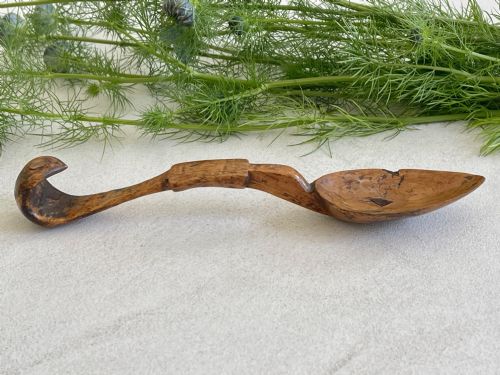
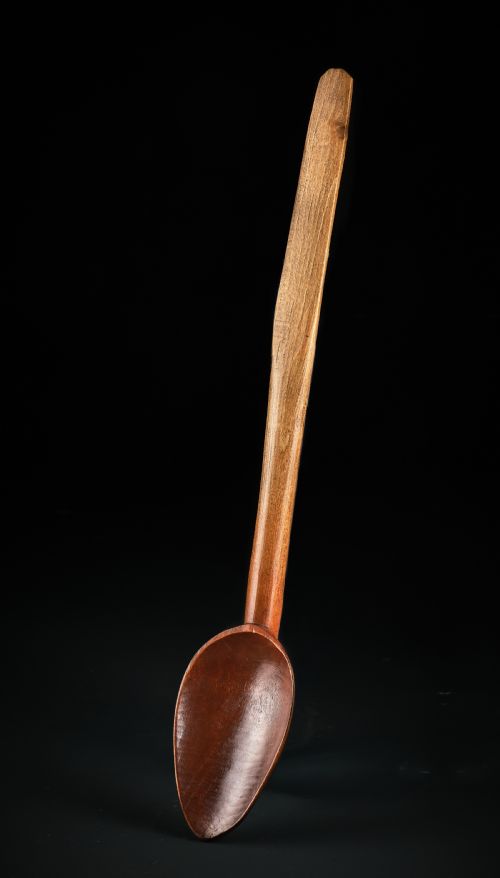
A hand carved wooden spoon bridges practical domestic utility and regional folk artistry, ranging from simple kitchenalia to intricate decorative tokens. You will encounter various forms across this selection, including lovespoons, caddy spoons, basting spoons, and ladles.
The material traditions span several centuries, with pieces emerging from Georgian, Victorian, and Edwardian periods. Welsh folk art forms and Scandinavian designs dominate the offerings, alongside occasional East Asian and African ceremonial examples.
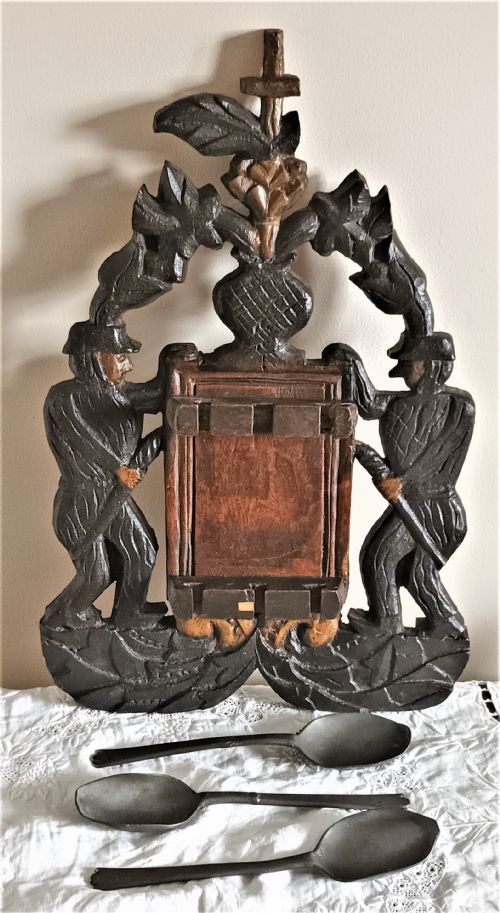
Domestic pieces often show the honest wear of kitchen use, while ceremonial items display ambitious pierced carving and sentimental motifs. Buyers frequently find spoon racks complete with pewter trefid spoons sitting alongside individual treen scoops.
Materials and carving techniques
Maker traditions rely heavily on domestic hardwoods such as oak, beech, cherry, and fruitwood, alongside pale sycamore timber. Craftsmen utilised green wood or seasoned timber, shaping the bowls and handles entirely with hand knives and gouges.
Surface decoration involves simple incised engraving, chip carving, or elaborate pierced work seen on lovespoons and ceremonial pieces. Natural patination develops through handling and oiling over generations, preserving the tool marks of the original maker.
Listings feature items dated from the eighteenth, nineteenth, and early twentieth centuries, including the Edwardian period.
Distinguishing quality in older utensils
Quality rests upon the confidence of the carving, the crispness of surviving detail, and the integrity of the timber. A successful piece maintains balanced proportions between the handle and the bowl, showing purposeful tool control rather than hesitation.
Surface preservation dictates much of the appeal, where deep patination and honest signs of age enhance the form without concealing the maker's hand. Finer examples retain delicate pierced motifs or crisp engraving that resists softening through over-cleaning.
The Hand Carved Wooden Spoon Glossary
- Treen
- Small handmade wooden objects of domestic use. This category encompasses spoons, bowls, ladles, and kitchenalia.
- Lovespoon
- An ornamental wooden spoon traditionally carved as a token of affection. Welsh examples frequently feature intricate pierced details and symbolic motifs.
- Trefid spoon
- An early form of spoon featuring a three-lobed flattened terminal on the handle. These commonly appear alongside antique oak spoon racks.
- Caddy spoon
- A short-handled spoon designed for measuring loose tea leaves. They often exhibit careful carving and diminutive proportions.
- Folk art
- Utilitarian or decorative objects made by self-taught or traditional craftsmen. The style reflects regional cultural patterns rather than academic fine art conventions.
Hand Carved Wooden Spoon: Frequently Asked Questions
What is a lovespoon?
A lovespoon is an intricate wooden spoon traditionally carved by hand as a romantic token or gift. Makers often incorporated symbols like hearts and chains into the design.
These pieces typically originate from folk art traditions, particularly in Wales, where suitors demonstrated their woodworking skill to prospective partners.
How were old wooden spoons used?
These implements served daily domestic purposes in kitchens and dining rooms across past centuries. Items ranged from large basting and serving ladles to small condiment and snuff spoons.
Some examples, such as ceremonial or token pieces, held symbolic or decorative value rather than seeing service at the dining table.
How do I care for wooden spoons?
Keep wooden items away from direct heat sources, strong sunlight, and excessive moisture to prevent warping and splitting. Gentle cleaning with a soft cloth preserves the historic surface patination.
Applying occasional light mineral oil helps maintain the natural moisture of the timber without building up sticky residues.
How do I identify the wood type?
Examination of the grain, weight, and colour helps determine the species used by the maker. Fruitwood, sycamore, oak, and beech each present distinct visual characteristics and densities.
Age and centuries of handling often darken the timber, creating a rich patina that conceals some original grain patterns.