




Antique Kitchen Utensil
These antique kitchen utensils are hardworking survivors from Georgian and Victorian hearths, prized for their honest materials and utilitarian charm.
Antique Kitchen Utensil
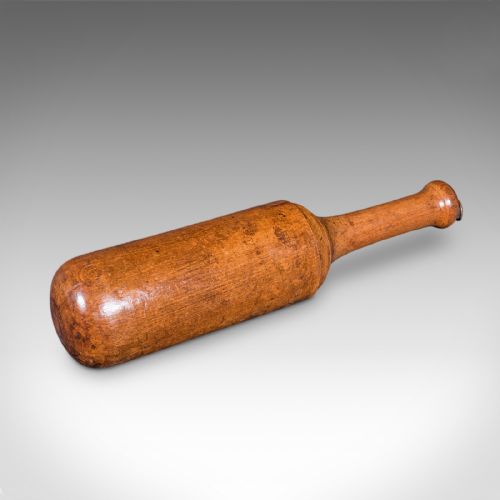
When you search for an antique kitchen utensil, you encounter everyday implements forged, turned, and cast for domestic labour in past centuries. These pieces encompass everything from heavy brass saucepans and iron pan stands to wooden treen mallets, basting spoons, and bannock turners.
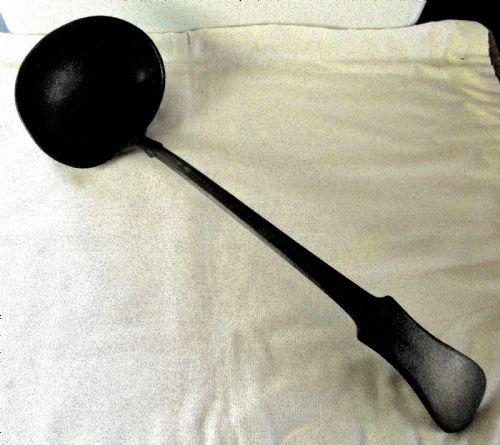
The selection here draws heavily from the 19th century and the Georgian era, leaning towards regional expressions such as Scottish vernacular and Welsh country pieces. You are most likely to meet utilitarian brass skimmers, pewter ladles, and beechwood scoops that once served busy country houses and modest kitchens alike.
How they were made
Metal utensils rely on traditional foundry and blacksmithing methods, utilising cast brass for saucepans and skimmers, alongside wrought iron and pewter for ladles and pan stands. These metals were shaped by hand, often leaving behind tactile hammer marks and casting seams.
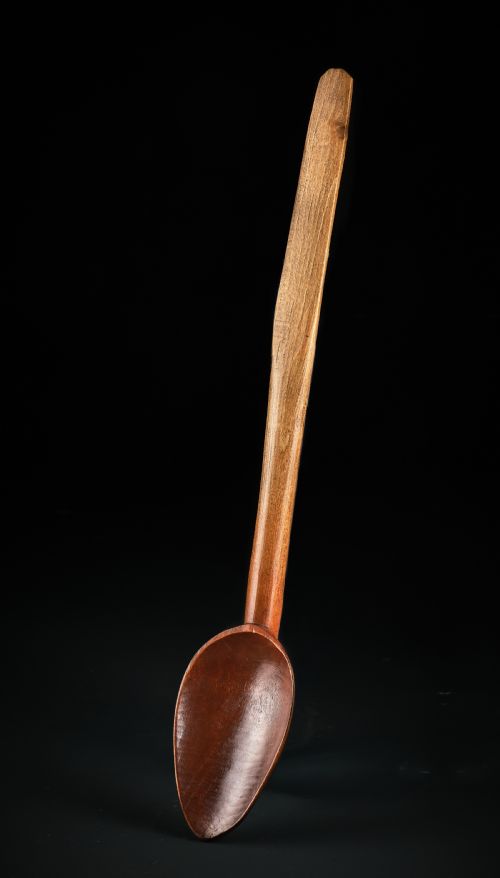
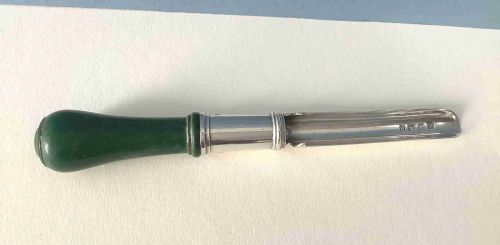
Wooden items demonstrate traditional carpentry, utilising hardwoods like beech turned on lathes for basting spoons, flour scoops, and kitchen mallets. Even silver apple corers show careful shaping to create functional blades for domestic food preparation.
What varies in quality
Quality in these implements rests upon the integrity of the material and the survival of original form through decades of hard use. Pieces retaining their proper weight in brass and iron, or unthinned timber in treen spoons and scoops, stand apart from heavily worn examples.
Maker identification also elevates a piece, as seen in marked pewter items from established workshops like Dixon and Son. The balance between utilitarian purpose and remaining decorative appeal dictates the standing of each domestic implement.
Dixon And Son
The Antique Kitchen Utensil Glossary
- Treen
- Small handmade wooden objects of domestic use. This term covers items like beechwood basting spoons, scoops, and kitchen mallets.
- Vernacular
- Everyday objects shaped by regional traditions rather than grand architectural or decorative styles. Scottish bannock turners and Welsh scoops fall into this category.
- Pewter
- A malleable metal alloy containing tin, historically used for tableware and ladles. It patinates richly over centuries of handling.
- Skimmer
- A flat, perforated utensil used for skimming liquids or removing food from hot water. Brass examples are frequently found in Victorian kitchens.
Antique Kitchen Utensil: Frequently Asked Questions
How were antique brass saucepans used?
These heavy brass vessels sat directly upon hearth fires or early ranges for boiling liquids, simmering broths, and preparing daily meals.
Their substantial metal construction allowed them to conduct heat evenly across open flames before modern cookers existed.
How do I care for wooden treen?
Keep wooden kitchen items away from excessive heat and direct sunlight to prevent the timber from splitting or warping.
Periodic application of food-safe mineral oil helps maintain the moisture and natural sheen of older beechwood surfaces.
Are pewter ladles safe to use?
While older pewter can contain trace metals, most collectors treat these historic ladles as display pieces rather than active tableware.
Gentle dusting and minimal washing preserve the soft metallic finish accumulated over the nineteenth century.