
Hand Carved Wood
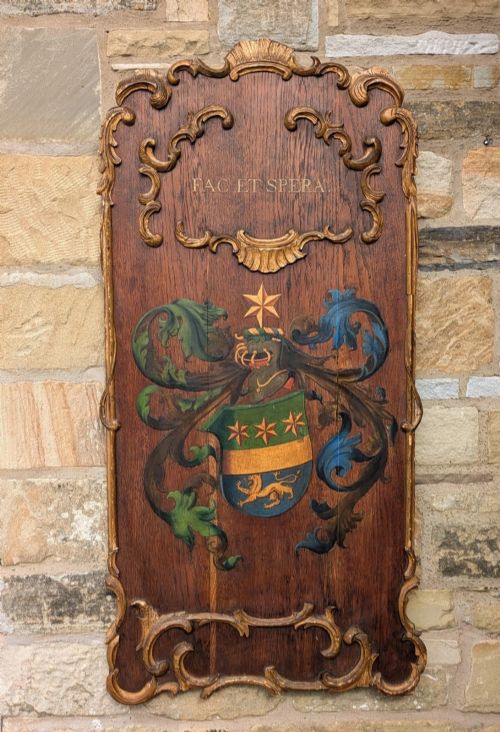
When you explore hand carved wood, you find an extraordinary range of sculptures, mirrors, and furnishings shaped by centuries of regional craft.
Hand Carved Wood
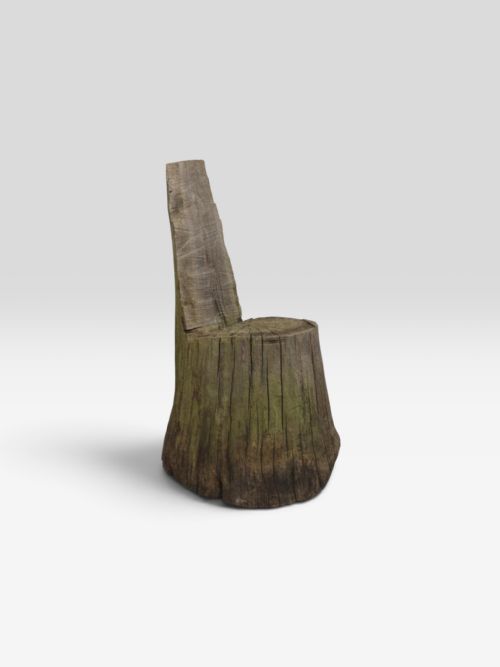
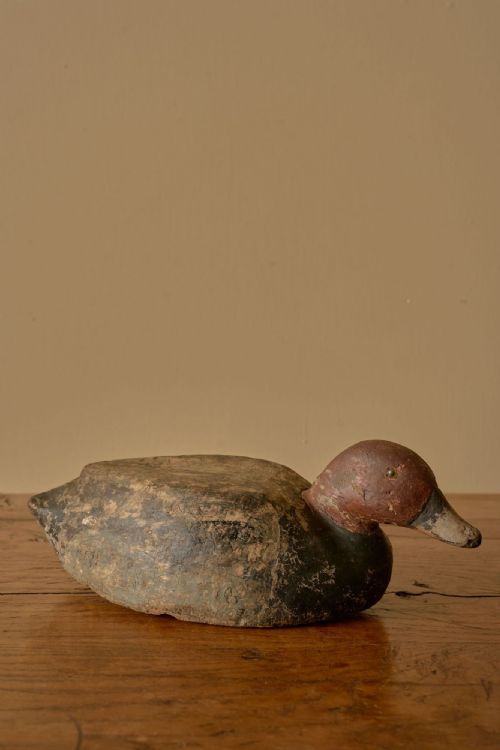
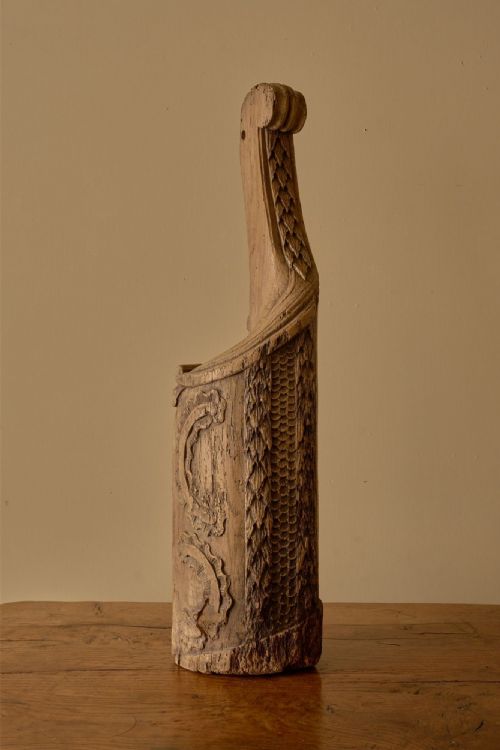
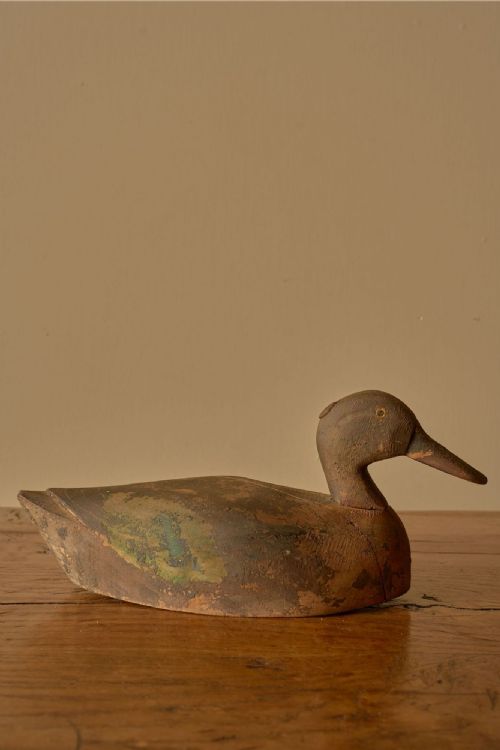
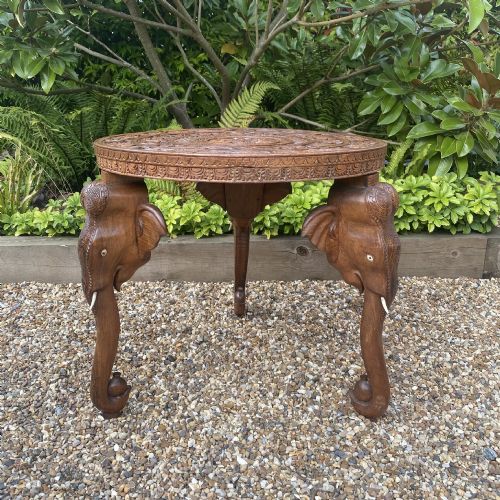
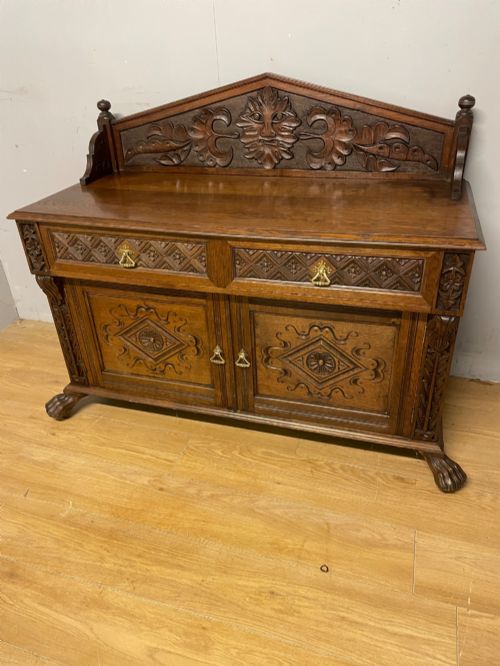
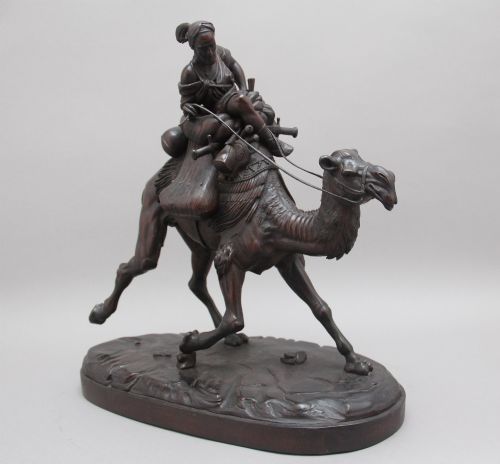
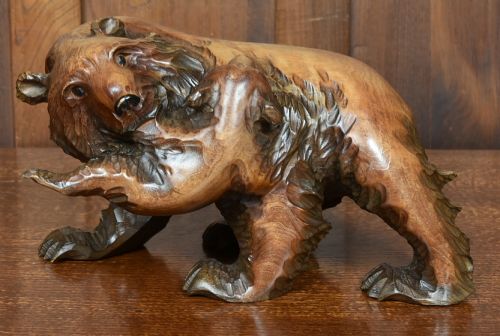
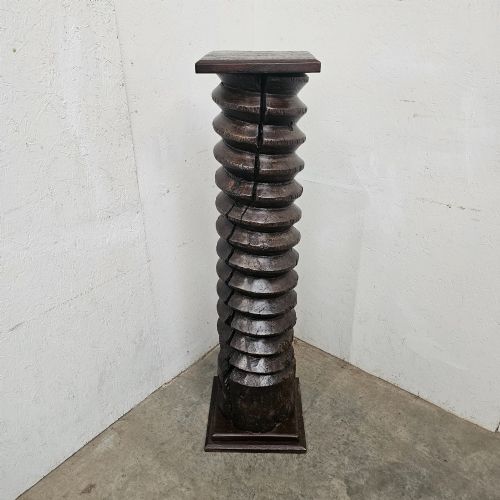
Hand carved wood encompasses a vast variety of domestic objects, functional furnishings, and sculptural works spanning from the sixteenth century into the twentieth century. Buyers encounter everything from Black Forest animal studies and folk art decoys to Anglo-Indian cabinets and Chinese rosewood tables.
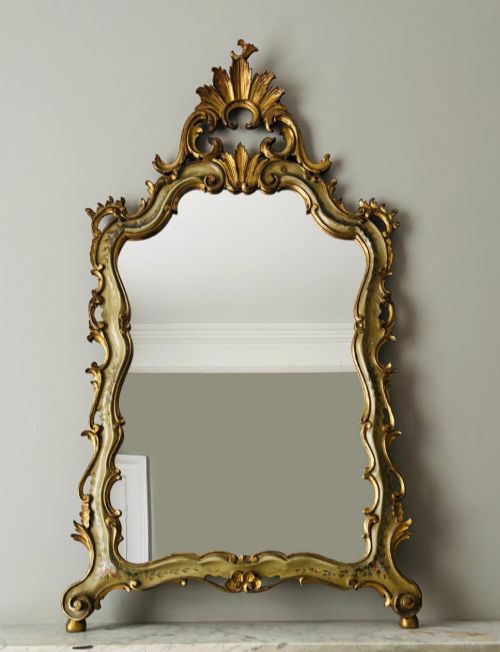
The selection ranges across distinct geographic traditions, including Burmese seating, Kashmiri trays, and European giltwood mirrors. Pieces take the form of wall lights, boxes, figures, and larger architectural elements created for international markets.
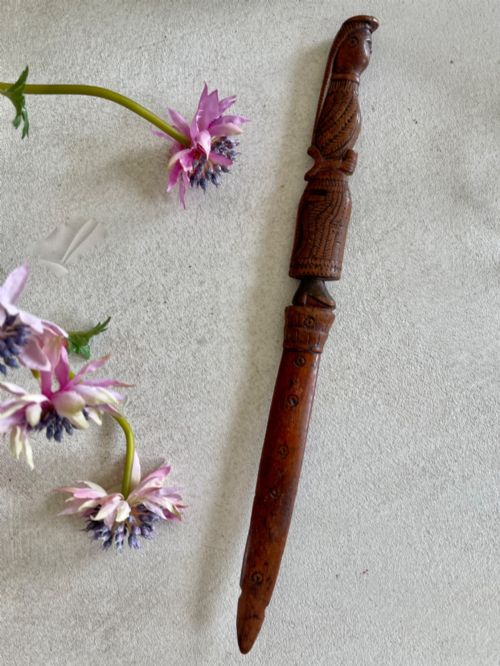
Domestic items such as snuff boxes, match holders, and letter openers sit alongside substantial seating, sideboards, and beds. This diversity reflects the wide application of carving techniques across different cultural contexts and periods.
How they were made
Craftsmen utilised regional timbers suited to their local traditions, selecting fruitwood, limewood, oak, walnut, teak, and denser hardwoods like sandalwood and padouk. Each wood species dictated the depth and intricacy of the carving possible, from crisp architectural mouldings to fine animal fur.
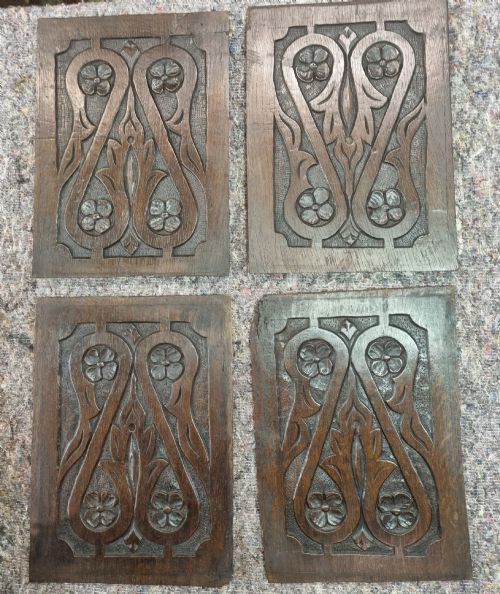
Makers applied hand tools to chisel, gouge, and shape the raw material, occasionally finishing surfaces with paint, gilt, or polish. Details such as silver inlay and pokerwork further augmented the natural grain of the timber.
Among the carved animals, a gnome match striker with a date and signature stands ready to light your hearth.
What varies in quality
Quality rests primarily in the anatomical precision or decorative fluidity of the carving, distinguishing confident studio work from stiffer provincial output. The crispness of undercut foliage, the sensitivity in animal expressions, and the balance of proportion separate finer examples from standard production.
The choice of material heavily influences the standard of the piece, with dense exotic hardwoods and well-seasoned fruitwoods holding sharper detail over time. Integration of auxiliary elements like glass, brass, or painted highlights also marks the ambition of the original maker.
The Hand Carved Wood Glossary
- Folk art
- Objects created by self-taught or provincial artisans outside academic traditions, often displaying charming naivety and utilitarian purpose. These pieces rely on regional materials and traditional motifs handed down through generations.
- Black Forest
- A nineteenth-century Swiss and German style of carving characterised by realistic depictions of wildlife, notably bears, stags, and birds. Items range from small match holders to large hall stands and furniture.
- Treen
- Small handmade wooden household objects created before the widespread use of plastics and modern manufacturing. Examples include cups, lidded vessels, and small boxes valued for their tactile qualities and patination.
- Tramp art
- A decorative style of woodworking popular from the late nineteenth to mid twentieth centuries, formed by notching and layering discarded cigar boxes and crates. Pieces typically include boxes, frames, and small cabinets.
- Pokerwork
- The technique of decorating wood by burning designs into the surface with heated metal tools. It appears on cabinets, boxes, and panels, often combined with painted elements.
Hand Carved Wood: Frequently Asked Questions
How do I identify Black Forest carvings?
Look for deeply detailed representations of forest animals, particularly bears and stags, rendered with expressive glass eyes and naturalistic fur textures. These items frequently incorporate functional elements like bookends, umbrella stands, or barometers.
Most examples originate from Switzerland or Germany during the nineteenth and early twentieth centuries. The wood is typically lime or walnut, showing a dark, warm patina from handling.
What is Anglo-Indian furniture?
Anglo-Indian pieces are furnishings produced in India by local craftsmen for British colonial residents, combining traditional Indian floral carving with European forms. They often feature dense hardwoods like teak, padouk, or sandalwood.
Common forms include tables, screens, cabinets, and ornate jewellery caskets. The carving typically displays intricate, deep-relief scrollwork and foliage.
How should I care for antique wooden items?
Keep wooden objects away from direct sunlight and sudden temperature changes, which can cause the timber to split or warp. Maintain a stable indoor environment to preserve the original finish and structure.
Dust gently with a dry, soft cloth rather than using liquid polishes or silicone sprays. Natural wax applied sparingly helps nourish older wood without building up a heavy film.
Are decoy ducks always carved wood?
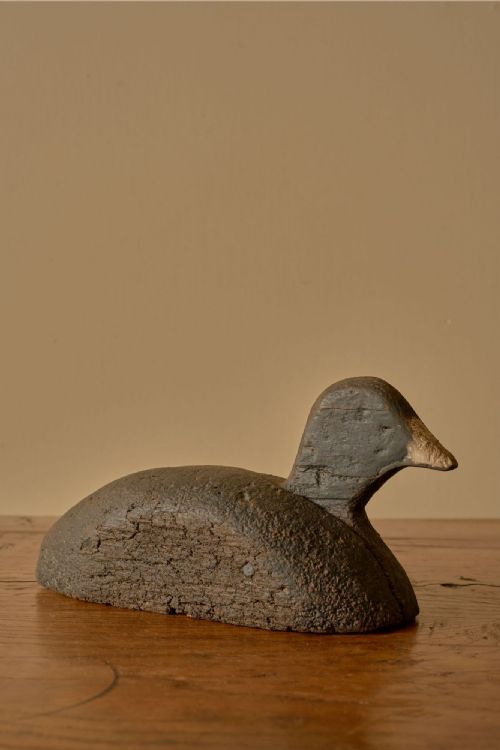
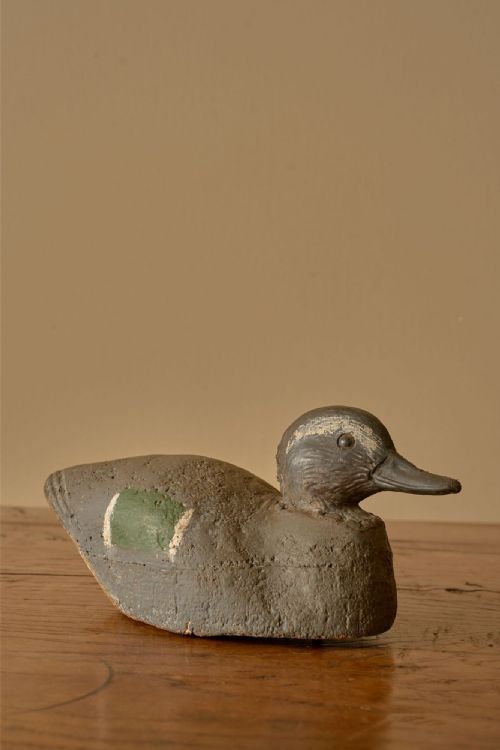
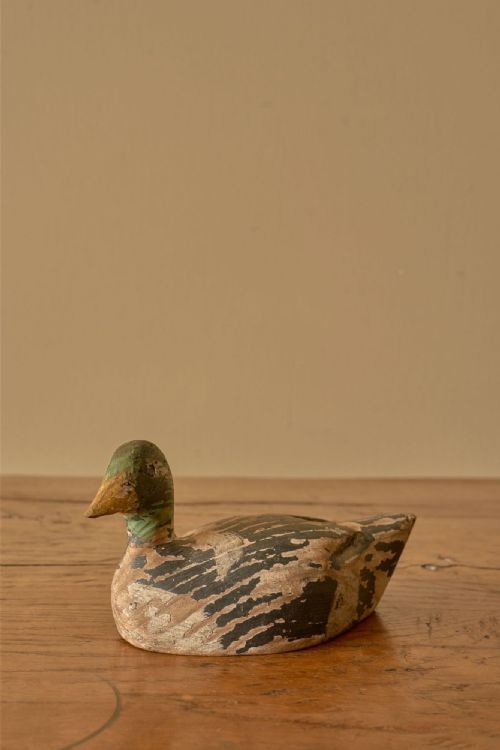
While traditional decoys are hand carved from wood and painted to imitate waterfowl, makers also utilised cork and other available materials. Wooden examples often bear the tool marks of their makers and show authentic traces of working wear.
Decoys were produced in various regions, including English and Scandinavian workshops, serving a practical purpose before becoming decorative collectables. Original paint surfaces heavily influence their appeal.