
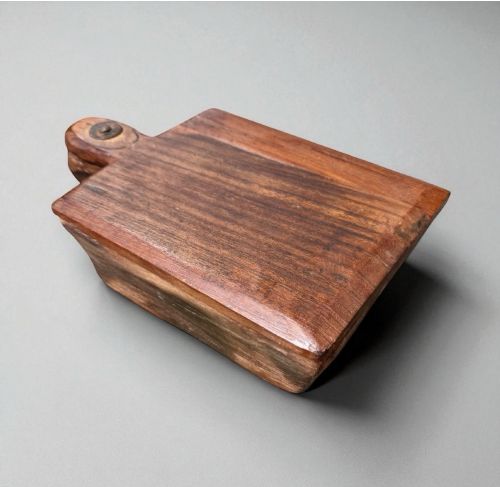
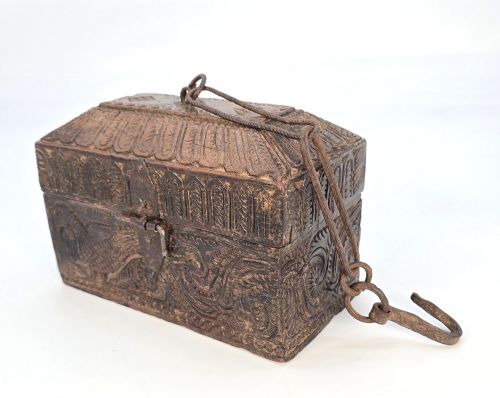


Hand Carved Wood Container
These hand carved wood container examples are tactile vessels shaped by hand, offering a direct link to historical domestic life.
Hand Carved Wood Container
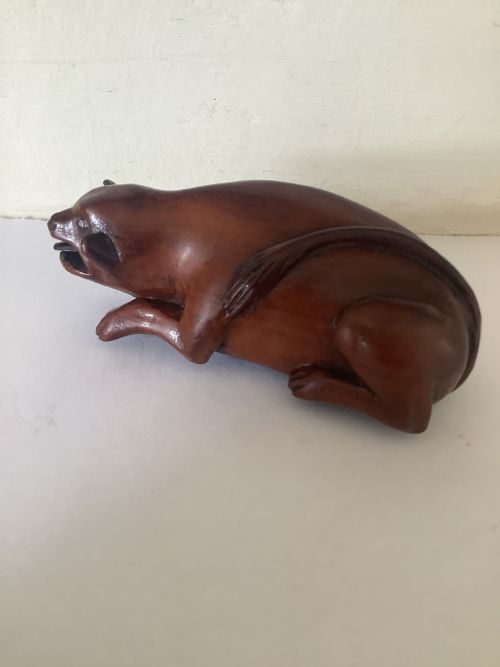
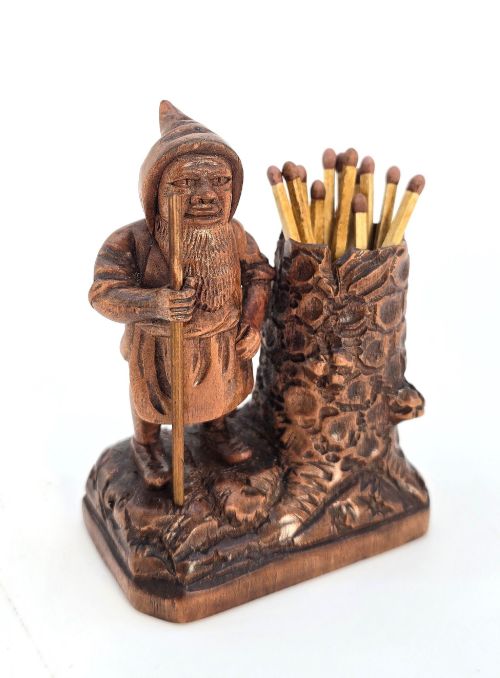
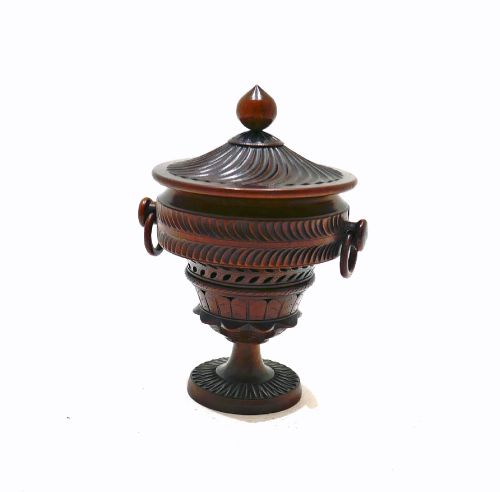
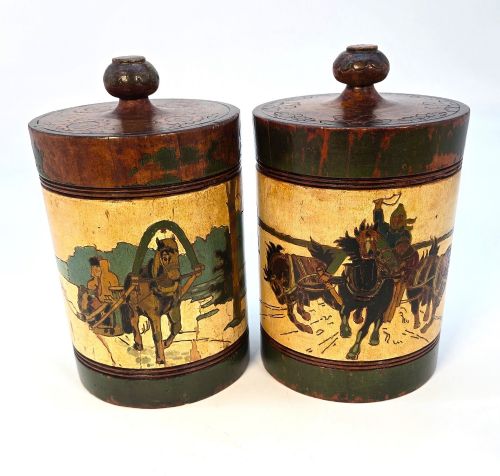
A hand carved wood container represents a diverse assortment of small receptacles designed to hold snuff, tobacco, spices, and personal treasures. Buyers seeking these items will encounter everything from utilitarian boxes and match holders to elaborate decorative vessels.
The selections span distinct periods ranging from the eighteenth century through the Edwardian era, with nineteenth-century pieces forming a substantial part of the available stock. Geographical origins vary widely, encompassing British folk art, continental European work, Indian vernacular items, and pieces from East Asia and the Middle East.
Forms are exceptionally varied, taking the shape of traditional lidded boxes, figurative match holders, spice containers, and mortar vessels. Each object reflects the specific functional needs of its domestic or regional context.
How they were made
Craftsmen utilised a variety of timbers including dense hardwoods, limewood, fruitwood, teak, elm, and bamboo, shaping each hand carved wood container with specialised chisels and gouges. The choice of wood dictated the level of detail achievable, from the fine execution of limewood and boxwood to the robust forms carved from heavier tropical timbers.
Surface treatments range from natural waxed patinas to applied polychrome paint and intricate inlay work using brass pique and contrasting materials. These finishing techniques highlight the grain of the wood while providing protection and decorative contrast.
Some nineteenth-century carvers immortalised tobacco habits by shaping boxes directly into the likeness of a hand holding a pinch of snuff.
What varies in quality
The distinction between standard and superior pieces rests upon the precision and depth of the carving, the integrity of the timber, and the presence of a well-developed tactile patina. Master carvers achieved crisp anatomical details or fluid folk art motifs that elevate simple utilitarian items into sculptures.
Originality of surface and the harmony of proportion further distinguish finer examples. Pieces that retain their original lids, hinges, and decorative inlays without excessive alteration hold a stronger visual and historical coherence.
The Hand Carved Wood Container Glossary
- Treen
- Small handmade wooden domestic objects. This term encompasses everything from utilitarian kitchenware to decorative boxes.
- Snuff box
- A small container designed to hold powdered tobacco. These were widely carried in the pocket or kept on a table during the eighteenth and nineteenth centuries.
- Patina
- The surface sheen and colour developed by wood over decades of handling and exposure to light. A deep patina indicates long-term use and care.
- Folk art
- Artistic work created within a traditional culture by self-taught makers. It emphasises utility and regional style over academic conventions.
- Pique work
- A decorative technique involving tiny points of precious metal or wire inlaid into a surface. It is frequently seen on small nineteenth-century containers.
Hand Carved Wood Container: Frequently Asked Questions
What were these wooden containers used for?
These vessels served practical daily functions in homes and social settings, holding dry goods such as tobacco, snuff, and spices. Many were personal items carried in pockets or placed on tables for guests.
Over time, their roles shifted from strict utility to decorative display, though their original purpose defined their scale and interior construction.
How can I tell the age of a carved wooden box?
Dating relies on observing tool marks, timber choice, regional style, and the nature of the surface wear. Eighteenth and nineteenth-century pieces often display hand-wrought interior hollowing methods distinct from later machinery.
Examining the hinges, fastening pins, and the depth of the patina provides further context for placing an object within a specific period.
How do I care for antique carved wood?
Maintenance requires keeping wooden items away from direct heat sources and sudden humidity changes to prevent the material from splitting. Gentle dusting with a dry cloth preserves the historical surface without stripping the accumulated patina.
Occasional application of appropriate microcrystalline wax can help protect dry timbers when necessary.