



Hand Carved Wall Mirror
A hand carved wall mirror brings texture and depth to a room through the character of carved timber and gilt decoration.
Hand Carved Wall Mirror
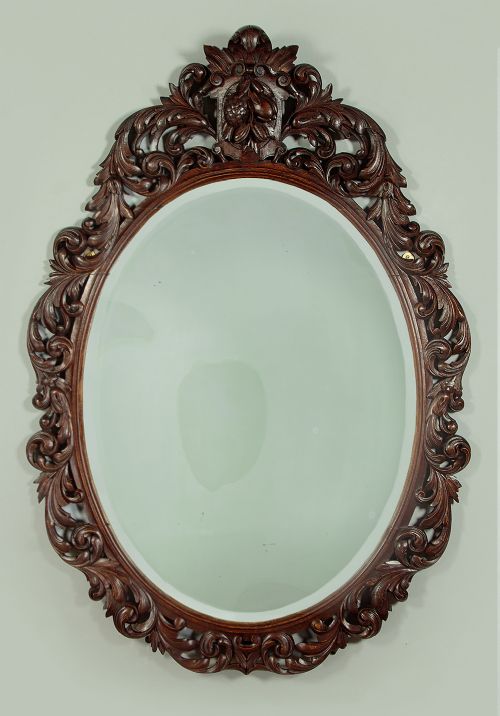
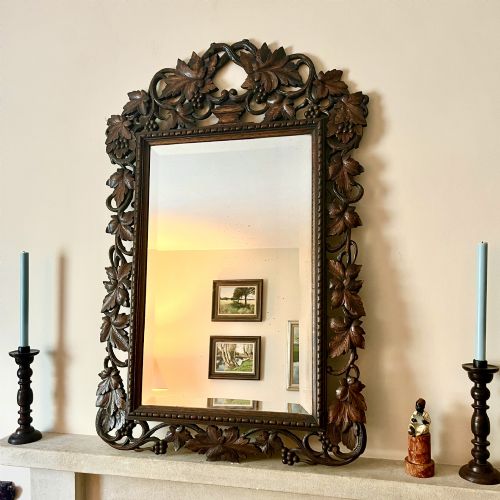
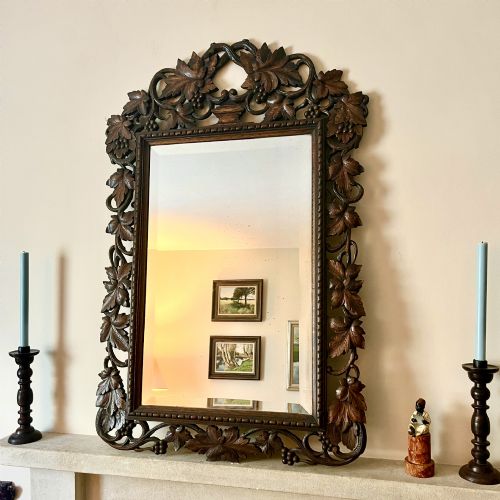
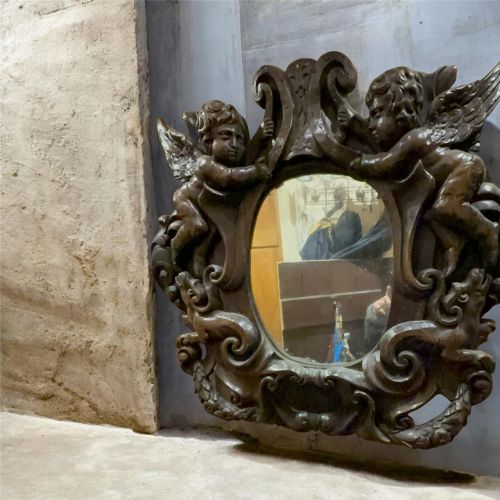
A hand carved wall mirror is a decorative looking glass framed in carved timber, giltwood, or mixed media, created to hang upon a wall or sit above a mantelpiece. When searching for a hand carved wall mirror, buyers encounter a diverse selection ranging from robust Victorian oak frames to intricate Black Forest animal carvings and European giltwood designs.
The pieces available span several centuries, with particular concentrations from the nineteenth century and the early twentieth century. Alongside standard wall mirrors and overmantel mirrors, the selection includes pier glass, console tables, and wall sconces that incorporate carved wooden surrounds and mirror glass.
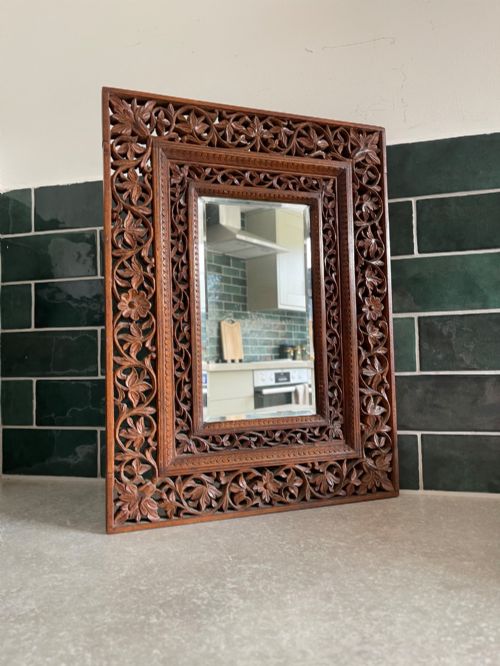
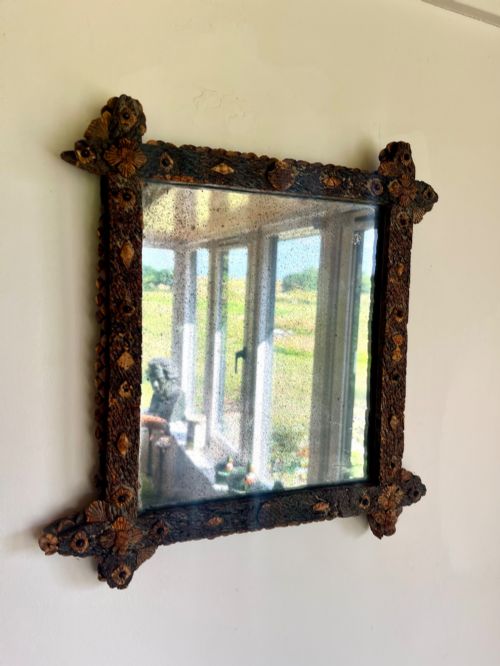
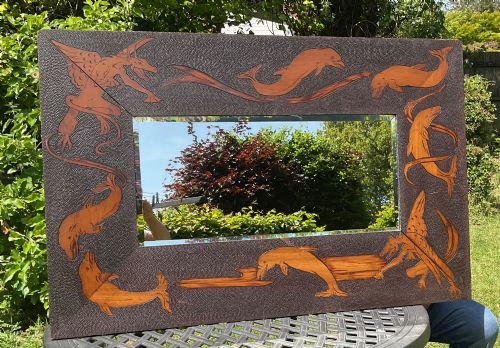
Origins vary widely across the inventory, taking in English country house pieces, continental European workshops in Italy, France, and the Black Forest region, as well as Anglo-Indian and Syrian traditions. Buyers find everything from folk art tramp work in cork to large oval oak frames and ornate dragon and dolphin motifs.
How they were made
Makers shaped these frames primarily from solid woods such as oak, walnut, teak, and limewood, alongside softer carved wood elements and applied cork. Artisans deployed chisels and gouges to form deep relief patterns, floral motifs, and figurative subjects directly into the timber.
Surface finishes include traditional water gilding over gesso, gold leaf applications, hand-painted details, and polished dark wood patination. Mirror plates are frequently inset into the carved wooden carcasses, occasionally accompanied by reverse-painted or etched glass panels.
Listings feature oak, walnut, teak, and limewood alongside traditional giltwood, mirror glass, and gold leaf across multiple centuries.
What varies in quality
The distinction between ordinary and exceptional pieces lies in the depth and crispness of the carving. Superior examples exhibit confident, undercut detailing where animal forms, foliage, and figures possess three-dimensional presence rather than shallow surface scoring.
Material selection and surface preservation further differentiate the range. Frames utilising dense hardwoods with intact original gilding or rich natural patination stand apart from simpler painted or later altered constructions.
The Hand Carved Wall Mirror Glossary
- Giltwood
- Timber that has been coated with gold leaf or metal leaf over a prepared gesso ground. This finish catches the light and defines the carved contours of the frame.
- Overmantel mirror
- A large looking glass designed specifically to hang on the wall directly above a fireplace mantel. These pieces often span the width of the fireplace and anchor the room's proportions.
- Pier glass
- A tall, narrow mirror designed to hang on the wall pier between two windows. They frequently relate in design to console tables placed beneath them.
- Tramp art
- A folk art style where artisans carved scrap wood, often using pocket knives, and layered the chips in notched, geometric patterns. Cork and softwoods are typical mediums for this technique.
Hand Carved Wall Mirror: Frequently Asked Questions
How do I hang a heavy carved wooden mirror?
Heavy frames require secure wall fixings distributed evenly across the primary wooden structure rather than relying solely on old brass rings. Professional picture hangers utilise steel brackets screwed directly into masonry or wall studs.
Checking the stability of the mitred joints and the backing boards before installation ensures the weight of the glass remains safely supported over time.
What is the difference between an overmantel and a wall mirror?
Overmantel mirrors are proportioned specifically to sit horizontally above a fireplace mantel, reflecting light across the hearth and dominating the wall space. Standard wall mirrors are scaled for general placement throughout a hallway, bedroom, or reception room.
While both share carved wooden or gilt frames, their dimensions and visual weight reflect their original architectural placement.
How do I clean an antique giltwood frame?
Antique giltwood surfaces require gentle dusting with a soft, dry brush to remove particulate matter without disturbing the delicate gold leaf layer. Moisture and chemical cleaning agents must be avoided entirely, as they dissolve the underlying gesso and bole.
Preserving the original dry finish maintains the visual integrity and historical character of the piece.
Are these mirrors made from solid oak?
Many of the nineteenth-century pieces utilise solid oak carcasses shaped by hand chisels. Other examples employ softer timbers like limewood for intricate carving alongside structural pine or walnut.
Examining the reverse reveals the timber construction methods and helps determine the origin and period of the frame.