

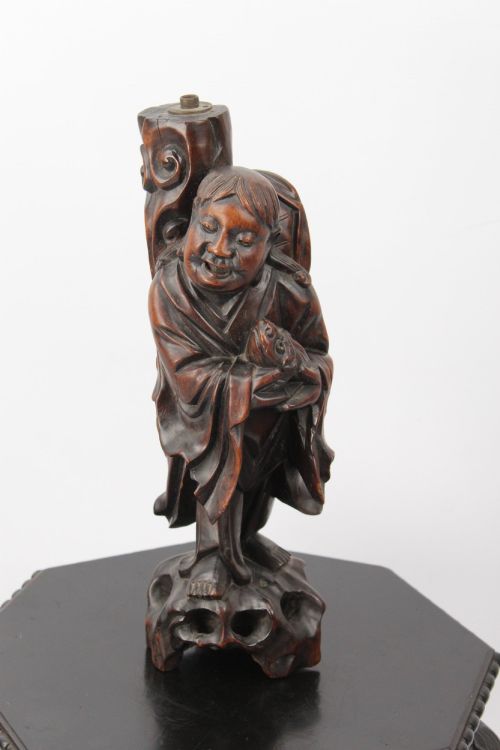
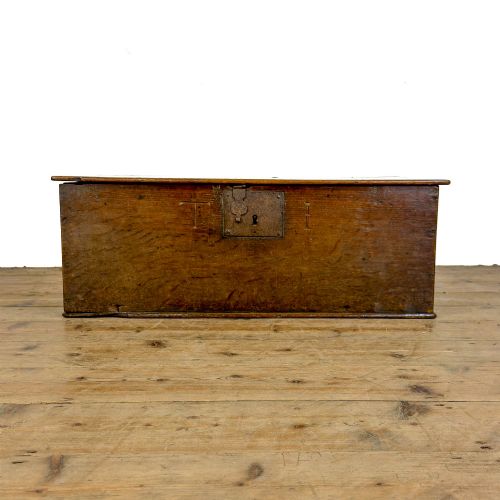
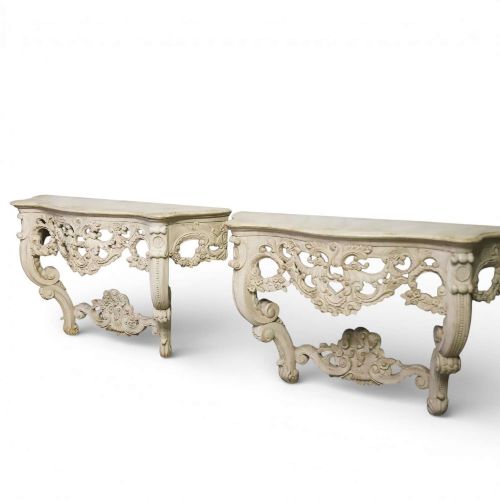
Hand Carved Table
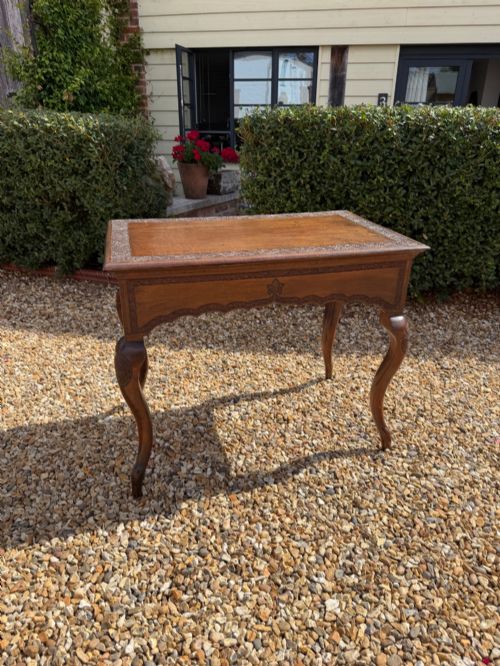
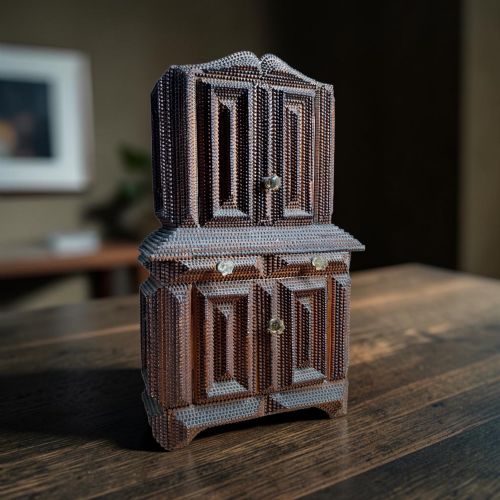
A hand carved table brings rich texture and intricate relief work into a room, offering functional surface space shaped by traditional craft.
Hand Carved Table
A hand carved table encompasses a broad variety of occasional, side, and centre forms produced across global workshops during the nineteenth and early twentieth centuries. Buyers searching for a hand carved table encounter diverse regional traditions, from Anglo-Indian hardwood pieces to European rustic and folk art examples.
The selection on this page leans heavily towards regional specialisms, including Kashmiri walnut tables, Burmese occasional furniture, and Chinese rosewood low tables. These items functioned primarily as display surfaces or low tea tables in domestic interiors of their respective periods.
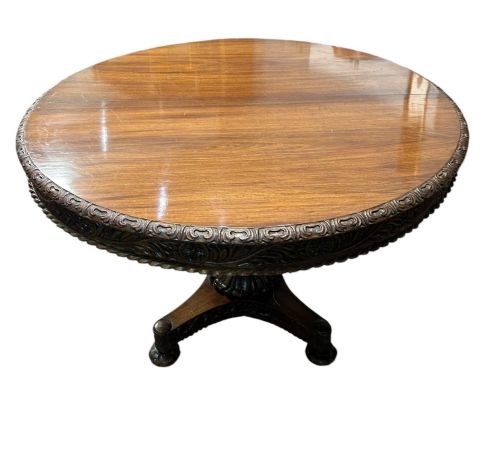
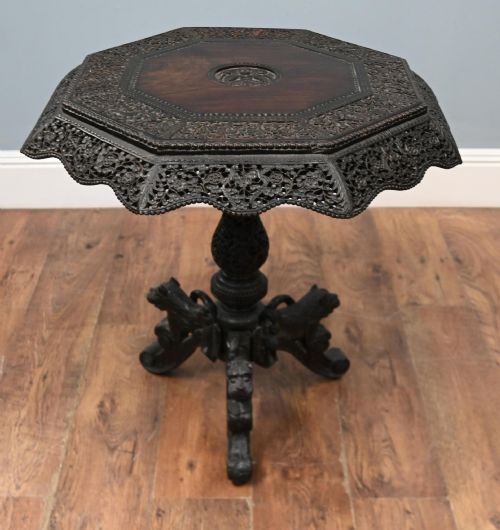
Side tables and octagonal occasional forms dominate the offerings, usually constructed from dense tropical timbers or native European hardwoods. Each piece displays the distinct decorative vocabulary of its maker, ranging from dense floral relief to geometric foliate borders.
How they were made
Makers utilised dense timbers such as walnut, rosewood, teak, and oak, which permitted crisp, deep chisel work without splintering. These woods were typically seasoned before being worked entirely by hand using gouges, chisels, and parting tools.
Surface finishing varied by origin, with some pieces left as raw timber to highlight the natural grain while others received lacquer, paint, or wax polish. Joinery methods relied on traditional pegging, mortise and tenon joints, or solid turnings suited to the specific regional workshop practice.
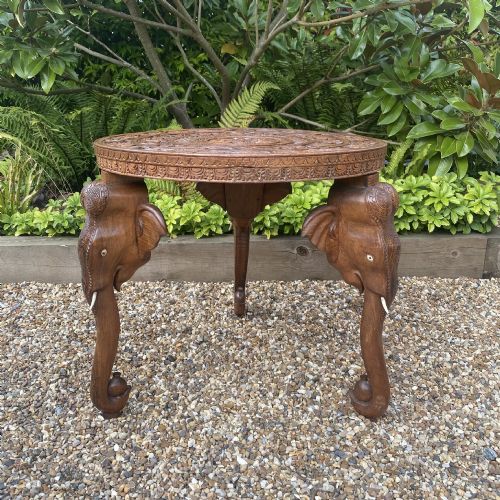
An elephant often supports the weight, as artisans frequently integrated carved pachyderms into the structural bases of colonial tables.
What varies in quality
The depth and crispness of the carving dictate the artistic merit of the work, separating shallow, mechanical incisions from deeply undercut, spirited relief. Clean symmetry in geometric borders and expressive detailing in figurative elements show the confidence of the hand that shaped the wood.
Timber selection and structural integrity also separate standard regional pieces from superior examples, as well-seasoned woods resist warping and maintain tight joinery over time. The preservation of original surface finishes, whether polished walnut or painted lacquer, retains the integrity of the period appearance.
Jack Grimble
The Hand Carved Table Glossary
- Anglo-Indian
- A descriptive term for furniture made in India by local craftsmen for British colonial residents, often combining British furniture forms with traditional Indian carving motifs. These pieces typically utilise dense tropical hardwoods.
- Kashmiri
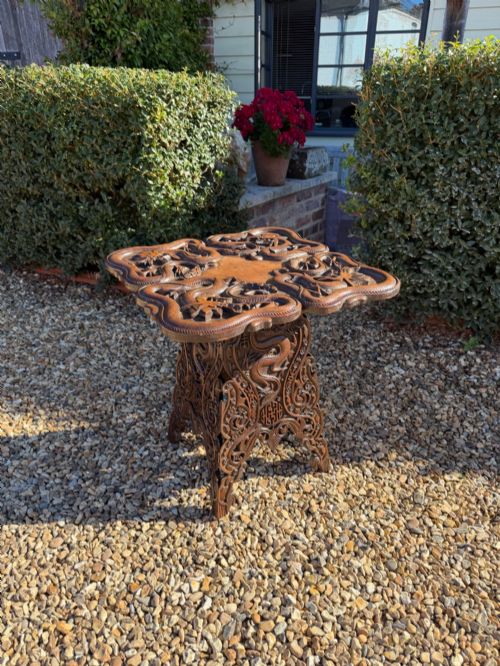
- Pertaining to decorative woodwork and furnishings originating from Kashmir, renowned for intricate walnut carving featuring dense foliage and floral patterns. Such work often decorates tables, trays, and lamp bases.
- Marquetry
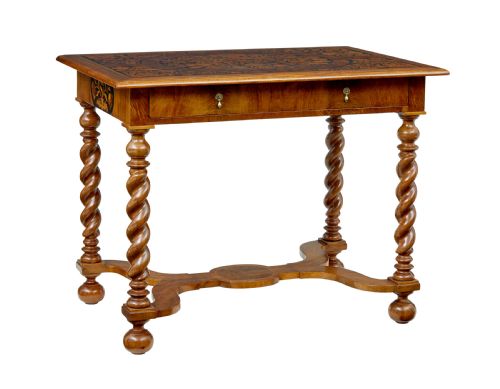
- A technique where thin veneers of wood are fitted together to form decorative pictures or patterns on a structural carcase. It requires precision in cutting and fitting dissimilar materials.
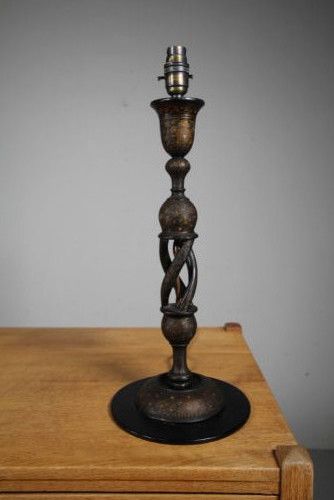
- Bobbin turned
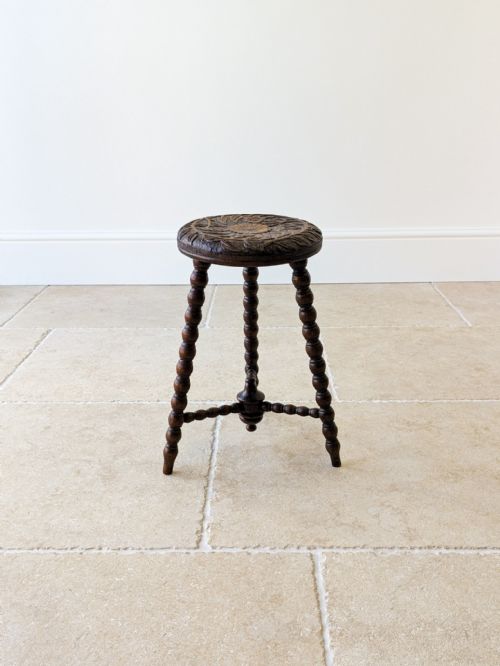
- A style of furniture leg or stretcher shaped on a lathe to resemble a series of rounded bobbins or spools end to end. This turning method was popular in seventeenth-century furniture and revived in later periods.
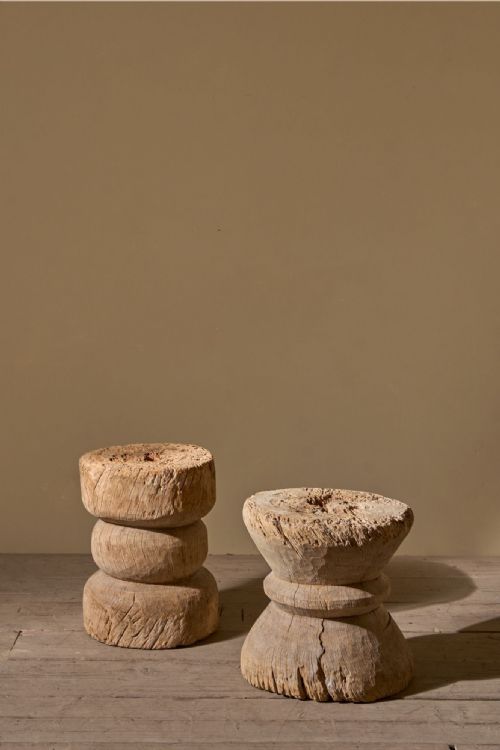
- Tripod stool
- A small seating or display platform supported by three legs inserted directly into the underside of the top. This construction ensures stability on uneven floors.
Hand Carved Table: Frequently Asked Questions
What are hand carved tables made from?
These tables are constructed from a variety of dense hardwoods and native timbers depending on their geographic origin. Common materials include walnut, rosewood, teak, oak, and general hardwood.
Craftsmen selected these woods for their grain stability and suitability for detailed chisel work. Regional workshops utilised the timber most readily available locally.
Where do carved Anglo-Indian tables come from?
Anglo-Indian tables originated in workshops across the Indian subcontinent during the nineteenth century. Local artisans produced these items for domestic use and export to British markets.
They combine familiar European furniture shapes with dense, traditional Indian relief carving. Rosewood and teak are frequent materials in this category.
How do I care for a carved wooden table?
Maintenance involves dusting regularly with a soft, dry cloth to prevent dirt accumulation within the recesses of the carving. Avoid placing wooden furniture near direct heat sources or strong sunlight.
Periodic application of a suitable wax polish helps maintain the lustre of the timber. Care should be taken not to let moisture sit on unsealed surfaces.