




Hand Carved Duck
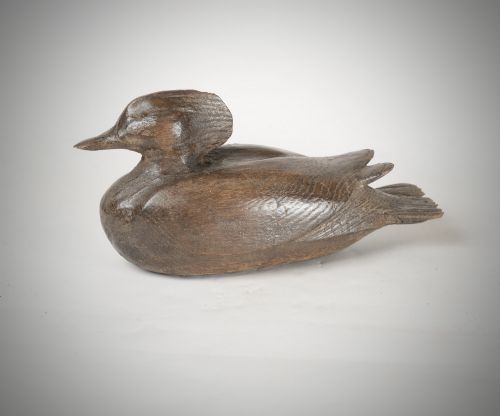
Hand carved duck figures bring rustic charm and traditional craftsmanship to a room, ranging from working decoys to decorative porcelain pairs.
Hand Carved Duck
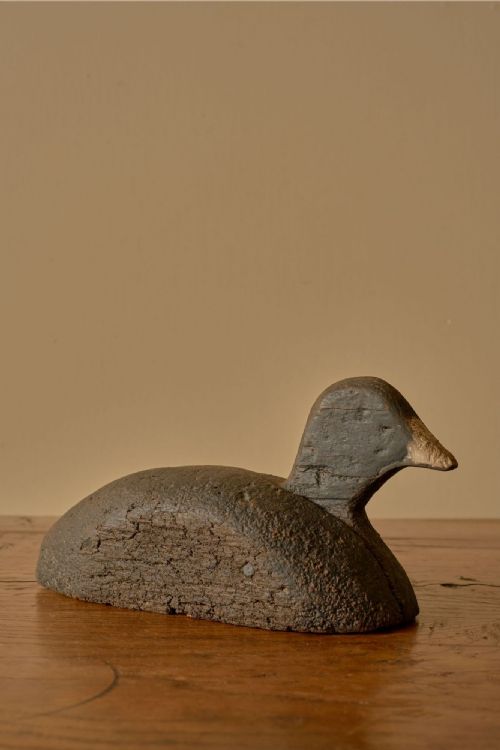
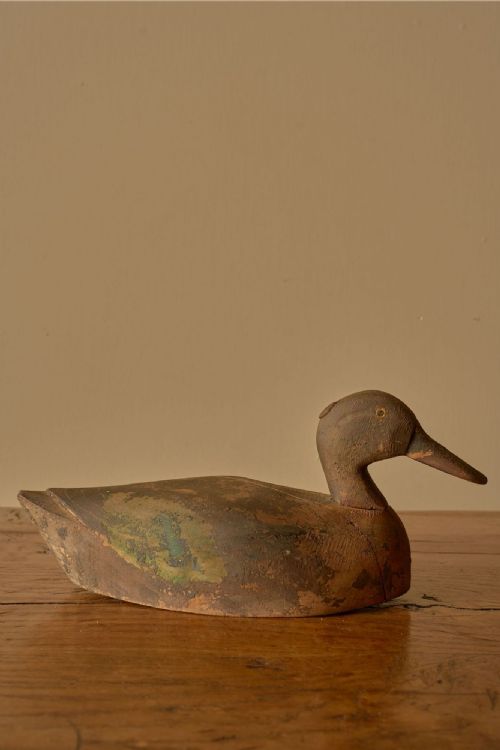
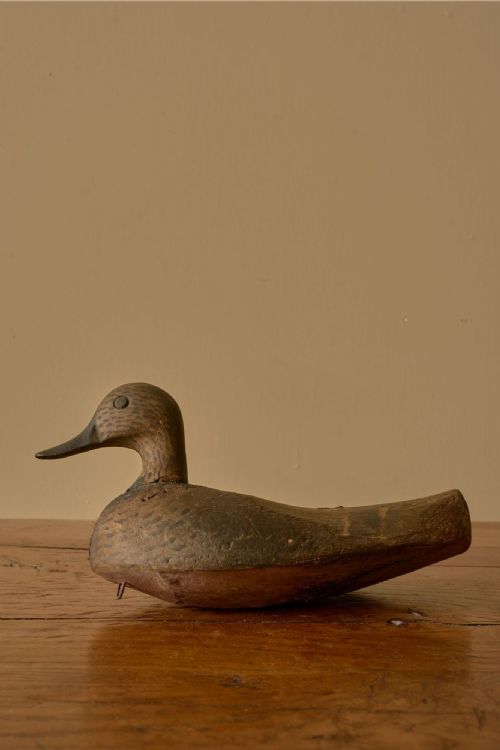
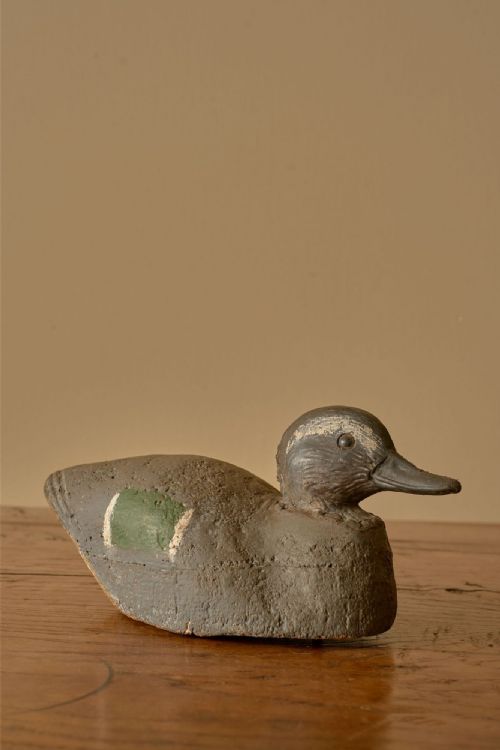
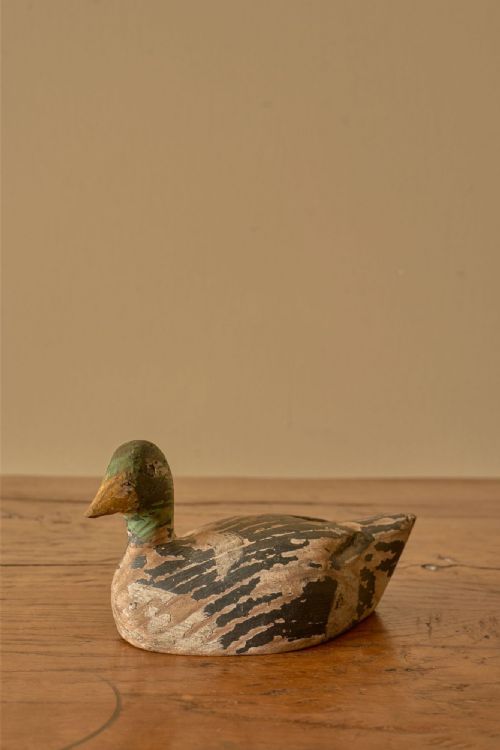
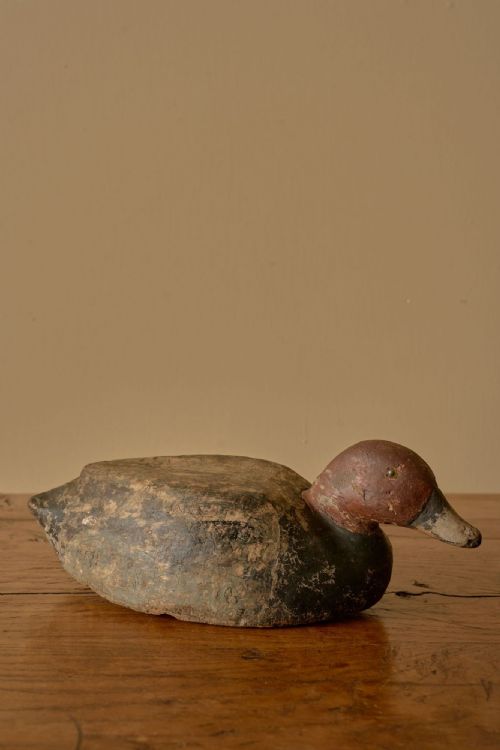
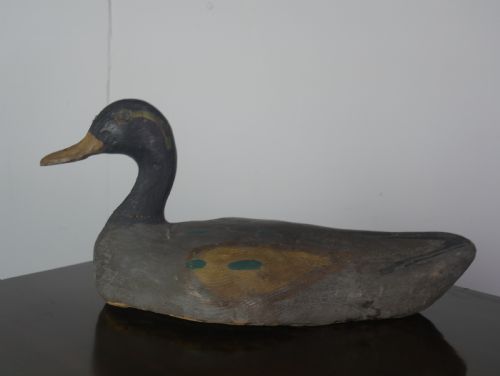
A hand carved duck encompasses practical working decoys alongside decorative sculptures and figures inspired by folk art traditions. Buyers examining this category encounter pieces designed for the water as well as ornamental pairs intended for display.
The selections span the nineteenth century through the Edwardian era and into the 1930s, alongside pieces reflecting Ming style and Qing Dynasty aesthetics. English working decoys and folk art carvings dominate the offerings available on this page.
Formations vary from solitary birds and American loons with chicks to pairs of auspicious Mandarin ducks. These objects function as decorative sculptures that bring natural history and traditional carving craft into domestic spaces.
Materials and construction
Wood and timber serve as the primary foundational materials, shaped through traditional carving techniques and finished with painted surfaces. Pine and carved hardwood provide the structural body for these figures, allowing artisans to detail feathers and forms.
Applied paint brings realism or folk art character to the carved wooden bodies, while certain pieces incorporate glass eyes or iron elements. Chinese porcelain examples utilise sancai glaze to achieve their distinctive coloration and finish.
Hand Carved Duck Retail Price Guide 2026
Typical asking prices for hand carved duck among the pieces listed under this phrase on Sellingantiques today, from the lower quarter to the upper quarter. They describe what is for sale here now, not the wider market.
One American loon even brings along a tiny carved chick, proving that motherly devotion scales down rather well.
Assessing quality and character
Quality rests in the expressiveness of the carving and the preservation of the original painted surface. Pieces showing distinct folk art character or detailed feather work stand apart from simpler utilitarian items.
The integrity of the timber and the handling of the glaze in ceramic examples dictate the overall refinement of the piece. Pair completeness and sculptural presence also influence how successfully a figure sits within a room.
The Hand Carved Duck Glossary
- Decoy duck
- A floating wooden or carved figure used historically by hunters to attract wildfowl. These working objects now form a staple of folk art collections.
- Folk art
- Art produced from an indigenous cultural tradition or by untrained artisans using local materials. These items prioritise functional utility and direct aesthetic expression.
- Sancai glaze
- A three-colour ceramic glaze technique prominent in Chinese pottery and porcelain. It typically combines amber, green and creamy white tones.
- Qing Dynasty
- The final imperial dynasty of China, spanning from the seventeenth to the early twentieth century. Objects from this period often display refined hardwood carving.
- Mandarin duck
- A species of duck symbolising marital fidelity and affection in Chinese art. Sculptures of these birds frequently appear in pairs.
Hand Carved Duck: Frequently Asked Questions
What is a hand carved duck used for?
These pieces functioned originally as working decoys to attract wildfowl on the water during hunting expeditions.
Today they serve as decorative sculptures and folk art objects, displayed on shelves or tables to bring traditional character to interior spaces.
How do I live with a decoy duck?
Decoy ducks integrate easily into various interior styles, from rustic country houses to eclectic modern rooms.
Place them singly on mantelpieces or group pairs together on sideboards where their painted wooden surfaces can be appreciated up close.
How are different periods identified?
Periods are determined through the style of the carving, the type of timber utilised, and the condition of the paint.
Edwardian and early twentieth-century pieces often show honest working wear, while nineteenth-century folk art examples display simpler, bolder tool marks.
Are wooden and ceramic ducks different?
Wooden ducks generally originate from English or American working decoy traditions, focusing on carved timber and applied paint.
Chinese ceramic examples utilise porcelain and coloured glazes, representing symbolic pairs rather than working waterfowls.