

Hand Carved Dark Wood
Hand carved dark wood pieces bring tactile depth and natural grain into a room, spanning functional furniture and decorative animals.
Hand Carved Dark Wood
When you search for hand carved dark wood, you encounter items shaped by hand from dense timbers, ranging from heavy furniture to small animal figures. The selection draws on traditions from the eighteenth, nineteenth, and early twentieth centuries, encompassing Victorian, Baroque, and folk art aesthetics.
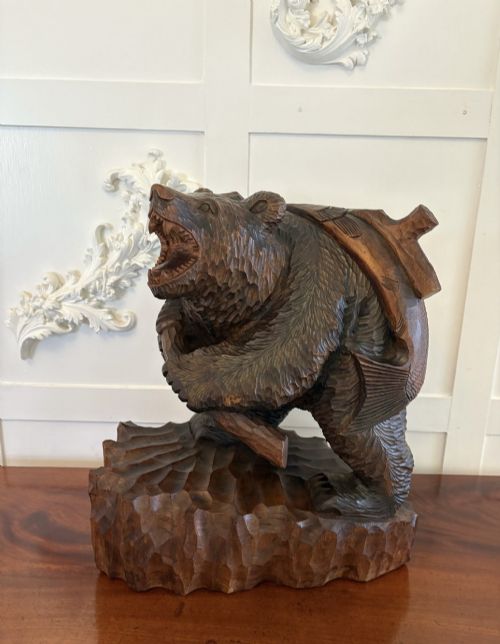
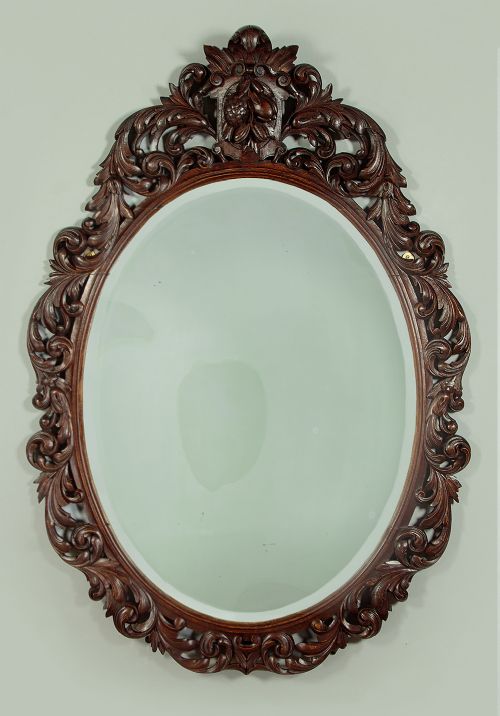
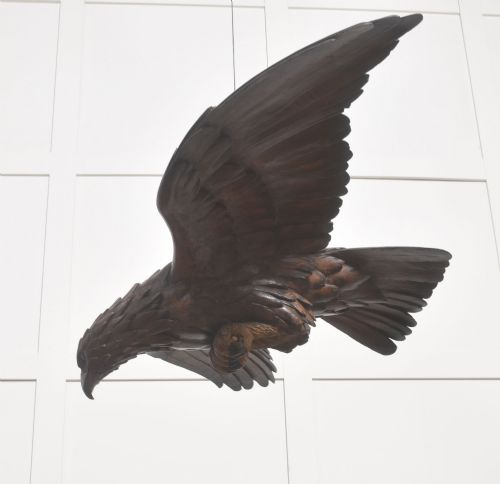
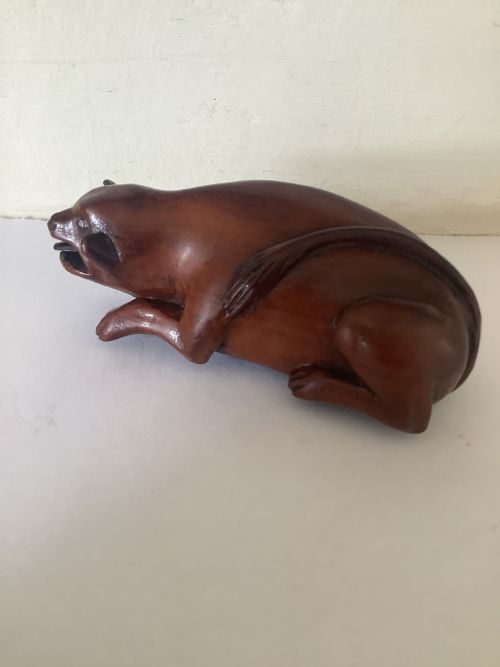
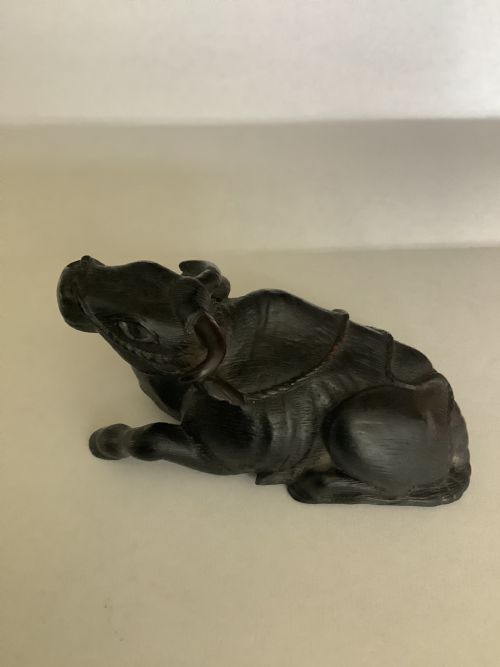
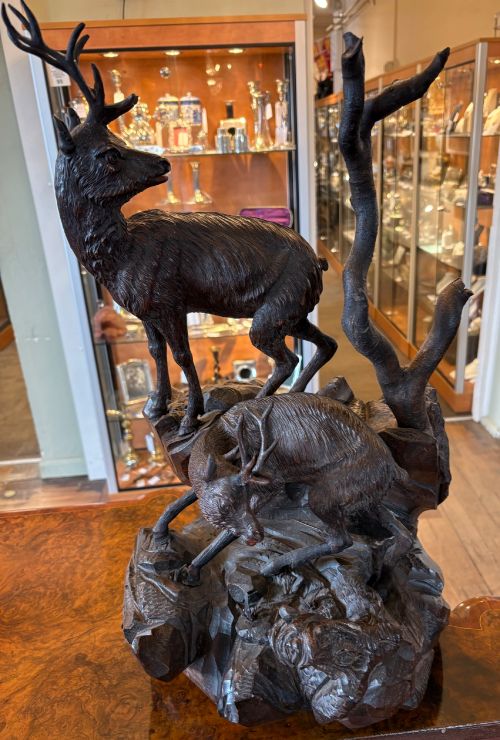
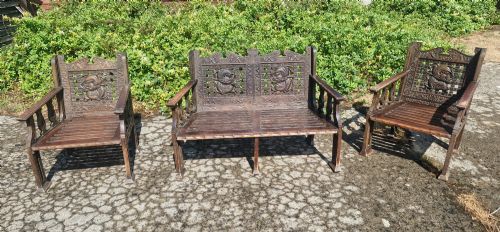
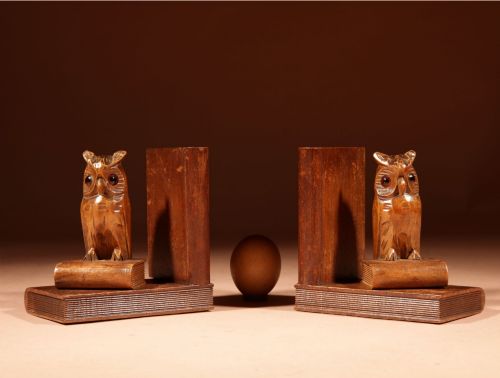
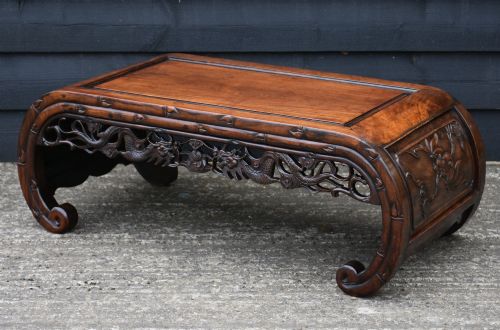
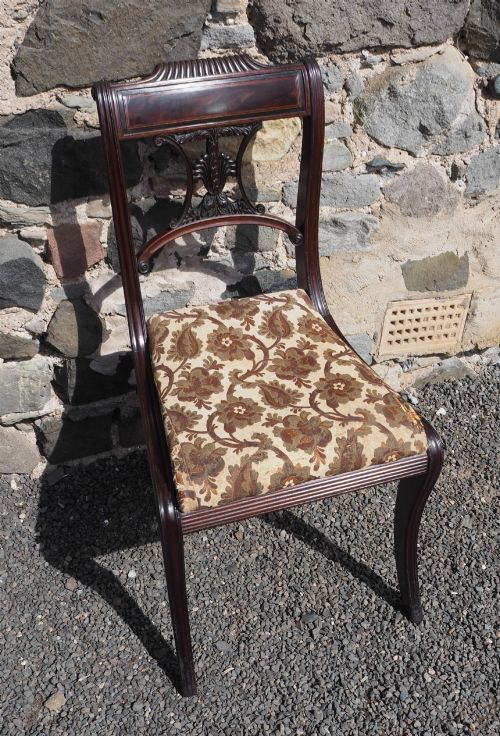
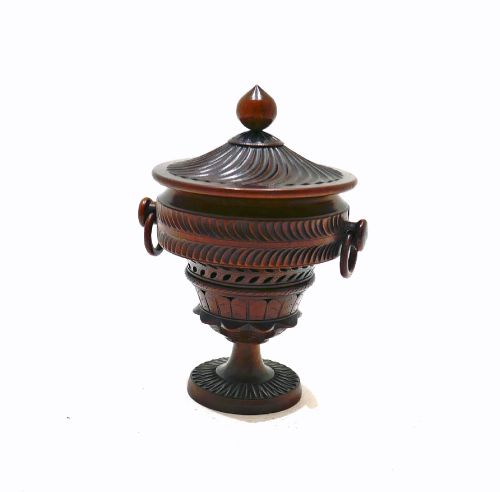
You meet mirrors framed in carved oak, occasional tables, and seating alongside Black Forest wildlife sculptures and Black Forest bookends. Smaller items such as snuff boxes, netsuke, and treen lidded cups appear frequently alongside architectural elements and lighting.
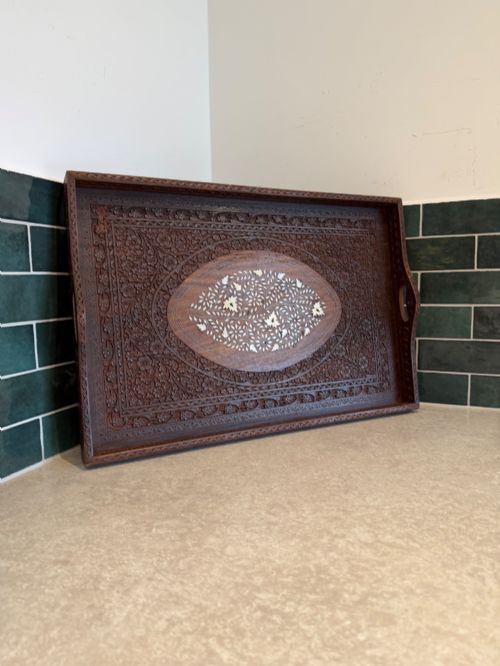
The origins span Britain, continental Europe, and international workshops including Anglo-Indian, Chinese, Burmese, and Kashmiri pieces. Woods vary from native European oak and fruitwood to exotic padouk, teak, walnut, and rosewood.
Materials and construction methods
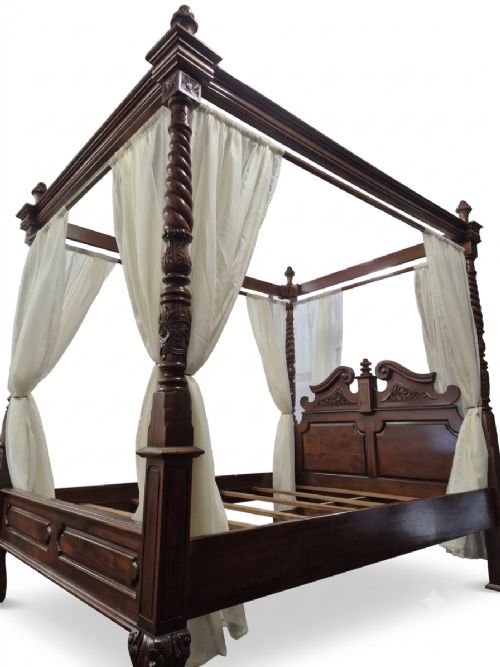
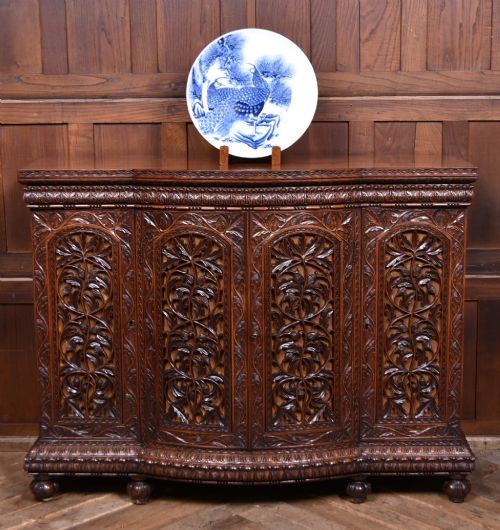
Cabinet makers and carvers utilised dense hardwoods such as oak, walnut, teak, padouk, and fruitwood to hold crisp detail under chisels and gouges. These timbers provide the structural stability required for large items like sideboards, four-poster beds, and armchairs.
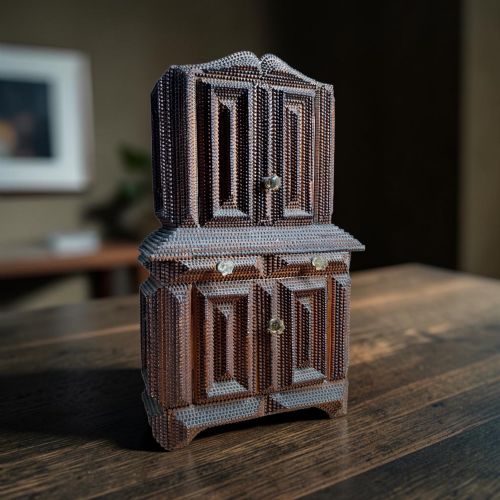
Carvers employed gouges, parting tools, and knives to execute relief panels, animal studies, and intricate foliage, often leaving tool marks visible on folk art and tramp art pieces. Joinery relied on traditional pegging and mortise and tenon joints to stabilise heavier furniture pieces.
Eight object types appear across the inventory, ranging from architectural salvage and wall mirrors to snuff boxes and armchairs.
Distinguishing quality in carved timber
The skill of the carver dictates the liveliness and depth of the form, separating competent production work from pieces with anatomical precision and expressive character in animal studies and figures. Deep undercut relief work requires significantly greater dexterity than shallow surface scoring.
The choice and condition of the timber influence the longevity and visual impact of the piece, with richly figured burr walnut, dense rosewood, and well-seasoned oak holding patination more successfully than softer or lesser woods. Original surface finishes and mellow wax patination contribute substantially to the visual weight of an item.
The Hand Carved Dark Wood Glossary
- Black Forest
- A style of wood carving originating in Switzerland and Germany, renowned for realistic animal sculptures, particularly bears, and functional items like clocks and bookends. Most examples date from the nineteenth and early twentieth centuries.
- Tramp Art
- A form of folk art where utilitarian objects are constructed from scrap wood, cigar boxes, and packaging crates using pocket knives and simple glue. It is characterised by chip-carved geometric layering.
- Padouk
- A heavy tropical hardwood valued for its deep reddish-brown colour and durability, frequently utilised in nineteenth-century colonial furniture and cabinetry. It darkens further with exposure to light.
- Treen
- Small handmade wooden domestic objects, ranging from lidded cups to snuff boxes, shaped by turners and carvers. Collectors prize them for tactile wear and honest use.
Hand Carved Dark Wood: Frequently Asked Questions
How do I clean carved wooden antiques?
Dust surfaces gently using a soft, dry brush to reach into crevices without abrading the timber. Avoid modern liquid polishes, applying microcrystalline wax sparingly only when the wood appears dry.
Keep pieces away from direct heat sources and strong sunlight to prevent the timber from splitting or warping over time. Gentle maintenance preserves the natural patination built up over centuries.
What is Black Forest carving?
Black Forest carving refers to nineteenth-century wooden sculptures and decorative objects produced in the mountainous regions of central Europe. Artisans specialised in realistic depictions of bears, deer, and alpine animals integrated into practical items.
These pieces range from large hall stands and clocks to small inkwells and bookends. The style became immensely popular during the Victorian era and remains distinct for its naturalistic foliage and fauna.
How can I date antique carved wood?
Dating relies on examining tool marks, timber choice, construction joints, and historical style indicators. Machine-sawn timber and sandpaper marks generally point towards the late nineteenth century or later, whilst hand-pit-sawn boards suggest earlier periods.
Wear patterns on touchpoints and the presence of original fixings or hardware also help determine the age of furniture and objects. Comparing construction methods against documented regional practices narrows down the decade of manufacture.