

Hallway Walking Stick Stand
A hallway walking stick stand organises coats and canes in an entrance, drawing on Victorian and Edwardian timber and metal designs.
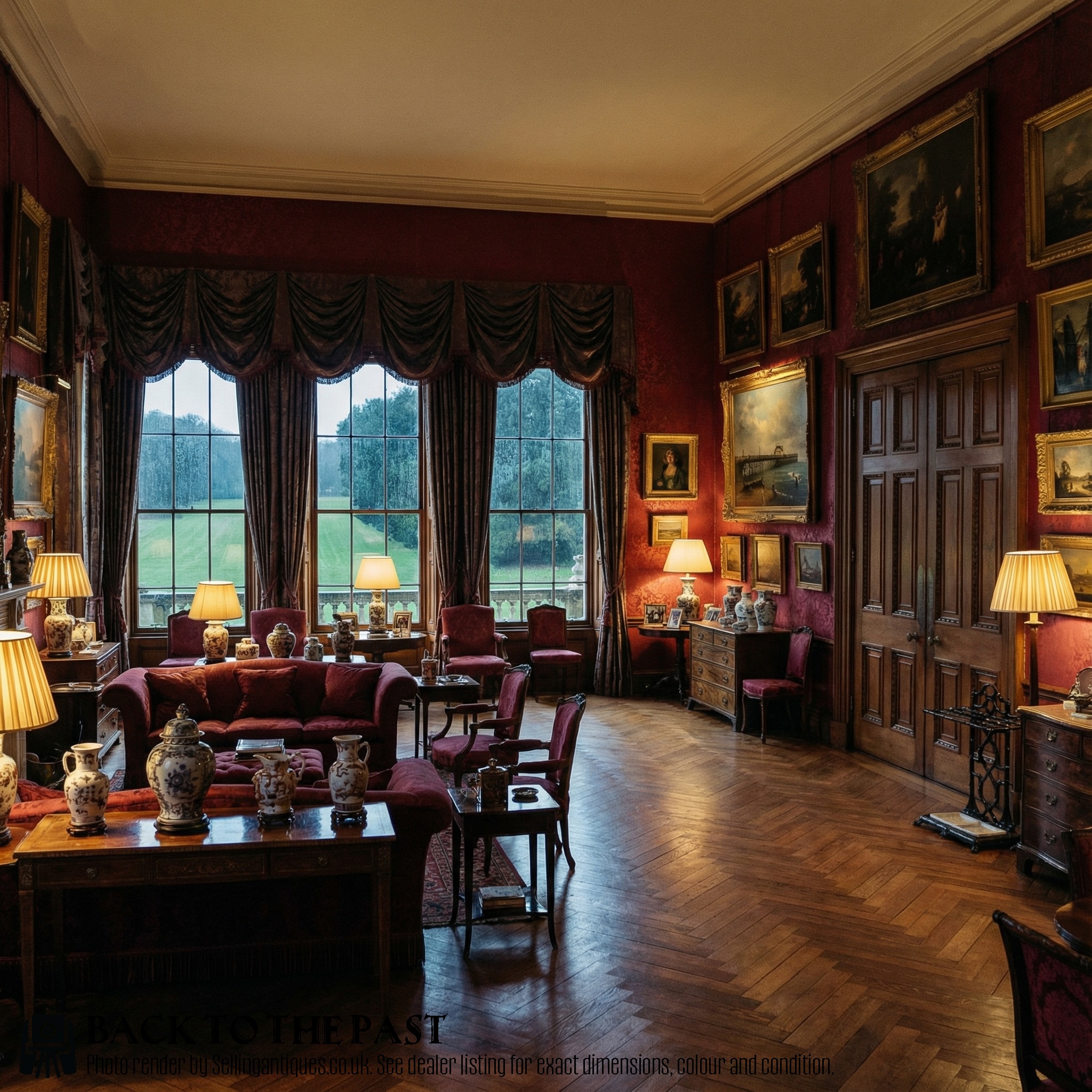
Hallway Walking Stick Stand
A hallway walking stick stand serves as a practical entrance piece for organising canes, parasols and umbrellas. These items appear across Victorian and Edwardian periods, stretching from the late nineteenth century into the early twentieth century.
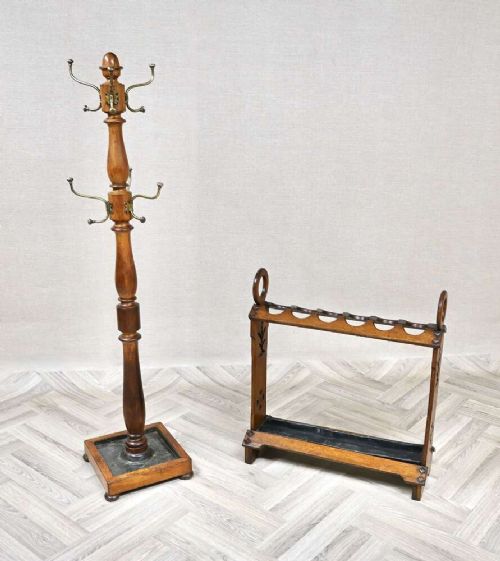
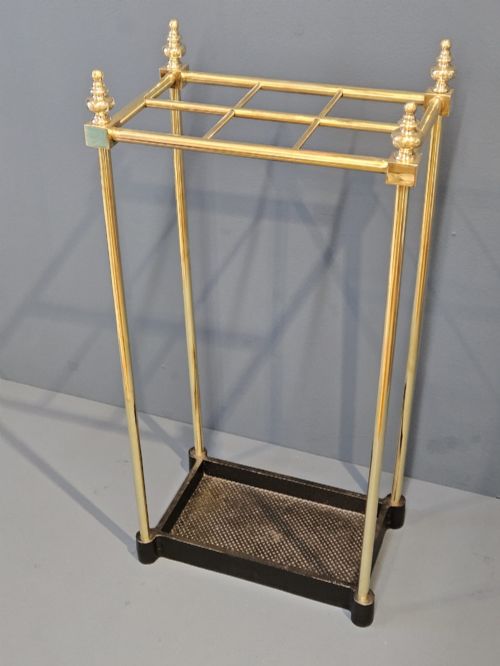
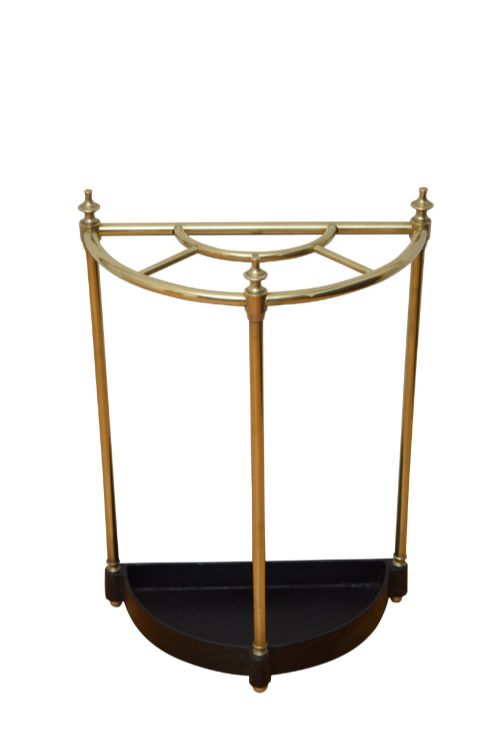
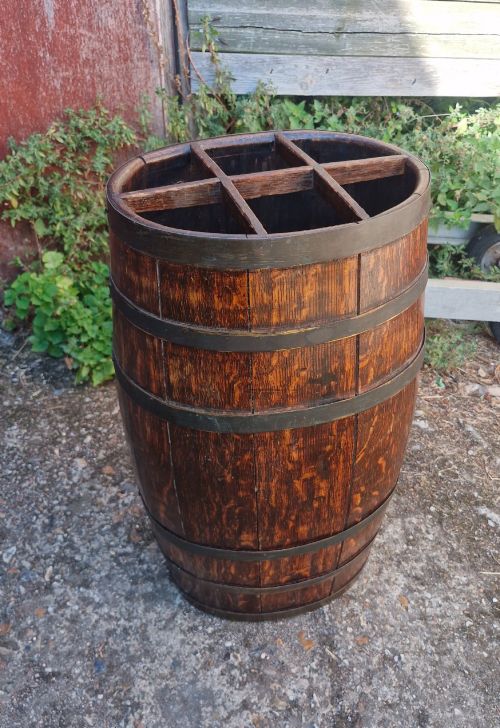
Buyers most commonly encounter oak and mahogany timber frames alongside brass and cast iron structures. Forms range from demi-lune half-moon shapes designed to sit flat against a wall to barrel-shaped coopered designs.
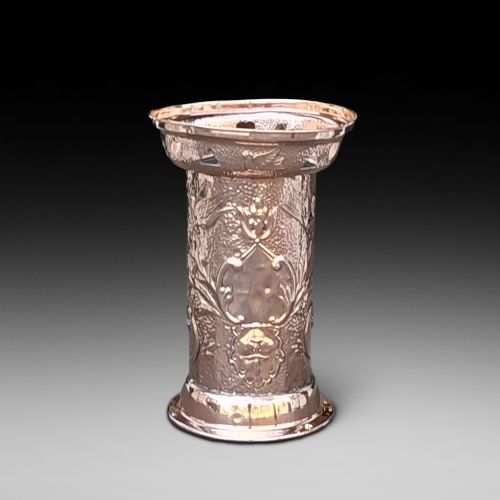
Makers utilised various metals including copper and zinc alongside heavy iron castings to manage moisture from wet weather. English country house and Arts and Crafts styles dominate the offerings on this page.
Materials and Construction
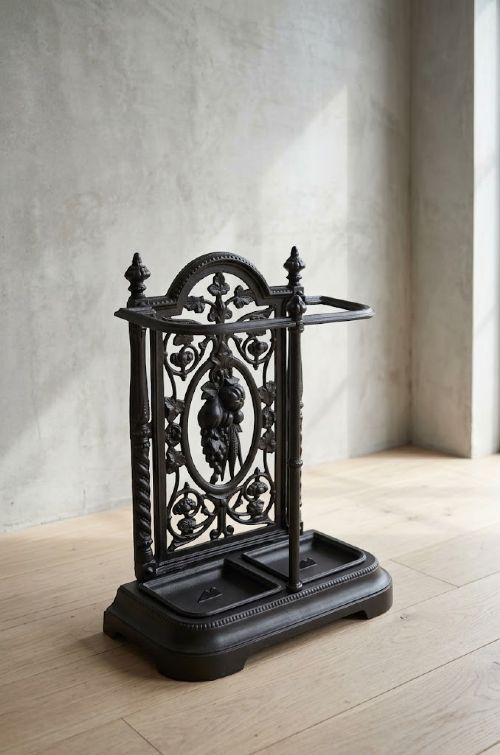
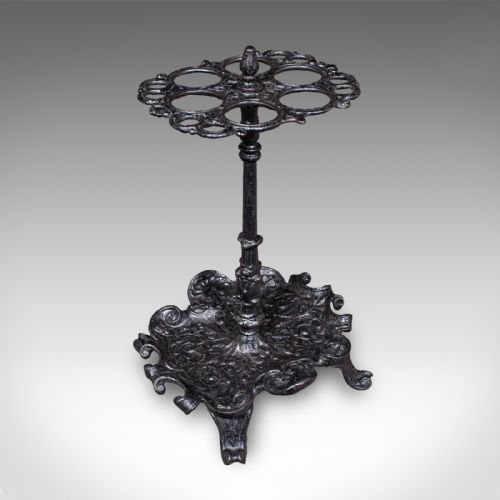
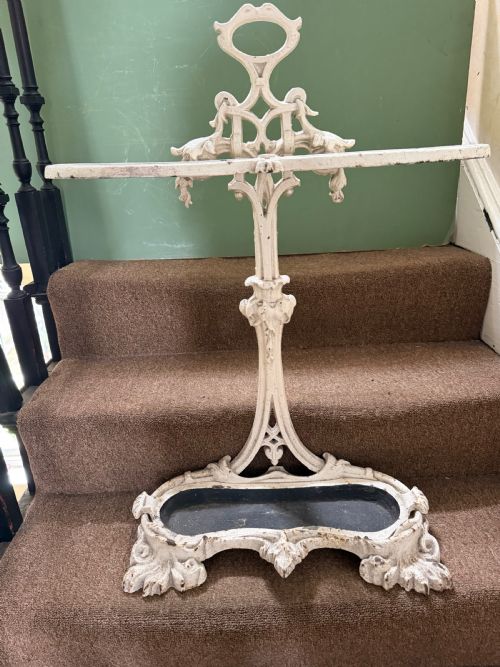
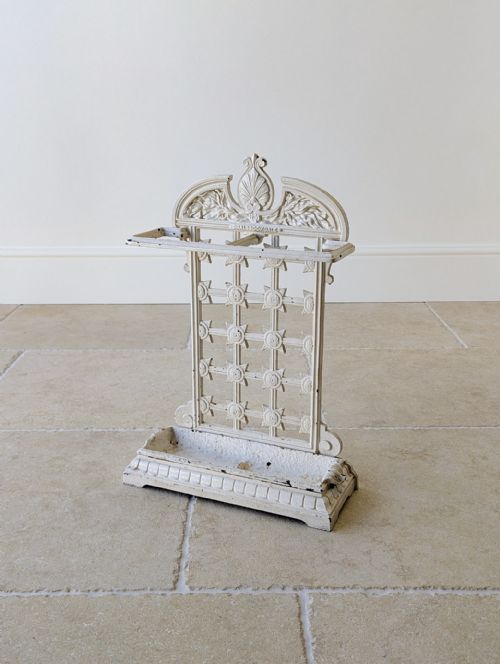
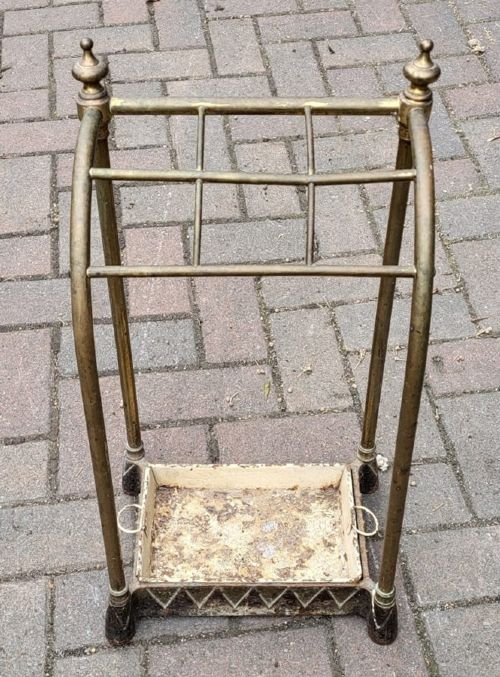
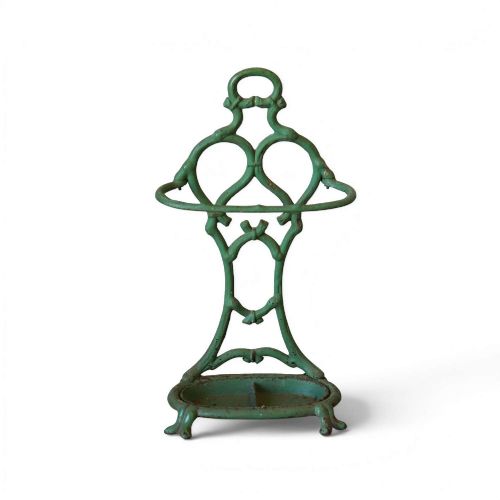
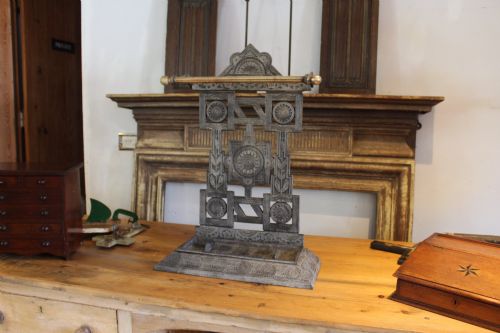
Foundry workers cast iron and brass into intricate patterns, employing faux bois bamboo motifs and half-moon designs. Many metal examples incorporate original drip trays to catch rainwater from wet umbrellas.
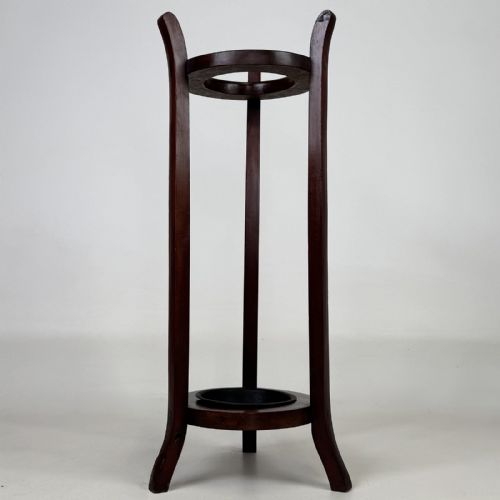
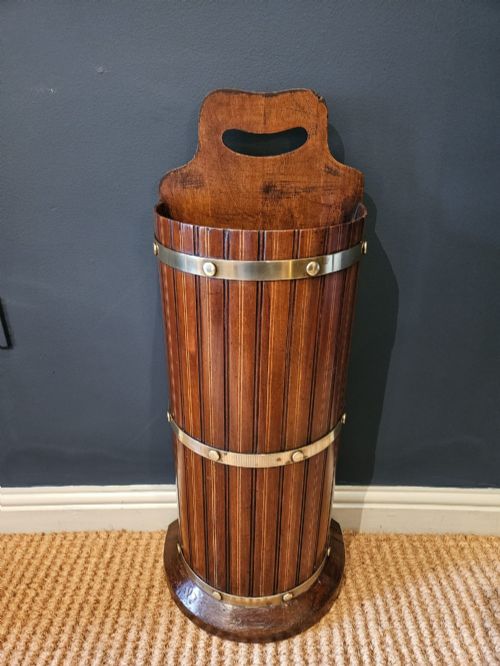
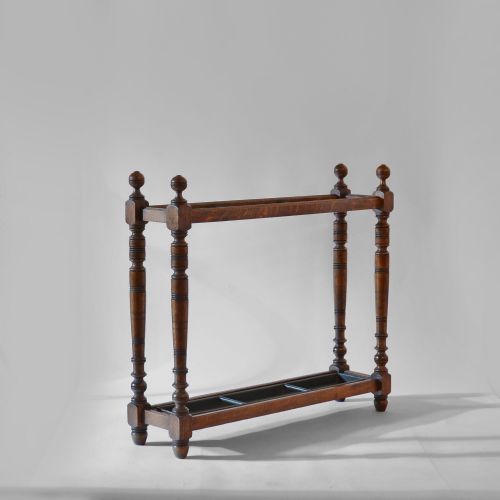
Cabinet makers constructed timber versions from solid oak, pitch pine and mahogany, frequently utilising coopered stave techniques with metal banding. These wooden frames often feature divided sections to keep individual walking sticks upright.
Hallway Walking Stick Stand Retail Price Guide 2026
Typical asking prices for hallway walking stick stand among the pieces listed under this phrase on Sellingantiques today, from the lower quarter to the upper quarter. They describe what is for sale here now, not the wider market.
Some cast iron stands mimic bamboo stems down to the last joint.
Distinctions in Quality
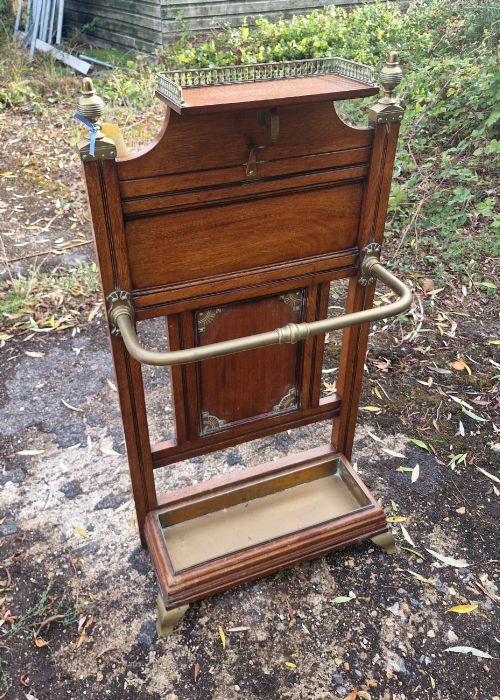
Finer examples distinguish themselves through the integrity of the original metal drip trays and the weight of the castings. Heavier brass and iron frameworks provide superior stability when loaded with heavy walking canes.
Superior timber versions display careful cooperage and tight joinery in woods such as oak and mahogany. The presence of documented foundry designs or substantial brass binding separates standard utility items from more ambitious hall furnishings.
Coalbrookdale·Thomas Jeckyll·Heals of London·Falkirk Ironworks
The Hallway Walking Stick Stand Glossary
- Demi-lune
- Half-moon shape designed to stand flat against a hallway wall. This profile allows the stand to occupy minimal floor space.
- Coopered
- Wood construction formed from vertical staves bound by metal hoops, similar to barrel making. This technique suits circular umbrella and stick receptacles.
- Faux bois
- Imitation of wood grain rendered in cast iron or other materials. It gained popularity during the late nineteenth century.
- Drip tray
- Removable metal pan fitted at the base of a stand to collect water. Original trays remain important for authenticity.
- Arts and Crafts
- Design movement prioritising visible construction and honest materials. It influenced many oak and metal hallway pieces.
Hallway Walking Stick Stand: Frequently Asked Questions
Where should a stick stand go?
These pieces belong in an entrance hall or vestibule where coats and outdoor gear are stored. Their compact footprints suit narrow corridors.
Placing one near the main entrance keeps walking canes and umbrellas accessible as people leave the house.
How do I protect timber from water?
Most wooden stands rely on metal drip trays positioned at the base to catch moisture from wet umbrellas. Ensuring these trays remain dry prevents timber rot.
Regular polishing helps maintain the finish on oak and mahogany surfaces against daily dampness.
Are metal stands very heavy?
Cast iron and brass versions carry significant weight to prevent tipping when loaded with heavy walking sticks. This mass provides stability on hard hallway floors.
Lighter copper and zinc elements are usually supported by stronger iron frames.