






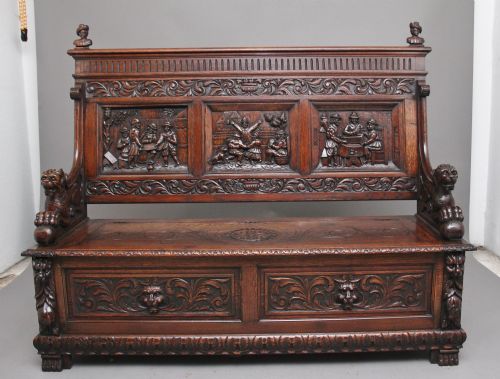
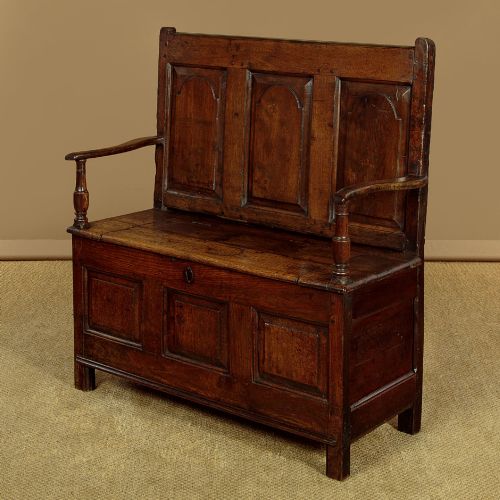
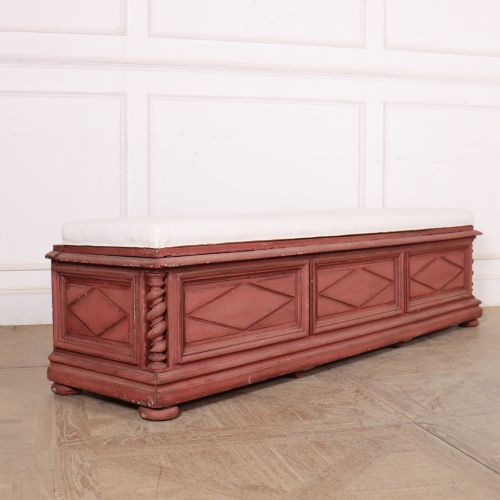
Hallway Storage Box
A hallway storage box offers dual utility as a practical entryway seat and a discreet receptacle for boots, scarves, and parcels.
Hallway Storage Box
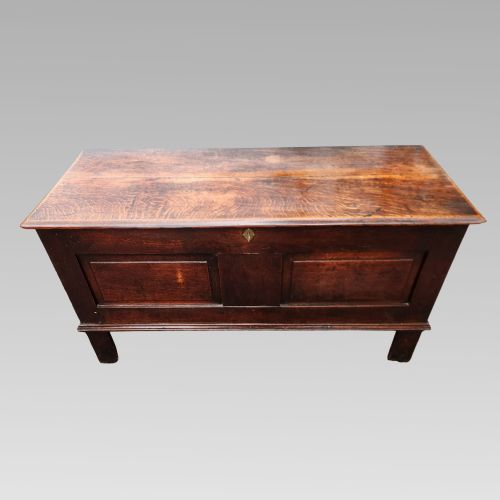
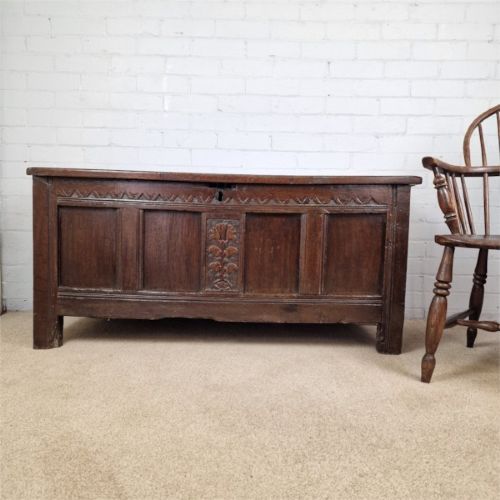
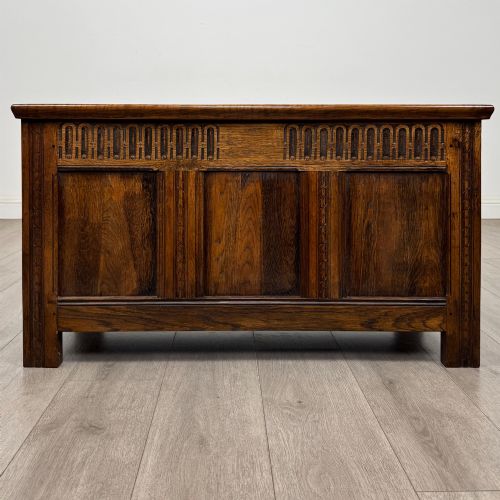
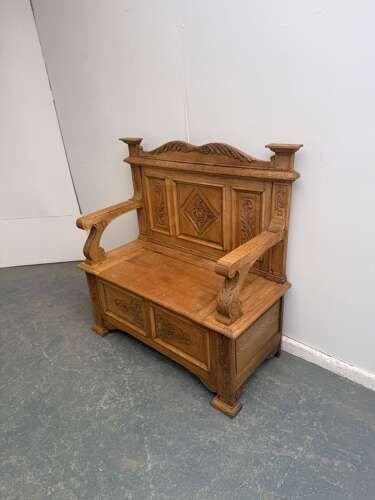
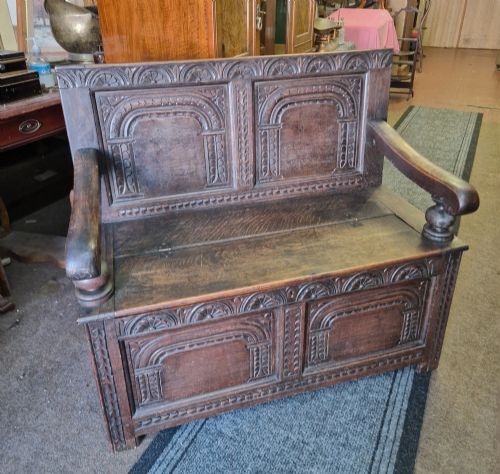
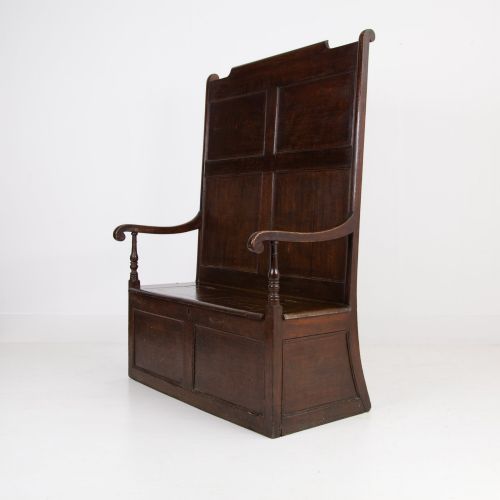
A hallway storage box combines the seating function of a bench with the internal capacity of a coffer or trunk. When searching for a hallway storage box, buyers encounter various historical forms, from vernacular country pine settles to formal joined oak chests with hinged lids or folding tops.
The material record heavily favours oak and pine, spanning periods from the seventeenth century through the Georgian and Victorian eras up to early twentieth-century Arts and Crafts examples. English, Welsh, Swedish, and Hungarian origins appear frequently, reflecting both regional vernacular traditions and country house aesthetics.
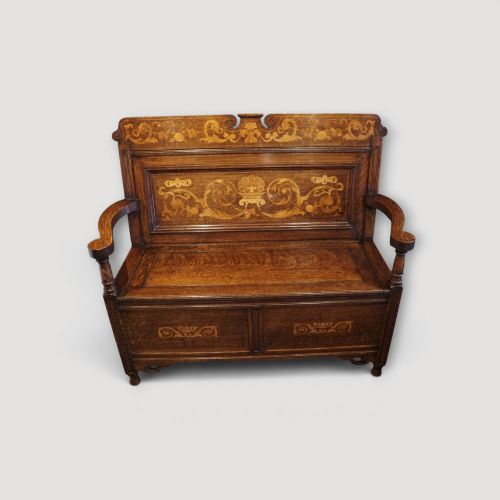
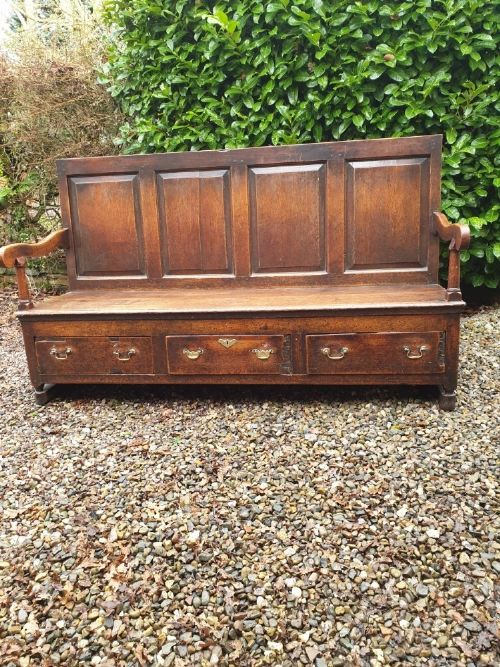
Settles with high backs, panelled construction, and lift-up seats dominate the seating options, while mule chests and coffers provide alternative low-profile storage solutions. These pieces serve to anchor an entrance hall by providing a sturdy place to sit while concealing outdoor paraphernalia.
Materials and Construction
Solid timbers such as English oak, elm, and pine form the structural backbone of these pieces, assembled using traditional joinery methods appropriate to their period. Joined oak construction relies on pegged mortise and tenon joints, whereas pine examples often employ simpler boarded or panelled techniques.
Surface treatments vary significantly between waxed natural finishes that highlight the grain of golden oak and painted or polychrome surfaces seen on continental pine pieces. Decorative elements include carved front panels, marquetry inlay, and occasional leatherette upholstery on later variants.
Hallway Storage Box Retail Price Guide 2026
Typical asking prices for hallway storage box among the pieces listed under this phrase on Sellingantiques today, from the lower quarter to the upper quarter. They describe what is for sale here now, not the wider market.
Listings span eight distinct periods, ranging from seventeenth-century joined oak to early twentieth-century Arts and Crafts interpretations.
Judging Quality and Proportion
The distinction between standard examples and finer pieces lies in the crispness of the timber carving, the integrity of the original joints, and the balance of proportions. Superior items retain their original hinges, lid supports, and patination without excessive structural intervention.
Regional vernacular pieces demonstrate quality through the selection of unblemished boards and thoughtful integration of storage compartments, whereas revival pieces rely on decorative depth such as intricate linenfold or Green Man carvings.
The Hallway Storage Box Glossary
- Settle
- A wooden bench with a high back, solid arms, and a box seat compartment beneath the squab for storage. They provide draught protection in traditional hallways.
- Coffer
- A heavy wooden chest with a lid, used historically for storing valuables and textiles. Many double as hallway seating when placed against a wall.
- Mule Chest
- A chest featuring one or more drawers beneath the main storage well. This transitional form bridges the design gap between the traditional coffer and the modern chest of drawers.
- Monks Bench
- A convertible piece featuring a hinged back that folds forward to form a table top above a box seat. They offer versatile multi-functional utility in compact spaces.
- Joined Oak
- Furniture constructed primarily from oak using interlocking mortise and tenon joints secured with wooden pegs. This technique predates widespread nail and screw usage.
Hallway Storage Box: Frequently Asked Questions
How do I use a hallway storage box?
Place the box against an entryway wall to provide a stable seat for putting on footwear while keeping umbrellas, bags, and winter accessories out of sight inside the compartment.
The interior space accommodates bulky items that clutter an entrance, keeping hallways tidy without sacrificing floor area.
Are these boxes comfortable for daily seating?
Most historic wooden benches have rigid timber seats designed for brief use rather than lounging, though many owners add loose cushions for comfort.
The high backs on settle variants offer good support and historically helped block cold drafts from entering doorways.
How do I identify the period of an oak settle?
Examine the construction methods, tool marks, and style of the woodwork, noting that seventeenth-century pieces display heavier pegged joinery and hand-planed surfaces compared to later revival styles.
Patination and timber shrinkage also offer clues to age, with older oak developing a deep, dry lustre over centuries of handling.
Do painted pine settles require special care?
Painted surfaces on continental pine pieces need gentle cleaning with a damp cloth rather than harsh modern solvents that might lift historic pigments.
Waxing unpainted pine sections periodically helps nourish the wood and protects the finish from moisture in busy hallways.