

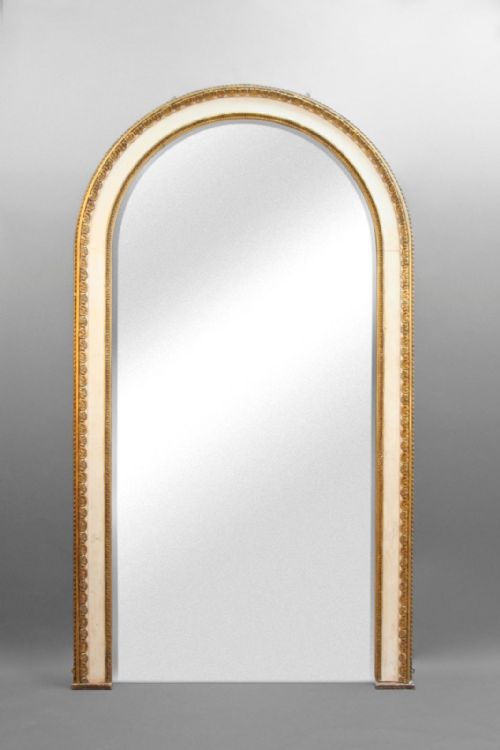
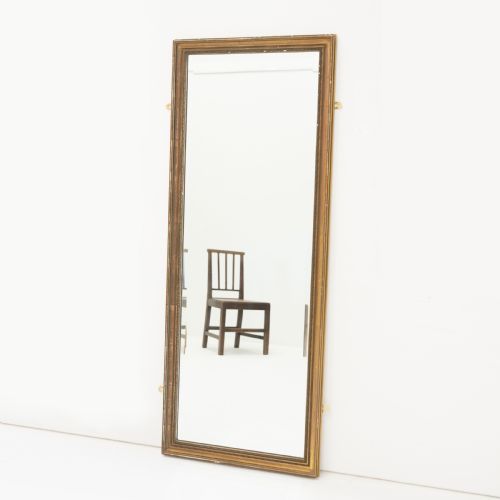


Hallway Pier Glass
A hallway pier glass brings vertical light and architectural presence to a narrow space, offering a functional mirror alongside or mounted above a matching console table.
Hallway Pier Glass
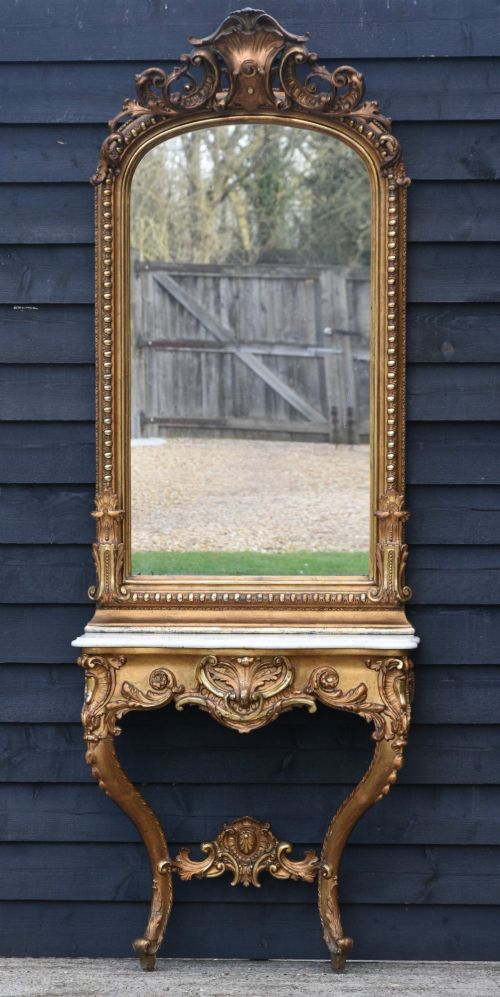
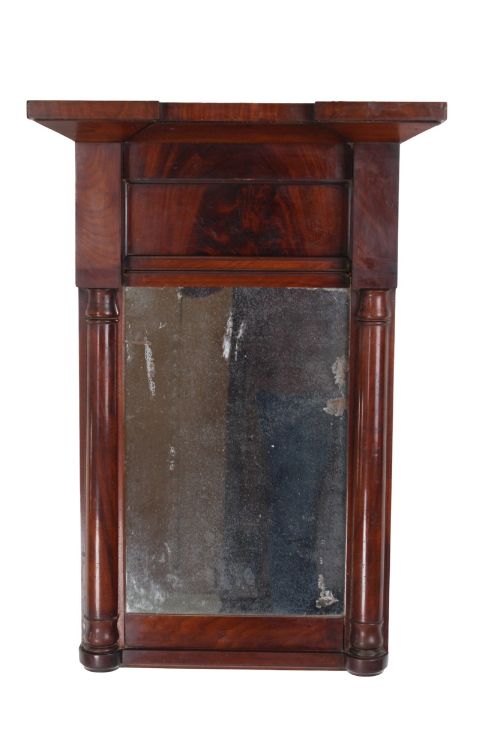
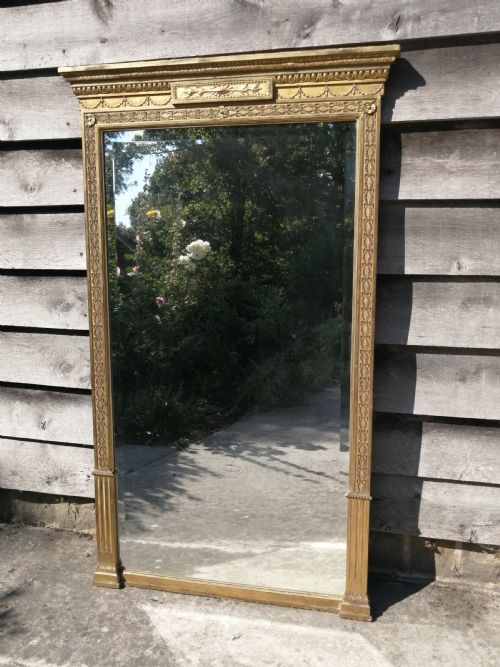
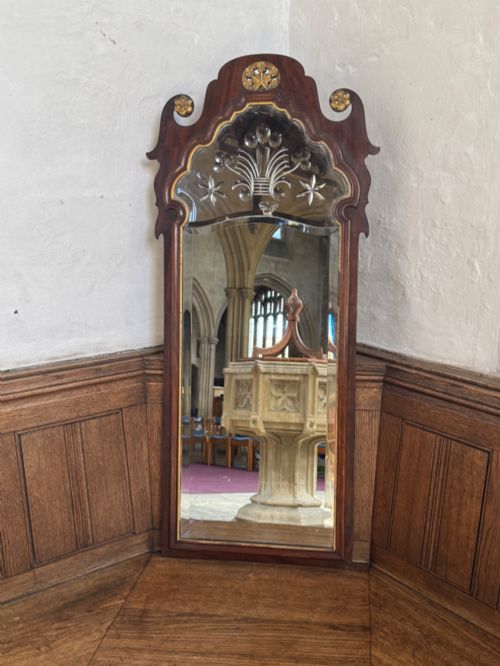
When searching for a hallway pier glass, buyers encounter tall vertical mirrors designed to fit the narrow wall space between windows or doors. These pieces frequently appear paired with matching console tables or marble tops, originating from periods such as the Georgian, Regency, and nineteenth century.
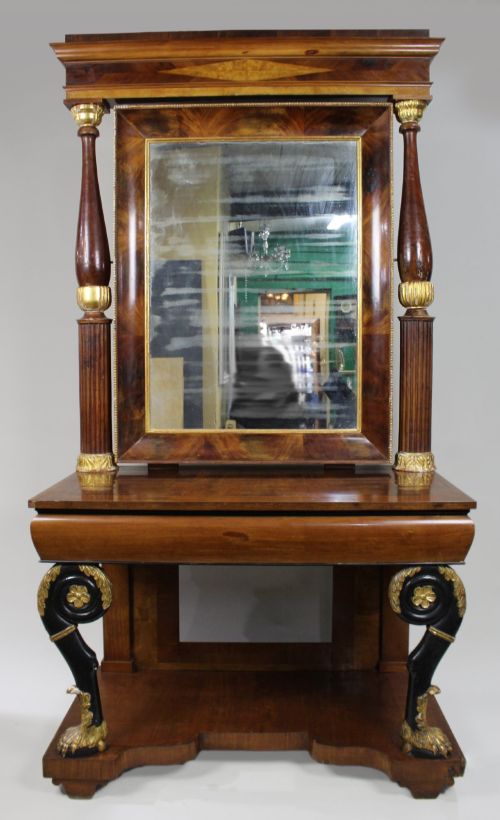
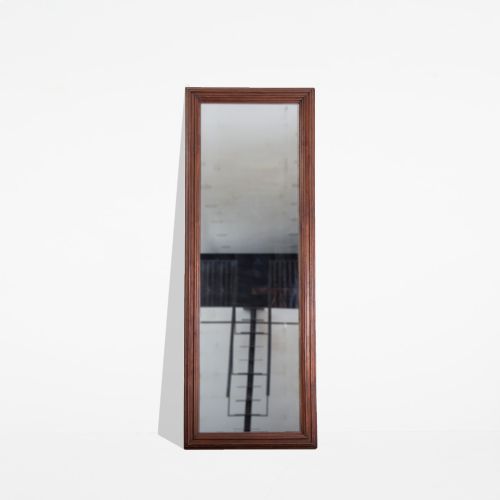
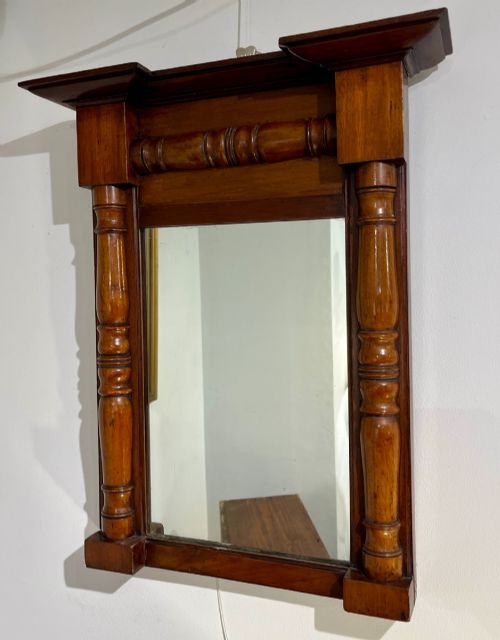
The selections available here showcase significant variety in timber frames and proportions. Mahogany, walnut, and giltwood predominate, ranging from simple nineteenth-century rectangular plates to elaborate French rococo revival designs and Biedermeier forms.
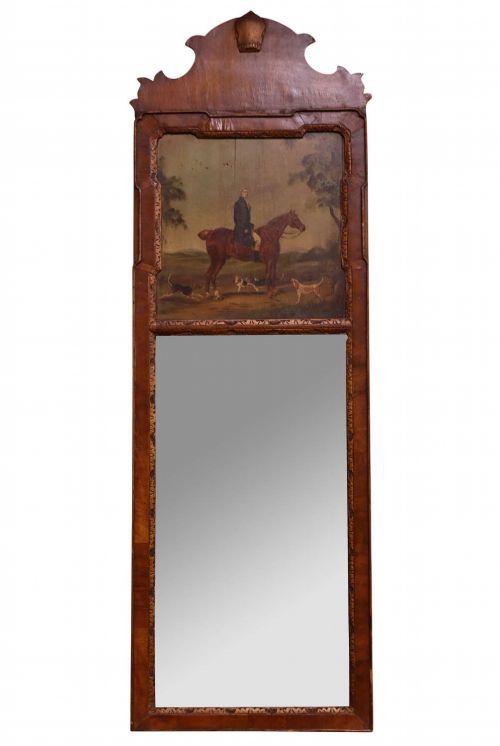
Many examples incorporate decorative details such as parcel gilding, ebonised accents, or integrated oil paintings above the glass. Buyers are most likely to find nineteenth-century interpretations alongside early twentieth-century revivals styled after earlier eighteenth-century aesthetics.
How they were made
Cabinetmakers constructed the wooden frames using dense timbers like mahogany and walnut, frequently applying hand-carved gesso layers before adding gold leaf or parcel gilt highlights. Gilding techniques required meticulous sizing and application to achieve the reflective surfaces seen on giltwood frames.
Mirror plates were set into the timber rebates, sometimes featuring original glass with reverse-cut details or bevelled edges reflecting period glass-making capabilities. Console tables accompanying these mirrors frequently incorporated shaped marble tops fitted directly onto carved wooden bases.
One extraordinary nineteenth-century walnut pier glass even keeps watch alongside an integrated equestrian oil painting.
What varies in quality
The standard of carving and the crispness of the gesso ornamentation separate exceptional examples from standard production pieces. Deeply undercut foliage, balanced proportions, and the survival of original gilding indicate superior craftsmanship.
The integrity of the mirror glass itself influences the character of the piece, with original silvering or reverse-cut plates adding authenticity. Furthermore, the harmonious pairing of a console table with its matching pier mirror demonstrates higher workshop ambition.
John Belchier
The Hallway Pier Glass Glossary
- Pier glass
- A tall mirror designed specifically to hang on the narrow pier of wall between two windows. These mirrors often reflect additional light deep into an entrance hall.
- Gesso
- A plaster-like mixture applied to wood frames to create a smooth surface for gilding. Artisans carved intricate decorative motifs directly into this dried preparation.
- Console table
- A table supported by wall brackets or front legs, designed to stand flat against a wall. They frequently accompany pier mirrors in hallways.
- Parcel gilt
- A decoration method where only specific raised details or carved areas of a wooden frame are gilded. This technique contrasts the natural grain of mahogany or walnut with bright gold leaf.
- Trumeau
- A decorative wall panel containing a painted scene or mirror glass set into the architecture. French examples often integrate this style above a matching console.
Hallway Pier Glass: Frequently Asked Questions
Where should a hallway pier glass be hung?
These mirrors were traditionally positioned on the narrow wall space between two windows to maximise daylight within a reception room or entrance hall. In modern homes, they function effectively above a slim console table to anchor an entryway.
Because of their vertical proportions, they create an illusion of height and depth in restricted spaces. Placing one opposite a doorway allows it to capture and reflect light from adjacent rooms.
Did pier glasses always come with console tables?
Many pier glasses were manufactured as standalone wall mirrors intended to hang above existing furniture. However, numerous examples from the nineteenth century onward were produced as matched console table and mirror sets.
Tables featuring marble tops and matching giltwood or mahogany frames were designed to sit directly beneath the glass. Surviving matched pairs represent complete decorative commissions for grand entrance halls.
How do I identify a Regency pier glass?
Regency pier mirrors typically feature neoclassical motifs, including ebonised reeded details, giltwood frames, and architectural symmetry. The proportion remains strictly vertical, often incorporating plain plates or simple reverse-cut borders.
Timbers such as mahogany predominate in this era, alongside bright gold leaf applications. The overall aesthetic reflects early nineteenth-century interpretations of ancient Greek and Roman design.
What is the difference between a wall mirror and a pier glass?
While all pier glasses function as wall mirrors, a traditional pier glass is specifically proportioned for narrow wall spaces. Standard wall mirrors were manufactured in various horizontal and vertical shapes for general room placement.
Pier glasses specifically relate to architectural placement between architectural openings like windows or doors. Their elongated vertical format distinguishes them from wider overmantel or landscape mirrors.