



Hallway Hanging Light Fixture
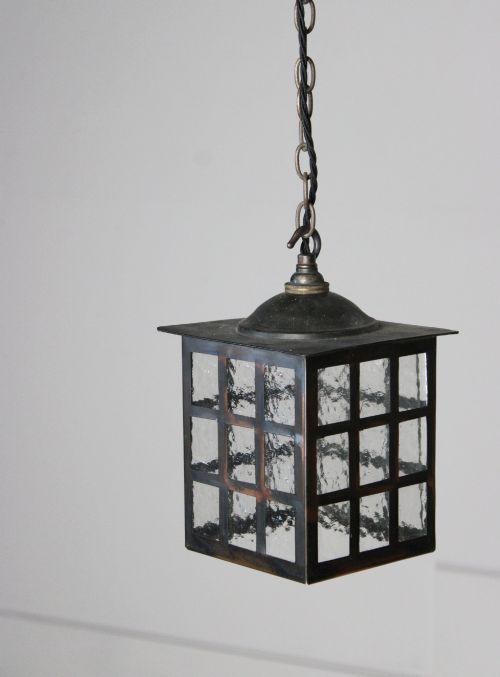
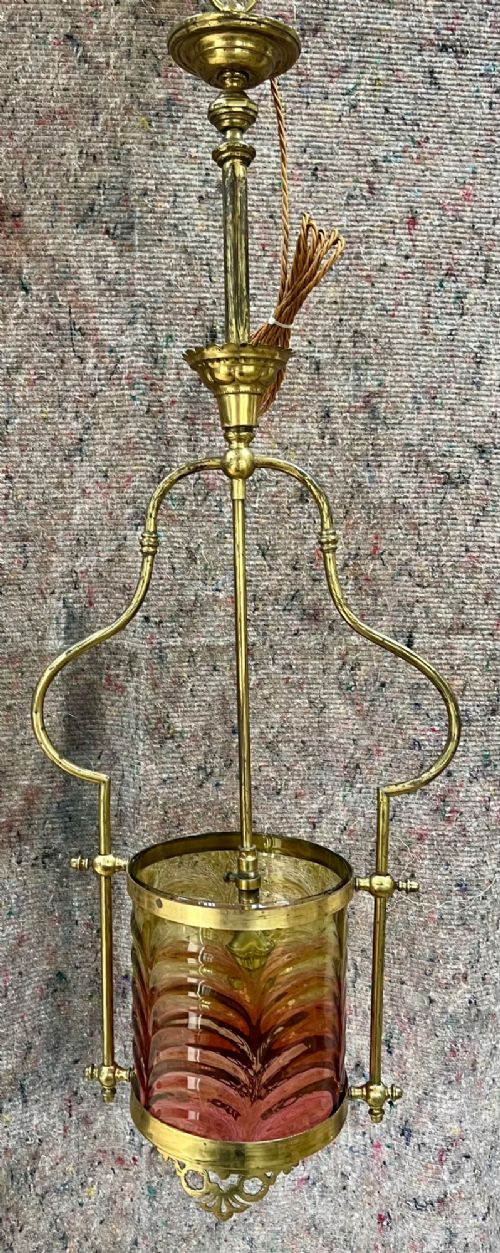
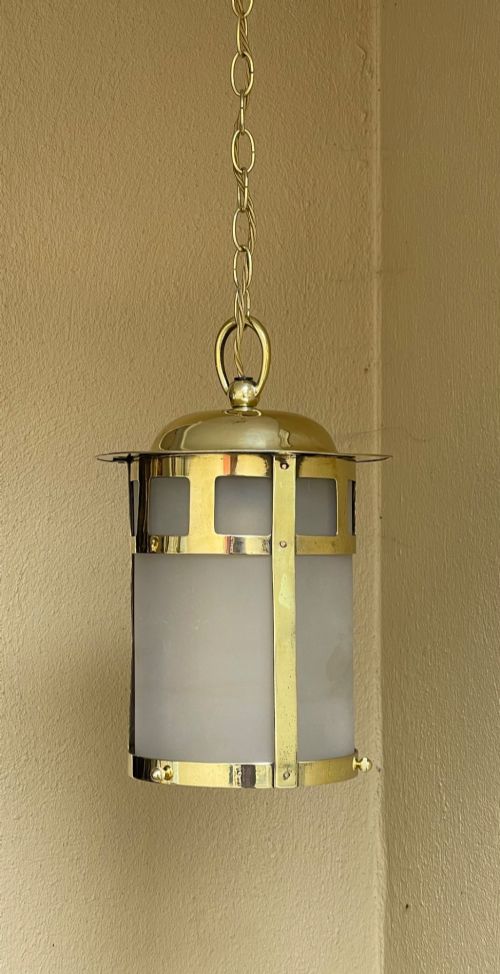
A hallway hanging light fixture sets the tone for an entrance, casting warm illumination from brass, copper, and glass frames.
Hallway Hanging Light Fixture
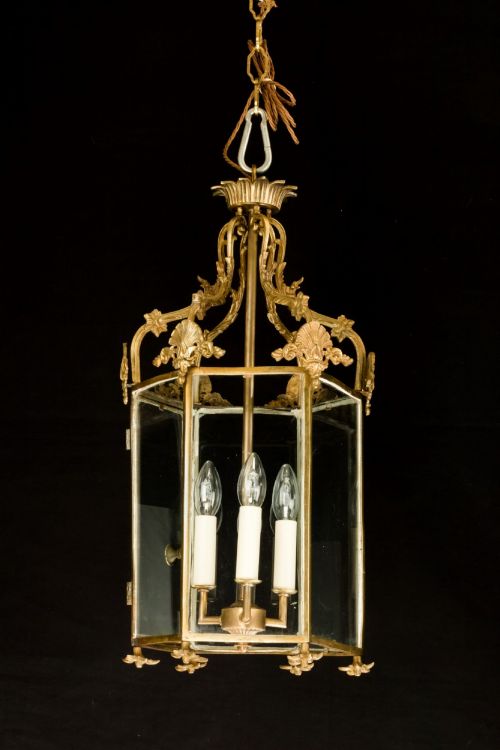
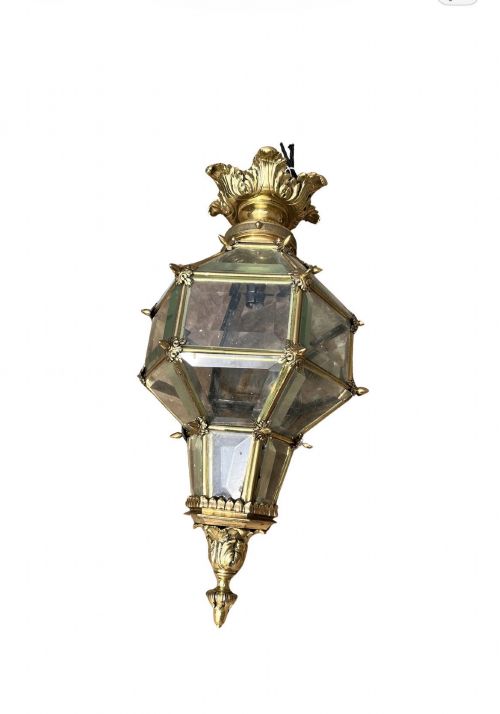
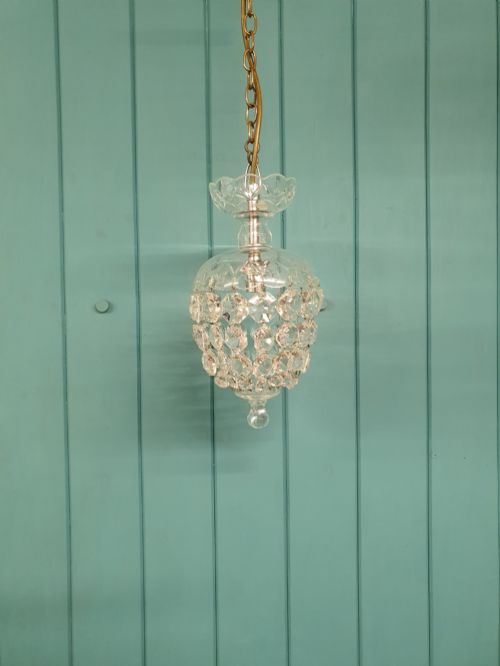
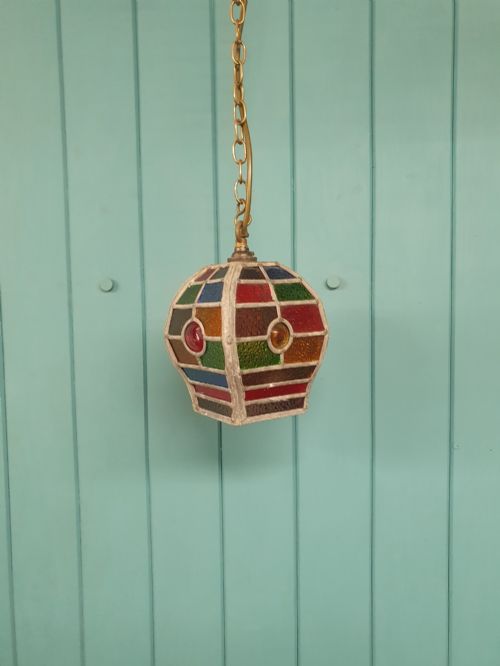
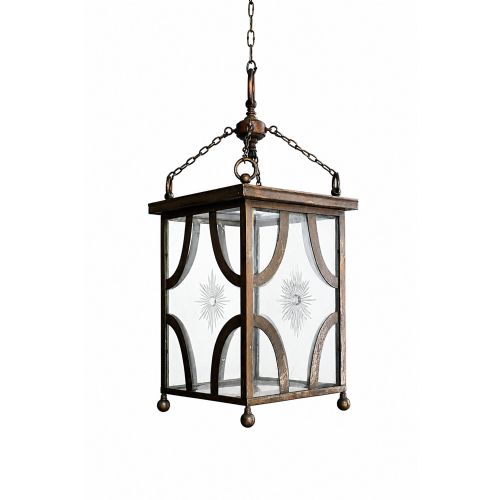
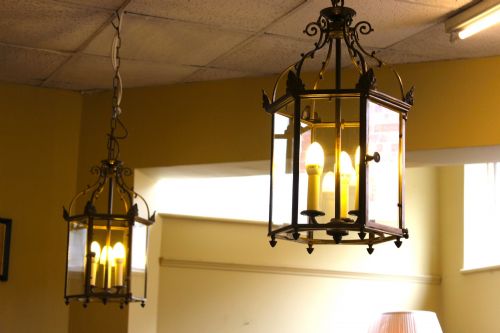
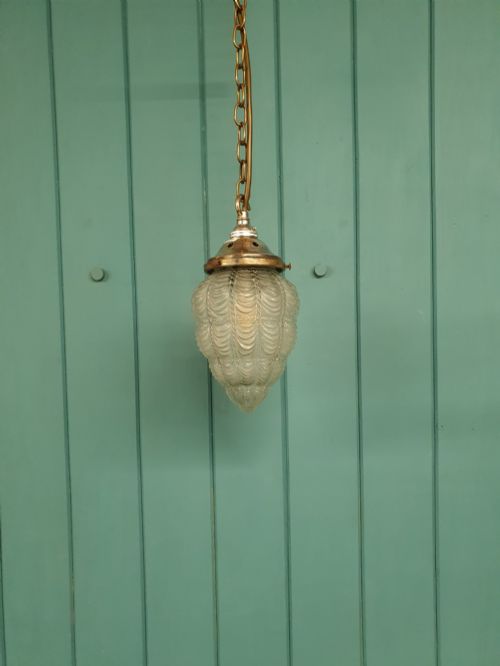
A hallway hanging light fixture serves as the primary illumination and focal point in a narrow entrance or vestibule. The selections span from compact pendant lights to substantial lanterns and chandeliers.
Most examples originate from the Victorian, Edwardian, and 1930s periods, reflecting domestic lighting transitions from early gas and candle use to electricity. Brass and glass hall lanterns dominate the physical evidence.
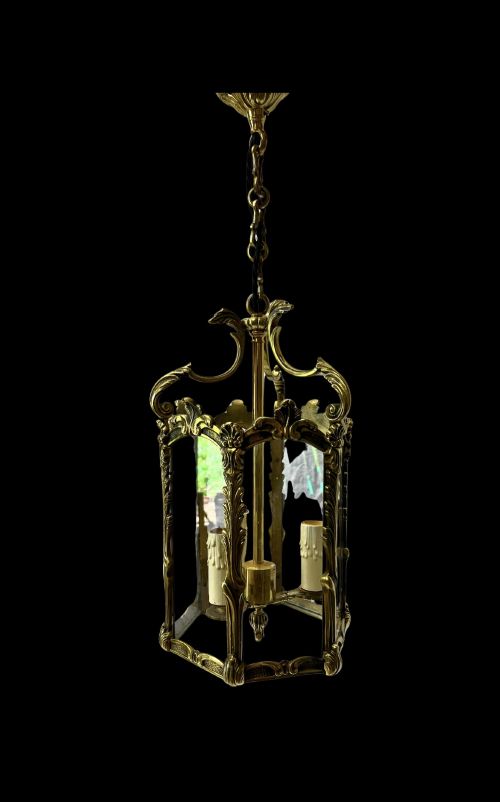
Regional influences appear clearly through French styles like empire and rococo, alongside English Arts and Crafts and Neo-Classical interpretations. These forms range from simple glass domes to elaborate multi-light bronze structures.
Materials and construction
The primary structural framework relies on cast and spun metals, predominantly brass, copper, bronze, and steel. These metals provide durable housing for the internal electrical components or earlier fuel sources.
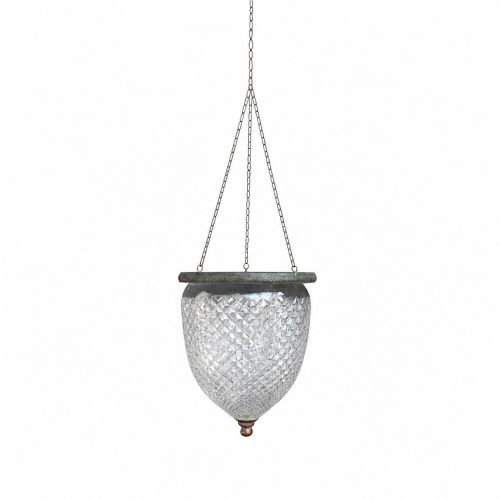
Panels and shades utilise clear, frosted, opaline, cut, leaded, or stained glass, often shaped into bell jars, prisms, or geometric lanterns. Hand-blown crystal and diamond-cut panels refract light across hallway surfaces.
Early hallway illumination required careful candle management before clever Victorians retrofitted their lanterns for cleaner electric bulbs.
Assessing quality
Quality reveals itself in the weight of the metal casting and the precision of the glass cutting. Heavy gauge brass and hand-blown crystal indicate higher production standards than thin pressed sheet metal and moulded synthetic glass.
The sophistication of decorative metalwork, such as chased or gilded details on Toleware and bronze frames, separates standard utility fixtures from fine architectural pieces.
The Hallway Hanging Light Fixture Glossary
- Pendant light
- A hanging lighting fixture suspended from the ceiling by a single cord, chain, or rod. These direct light downwards into confined spaces.
- Hall lantern
- An enclosed hanging light fixture designed specifically for entranceways and corridors. They typically feature glass panels held within a metal frame.
- Plafonnier
- A ceiling-mounted or close-hanging light fixture with a bowl-shaped glass shade. They sit flush or close to the ceiling surface.
- Opaline glass
- A milky, semi-translucent glass developed to diffuse light evenly without harsh glare. It appears frequently in 1930s lighting designs.
Hallway Hanging Light Fixture: Frequently Asked Questions
How do I choose the right size fixture?
Measure your hallway's ceiling height and floor area to determine appropriate proportions. Larger lanterns require sufficient clearance so they do not obstruct movement.
Consider the visual weight of the metal and glass relative to nearby furniture and architectural mouldings. A balanced fixture complements the scale of the entrance space.
Are these lights compatible with modern wiring?
Many period fixtures require professional rewiring to meet contemporary safety standards. Electricians can easily adapt older brass and copper frames for standard bulbs.
Original sockets and wiring are frequently replaced during restoration while preserving the exterior metal and glass components.
How do I identify a Victorian or Edwardian lantern?
Victorian lanterns often incorporate heavy brass, cast bronze, and ornate detailing suited to gas or candle conversion. They lean towards Gothic or traditional proportions.
Edwardian and 1930s examples shift towards cleaner lines, featuring Arts and Crafts copper or Art Deco geometric glass panels. Construction methods and patent marks help confirm the era.
Can I hang these in a low ceiling hallway?
PlafONNIER fixtures and flush ceiling lanterns suit lower ceiling heights by sitting close to the surface. Pendant lights with adjustable chains can also be shortened.
Ensure there is adequate headroom beneath the fixture for people passing underneath, typically maintaining standard clearance from the floor.