





Hallway Accent Wall Mirror
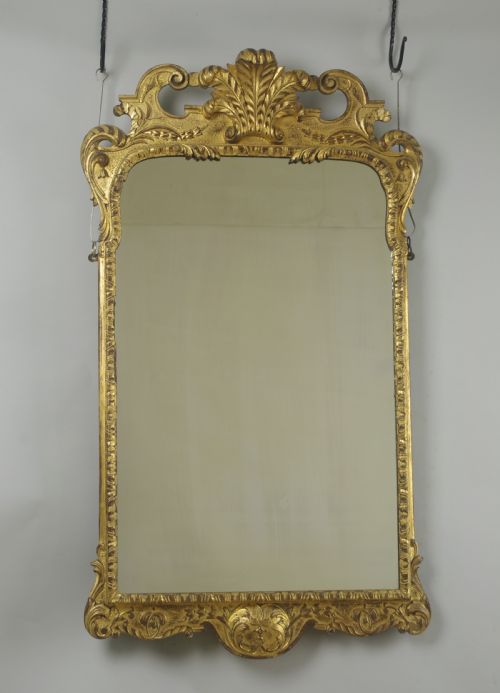
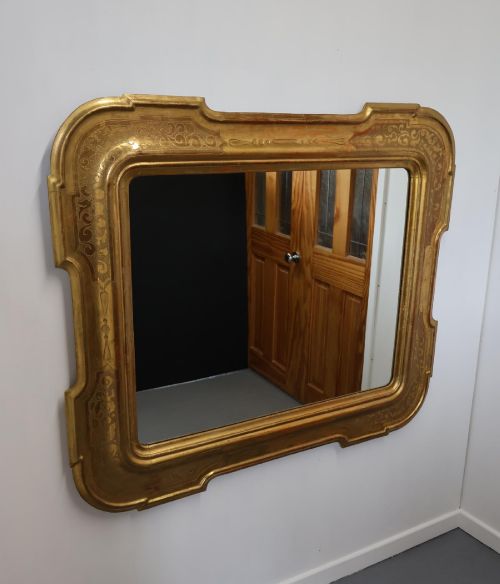
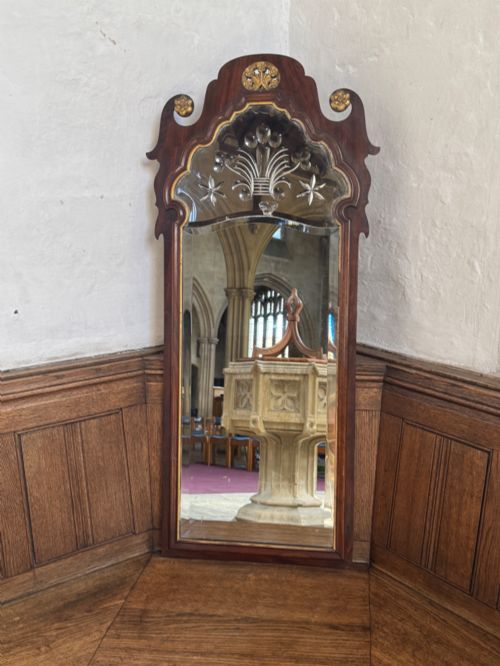
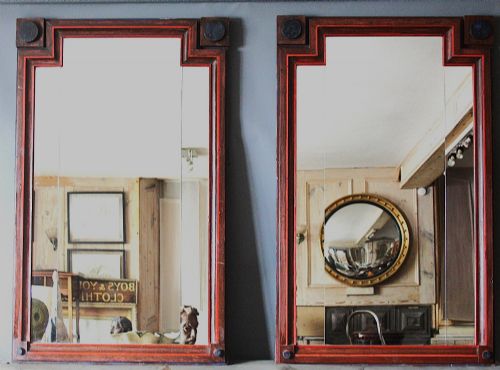
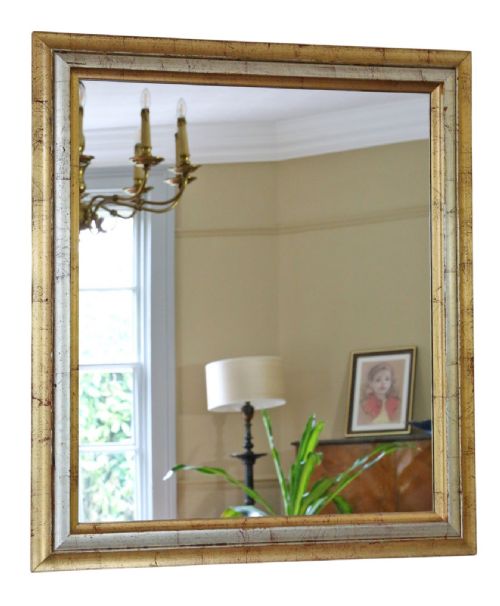
A hallway accent wall mirror brings light and presence to a narrow space, drawing the eye with period frames of oak, walnut, or gilded gesso.
Hallway Accent Wall Mirror
A hallway accent wall mirror serves as a functional focal point in entrance spaces, reflecting light and adding depth to narrow interiors. When you search for this phrase, you meet wall-hung pieces ranging from substantial overmantle forms to compact oval designs.
The selections on this page draw from the Victorian, Edwardian, and Art Deco eras, alongside revival pieces in Georgian and Rococo styles. Oak, mahogany, and walnut frames appear frequently alongside ornate giltwood examples.
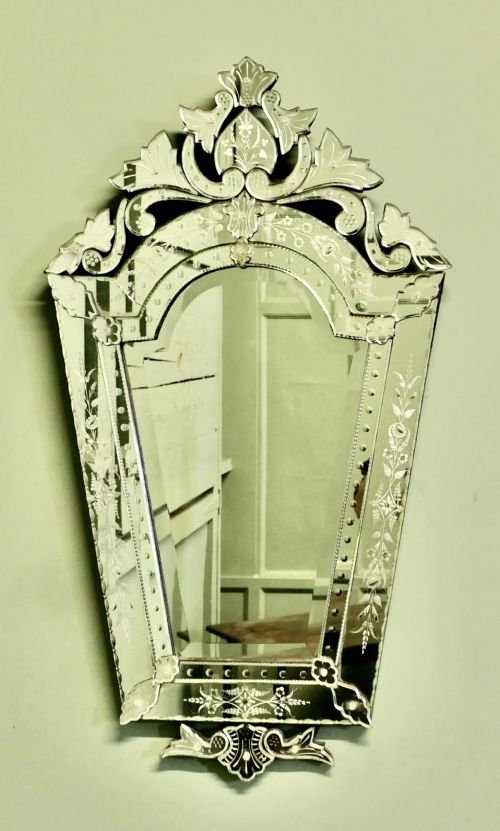
Many of these mirrors double as console or pier glasses, designed to hang above furniture or narrow passageways. The forms vary from rectangular oak panels to shaped shield mirrors and Venetian glass plates.
Materials and Construction
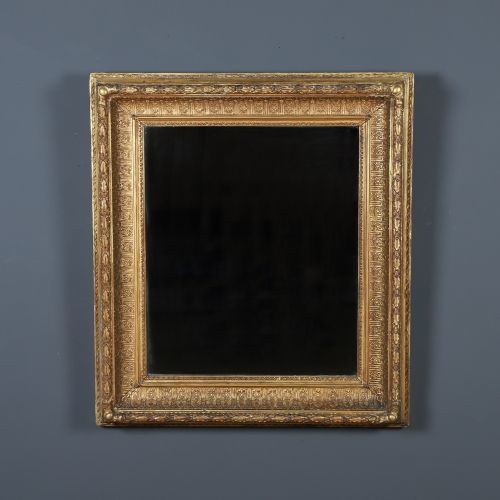
Carved wooden frames form the backbone of these pieces, utilising durable timbers such as oak, mahogany, and walnut. Giltwood and gesso applications provide the metallic sheen and raised decorative motifs seen on Victorian and revival frames.
Mirror plates are set within rebated wooden mouldings, occasionally featuring reverse-cut details or bevelled edges. Parcel gilt highlights and burr walnut veneers add visual texture to the timber surfaces.
Hallway Accent Wall Mirror Retail Price Guide 2026
Typical asking prices for hallway accent wall mirror among the pieces listed under this phrase on Sellingantiques today, from the lower quarter to the upper quarter. They describe what is for sale here now, not the wider market.
Assessing Quality
The depth and crispness of the carving distinguish a finer frame from a plainer one, particularly in gesso and giltwood examples where hand-tooling defines the ornaments. Timber selection also matters, as figured burr walnut or dense quarter-sawn oak demonstrates superior material choice.
The integrity of the original mirror plate and its silvering contributes to the character of the piece. Heavier timber construction and secure backing indicate careful workshop assembly designed to support the weight of the glass over decades.
John Belchier
The Hallway Accent Wall Mirror Glossary
- Gesso
- A plaster-like mixture applied to wood frames to create a smooth surface for gilding or painting. Artisans mould and carve this material to produce ornate relief decoration.
- Giltwood
- Timber coated with a thin layer of gold leaf or metal powder over a prepared ground. This finish provides a bright reflective quality suited to formal reception spaces.
- Pier Mirror
- A tall vertical glass designed to hang on the wall between windows or above a narrow console table. These pieces maximise natural light in traditional room layouts.
- Overmantle Mirror
- A wide wall mirror traditionally hung above a fireplace mantelpiece. Their generous proportions make them suitable for expansive hallway walls.
- Parcel Gilt
- A decorative treatment where parts of a wooden surface are gilded while remaining areas show the natural grain of the timber. Walnut and mahogany frames frequently employ this contrast.
Hallway Accent Wall Mirror: Frequently Asked Questions
Are these mirrors suitable for narrow hallways?
Compact oval designs and vertical pier mirrors fit well into restricted entrance spaces without overwhelming the room. Their reflective surfaces bounce ambient light into dim corridors.
Choosing a frame style that matches your existing woodwork helps maintain visual balance in a small area. Position the glass at eye level for practical daily use.
How do I identify a Victorian mirror?
Victorian pieces often feature robust oak frames with egg and dart mouldings, or heavily carved giltwood surfaces. The construction methods reflect mid to late nineteenth-century workshop practices.
Look for characteristics such as dark patinated timber, heavy gesso ornamentation, and older mirror glass plates showing natural ageing.
What is the difference between walnut and oak frames?
Oak frames provide a robust, heavily grained appearance typical of Jacobean and Victorian revival designs. Walnut offers a smoother, richer brown tone often enhanced by burr veneers.
Both timbers provide structural durability, but they suit different interior decorative schemes depending on their grain pattern and colour.