

Hallmarked Sterling Picture Frame
A hallmarked sterling picture frame holds a cherished photograph while bringing solid precious metal and period craftsmanship into a room.
Hallmarked Sterling Picture Frame
A hallmarked sterling picture frame is a domestic object designed to display a portrait or landscape photograph within a border of solid silver. When searching this phrase, a buyer examines items shaped to hold images in upright or horizontal orientations.
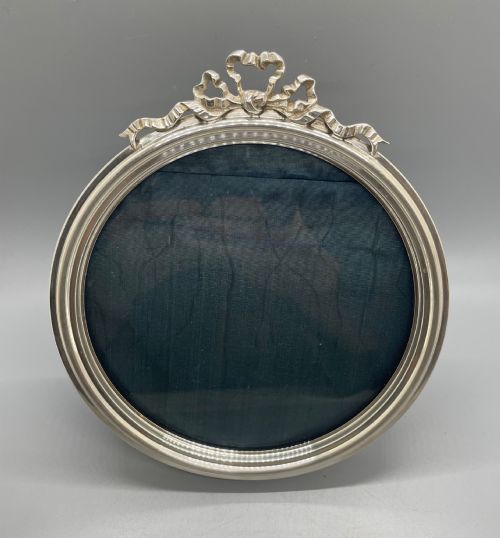
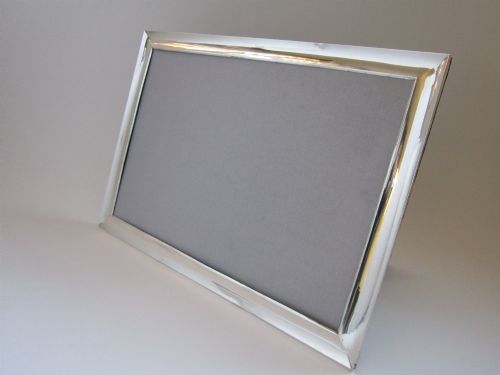
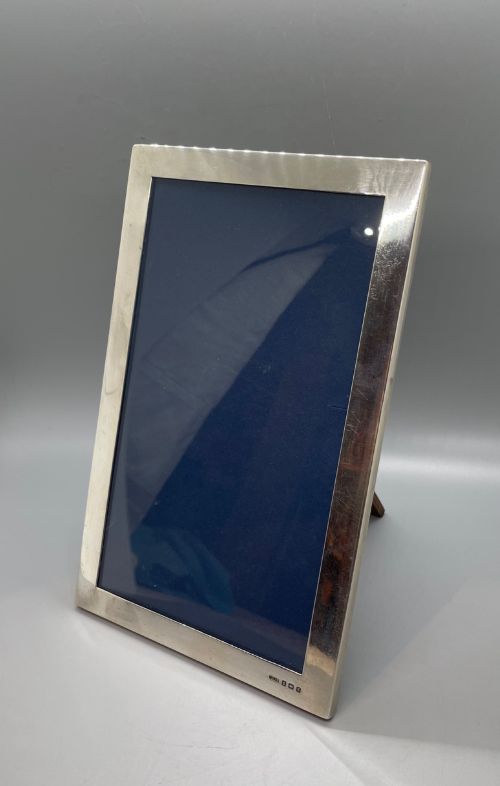
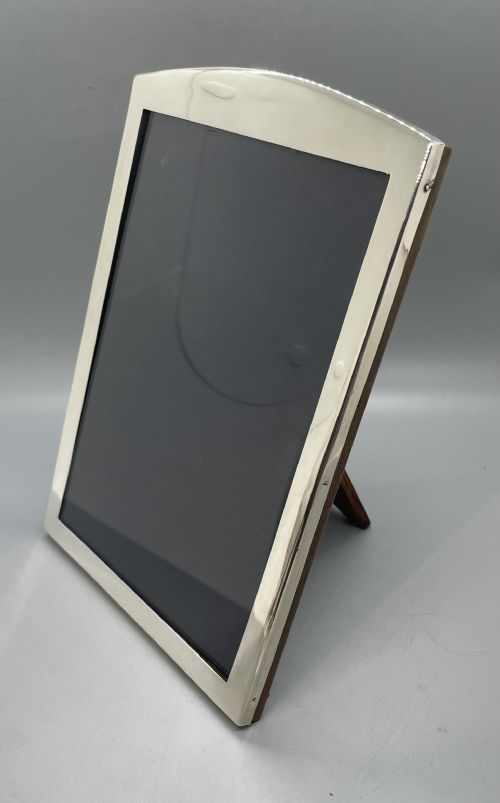
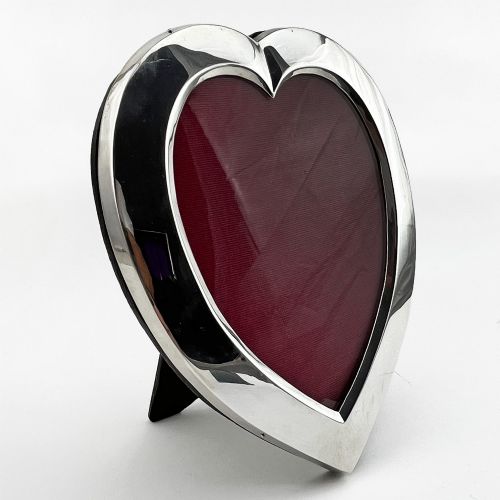
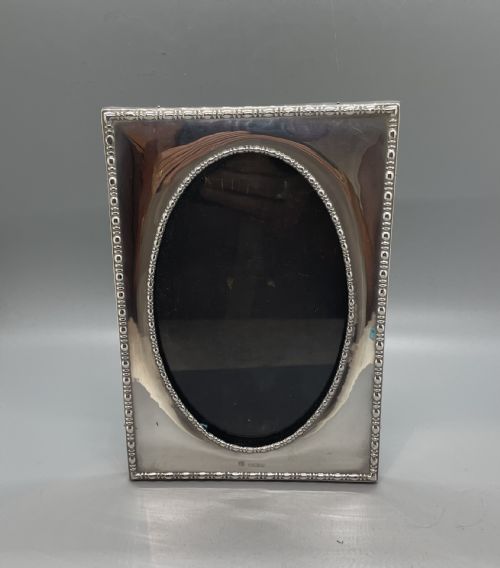
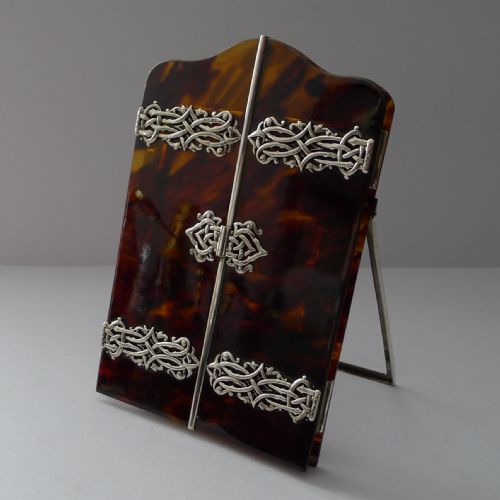
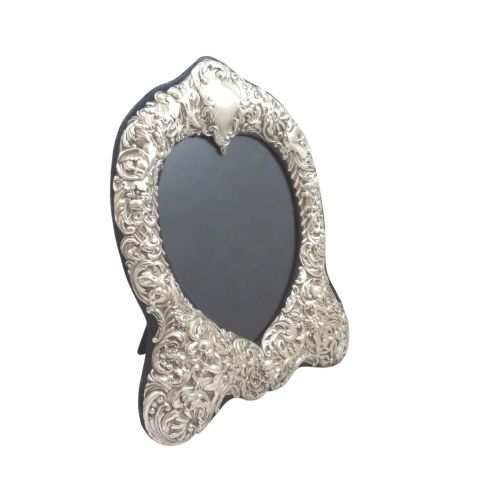
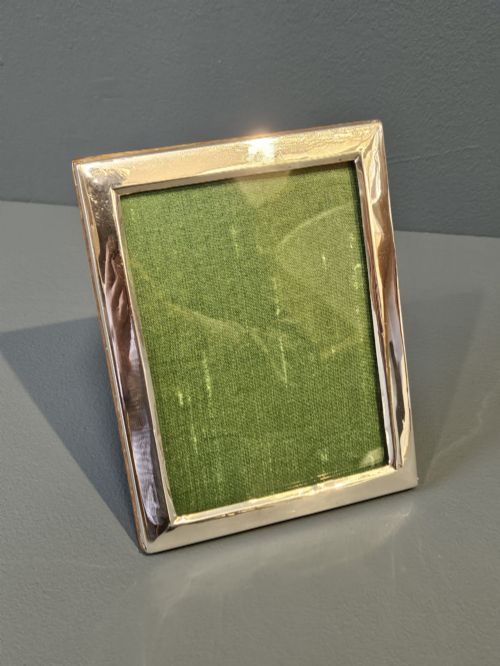
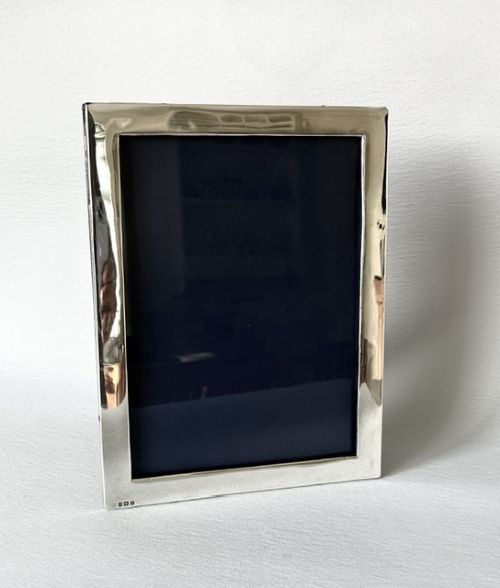
The pieces on this page originate primarily from the Victorian, Edwardian, and George V periods, stretching from the late nineteenth century into the nineteen-twenties. Forms range from simple rectangular borders to heart shapes, ovals, and expansive panels.
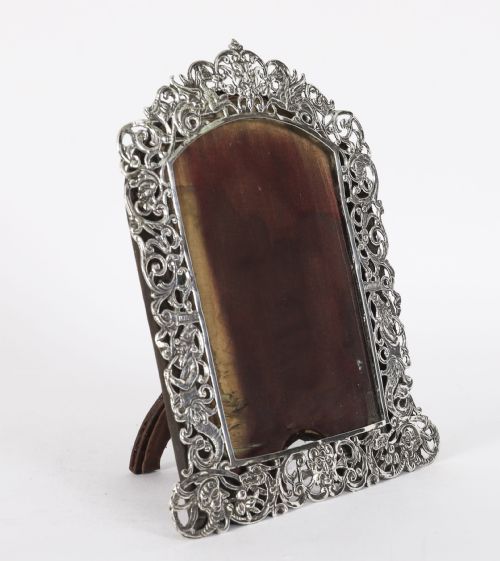
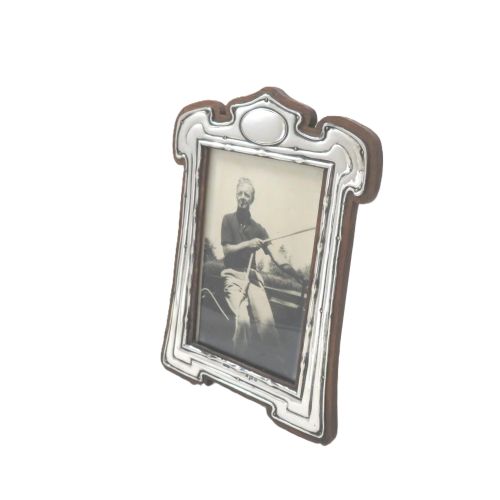
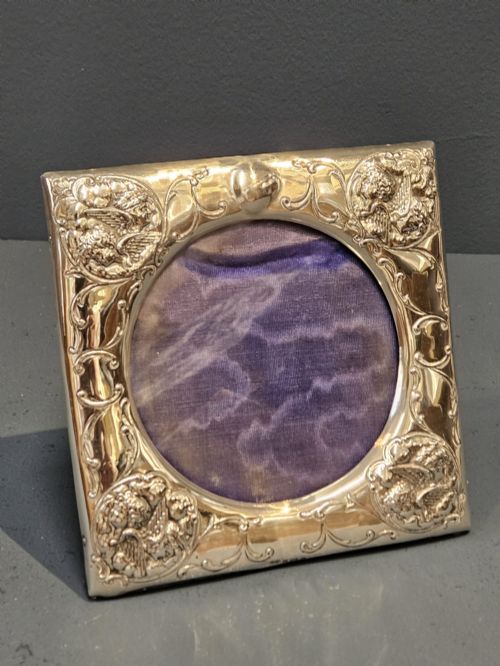
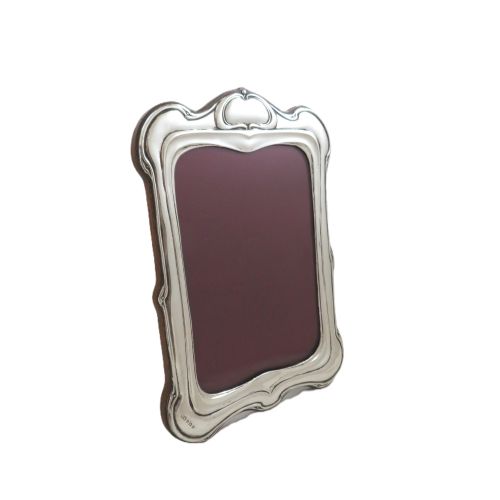
Makers utilised various decorative vocabularies, producing examples with embossed floral motifs, flowing whiplash lines typical of the Art Nouveau style, or geometric engine-turned patterns from the Art Deco era.
Materials and construction
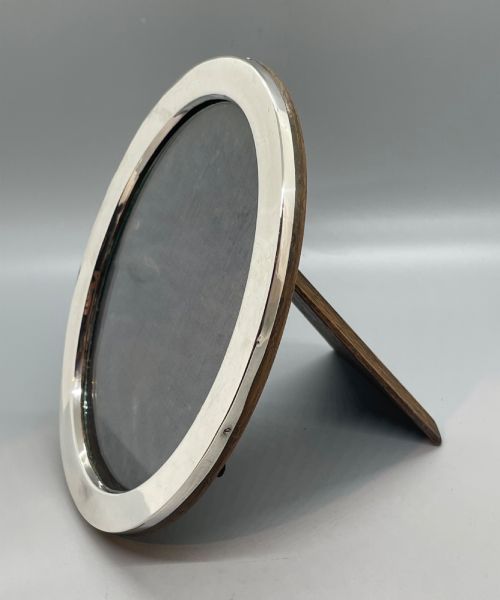
Silversmiths constructed these frames by mounting thin sheets of sterling silver over wooden carcasses, often made from oak, or by supporting the metal structure with wooden backing boards. The silver front panels received hallmarking to denote the metal standard and assay office.
Backings typically comprise wood covered in fabric, velvet, or black leather, equipped with hinged silver or wooden struts for desk placement. Interior apertures hold glass sheets to protect the paper photographs placed within.
Surviving examples include frames shaped like human hearts and delicate portrayals of Reynolds angels.
Distinctions in quality
Quality in a hallmarked sterling picture frame rests upon the gauge of the silver sheet and the depth of the repoussé or embossed decoration. Thicker metal resists distortion and maintains crisp detail across floral borders and figural panels.
The integrity of the structural support separates standard items from superior pieces, with well-preserved wooden interiors and original leather or velvet backs indicating careful manufacture and survival.
Rosenthal Jacob And Co·William Comyns·Mappin Bros·W I Broadway And Co·Henry Matthews
The Hallmarked Sterling Picture Frame Glossary
- Hallmark
- A series of stamped marks on precious metal indicating the maker, the purity standard, the assay office, and the date letter. These stamps provide the primary method for dating British silver.
- Sterling silver
- An alloy consisting of ninety-two point five percent silver and seven point five percent other metals, usually copper. This standard is legally defined for items bearing the lion passant mark in Britain.
- Repoussé
- A metalworking technique where the silversmith hammers the silver from behind to form raised decorative patterns in relief. It appears frequently on floral and figural frames from the Edwardian period.
- Engine-turned
- A precise mechanical method of engraving geometric patterns into metal surfaces using a lathe. This decoration predominates on pieces from the nineteen-twenties.
- Strut
- The hinged rear support leg that allows a picture frame to stand upright on a flat surface. These are commonly wrapped in velvet or leather matching the backing board.
Hallmarked Sterling Picture Frame: Frequently Asked Questions
How do I date a silver picture frame?
Dating relies on the assay office hallmarks stamped directly onto the silver border, which include a specific date letter corresponding to the year of testing.
Additional clues come from the overall style, such as Art Nouveau whiplash curves or geometric Art Deco patterns, alongside the material of the backing board.
What backs did original frames have?
Original backs typically consist of wood covered in black leather, velvet, or fabric, secured with metal turn-buttons or sliding pins.
Many retain their original folding support struts covered in matching textiles to allow stable desk placement.
Can these frames be polished safely?
Silver borders tolerate gentle cleaning with a soft cloth and proprietary silver polish designed to remove tarnish without harming the metal.
Care must be taken to avoid applying liquid polish directly onto the velvet, leather, or fabric components of the backing.
Are glass panels usually original?
Glass panels frequently date to the period of manufacture, often identifiable by slight thickness variations, tiny bubbles, or minor surface ripples.
Replacements occur regularly due to accidental breakage over a century of domestic use.