



Hallmarked Silver Strainer
A hallmarked silver strainer handles tea leaves and decanted wine with proper weight and bright metal.
Hallmarked Silver Strainer
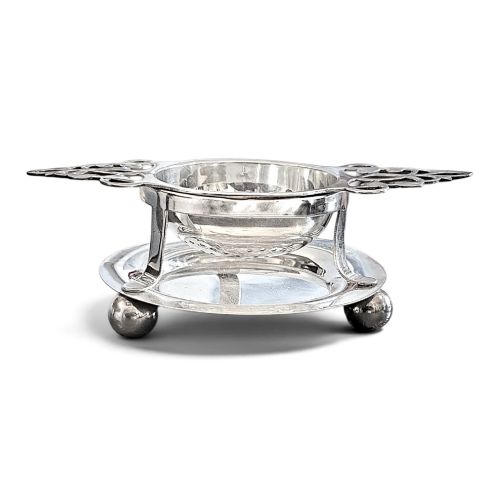
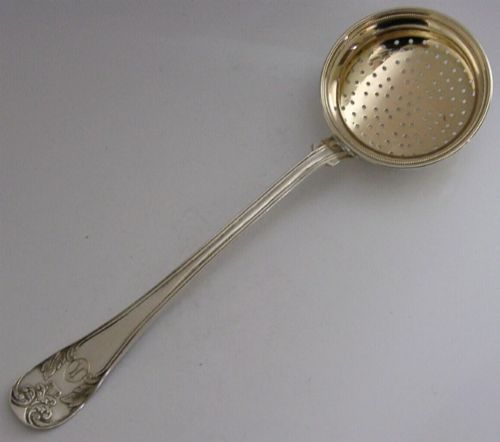
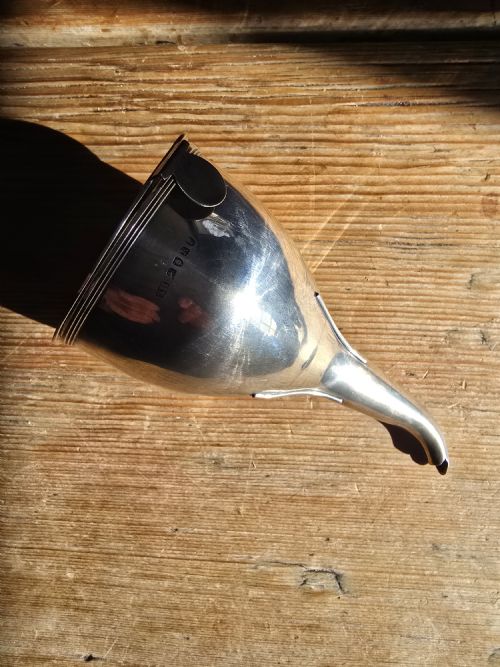
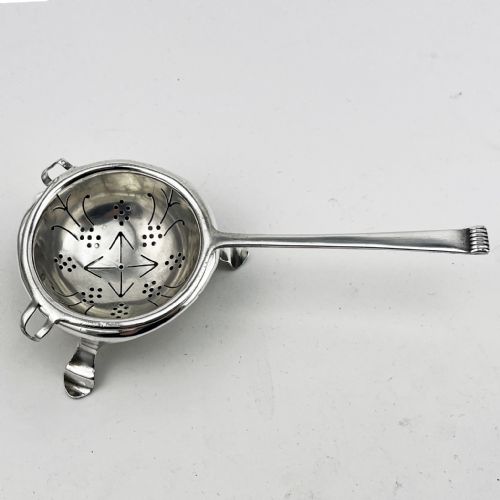
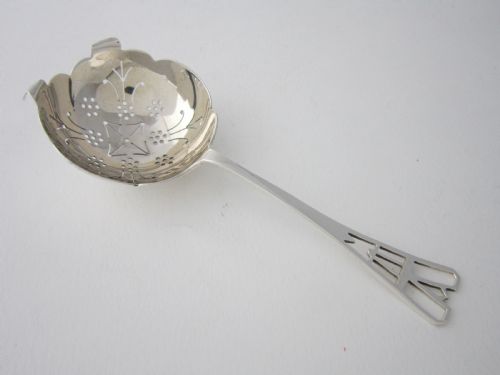
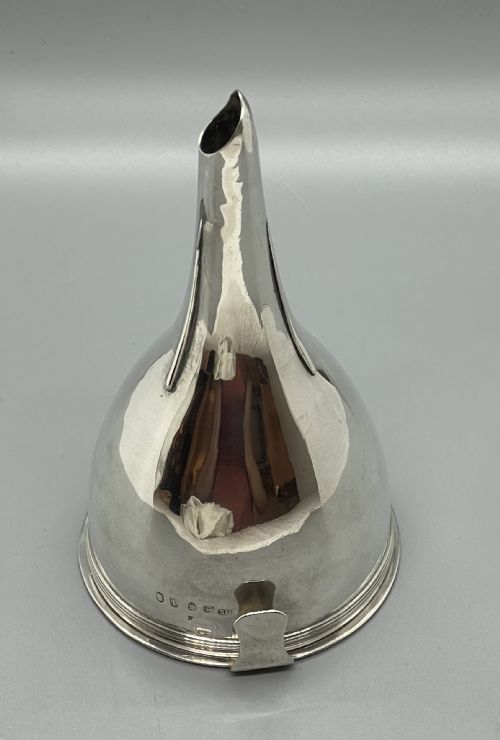
A hallmarked silver strainer serves utilitarian purposes across tea service and barware, catching leaves and sediments before they reach the cup or glass. You meet these pieces primarily in forms such as wine funnels, tea strainers with stands, sugar sifter spoons, and mote spoons across this selection.
The objects span multiple periods from the Georgian era through Victorian, Edwardian, Art Deco, and mid-twentieth century designs. Origin points include English and Swedish workshops, manifesting in sterling silver and silver gilt forms.
Tea accessories and wine funnels dominate the available inventory, reflecting domestic rituals of dining and tea drinking. Each piece carries official hallmarks denoting its metal purity and assay office origin.
How they were made
Silversmiths constructed these items using sterling silver and solid silver, often applying a silver gilt finish for decorative contrast inside bowls or channels. Pierced work forms the functional mesh or slotted patterns through which liquids pass while holding back solids.
Workshops utilised traditional hand-raising, casting, and piercing techniques to shape the metal components of wine funnels, tea strainers, and straining ladles. Individual parts such as bowls, handles, and clips were soldered together before receiving official hallmarked stamps.
Hallmarked Silver Strainer Retail Price Guide 2026
Typical asking prices for hallmarked silver strainer among the pieces listed under this phrase on Sellingantiques today, from the lower quarter to the upper quarter. They describe what is for sale here now, not the wider market.
Mote spoons double as tea leaf catchers and teapot spout pokers, solving two kitchen problems with one slender silver handle.
What varies in quality
The calibre of a piece rests upon the crispness of its piercing and the integrity of its structural joints. Heavy gauge sterling silver provides a substantial feel in the hand, whereas lighter items employ thinner metal.
Maker marks and legible hallmarks elevate an item by establishing exact provenance and date. The complexity of design, from simple tea strainers to multi-part wine funnels with detachable bowls, distinguishes standard utility items from elaborate dining room pieces.
Lowe & Sone·Solomon Hougham·Adie Brothers·William Bruford & Son
The Hallmarked Silver Strainer Glossary
- Hallmark
- An official stamp applied by an assay office to indicate the metal standard, maker, and year of production. These marks provide the primary evidence for dating silver objects.
- Sterling silver
- A silver alloy containing a specific proportion of pure silver and other metals to ensure durability. It serves as the standard material for quality tableware.
- Wine funnel
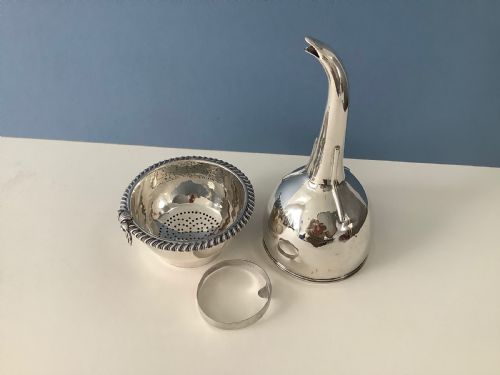
- A specialised utensil used to decant wine into a vessel while filtering out sediment. Many examples feature a removable strainer insert.
- Mote spoon
- An eighteenth-century slender spoon with a pierced bowl used to clear tea leaves from a cup. The pointed tail end clears blocked spouts in teapots.
- Silver gilt
- Silver that has been coated with a thin layer of gold on its surface. This technique protects the underlying metal and creates a two-tone decorative effect.
Hallmarked Silver Strainer: Frequently Asked Questions
What is a hallmarked silver strainer used for?
These utensils catch loose tea leaves during pouring or filter sediment when decanting wine into a glass or decanter. They bridge domestic dining and tea service traditions.
Different forms serve different liquids, with tea strainers resting on small stands and wine funnels fitting directly into bottle necks.
How do I identify the age of a silver strainer?
Official hallmarks stamped onto the metal provide the exact assay office, metal standard, and date letter corresponding to the year of manufacture. Stylistic indicators like Georgian or Art Deco forms also point to specific eras.
Comparing the stamp codes against recognised silversmith registers confirms the period of production.
What does a three-part wine funnel include?
A three-part wine funnel typically consists of the main funnel body, a removable pierced strainer insert, and a matching stand or ring. This allows the user to catch sediments efficiently during decanting.
The modular construction assists with cleaning the internal mesh after use.
How should I clean antique silver strainers?
Wash the silver gently in warm water with mild soap, avoiding harsh abrasive cloths that might wear down delicate pierced details and hallmarks. Dry the piece thoroughly with a soft cloth to prevent water spots.
Occasional use of specialised silver polish maintains the natural shine without harming the metal.