





Pierced Silver Strainer
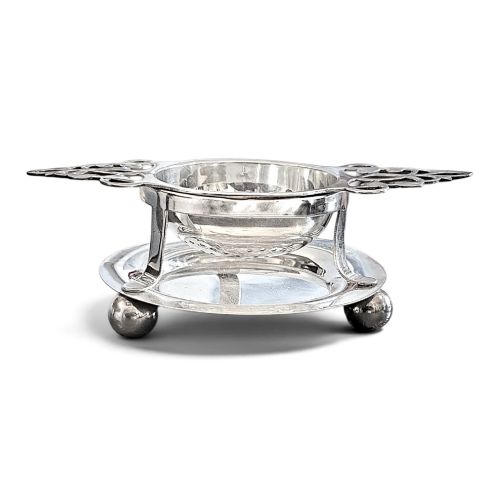
These pieces of pierced silver strainer harness traditional craftsmanship to separate liquids from solids during tea service and dining.
Pierced Silver Strainer
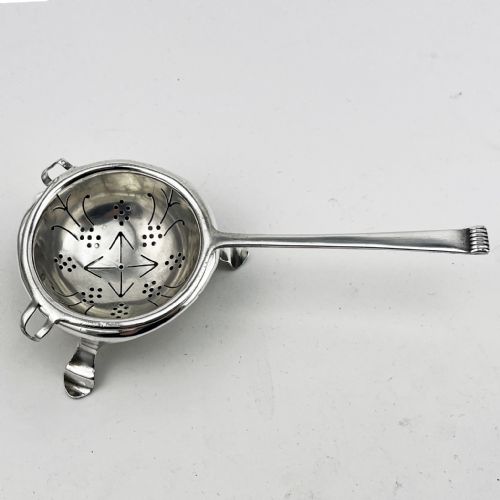
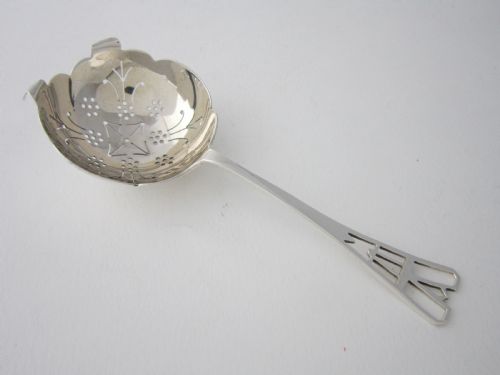
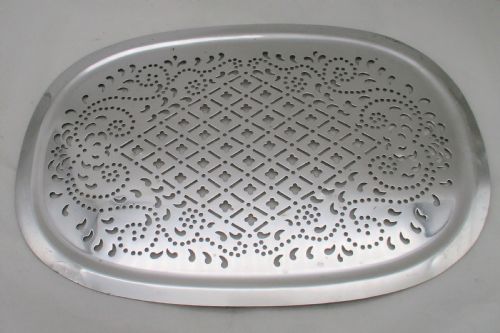
A pierced silver strainer encompasses forms designed for fluid separation, ranging from tea accessories to large serving and draining spoons. Buyers examining this category encounter diverse iterations including mote spoons, tea strainers with matching bowls, gravy straining spoons, and mazarine plates.
The selection bridges several eras, featuring examples from the eighteenth century through the Victorian period and into the Art Deco twentieth century. Georgian and George II examples appear alongside Edwardian and later nineteenth century pieces, reflecting shifts in dining and tea table customs.
Tea accessories and flatware dominate the offerings, spanning solid sterling silver, silver plate, and Old Sheffield Plate. These objects serve both practical utility in straining tea leaves or gravies and decorative display within historic silver collections.
How They Were Made
Maker execution relies heavily on sterling silver and silver plate, alongside specialised materials like Old Sheffield Plate found in draining trays. Metalsmiths shape these substances into spoons, ladles, and mazarines through traditional forming and hammering techniques.
Perforations form through meticulous piercing, creating geometric patterns, keyhole motifs, or intricate bowl designs that allow liquid passage while retaining solids. Fancy back treatments and patterned handles, such as the Old English style, demonstrate further decorative manipulation of the metal.
Pierced Silver Strainer Retail Price Guide 2026
Typical asking prices for pierced silver strainer among the pieces listed under this phrase on Sellingantiques today, from the lower quarter to the upper quarter. They describe what is for sale here now, not the wider market.
Listings span sterling silver, silver plate, and Old Sheffield Plate across Victorian, Georgian, and Art Deco styles.
What Varies in Quality
Distinctions across the range rest on the precision of the metal piercing and the clarity of the underlying period style. Early eighteenth and nineteenth century examples often display refined hand-piercing work that elevates standard flatware into notable tableware.
Material composition also marks the hierarchy, with solid sterling silver and early Old Sheffield Plate pieces holding different status from later silver plated items. The survival of crisp decoration on fancy backs and handles further separates standard utilitarian pieces from finer specimens.
Jeremiah Lee·WALLIS
The Pierced Silver Strainer Glossary
- Mote spoon
- A specialised nineteenth or eighteenth century spoon featuring a pierced bowl used for clearing tea leaves from a cup, often terminating in a small spike for clearing the teapot spout. This dual-purpose implement is characteristic of early tea service.
- Mazarine
- A flat draining plate or insert placed within a dish to separate liquids from meat or fish during service. These are typically fashioned in silver plate or Old Sheffield Plate.
- Old Sheffield Plate
- A composite material made by fusing a sheet of silver to a thicker copper base, utilised in Georgian and nineteenth century manufacturing before modern electroplating. This technique produces durable items with a distinct metallic depth.
- Fancy back
- A decorative treatment applied to the reverse of spoon bowls, featuring cast or chased scrollwork, foliage, or shell motifs popular in the Georgian era. It adds visual interest to an otherwise functional underside.
Pierced Silver Strainer: Frequently Asked Questions
How do I date a silver strainer?
Dating relies on hallmarks stamped into the metal, stylistic indicators such as handle patterns, and manufacturing methods. Georgian and Victorian pieces exhibit distinct design motifs and maker marks.
Reference guides help decode assay office symbols and date letters. Comparing the form against known historical periods confirms the age.
What is Old Sheffield Plate?
Old Sheffield Plate is an early fusing technique where a thin layer of silver is bonded to a copper core under heat and pressure. This predates modern electroplate methods.
Items made this way show subtle traces of copper visible along edges or wear points. It is prized for its historic manufacturing process.
How were these strainers used?
These pieces served practical functions at the dining table and tea service by filtering solids from liquids. Tea strainers caught loose leaves, while straining spoons and mazarines drained gravies or juices from food.
They formed part of formal dining rituals in historic households. Their design combined utility with decorative presentation.