





Hallmarked Silver Server
A hallmarked silver server brings weight and precision to the table, and these pieces span centuries of fine metalwork.
Hallmarked Silver Server
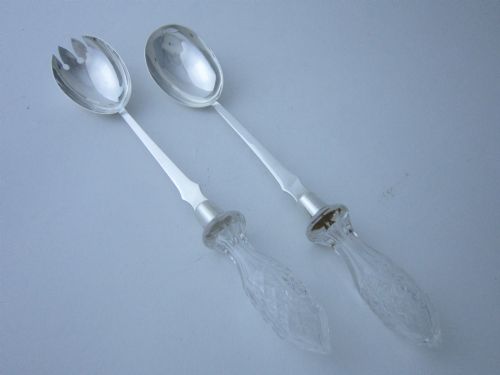
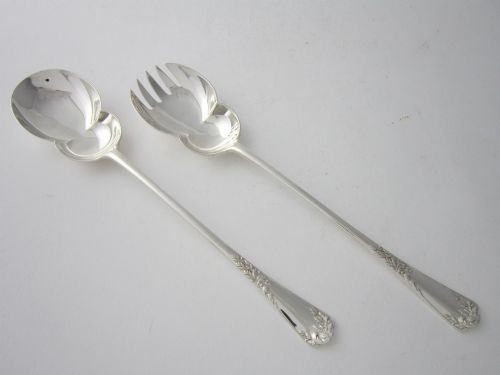
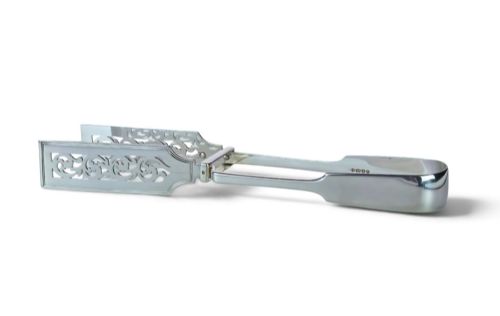
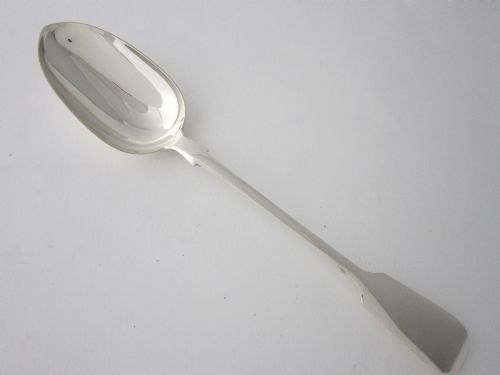
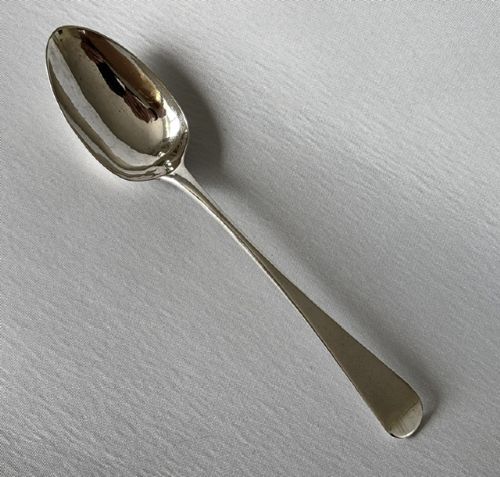
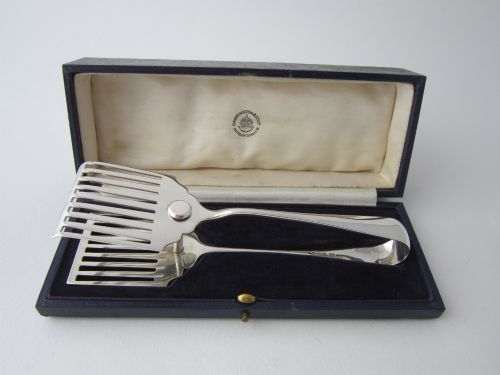
When you search for a hallmarked silver server, you encounter objects designed for specific dining tasks, ranging from fish slices and basting spoons to asparagus tongs and fruit knives. These pieces cross the Georgian, Victorian, and Edwardian eras, extending into the twentieth century with George V, George VI, and Art Deco designs.
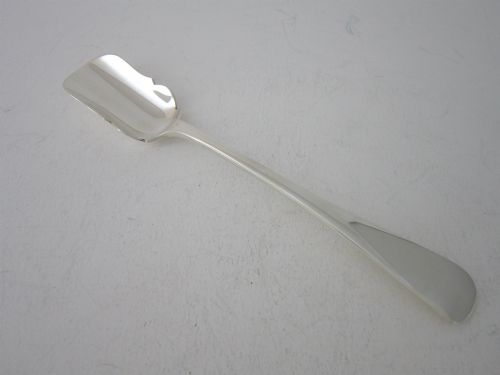
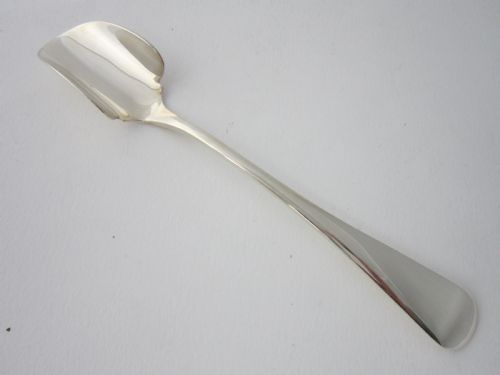
The version you are most likely to meet on this page is a sterling silver implement, often bearing hallmarks from London or Sheffield. Forms include dedicated serving utensils, fish servers, salad servers, and specialised scoops for cheese or sugar.
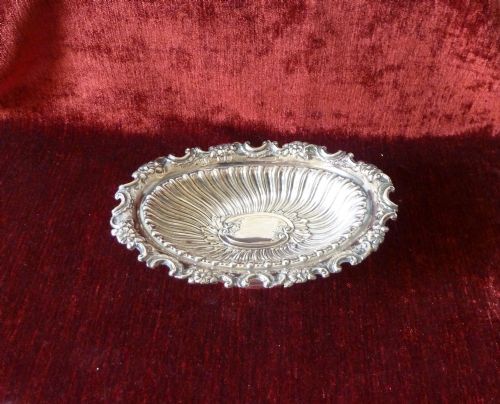
The origins reflect established British silversmithing centres, alongside regional marks from Exeter and Edinburgh. Styles follow the prevailing tastes of their periods, from plain Georgian utility to elaborate Victorian ornamentation and clean twentieth-century lines.
Distinctions in Execution
Quality rests in the crispness of the hallmarks, the balance of the piece in the hand, and the integrity of any piercing or engraving. Heavier gauges of solid sterling silver and makers with established reputations distinguish finer items from standard utilitarian pieces.
The presence of original fitted cases, matched pairs, and specialised handles using bone or wood add to the standing of a piece within its period.
Hallmarked Silver Server Retail Price Guide 2026
Typical asking prices for hallmarked silver server among the pieces listed under this phrase on Sellingantiques today, from the lower quarter to the upper quarter. They describe what is for sale here now, not the wider market.
Listings feature sterling silver and silver items spanning the Georgian, Victorian, Edwardian, and Art Deco periods, alongside materials like bone, wood, and crystal.
Peter and Jonathan Bateman·S.C. Younge and Co·William Burwash·Goldsmiths and Silversmiths·Matthew Boulton·James Tookey·Horace Woodward and Co Ltd·Charles Boyton·Mappin and Webb·Gerritsen and Van Kempen
The Hallmarked Silver Server Glossary
- Hallmark
- Official stamps applied by an assay office guaranteeing the fineness of the precious metal. These marks typically include the maker's mark, standard mark, assay office mark, and date letter.
- Sterling silver
- An alloy of silver containing 92.5 percent silver and 7.5 percent other metals, usually copper. This is the standard composition for British silver tableware.
- Fish slice
- A wide, often pierced server designed for portioning fish at the table. Many examples from the nineteenth century feature detailed engraving on the blade.
- Stilton scoop
- A specialised tubular or half-cylinder utensil used for serving hard cheeses. These typically feature turned bone or wood handles paired with silver bowls.
- Salver
- A flat tray used for serving food or drinks, supported on feet or standing flat. They appear in various sizes and period styles across these listings.
Hallmarked Silver Server: Frequently Asked Questions
What is a hallmarked silver server used for?
These utensils serve specific foods at the dining table, including fish, meat, asparagus, salad, and cheese. Each form corresponds to the dining customs of its period.
Larger serving spoons and basting spoons handled main dishes, while specialised slices and tongs managed delicate items like pastry or fish.
How do I read the silver hallmarks?
Hallmarks consist of a series of stamped symbols that reveal the maker, the assay office, the purity of the silver, and the year of manufacture. London and Sheffield are common assay towns found on these pieces.
Date letters change annually according to specific alphabetic cycles used by each assay office, allowing precise dating of the item.
Can I use these silver servers daily?
Many buyers incorporate antique silver into modern dining, using sterling silver servers for family meals and formal gatherings alike. Regular use helps prevent tarnish from accumulating in recessed areas.
Hand washing with mild soap and warm water preserves the finish, avoiding harsh abrasives that wear away engraved details and hallmarks.
What distinguishes Georgian from Victorian servers?
Georgian pieces often display restrained lines, such as Old English or Fiddle patterns, relying on proportion and clear maker's marks. Victorian items frequently introduce heavier ornamentation, floral engraving, and specialised cased sets.
Later Victorian and Edwardian examples also show a wider variety of specialised serving pieces tailored to specific foods like fruit and pickles.