


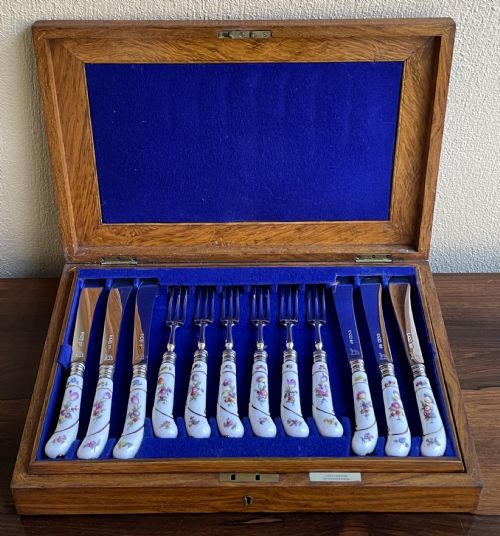


Hallmarked Silver Fork
A hallmarked silver fork carries official office marks certifying its metal purity, offering sturdy dining utility and lasting domestic history.
Hallmarked Silver Fork
A hallmarked silver fork satisfies the search for a hallmarked silver fork by appearing in various historical forms suited to dining, serving, and gifting. Buyers most frequently encounter these items within cased sets or individual placements dating across the Victorian, Edwardian, and Georgian periods.
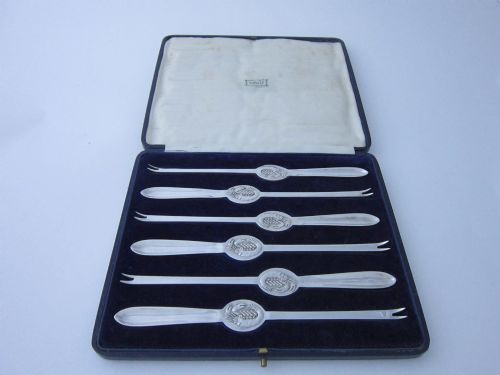
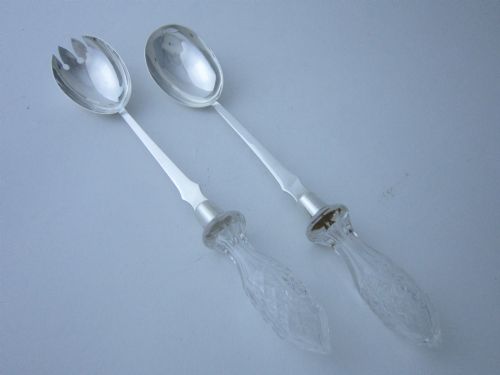
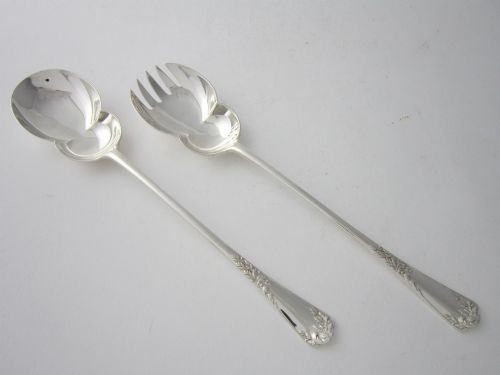
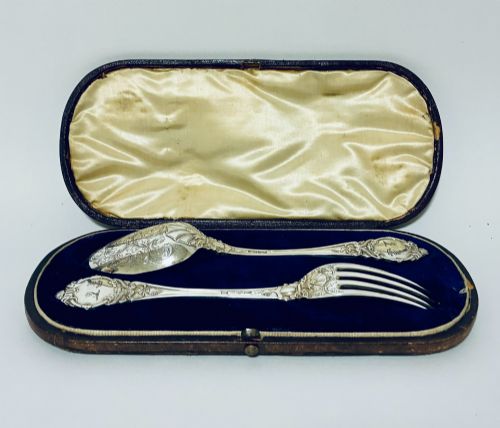
The selection ranges from single dinner forks and specialised seafood picks to complete cased canteens and boxed christening sets. Traditional British styles dominate the inventory, often accompanied by fitted presentation cases lined in velvet, silk, or leather.
Materials and construction
These pieces utilise sterling silver and solid silver forged in British assay offices such as Sheffield and London, alongside Irish and continental workshops. Makers frequently paired the silver with mother-of-pearl handles or fitted them inside oak boxes lined with leatherette and velvet.
Craftsmen shaped the metal through traditional manufacturing methods like hammering and casting, applying decorative techniques including bright-cut engraving. The official hallmarks stamped onto the surface verify the metal standard and trace the origin of each utensil.
Hallmarked Silver Fork Retail Price Guide 2026
Typical asking prices for hallmarked silver fork among the pieces listed under this phrase on Sellingantiques today, from the lower quarter to the upper quarter. They describe what is for sale here now, not the wider market.
Several Victorian lobster picks ensure that formal nineteenth-century crustaceans met their match with proper metallic dignity.
Distinctions in quality
Quality rests upon the crispness of the official hallmarks and the survival of the original decorative engraving, such as bright-cut patterns. Superior examples retain their original fitted presentation cases in leather, oak, or silk without significant wear.
The weight of the solid silver and the integrity of paired materials like mother-of-pearl handles further distinguish standard production items from master silversmith output.
Carrington·Viners Ltd·Mappin & Webb·George Adams·William Ward·John Round
The Hallmarked Silver Fork Glossary
- Hallmark
- An official stamp applied by an assay office to guarantee the purity of the silver. It typically indicates the standard, the maker, and the year of testing.
- Sterling silver
- A silver alloy containing substantial pure silver combined with other metals to ensure durability in cutlery. This material forms the primary body of most listed dining pieces.
- Bright-cut engraving
- A surface decoration technique utilising faceted cuts to reflect light from the silver. This method appears on handles and tines of various serving utensils.
- Canteen
- A fitted box or chest designed to store a full matching set of cutlery securely. These cases often feature multiple tiers lined in velvet or silk.
Hallmarked Silver Fork: Frequently Asked Questions
What is a hallmarked silver fork?
A hallmarked silver fork is a dining or serving utensil stamped with official assay office symbols that guarantee the metal quality and origin.
These pieces range from single nineteenth-century dinner forks to cased sets intended for specific dining courses.
How were these forks used?
They served functional roles at the dining table, ranging from everyday meals to specialised courses like seafood, pastry, and fruit.
Many smaller variants also served a ceremonial purpose as christening gifts for children.
How do I identify the date?
The stamped hallmarks on the metal provide the definitive guide to the production date and assay office location.
Reference marks corresponding to specific British cities and year letters allow precise dating of each item.
Can I use them daily?
Solid silver forks handle regular dining use well provided they receive proper hand washing and careful storage.
Storing them in fitted boxes helps protect the metal and any delicate handle materials from unnecessary friction.