
Hallmarked Silver Flatware
These hallmarked silver flatware pieces bring centuries of dining history to the table, offering solid construction and distinct period patterns.
Hallmarked Silver Flatware
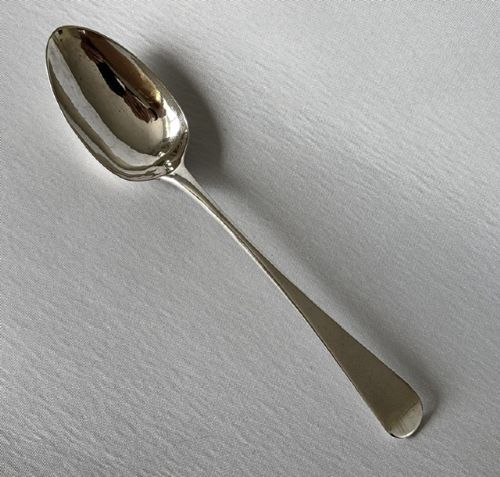
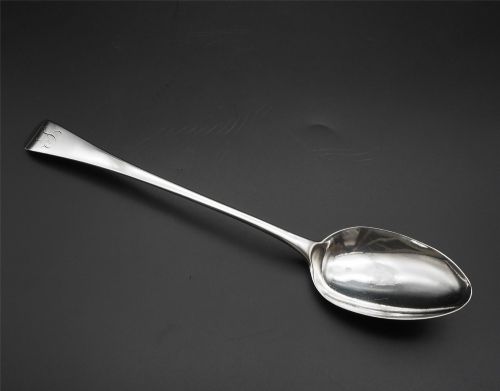
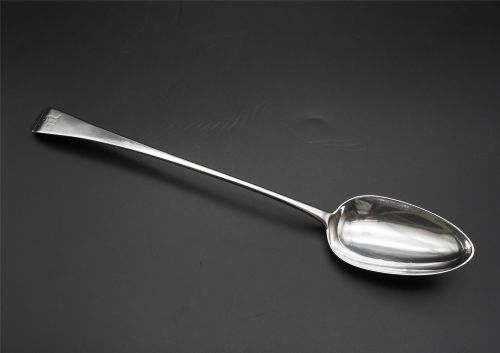
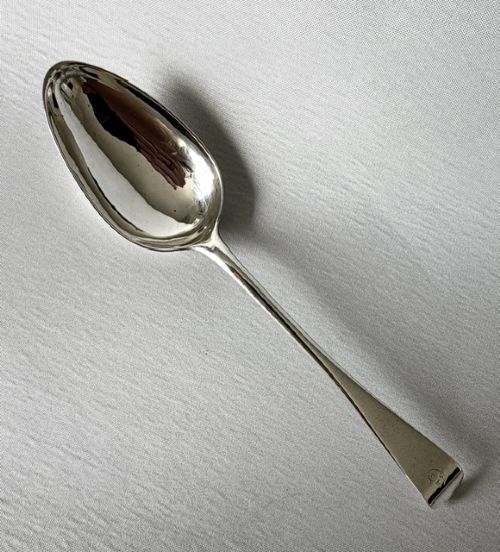
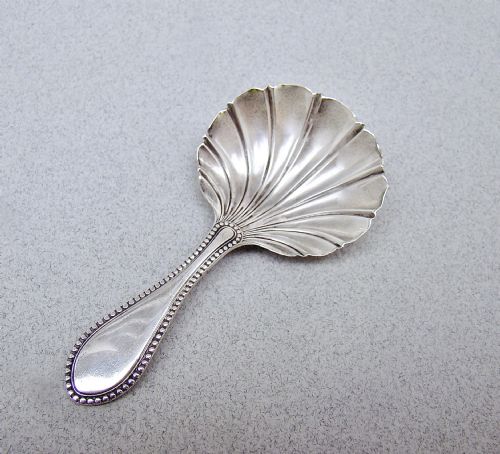
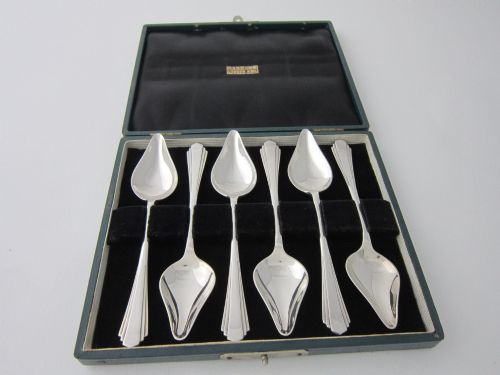
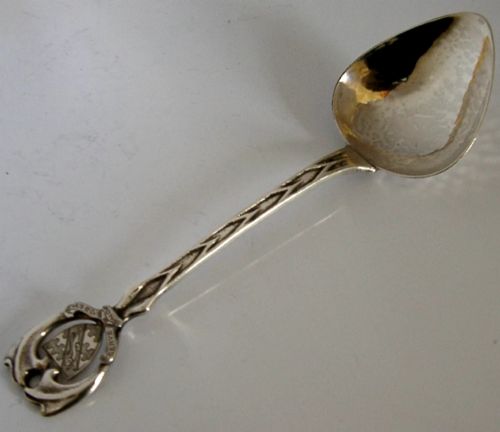
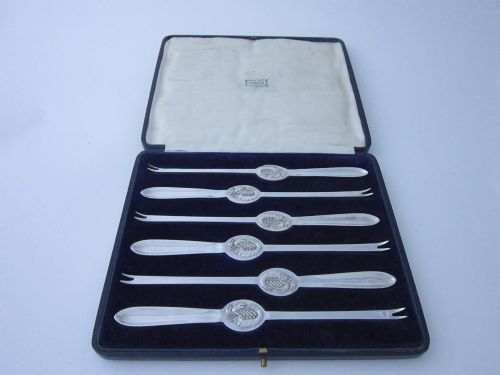
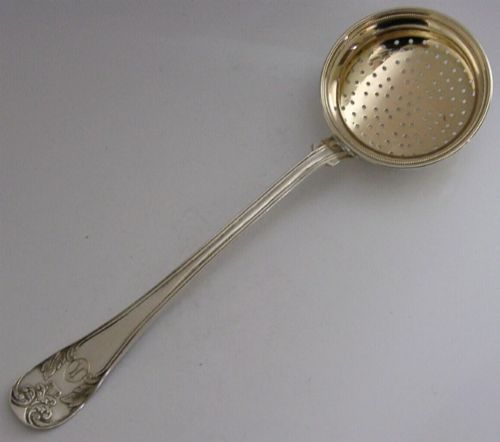
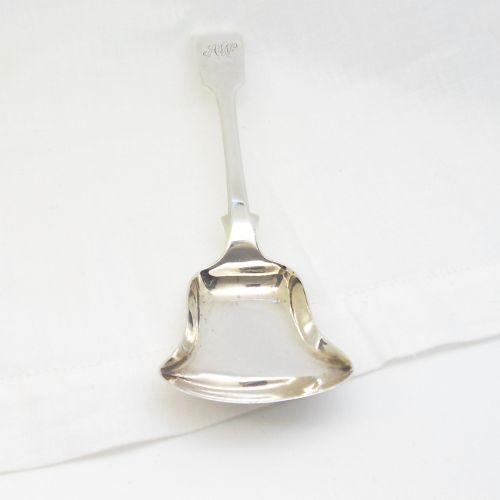
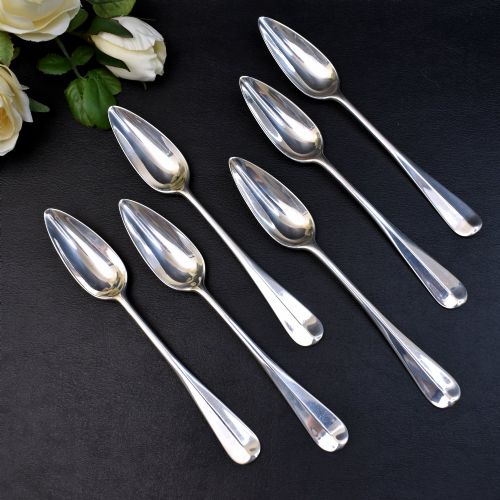
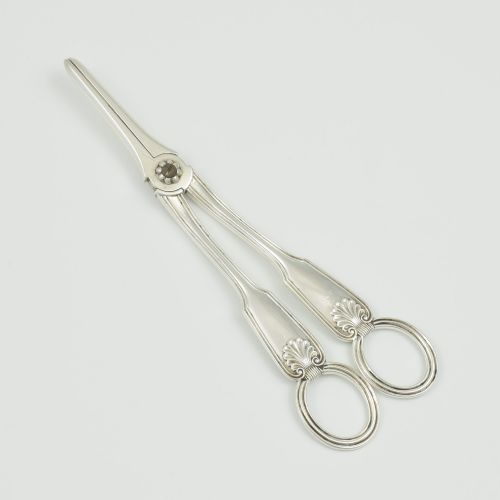
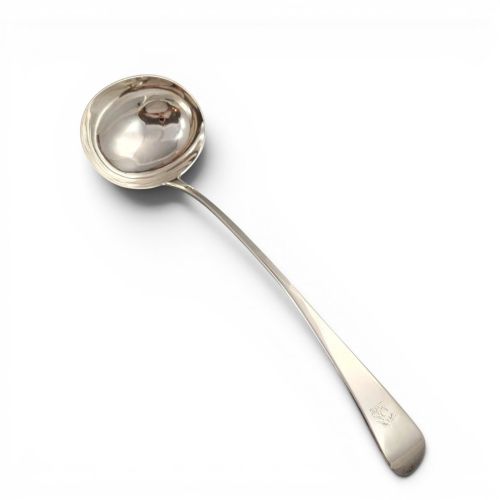
Hallmarked silver flatware encompasses utilitarian and serving implements spanning from the seventeenth century through to the mid-twentieth century. Buyers encounter everything from early slip top spoons and trefid pieces to Georgian ladles, Victorian caddy spoons, and twentieth-century grapefruit sets.
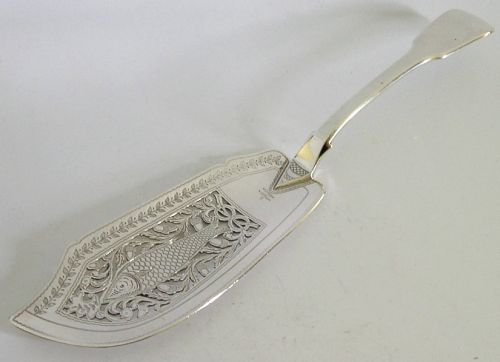
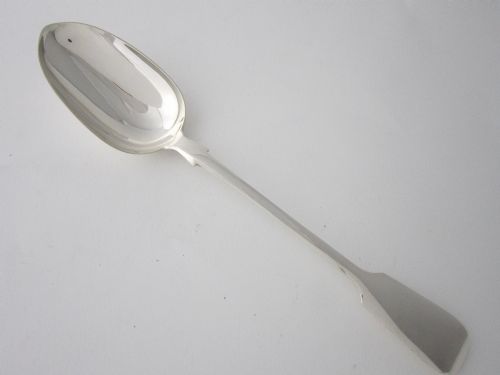
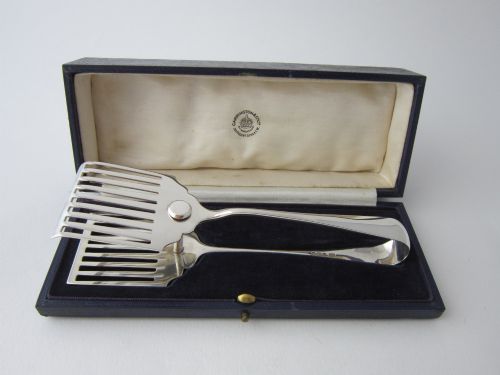
The selection ranges widely in scale and purpose, featuring large basting spoons, marrow scoops, fish servers, and boxed christening sets. Pieces hail from multiple manufacturing hubs, including London, Newcastle, Edinburgh, Sheffield, and Exeter, each bearing official assay office stamps.
Materials and Techniques
Makers shaped sterling silver and solid silver using traditional forging, casting, and hand-beating techniques to produce durable handles and bowls. Bright-cut engraving and threaded borders frequently decorate the surfaces of Georgian and Victorian items.
Specialised implements incorporate contrasting natural elements, notably mother of pearl handles on fruit knives alongside fitted storage lined with velvet, silk, leatherette, and satin.
The listings span multiple centuries, incorporating periods from the 17th Century to the 1930s alongside materials such as sterling silver, velvet, and mother of pearl.
Evaluating Execution
Quality rests upon the crispness of the hallmarks, the preservation of original hand-engraving, and the structural integrity of the metal. Finer examples retain their original gauge without excessive thinning from decades of polishing.
Design execution separates standard service items from superior pieces, particularly where handles display balanced weight, robust joints, and uncompromised decorative motifs.
Peter & Jonathan Bateman·Martin Hall & Co·Worshipful Company of Haberdashers·Hamilton & Inches·Goldsmiths & Silversmiths Co·John Walton·Jonathan Hayne·James Tookey·John Wilks·William Penstone
The Hallmarked Silver Flatware Glossary
- Hallmark
- Official stamps struck into precious metals to guarantee purity and origin. These marks typically include the maker's mark, assay office symbol, and date letter.
- Basting spoon
- A large utensil designed originally for spooning juices over roasting meat. They measure significantly longer than standard tablespoons.
- Caddy spoon
- A small scoop utilised for measuring dry tea leaves from a caddy. Makers often fashioned these with shell or leaf-shaped bowls during the Georgian period.
- Marrow scoop
- A narrow, trough-like implement used to extract marrow from bones at the dining table. Examples date from the seventeenth century onward.
- Trefid
- An early style of spoon featuring a broad, three-lobed terminal handle. This form dates primarily to the late seventeenth century.
Hallmarked Silver Flatware: Frequently Asked Questions
How do I read silver hallmarks?
Hallmarks consist of a series of stamped symbols that indicate the maker, the town of assay, and the year of manufacture. Reference guides match these specific punch marks to historical records.
Sterling standards are usually denoted by a lion passant on British items, confirming the silver purity content.
What is the difference between a basting spoon and a tablespoon?
Basting spoons measure considerably longer than standard tablespoons to reach deep roasting pans without burning hands. Their substantial size served practical kitchen and dining duties.
Tablepoons remain shorter and were intended for general consumption or serving side dishes at the table.
How should I clean antique silver flatware?
Wash silver gently in warm soapy water using a soft cloth, avoiding harsh abrasive dips that strip natural patination. Dry thoroughly immediately after washing to prevent water spotting.
Store pieces in tarnish-resistant wraps or lined boxes away from direct humidity.
Can I use antique flatware for everyday dining?
Solid silver flatware handles daily use well due to the durable nature of the metal. Hand washing protects delicate details and maintains the finish.
Avoid automated dishwashers, which expose silver to harsh detergents and high heat.