

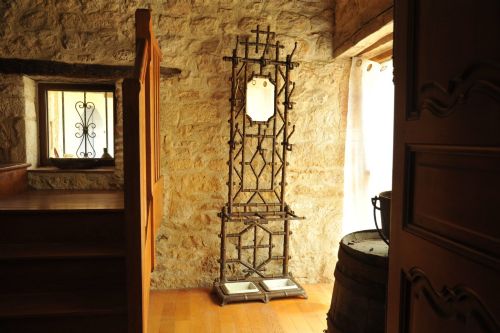
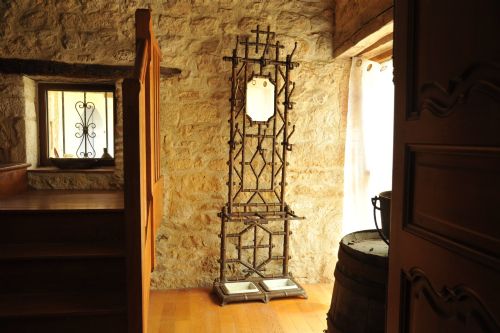
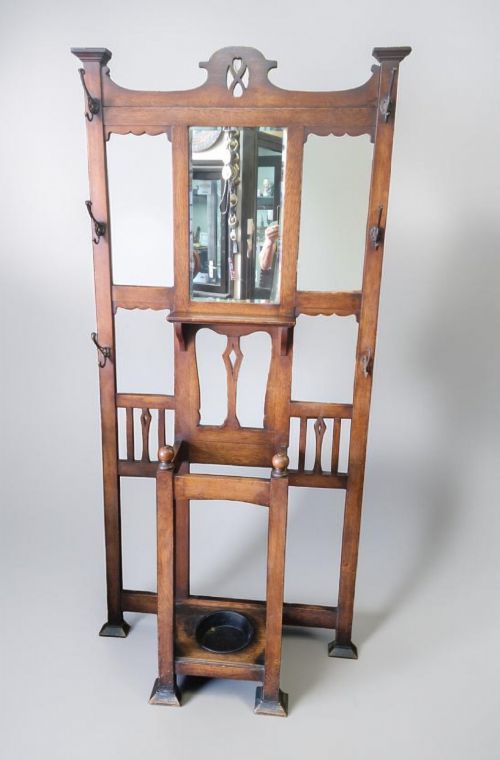
Hall Coat Stand Mirror
These hall coat stand mirror pieces combine functional hanging space with a central looking glass, offering a practical centrepiece for entrance halls.
Hall Coat Stand Mirror
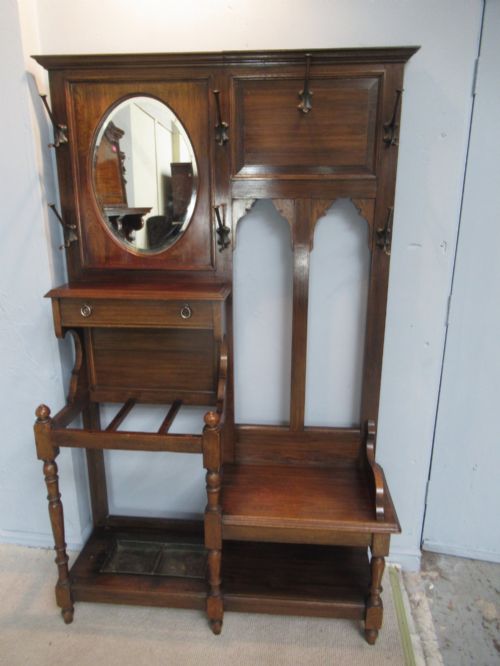
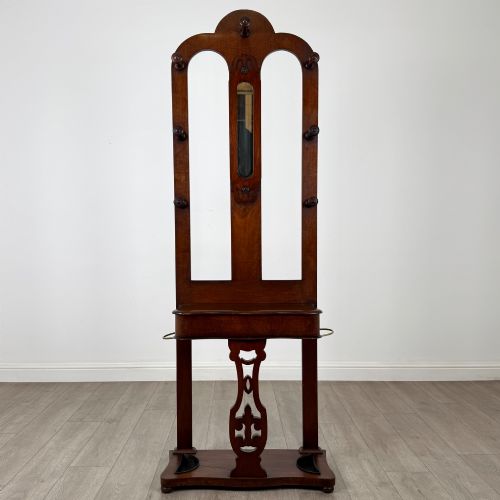
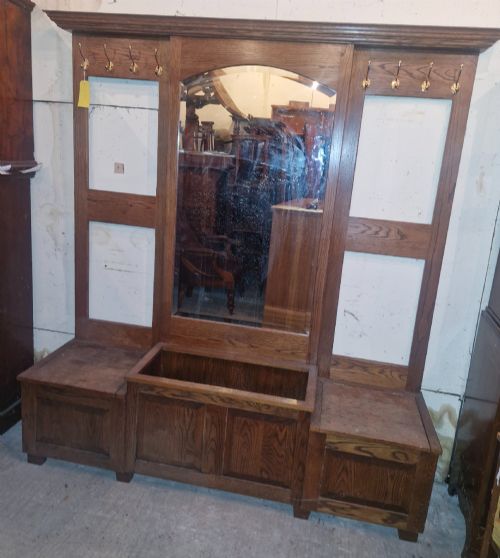
A hall coat stand mirror is a substantial piece of entrance furniture designed to hold hats, coats, sticks and umbrellas while incorporating an integrated glass mirror. When you search for a hall coat stand mirror, you encounter designs spanning the Victorian and Edwardian eras, alongside late nineteenth century expressions.
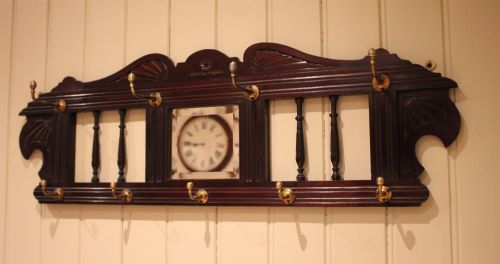
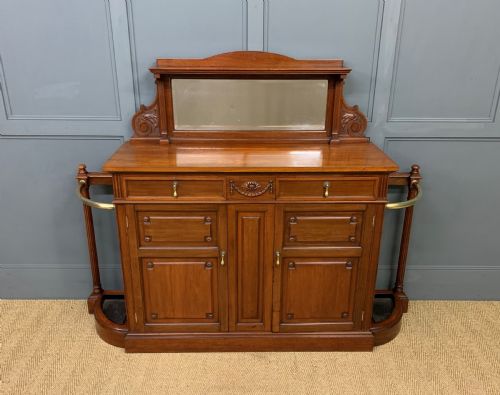
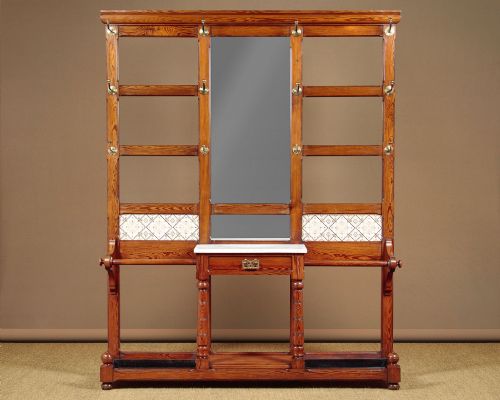
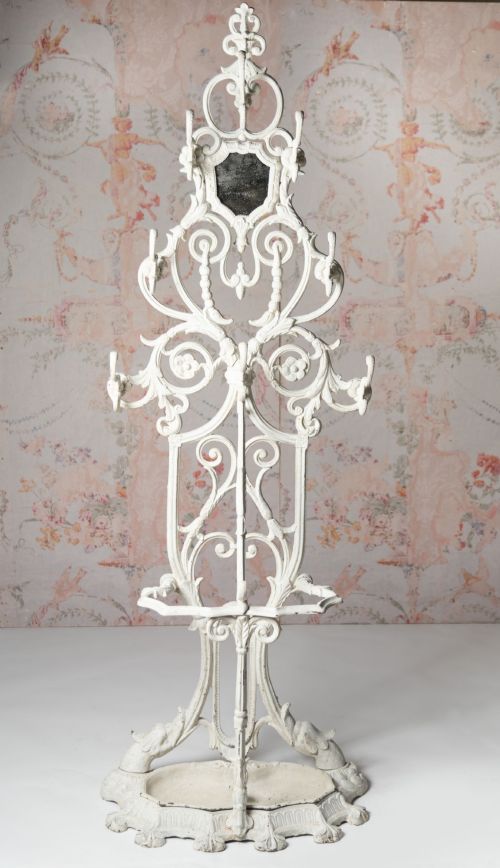
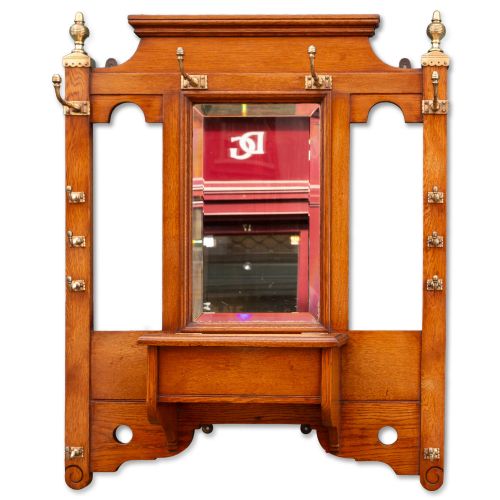
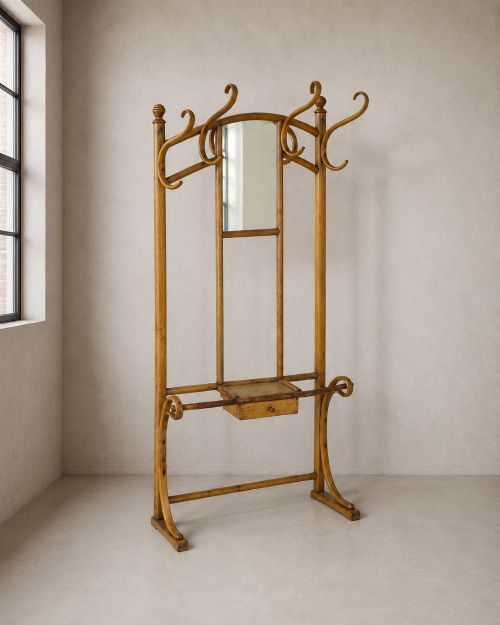
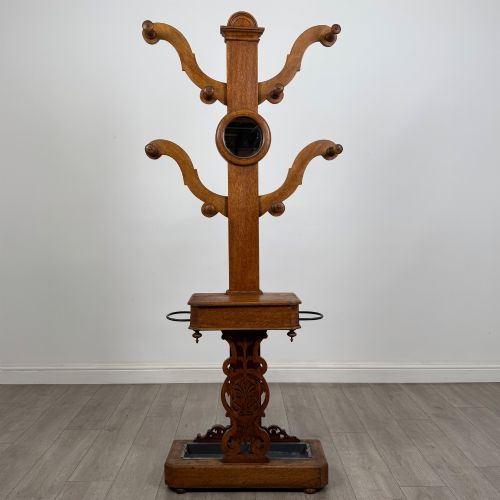
The prevailing form on this page is the freestanding timber hallstand, frequently fashioned from oak or mahogany with fitted brass hooks and a drip tray for wet umbrellas. Many examples also integrate a small marble shelf or a hinged box for gloves, alongside wall-mounted variations in oak or bentwood.
Materials and construction
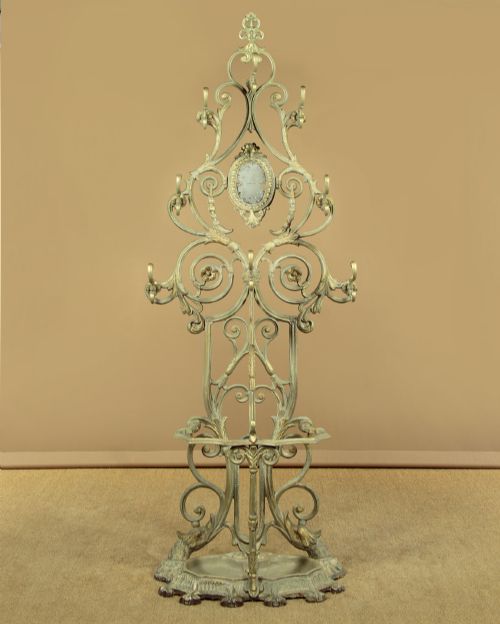
Construction relies heavily on dense hardwoods such as oak, mahogany and walnut, often shaped with applied carvings, panelled backs and turned spindles. Metal elements appear in the form of cast iron frames, heavy brass coat hooks and integrated umbrella wells with zinc or brass liners.
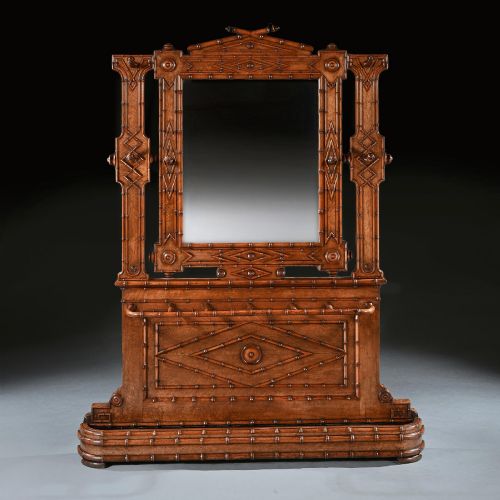
Glass is employed for the central bevelled mirror plates, secured into wooden frames or carved pediments. Alternative lightweight materials like bamboo and faux bamboo also feature, utilising split canes and lacquered finishes to achieve an exotic aesthetic.
Several pieces feature a mischievous Green Man carved into the oak crown to watch over arriving guests.
Craftsmanship and distinction
Quality in these pieces is dictated by the depth of timber selection and the ambition of the joinery, moving from plain utility frames to heavily carved panels and inlaid details. Superior examples display substantial framing, cleanly bevelled mirror plates and robust brass or cast iron hardware rather than stamped sheet metal.
The integration of varied functions, such as pivoting umbrella racks, marble surfaces and concealed storage compartments, separates standard workshop production from finer examples bearing stylistic movements like Arts and Crafts or Aesthetic design.
Shoolbred & Co.·Thonet
The Hall Coat Stand Mirror Glossary
- Bevelled plate
- A mirror glass whose outer edges are angled down to create a thinner border. This technique reflects light at multiple angles and denotes a finer standard of glass production.
- Faux bamboo
- Turned wood painted or carved to imitate natural bamboo stalks. It was popular during the Victorian Aesthetic period for lighter, exotic furniture designs.
- Bentwood
- Wood steamed and bent into curved structural shapes. This technique allows for lightweight, continuous frames without traditional mortise and tenon joints.
- Aesthetic Movement
- A late nineteenth century design style emphasising visual beauty over narrative meaning. It frequently incorporated Japanese motifs and ebonised or bamboo surfaces.
Hall Coat Stand Mirror: Frequently Asked Questions
What periods do these hall stands come from?
The pieces span the Victorian and Edwardian eras, with many examples originating in the late nineteenth and early twentieth centuries.
Craftsmanship from these decades ranges from heavy carved oak to lighter bamboo and bentwood designs.
How were these stands used in hallways?
They served as the primary greeting point in a home, providing hooks for coats and hats alongside a mirror for final checks before leaving.
Lower sections typically held umbrellas and walking sticks, often with metal trays to catch dripping water.
Are all these stands freestanding furniture?
While the majority are large freestanding units that combine seating, storage and hanging space, the selection also includes wall-mounted racks.
Wall-mounted versions provide similar brass hooks and mirror plates but omit the lower umbrella wells and bulky floor frames.
What timber types are most common?
Oak and mahogany appear most frequently, complemented by walnut, pine and occasionally exotic materials like birdseye maple.
Timber finishes vary from honey-coloured oak to deep polished mahogany and ebonised or faux bamboo surfaces.