

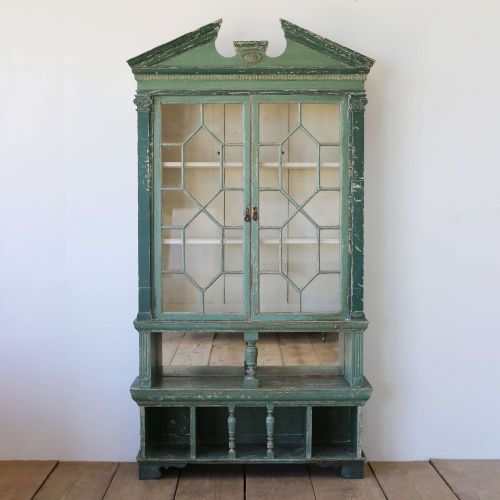
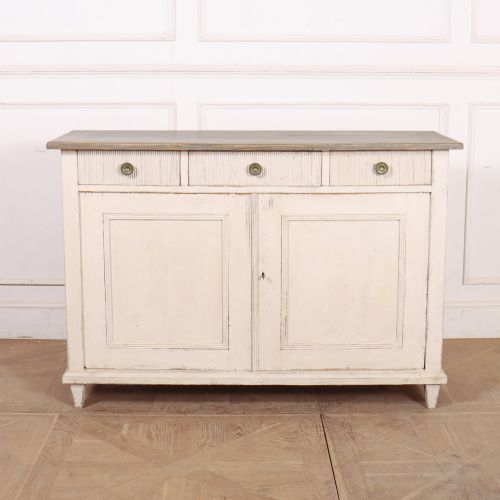
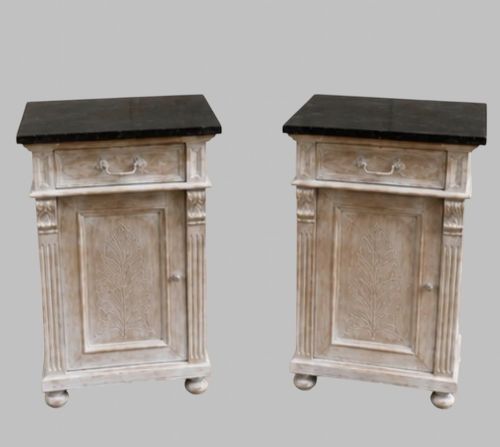
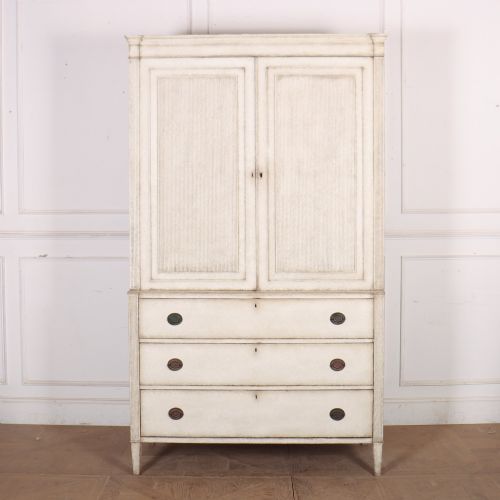


Gustavian Painted Cabinet
A gustavian painted cabinet brings pale Scandinavian restraint to a room, offering practical storage through calm proportions and aged painted surfaces.
Gustavian Painted Cabinet
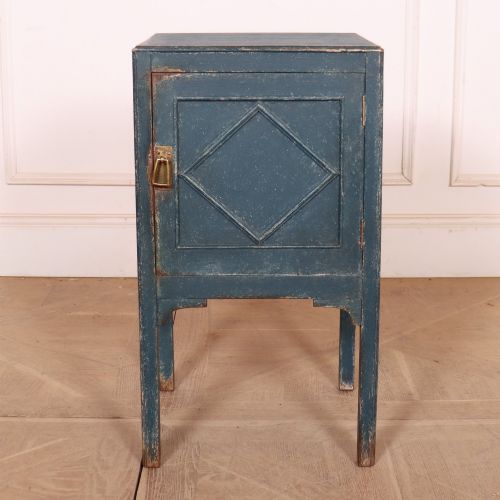
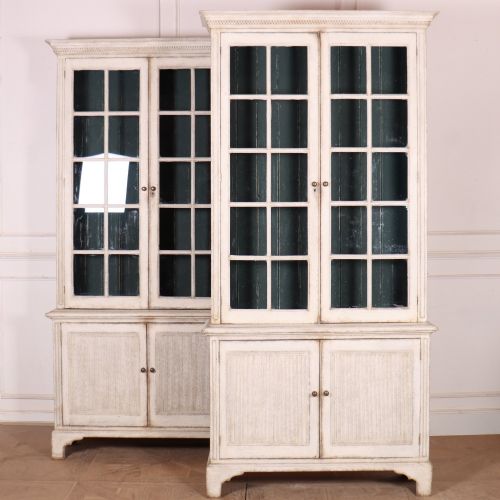
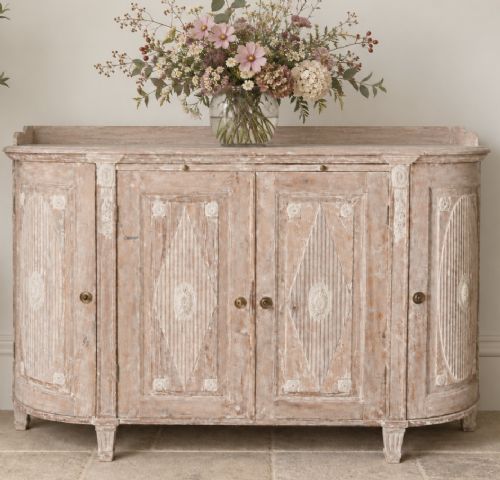
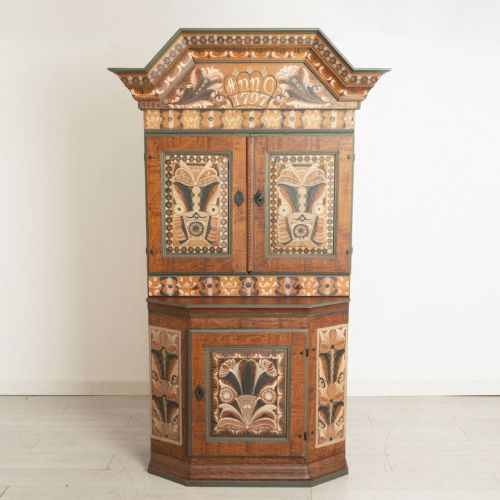
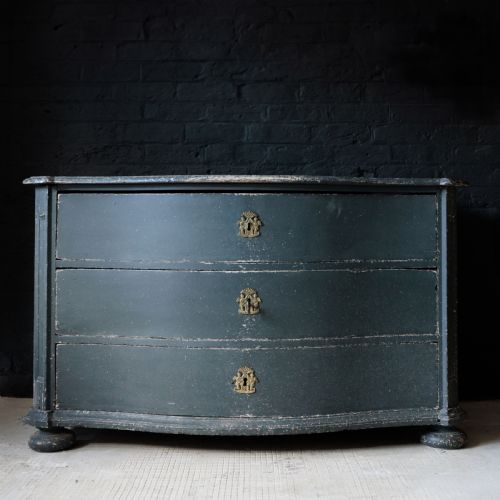
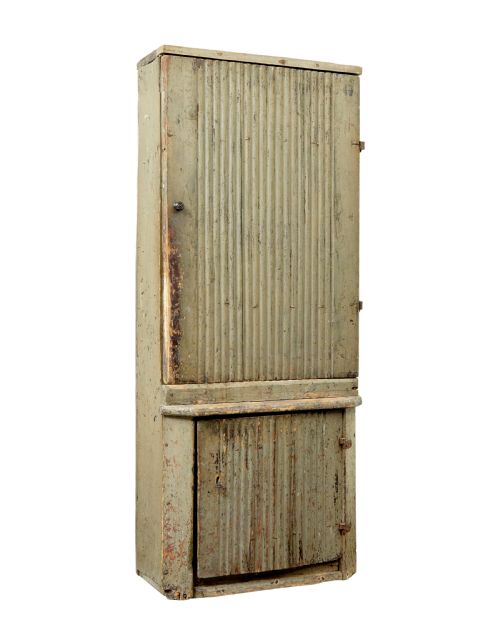
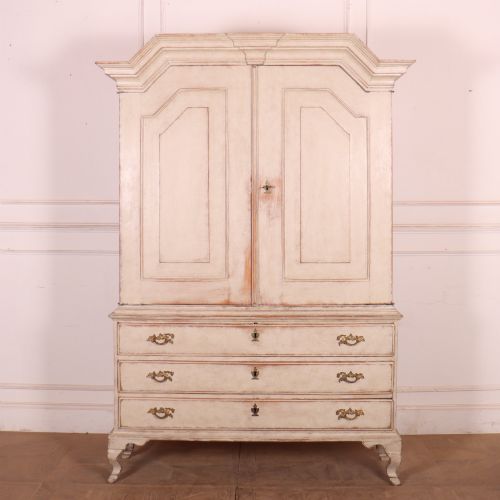
A gustavian painted cabinet encompasses various forms of storage furniture originating predominantly from Sweden and broader Scandinavia, spanning the eighteenth and nineteenth centuries. Buyers searching for a gustavian painted cabinet will encounter pieces ranging from large linen cupboards and kitchen cabinets down to compact bedside tables and commodes. The selection includes regional variants influenced by Scandinavian country styles alongside formal Gustavian design.
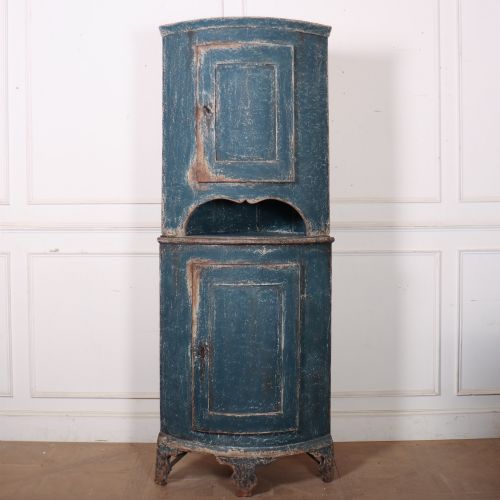
Most examples date from the nineteenth century, though eighteenth-century pieces appear alongside later twentieth-century interpretations. Common structural formats include two-door linen cupboards, corner cupboards, chests of drawers, and bureau bookcases. These items served traditional domestic storage functions in northern European homes before entering the decorative antiques market.
Materials and construction
Makers built these pieces primarily using pine and softwood, relying on timber readily available across Scandinavian forests. Carpenters utilised traditional joinery methods to construct sturdy carcasses capable of supporting layered decorative finishes.
Surfaces received coats of paint, often in soft grey, white, or dark tones, sometimes applied over earlier layers or scraped back to reveal historical pigment. Iron and brass fittings such as hinges, handles, and locks complete the construction of doors and drawers.
Gustavian Painted Cabinet Retail Price Guide 2026
Typical asking prices for gustavian painted cabinet among the pieces listed under this phrase on Sellingantiques today, from the lower quarter to the upper quarter. They describe what is for sale here now, not the wider market.
Listings feature pine and softwood cabinets spanning the eighteenth and nineteenth centuries, finished in paint, grey tones, and black.
Judging quality in painted furniture
Quality rests in the integrity of the original timber structure and the character of the painted surface rather than factory uniformity. Pieces retaining their original scraped paint show honest age and historical depth that later decorative re-working cannot replicate.
Proportion and detail separate finer items from simpler country workshop pieces. Well-executed carving, balanced bowfront or serpentine forms, and original hardware indicate superior craftsmanship within the Scandinavian tradition.
The Gustavian Painted Cabinet Glossary
- Gustavian
- The Swedish neoclassical style spanning the late eighteenth century, characterised by restrained ornamentation, straight lines, and pale painted finishes. It draws inspiration from French Louis XVI design translated through a northern European lens.
- Commode
- A low chest of drawers or cabinet designed for domestic storage. These pieces often feature two or more drawers and sit on short legs or a plinth base.
- Enfilade
- A long sideboard or cabinet designed for serving or storage, appearing in pairs within certain Scandinavian interiors. The term denotes an extended horizontal form.
- Scraped paint
- A conservation term for paint finishes where later overpaint is carefully removed to expose the original historical layers beneath. This technique reveals the authentic colour palette applied by early makers.
- Bonnet top
- An arched or hooded upper section found on tall cupboards and bookcases. This architectural roofline adds height and visual presence to storage furniture.
Gustavian Painted Cabinet: Frequently Asked Questions
How do I date a gustavian painted cabinet?
Dating relies on construction methods, timber choice, and the physical characteristics of the paint layers. Eighteenth-century examples often display hand-cut joinery and early pigment application, whereas nineteenth-century pieces may show standardised fixings.
Hardware styles and regional design traits also help narrow the period of manufacture. Examining internal boards and drawer construction provides reliable clues regarding age.
Where were these painted cabinets made?
These pieces originated predominantly in Sweden, alongside broader Scandinavian regions including Denmark. Workshops ranged from rural country carpenters to urban cabinetmakers working in the Gustavian style.
Regional preferences dictated whether a piece took the form of a tall linen cupboard, a corner cabinet, or a low commode. Local domestic needs shaped their dimensions and internal arrangement.
How should I care for original painted surfaces?
Preserve aged paint surfaces by avoiding harsh chemical cleaners and modern abrasives. Dust gently with a dry or slightly damp cloth to protect the historical pigment.
Keep wooden furniture away from direct heat sources and dramatic humidity fluctuations. Stable environmental conditions prevent the pine carcass from shrinking and the paint from flaking.
What is the difference between a commode and a linen cupboard?
A commode is a low storage unit featuring drawers, designed to sit at waist height. A linen cupboard is a tall vertical cabinet with doors enclosing shelving intended for textiles.
While both serve storage purposes, their proportions suit different rooms and domestic functions. Commodes often function as bedside or hallway pieces, whereas linen cupboards anchor larger wall spaces.