



Guilloche Enamel Vanity
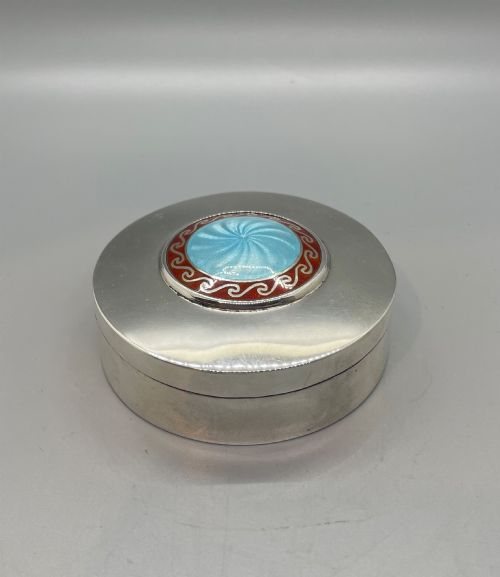
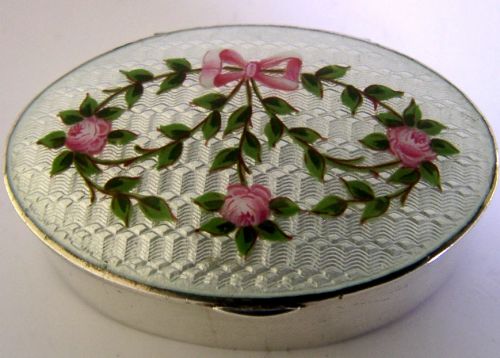
A guilloche enamel vanity piece combines precision engine-turned metalwork with translucent vitreous colour for a striking dressing table display.
Guilloche Enamel Vanity
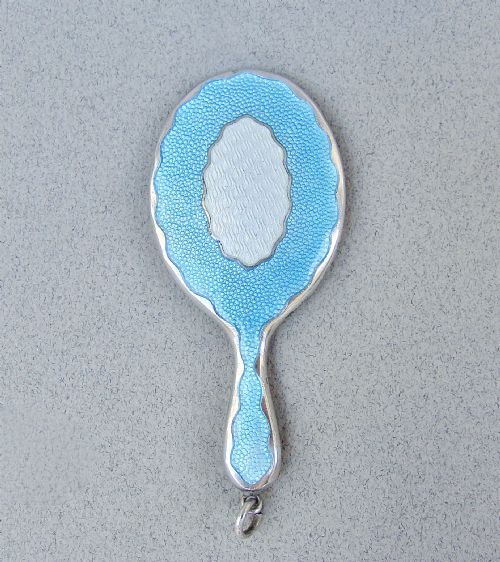
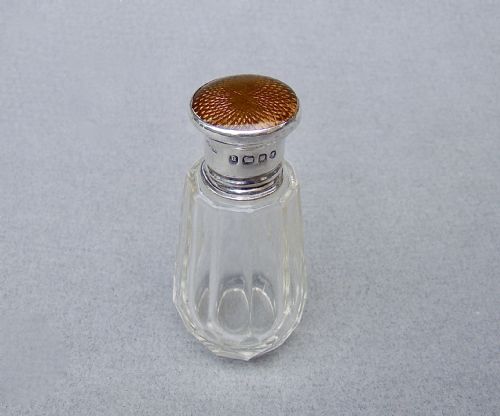
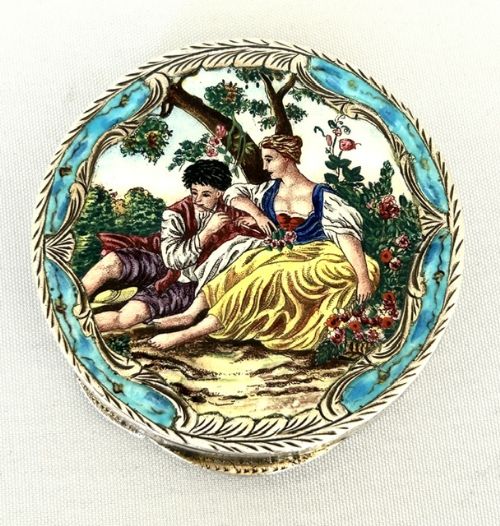
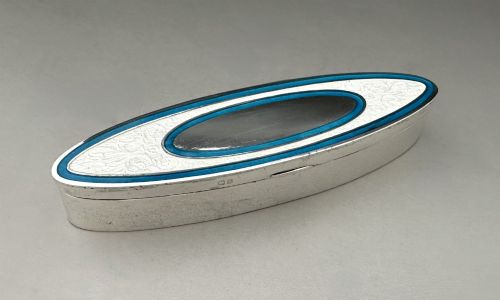
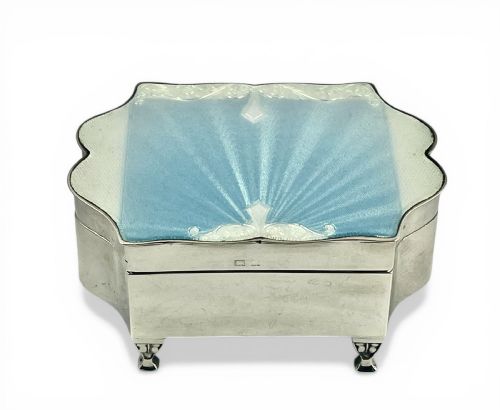
When searching for a guilloche enamel vanity piece, buyers encounter dressing table items designed for personal grooming and cosmetics during the early twentieth century. The selection ranges from powder compacts and rouge pots to scent bottles, hand mirrors, and lidded glass jars.
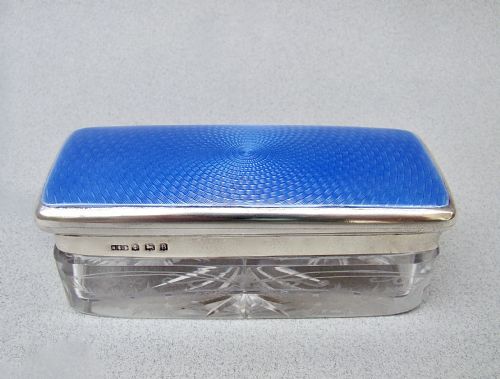
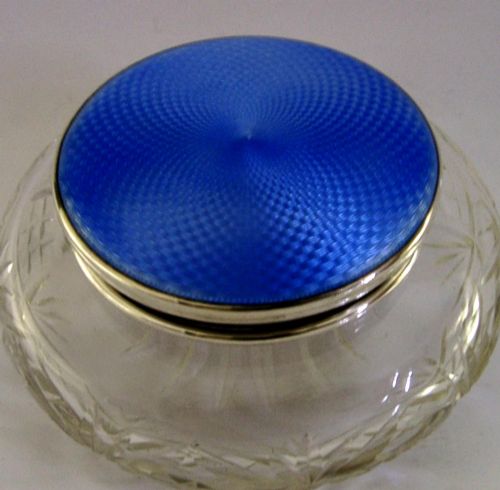
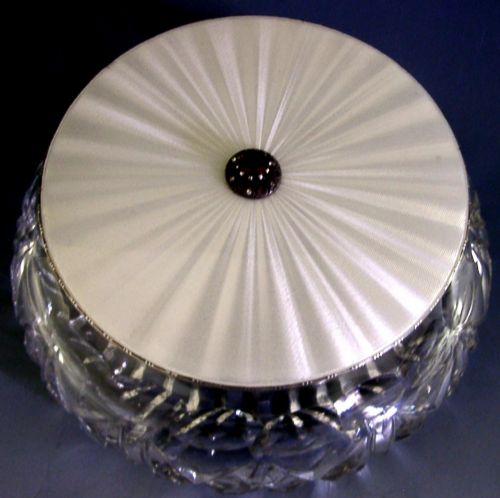
Art Deco and Edwardian examples dominate the forms, frequently pairing sterling silver mounts with geometric or sunburst patterned enamel lids. Pieces originate predominantly from British assay offices, alongside continental European makers from France, Austria, and Belgium.
How they were made
Craftsmen utilised a mechanical lathe to engrave precise, repeating geometric patterns into a metallic base, usually sterling silver or silver-gilt, creating the underlying guilloche texture. Translucent enamel was then applied over the engraved metal and fired at high temperatures so the light could reflect through the coloured glass layer.
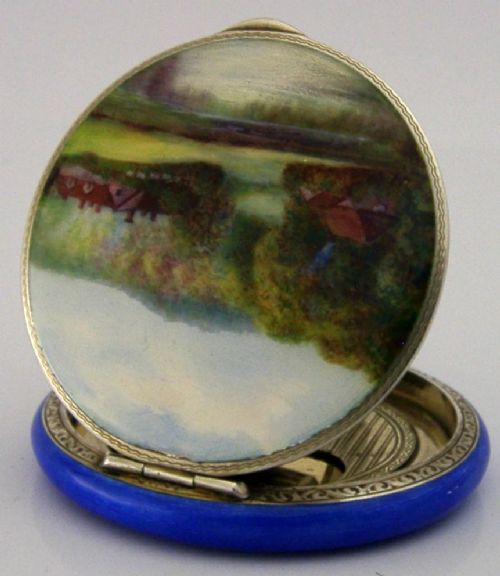
Cut glass and crystal formed the bodies for many dressing table jars and scent bottles, topped with fitted silver and enamel lids. Hand-painted motifs occasionally supplemented the engine-turned designs on compacts and pill boxes.
Listings span from nineteen hundred through nineteen sixty, with Art Deco styling and sterling silver mounts appearing most frequently.
What varies in quality
The depth and complexity of the underlying engine-turned engraving dictate the visual richness of the surface. Finer machine work catches the light more effectively beneath translucent enamel layers.
The weight of the sterling silver mounts and the clarity of the cut glass bodies differentiate standard production items from luxury commissions. Intricate hand-painted details or multi-coloured enamel applications also elevate the distinction of individual items.
Henry Clifford Davis·Henry Williamson·Henry Perkins·Henry Matthews·Mappin And Webb·Albert Carter·Asprey
The Guilloche Enamel Vanity Glossary
- Guilloche
- A decorative engraving technique where a mechanical lathe etches precise, intricate geometric patterns into metal. This technique creates the signature radiating background texture seen beneath translucent enamel.
- Vitreous enamel
- Glass powder fused to a metal surface through high-temperature firing. It provides a durable, glossy coloured coating.
- Sterling silver
- An alloy containing ninety-two point five percent silver by mass, standard for British vanity mounts and jar lids. It provides the structural framing for enamel panels.
- Assay mark
- Official stamps applied to precious metals indicating purity, origin city, and date of testing. These marks help verify the age and maker of silver vanity components.
Guilloche Enamel Vanity: Frequently Asked Questions
What is a guilloche enamel vanity piece?
It is a decorative cosmetic or grooming item featuring metalwork engraved by a lathe and covered with translucent coloured glass enamel.
These objects include powder compacts, scent bottles, and lidded jars used on dressing tables during the early twentieth century.
How do I date these items?
Assay office hallmarks stamped on the silver components provide specific city and year indicators for British-made pieces.
Stylistic shifts, such as Edwardian floral motifs versus Art Deco geometric patterns, also help narrow down the period of manufacture.
Were these sold as sets?
Many dressing table accessories were produced as matched vanity sets containing brushes, mirrors, and glass jars sharing identical enamel colours and engine-turned patterns.
Individual pieces were also purchased separately or added to existing collections over time.
How do I clean enamel items?
Enamel surfaces require gentle wiping with a soft, damp cloth to avoid scratching the glass coating or damaging vintage metal mounts.
Harsh chemical dips and abrasive polishes should be kept away from the enamel panels entirely.