



Guilloche Enamel Compact
A guilloche enamel compact combines precision metal engine-turning with translucent coloured glass layers, offering a tactile pocket accessory from the early twentieth century.
Guilloche Enamel Compact
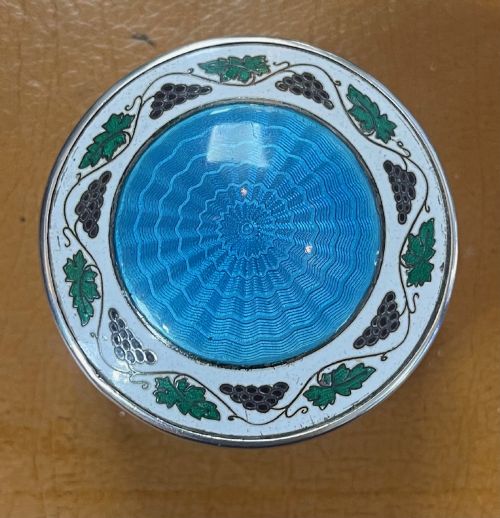
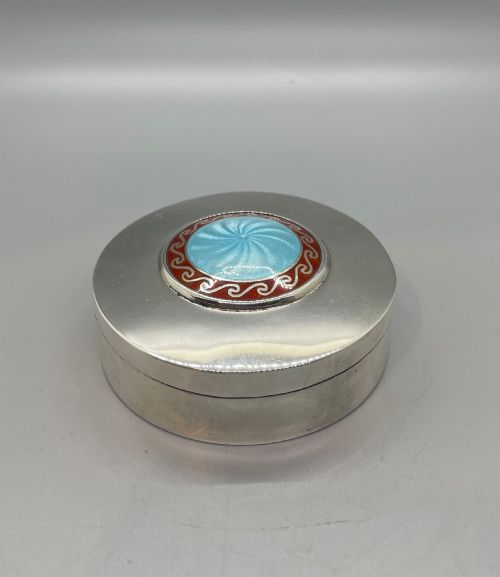
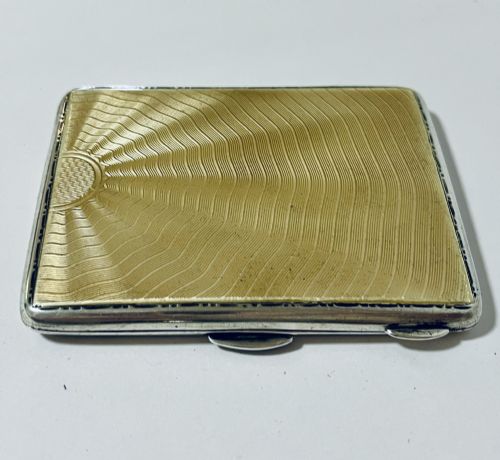
A guilloche enamel compact is a pocket-sized cosmetic case designed for powder or pills, originating mainly from the early to mid twentieth century. These pieces appear frequently in Art Deco styles, often taking circular or square forms produced by British silversmiths alongside French, Austrian, and Norwegian makers.
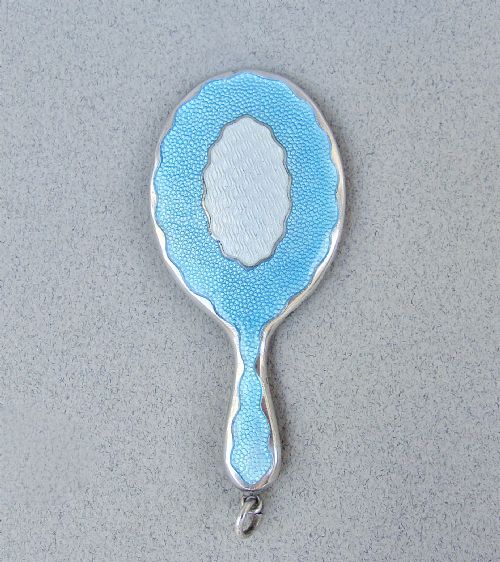
The objects span powder compacts, pill boxes, chatelaine compacts suspended on chains, and pendant vanity boxes. Sterling silver, white metal, chrome, and silver gilt serve as the primary structural chassis for these decorative items.
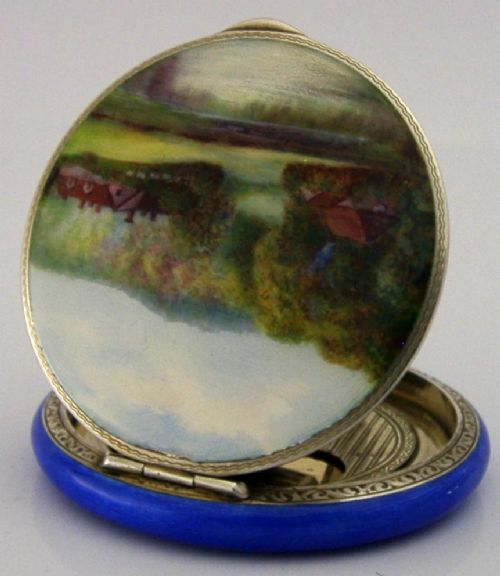
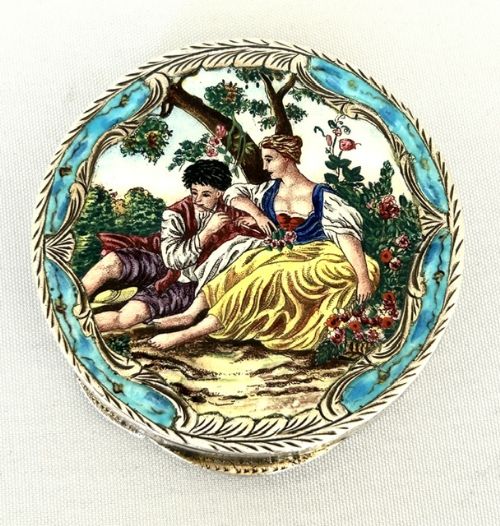
The most common examples on this page date from the 1920s and 1930s, reflecting the high demand for portable vanity items during the Art Deco period. Pieces occasionally incorporate hand-painted details or marcasite decorations alongside the signature patterned enamel.
Materials and Techniques
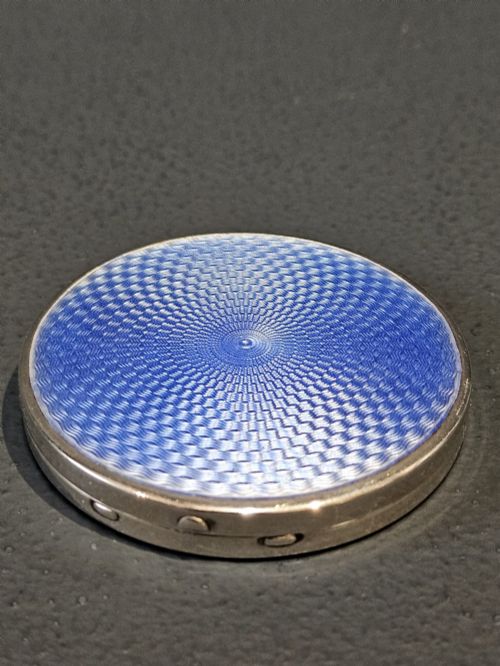
Craftsmen utilised mechanical lathes to engrave precise, repeating geometric patterns into a base metal disc of silver or sterling silver. This engine-turned base creates the characteristic shimmering optical effect beneath the surface.
Workers fused coloured glass powder to the engraved metal substrate through high-temperature kiln firing. Translucent enamels in shades of blue, yellow, pink, lilac, and red allowed the underlying guilloche patterns to remain visible.
Makers mounted the finished enamel plates into metal frames made of silver, chrome, or white metal, sometimes adding suspension chains for chatelaine wear or marcasite stones for extra ornamentation.
Guilloche Enamel Compact Retail Price Guide 2026
Typical asking prices for guilloche enamel compact among the pieces listed under this phrase on Sellingantiques today, from the lower quarter to the upper quarter. They describe what is for sale here now, not the wider market.
The archive records show continental European silver compacts, including Norwegian and French pieces, alongside domestic sterling silver production.
Distinctions in Quality
Quality rests upon the depth and intricacy of the underlying engine-turned engraving, which dictates how the light plays across the surface through the translucent glass. Superior pieces display crisp, symmetrical geometric precision beneath the glaze rather than shallow or muddy mechanical impressions.
The clarity and uniformity of the enamel layer distinguish finer examples from standard production. Top-tier items maintain an even vitreous depth without cloudiness, bubbles, or uneven thickness across the patterned field.
The substance of the mount elevates the piece, with heavy sterling silver frames bearing clear hallmarks indicating established silversmiths, contrasting against simpler chrome or base metal chassis.
Henry Perkins And Sons·Crisford And Norris·Turner And Simpson·Levi And Salaman·Joseph Gloster·Foster And Bayley·Broadway And Co·Cohen And Charles·Jackob Tostrup·Adie Brothers·Deakin And Francis·Albert Carter
The Guilloche Enamel Compact Glossary
- Guilloche
- A decorative technique where a mechanical lathe engraves a precise, intricate geometric pattern into a metal surface. This engraved metal forms the shimmering base viewable through translucent enamel.
- Enamel
- A glassy substance fused to metal through high-temperature firing to create a hard, coloured decorative coating. In these pieces, the enamel is translucent to reveal the engine-turning underneath.
- Chatelaine Compact
- A portable vanity case attached to a decorative belt hook or chain for suspension from clothing. This form was popular in earlier periods before pocket and handbag usage became standard.
- Marcasite
- Small faceted polished pyrites set into silver mounts to resemble glittering gemstones. These stones frequently border the enamel panels on Art Deco pieces.
- Silver Gilt
- Silver that has been coated with a thin layer of gold on its surface. This treatment provides a warm golden tone to the metal components of the compact.
Guilloche Enamel Compact: Frequently Asked Questions
Were these compacts used for loose powder?
Most period compacts held loose cosmetic powder intended for touch-ups throughout the day. Interiors typically featured a small well, sometimes retaining remnants of mesh sifters or fabric powder puffs.
Some smaller variations functioned strictly as pill boxes or pendant vanity cases rather than cosmetic containers. The depth of the inner chamber usually indicates the intended original contents.
How do I identify the date of a silver compact?
British silver pieces carry hallmark stamps indicating the assay office, such as the anchor for Birmingham or leopard head for London, alongside a date letter. These standard marks pinpoint the exact year the metal was tested and hallmarked.
Continental or unmarked pieces rely on stylistic indicators like Art Deco geometric motifs or manufacturing patents. Comparing the latch design and hinge construction against dated examples helps narrow the production era.
Can I wear a chatelaine compact on a chain?
Chatelaine compacts were originally designed to hang from a decorative belt hook or chatelaine worn at the waist. Many examples retain their original suspension rings or matching chains for this purpose.
Modern collectors often wear these pieces as pendant necklaces or carry them within handbags. Ensure the suspension loop and hinge mechanism remain secure before wearing a piece on a chain.