


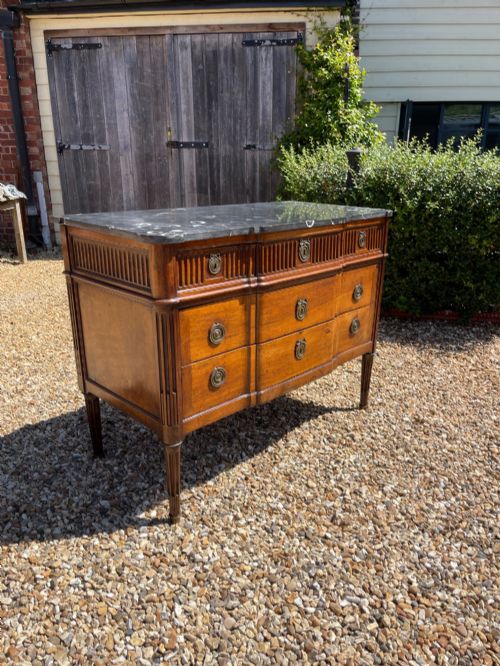
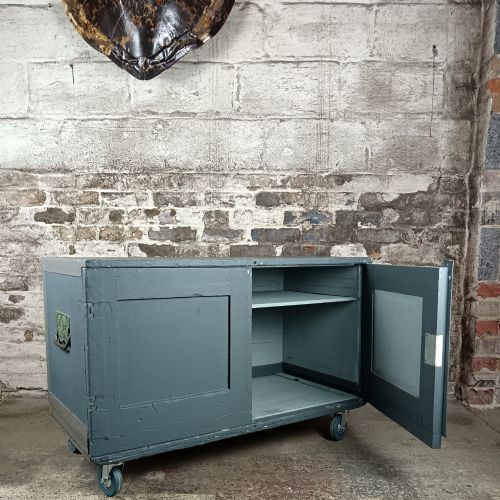


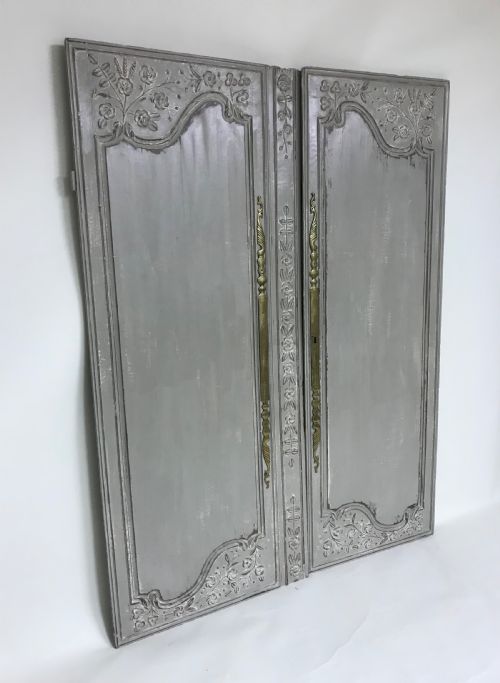


Grey Wooden Cabinet
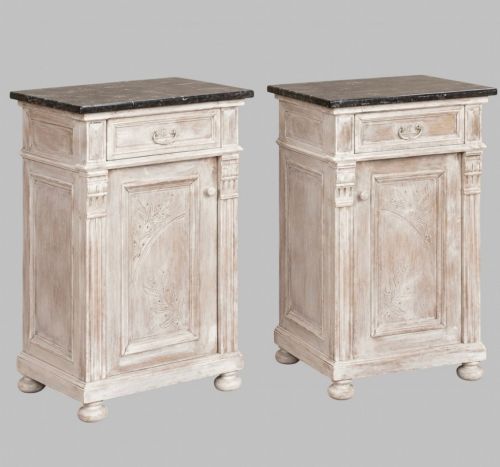
A grey wooden cabinet brings understated architectural form and muted tone to an interior, drawing on centuries of European country house and provincial design.
Grey Wooden Cabinet
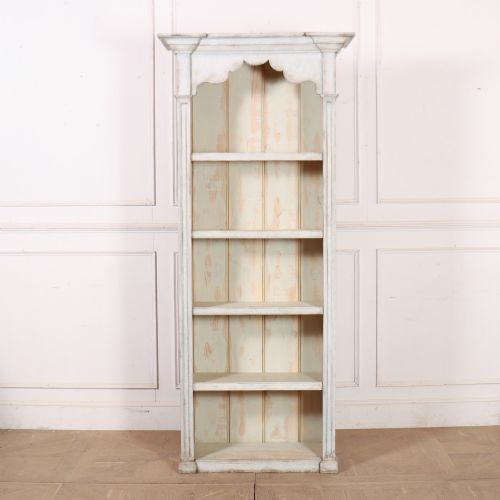
A grey wooden cabinet encompasses practical storage forms ranging from bedside tables and commodes to tall bookcases, cupboards, and linen presses. When searching for a grey wooden cabinet, buyers encounter pieces that span the eighteenth, nineteenth, and early twentieth centuries.
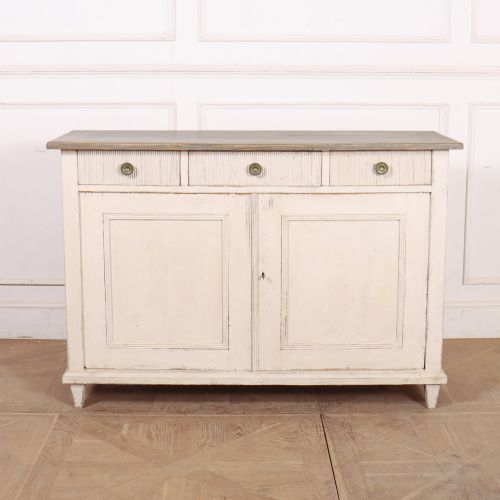
The regional origins of these items are distinct, leaning heavily towards Scandinavian country, Gustavian, French provincial, and Victorian workshops. Painted pine, ash, and walnut provide the structural carcases for these functional storage items.
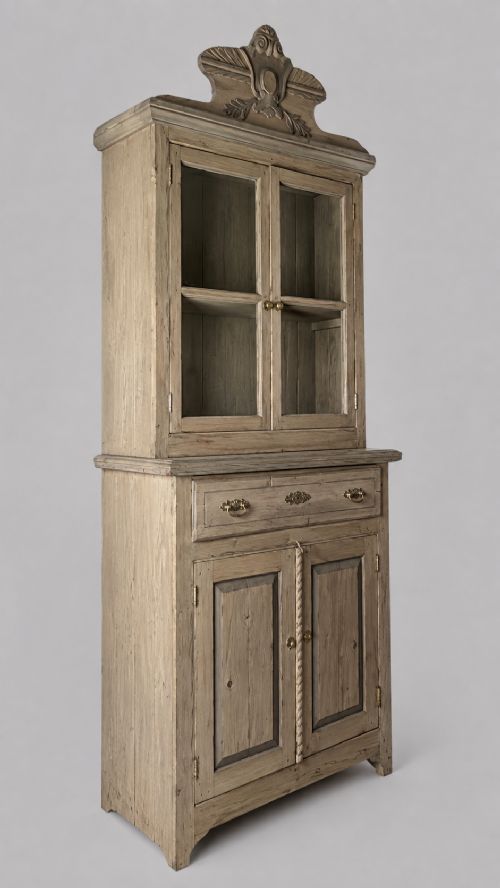
Many examples arrive with historic layers of paint or recent hand-redecoration in muted grey tones that suit domestic settings. Formats vary from glazed display cabinets and corner cupboards to robust military campaign chests and chests of drawers.
Construction and materials
Carpenters constructed these cabinets using sturdy timbers such as pine, ash, walnut, and cherrywood, often jointed by hand for daily utility. Surfaces were frequently treated with layers of paint to protect the wood and provide a uniform domestic finish.
Hardware played a functional role, utilising brass handles, hinges, and iron fastenings to secure doors and drawers. In certain regional traditions, cabinetry incorporated inset marble tops for added durability and surface utility.
Grey Wooden Cabinet Retail Price Guide 2026
Typical asking prices for grey wooden cabinet among the pieces listed under this phrase on Sellingantiques today, from the lower quarter to the upper quarter. They describe what is for sale here now, not the wider market.
Listings feature pieces utilising pine, walnut, ash, cherrywood, brass, iron, and marble across the eighteenth, nineteenth, and early twentieth centuries.
Evaluating the standard
Quality rests in the integrity of the original timber frame and the authenticity of the surface finish, whether aged paint or polished wood. Superior examples demonstrate balanced proportions, clean drawer operation, and well-preserved structural joinery.
The sophistication of regional carving and the retention of period hardware distinguish finer provincial pieces from simpler utility items. A well-executed surface treatment enhances the form without obscuring the underlying character of the wood.
The Grey Wooden Cabinet Glossary
- Commode
- A low chest of drawers, often standing on short legs, originating in French furniture design. They provide decorative storage for living spaces and bedrooms.
- Vitrine
- A glazed display cabinet designed to showcase porcelain, books, or small objects behind glass doors. The front and sometimes the sides are transparent.
- Campaign chest
- A modular chest of drawers built in sections with recessed brass handles for military transport. They are constructed for durability during travel.
- Gustavian
- A Swedish neoclassical style characterised by restrained classical ornament and pale painted finishes. This aesthetic developed during the late eighteenth century.
- Buffet
- A sideboard or low cupboard used for serving food and storing dining ware. These pieces often feature drawers above enclosed lower storage cupboards.
Grey Wooden Cabinet: Frequently Asked Questions
What rooms suit a grey wooden cabinet?
These cabinets function well in hallways, living rooms, and bedrooms where enclosed storage is required without heavy visual weight. Their neutral painted finishes allow them to integrate easily into diverse interior colour schemes.
Smaller formats like bedside tables fit tight spaces, while tall bookcases and linen cupboards anchor larger walls and provide substantial storage capacity.
How do I care for a painted wooden surface?
Dust the surface regularly with a soft, dry cloth to prevent the accumulation of grit. Avoid harsh chemical cleaners that can degrade historic or hand-applied paint layers.
Keep wooden furniture away from direct heat sources and strong sunlight to prevent timber movement and paint fading over time.
Are these cabinets made of solid wood?
Most pieces from these periods utilise solid timbers such as pine, ash, walnut, and cherrywood for their primary construction. Regional cabinetmakers built carcases to withstand heavy daily use.
Secondary timbers might appear in concealed areas like drawer linings and back panels, which was standard workshop practice during the eighteenth and nineteenth centuries.
How do I distinguish regional styles?
Swedish and Scandinavian pieces often display lighter painted surfaces with simple neoclassical proportions. French provincial items frequently incorporate subtle curves, panelled doors, and rustic hardware.
Victorian and Edwardian British examples tend to rely on exposed grain or utilitarian painted finishes suited to domestic service.