


Grey Storage Chest
A grey storage chest brings together practical holding capacity and muted neutral tones, offering a versatile focal point for country homes and formal interiors alike.
Grey Storage Chest
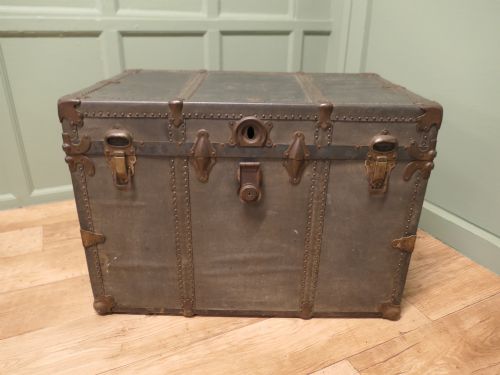
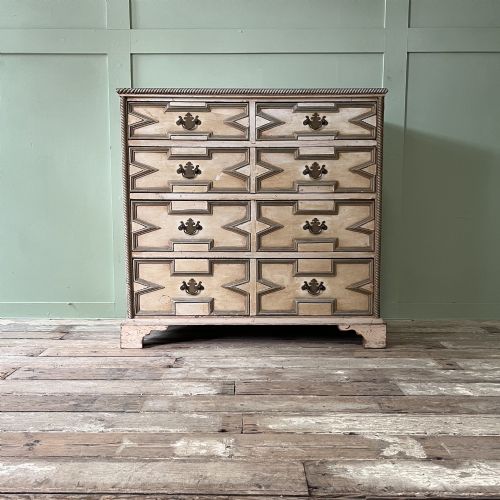
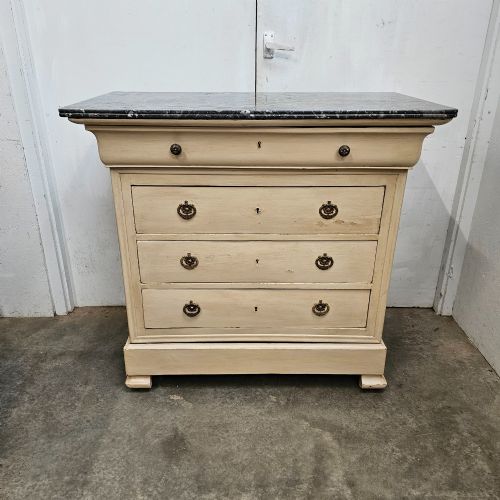
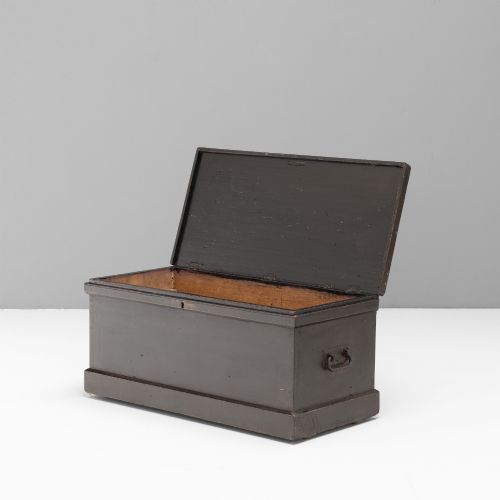
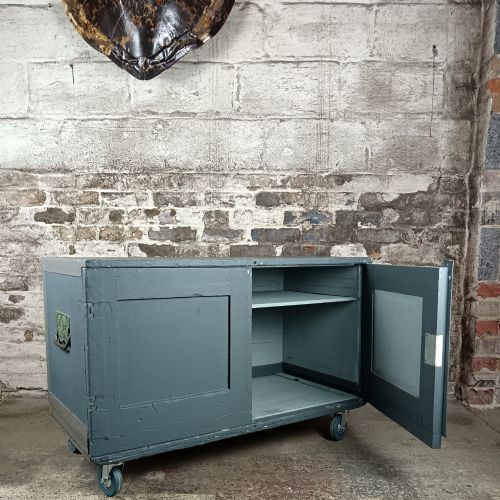
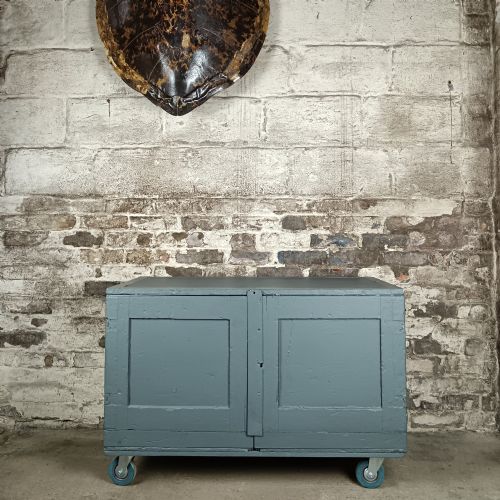
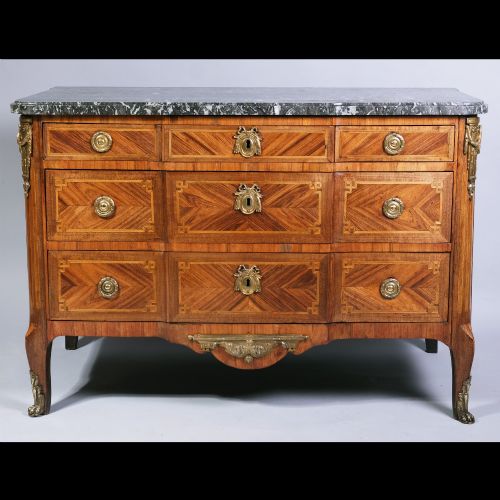
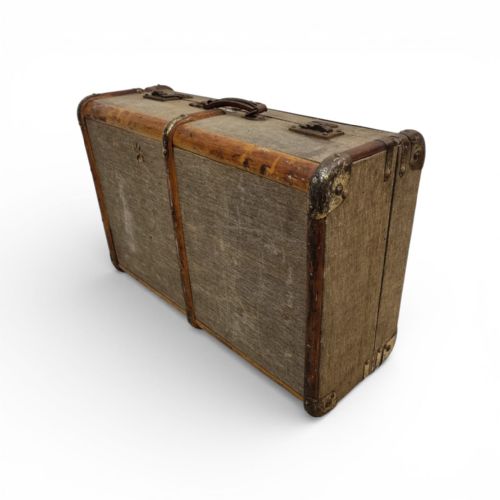
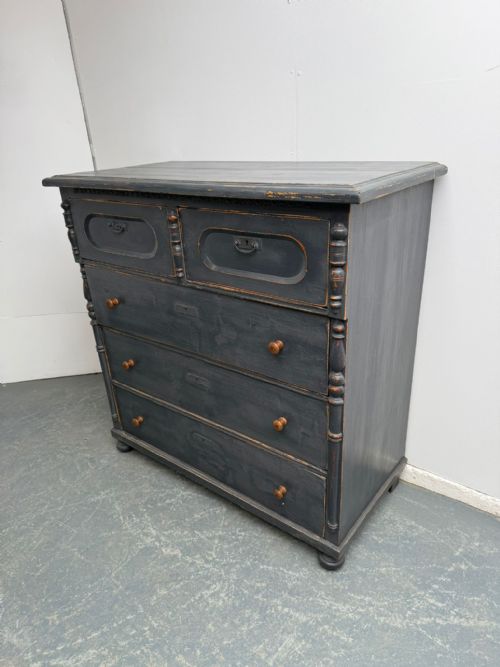
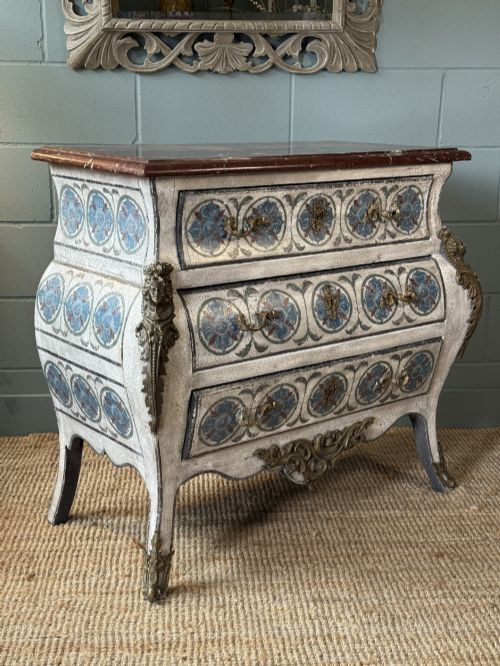
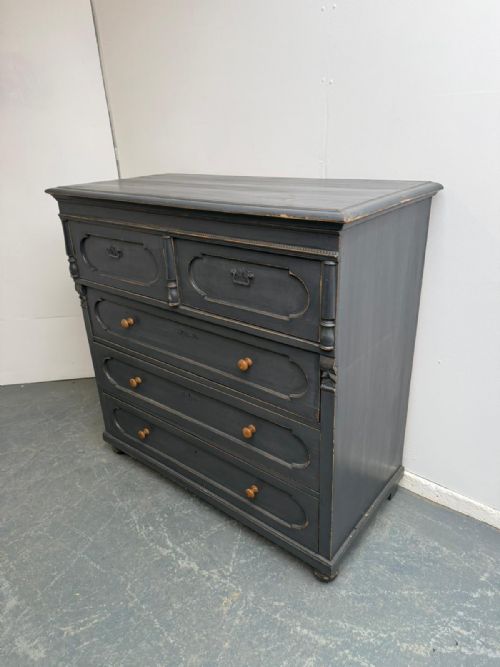
When searching for a grey storage chest, buyers encounter a diverse range of furniture types spanning multiple centuries, from utilitarian wooden trunks to refined Continental commodes. The selection includes sturdy nineteenth-century pine boxes, campaign packing cases, travel trunks, and decorative painted chests of drawers finished in subtle neutral shades.
Many of these pieces originate from France and Sweden, reflecting regional traditions of painted furniture such as the Gustavian style. English vernacular pieces also appear alongside continental walnut and mahogany furniture that has been thoughtfully redecorated or preserved with historic paint.
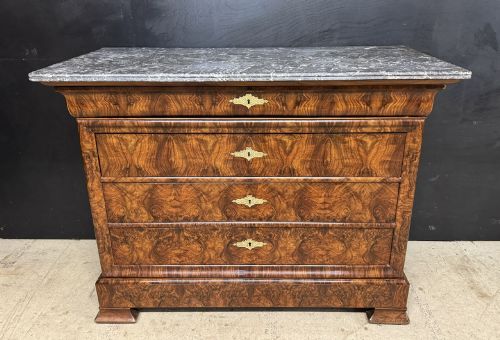
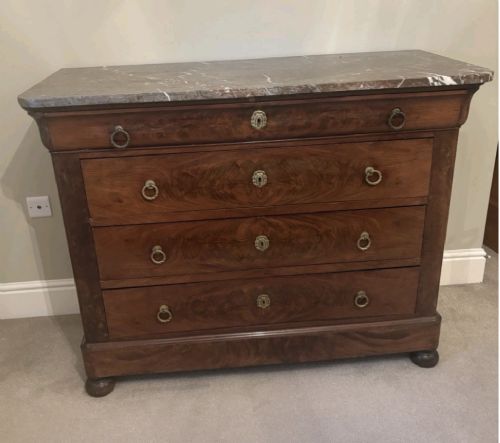
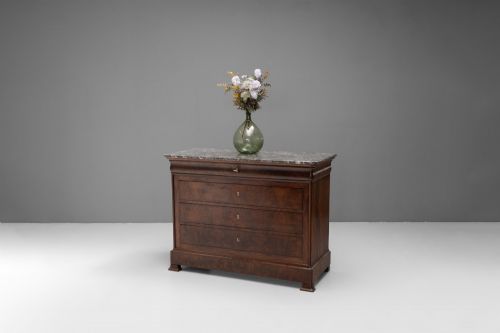
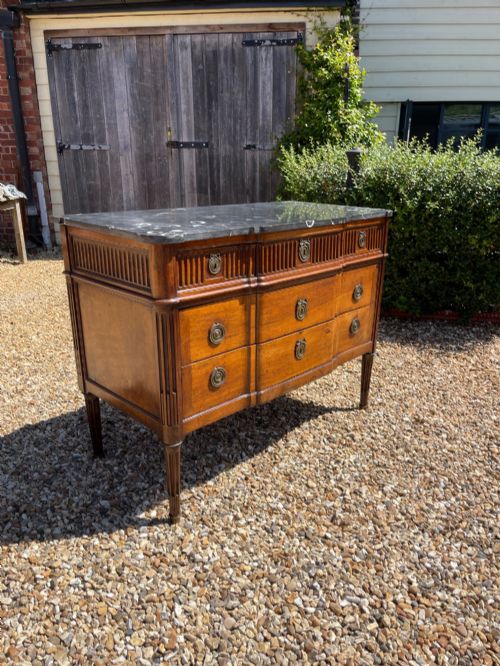
Forms vary significantly according to original function, encompassing blanket boxes, tall semainiers, bedside commodes with marble tops, and large five-drawer storage units. Buyers will find both rustic country workshops and formal urban cabinetmakers represented across the inventory.
How they were made
Construction relies heavily upon solid timbers such as pine, oak, ash, cherrywood, and exotic hardwoods like burr walnut and flame mahogany, often joined with traditional dovetail techniques. Iron and brass hardware, including campaign mounts, recessed handles, and lock plates, provide structural reinforcement and functional utility.
Surface finishes range from natural wood grains polished with wax to historic layers of paint, gesso, and faux marbling. Marble tops - frequently white or grey veined stone - feature prominently on continental commodes, adding weight and a durable working surface to the wooden frames below.
Grey Storage Chest Retail Price Guide 2026
Typical asking prices for grey storage chest among the pieces listed under this phrase on Sellingantiques today, from the lower quarter to the upper quarter. They describe what is for sale here now, not the wider market.
Listings feature eighteenth and nineteenth-century pieces alongside early twentieth-century examples, utilising materials such as pine, walnut, marble, and iron.
What varies in quality
Quality rests upon the integrity of the timber selection and the precision of the cabinet work, distinguishing simple utility trunks from high-end metropolitan commodes. Finer examples display meticulously matched wood veneers, such as burr walnut or flame mahogany, alongside well-balanced proportions and original hardware.
Sir Clough Williams-Ellis·Edwards and Roberts
The Grey Storage Chest Glossary
- Commode
- A low chest of drawers or cabinet, typically dating from the eighteenth or nineteenth century and frequently topped with marble. Originating in France, these pieces served both decorative and practical purposes in domestic interiors.
- Semainier
- A tall, slender chest of drawers traditionally designed with seven drawers, one for each day of the week. This form emerged in France during the eighteenth century.
- Campaign chest
- A portable set of drawers or a trunk constructed in sections with recessed brass handles and corner brackets, designed for easy transport by military officers. These pieces are built for durability during travel.
- Parquetry
- A geometric mosaic of wood pieces used for decorative inlay on furniture surfaces. It appears on the drawer fronts and tops of formal continental commodes.
- Gustavian
- The Swedish neoclassical style developed during the late eighteenth century, characterised by pale painted finishes, restrained carving, and functional elegance.
Grey Storage Chest: Frequently Asked Questions
What is a grey storage chest?
A grey storage chest is a functional furniture piece designed to hold household items while displaying a neutral painted or natural wood finish. These items range from simple rustic pine trunks to elegant eighteenth-century continental commodes.
Buyers select them for their capacity to blend discretion and style within bedroom, hallway, or living room settings.
How do I date an antique chest?
Dating relies on examining construction methods, timber types, and hardware fixtures. Hand-cut dovetails, tool marks, and original locks often indicate eighteenth or nineteenth-century craftsmanship.
Stylistic cues such as neoclassical motifs or campaign brass mounts also help place a piece within specific historical eras like the Victorian period or the reign of Louis Philippe.
Are these chests suitable for daily use?
Most antique storage chests and drawers are robustly built from solid woods like pine, oak, or mahogany and handle everyday domestic demands with ease. Interior compartments and sturdy drawer constructions provide practical storage for clothing, linens, or household goods.
Care should be taken with delicate painted surfaces and heavy marble tops to preserve their condition over time.
What is a French commode?
A French commode is a decorative chest of drawers typically featuring cabriole or tapered legs, ornate hardware, and frequently a fitted marble top. They were created for formal rooms to store personal items while displaying refined cabinetmaking.
Styles span from the curves of Louis XV to the linear geometry of the Empire and Louis Philippe periods.