





Grey Sky Maritime Artwork
Grey sky maritime artwork captures coastal and marine scenes under overcast weather, bringing moody atmospheric depth and historic charm to any interior.
Grey Sky Maritime Artwork
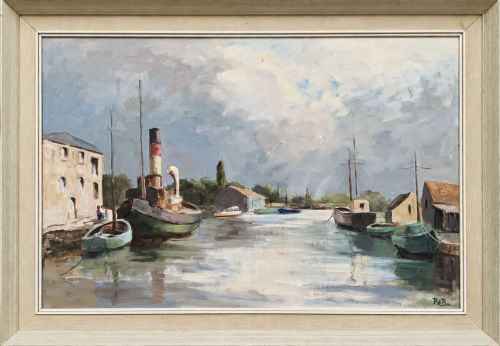
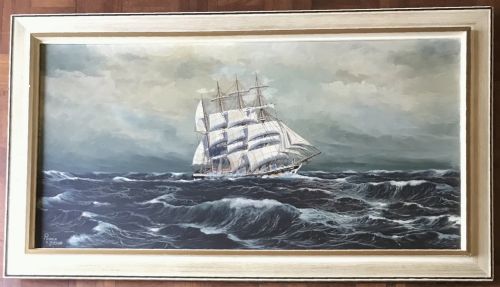
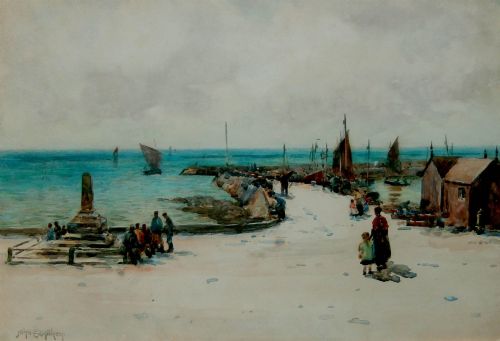
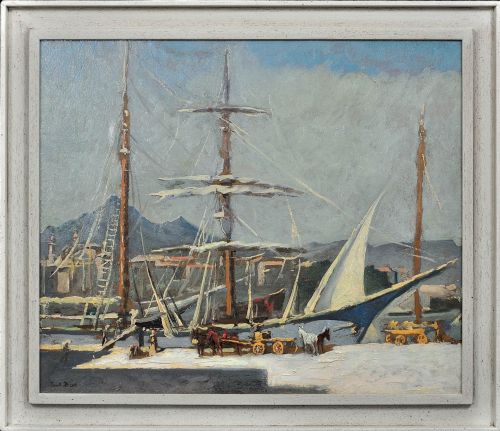
Grey sky maritime artwork encompasses paintings and watercolours depicting harbours, coastal views, and shipping scenes under subdued atmospheric conditions. These pieces emerge from the nineteenth and twentieth centuries, reflecting movements such as British Impressionism, Victorian Maritime, and 20th Century Realism.
The selections available range from early nineteenth-century harbour scenes in oil on canvas to twentieth-century watercolours and post-impressionist canvases. Buyers encounter depictions of shipping vessels, beached fishing boats, and historic coastal locations executed by regional and continental artists.
Materials and methods
Artists relied primarily on oil paint applied to canvas or wood panels, alongside watercolour pigment on paper. These traditional media allowed creators to build subtle tonal gradations necessary for capturing heavy cloud cover and choppy marine waters.
Framed watercolours and oil paintings frequently utilise period wooden surrounds that complement the muted palettes of the maritime subjects. The application ranges from detailed Victorian realisms to the dynamic brushwork of later modernist interpretations.
Grey Sky Maritime Artwork Retail Price Guide 2026
Typical asking prices for grey sky maritime artwork among the pieces listed under this phrase on Sellingantiques today, from the lower quarter to the upper quarter. They describe what is for sale here now, not the wider market.
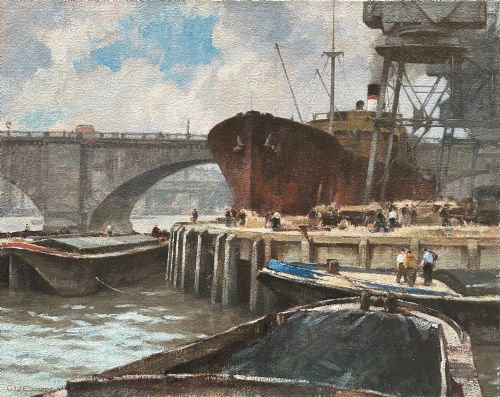
Several paintings record bustling historic shipping lanes where nineteenth-century barques and modern steamers likely passed within shouting distance of each other.
Quality variations
Excellence in these marine works rests upon the artist's command of atmospheric perspective, where the heavy grey sky integrates convincingly with the movement of the sea. Superior pieces display confident brushwork and tonal harmony that convey the specific damp air and light of a coastal or harbour environment.
Compositional balance and the historical interest of the depicted shipping or architecture also distinguish finer examples. Works that capture specific maritime locations with expressive handling hold greater visual authority than generic harbour views.
John E Aitken·Paul Bret·Charles William Adderton·George Hamilton Constantine·Paul Jean Clays·Owen Bowen·Bertram Priestman·Thomas Bush Hardy
The Grey Sky Maritime Artwork Glossary
- Marine art
- Artistic representation of maritime subjects, including ships, harbours, and coastal landscapes. This broad genre spans centuries of painting traditions.
- Watercolour pigment
- A water-soluble painting medium applied to paper surfaces. It is frequently employed for luminous, rapid sketches of coastal weather.
- Canvas
- A heavy woven fabric stretched across a wooden frame to serve as a support for oil painting. It provides texture that interacts with the paint layers.
- British Impressionism
- A painting style developed in the late nineteenth and early twentieth centuries focusing on light and brushwork. Artists working in this manner often depicted outdoor marine scenes with looser strokes.
- Post-Impressionism
- An art movement extending beyond impressionist methods to emphasise geometric forms or expressive use of colour. Works from this period show increased structural freedom in handling maritime themes.
Grey Sky Maritime Artwork: Frequently Asked Questions
What subjects appear in these works?
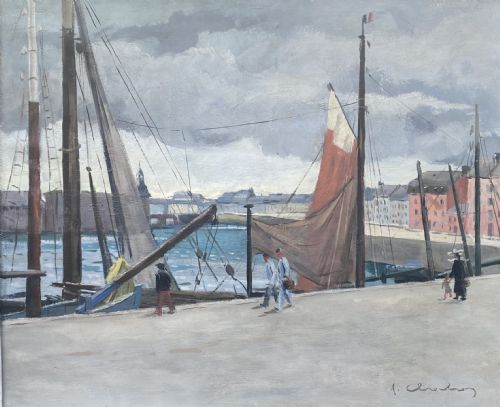
The pieces depict harbours, coastal forts, shipping vessels, and fishing boats situated in various British and continental European locations. Scenes often feature overcast or stormy weather conditions over water.
Commonly represented settings include specific coastal towns, quaysides, and open sea views recorded by artists working from the nineteenth through the mid-twentieth century.
How do I care for these paintings?
Protect oil paintings and watercolours from direct sunlight and excessive humidity to prevent pigment degradation and paper or canvas warping. Maintaining stable indoor temperatures preserves the integrity of both the paint layers and the antique frames.
Display watercolours behind protective glass with appropriate mounts to keep the paper surface separate from the glazing. Dust wooden frames gently with a dry, soft cloth.
How can I tell the period?
Dating relies on stylistic clues, framing techniques, and signatures or biographical dates associated with the artists recorded in the titles. Victorian works often show greater detail in rigging and architecture, while twentieth-century examples adopt looser modernist brushwork.
Materials such as nineteenth-century canvas supports or early twentieth-century watercolour paper provide further physical indicators of the era of creation.
Where should I hang marine art?
These atmospheric pieces suit living rooms, studies, or hallways where their muted grey and blue tones can establish a calm, historic focal point. Pairing them with traditional or transitional interior decor enhances their maritime character.
Ensure placement avoids damp walls, such as exterior-facing surfaces without proper insulation, to protect the antique canvas or paper substrates.