
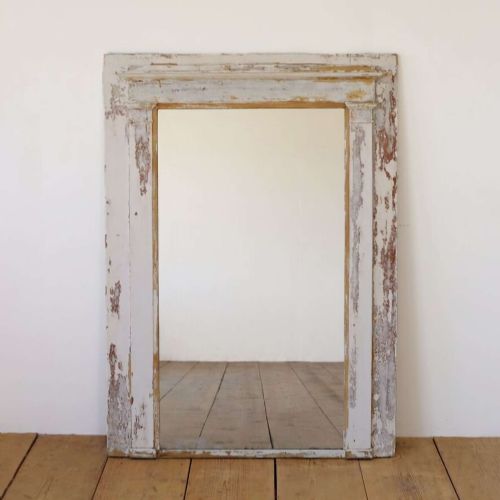
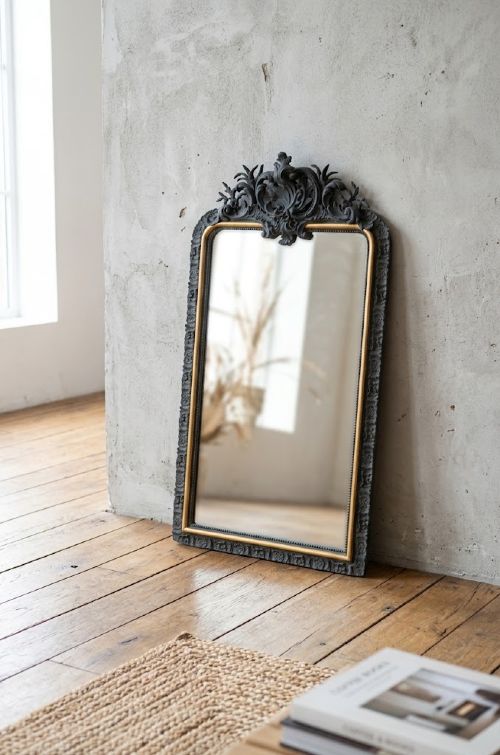

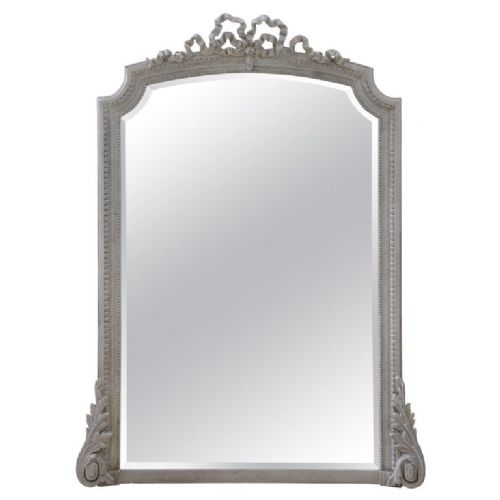


Grey French Wall Mirror
Grey french wall mirror pieces combine painted wooden frames and aged glass, offering the decorative depth of nineteenth-century interiors.
Grey French Wall Mirror
A grey french wall mirror brings together nineteenth-century continental forms and painted wooden surfaces designed for domestic display. Buyers seeking a grey french wall mirror most frequently encounter large overmantel mirrors and tall trumeau panels originating from the middle to late nineteenth century.
The selection ranges from simple bistro glasses with painted wooden frames to elaborate pieces incorporating carved wood and gesso ornamentation. Many examples reflect specific historical aesthetics including French Provincial, Rococo Revival, and Louis styles.
These items function primarily as architectural wall hangings and overmantel centrepieces, designed to reflect light and proportion within a room. The forms span arched tops, rectangular shapes, and column-framed structures.
How they were made
Makers constructed the primary structures from carved wood, frequently applying a layer of gesso to build up intricate relief decoration and mouldings before painting. This combination allowed artisans to create crisp architectural details and smooth painted finishes.
Surfaces received layers of paint, occasionally complemented by parcel gilt highlights or decorative relief panels depicting classical motifs. Glaziers set traditional mirror glass or mercury glass into the frames to complete the pieces.
Cherubs and Bacchus occasionally peer out from the decorative relief panels, watching the room change around them.
What varies in quality
The standard of carving and the crispness of the gesso mouldings separate ordinary pieces from superior examples. Hand-carved wooden depth and well-preserved decorative relief panels demonstrate greater workshop skill than flat or mass-produced mouldings.
Originality of surface finish and the condition of the mirror glass determine the overall integrity of the piece. Trumeau panels featuring intact mercury glass and undisturbed original paint layers hold higher distinction among collectors.
The Grey French Wall Mirror Glossary
- Trumeau mirror
- A wall glass incorporating a painted or carved panel above the main mirror plate, originally designed to hang between windows. These pieces often display classical scenes or decorative relief.
- Overmantel mirror
- A wide glass specifically proportioned to sit above a fireplace mantelpiece. They frequently feature arched tops or elongated rectangular formats.
- Gesso
- A plaster-like mixture applied to wood frames and carved to create raised ornamental details before painting or gilding. It provides a smooth base for fine decorative work.
- Mercury glass
- An early form of double-walled silvered glass produced in the nineteenth century, known for its mottled reflective quality. It creates a distinctive cloudy appearance behind the glass surface.
- Pier mirror
- A tall glass designed to hang on the narrow wall space between two windows, often paired with a console table beneath.
Grey French Wall Mirror: Frequently Asked Questions
How do I hang a heavy overmantel mirror?
These large wooden frames require secure wall fixings distributed evenly across the structure to support the weight safely.
Professional installation into solid masonry or direct wall studs ensures the mirror remains stable.
What is mercury glass?
Mercury glass is an older type of silvered glass that develops a characteristic speckled patina over time.
This aged appearance contributes to the authentic character of nineteenth-century French mirrors.
How do I clean an antique painted mirror?
Dust the carved wooden frame gently with a dry brush and avoid harsh chemical cleaners on the painted surfaces.
Use a mild glass cleaner applied to a cloth rather than directly onto the mirror plate.
Are these mirrors original nineteenth-century pieces?
The inventory consists primarily of items created across the nineteenth and early twentieth centuries using traditional timber and gesso techniques.
Construction details such as backboards and joinery help confirm the period of manufacture.