
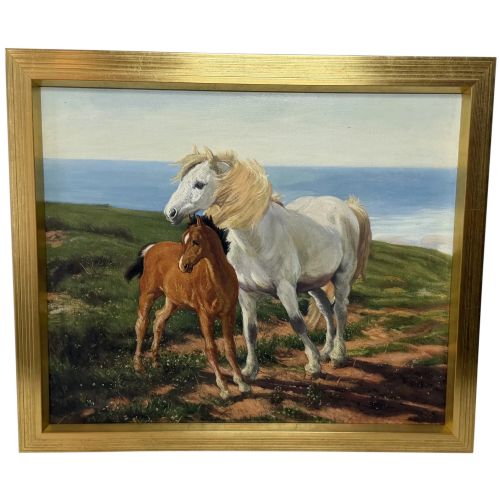


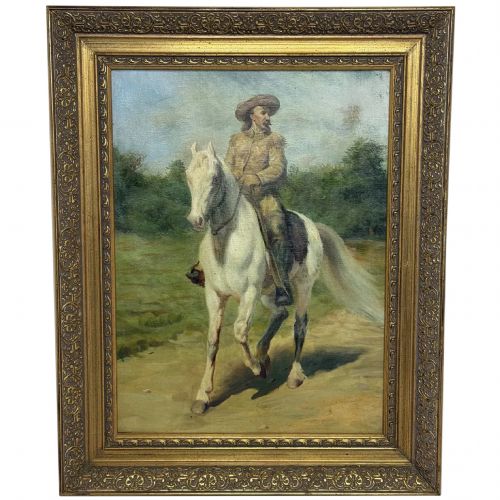


Grey Framed Horse Painting
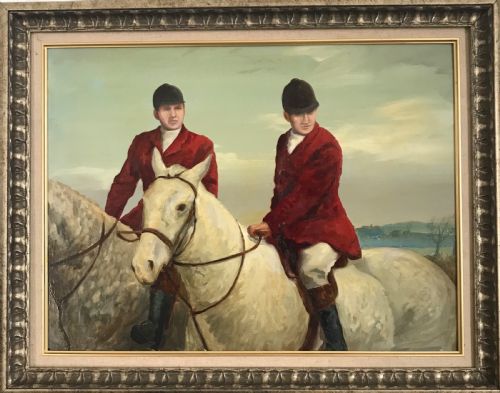
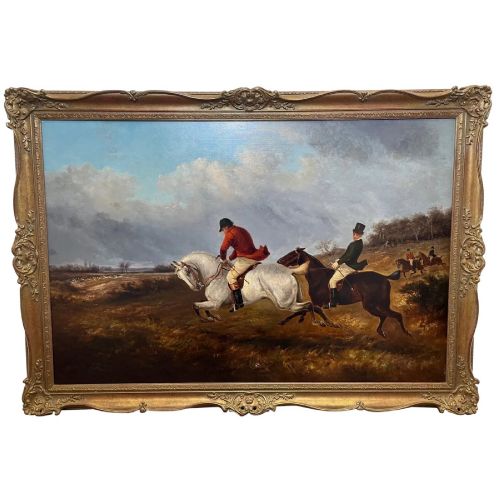
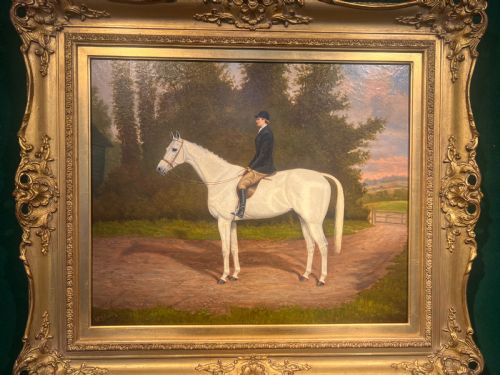
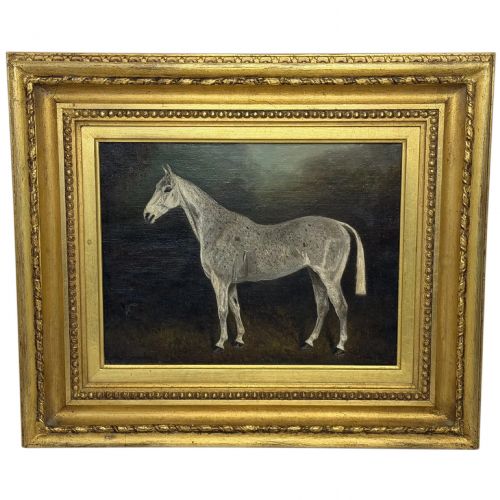
A grey framed horse painting brings the character of traditional equestrian art into a room through oil and watercolour.
Grey Framed Horse Painting
A grey framed horse painting encompasses equestrian portraiture, hunting scenes and pastoral depictions spanning from the nineteenth century into the mid-twentieth century. Buyers seek these works for their traditional country subjects and historic framing.
The selections on this page draw from Victorian, Edwardian and mid-century British and European traditions. Forms range from detailed oil portraits of individual stallions and mares to dynamic hunting and working scenes.
How they were made
Artists painted primarily with oil paint on canvas or applied watercolour to paper, utilising traditional techniques of the period. Pigments captured the specific conformation and coat variations of grey horses within landscapes or stables.
Wood frames enclose the works, providing structural support and aesthetic definition. Many pieces retain original framing styles characteristic of their respective nineteenth or twentieth-century eras.
Several listings include robust rocking horses alongside flat wall art, proving that four-legged subjects extend beyond the canvas.
What varies in quality
Quality rests in the anatomical accuracy of the horse and the handling of light across the grey coat. Finer works demonstrate a deeper understanding of equine movement and musculature.
The preservation of the paint surface and the integrity of the original wood frame distinguish superior examples. Stronger compositions place the subject within a convincingly rendered landscape or architectural setting.
Thomas Smythe·Albert Ludovici Jnr·Basil Nightingale·John Augustus Atkinson·Clifton Tomson·Vernon Stokes·William Manners·Maurice Wagermans
The Grey Framed Horse Painting Glossary
- Equestrian
- Pertaining to horses and horse riding. This term frequently describes art focused on horses in sport, work or portraiture.
- Grisette
- A term used in specific historical titles to denote a grey mare. It identifies the coat colour and type within the subject matter.
- Watercolour
- A painting method where fine pigment is suspended in a water-soluble binder on paper. It creates transparent washes often seen in antique works.
- Stallion
- An uncastrated male horse. Such animals often appeared in nineteenth-century portraiture to signify breeding and power.
Grey Framed Horse Painting: Frequently Asked Questions
How do I hang a heavy framed painting?
Ensure your wall fixings match the weight of the wood frame and canvas. Secure the hanging wire to sturdy D-rings mounted directly into the wooden frame sides.
Use a professional picture hook rated for the specific weight to keep the artwork stable and level on the wall.
What periods do these horse paintings cover?
The selections span from the early nineteenth century through the Victorian and Edwardian eras up to the mid-twentieth century. Each period brings distinct framing and artistic conventions.
Styles shift from traditional sporting art to mid-century modern interpretations while maintaining the central equine focus.
How should I clean an antique oil painting?
Dust the surface very gently with a soft, dry brush to remove loose particles. Avoid using any liquids, household cleaners or damp cloths on the paint.
Professional conservation is required for deep cleaning or removing aged varnish from nineteenth-century canvases.
Where were these equine artworks created?
Originating primarily from British and European schools, these pieces reflect local sporting traditions and rural life. Artists captured regional horses such as heavy working breeds and hunting hunters.
Makers worked in varied settings from country estates to urban studios across Britain and Belgium.